Step-by-Step Growing Guide
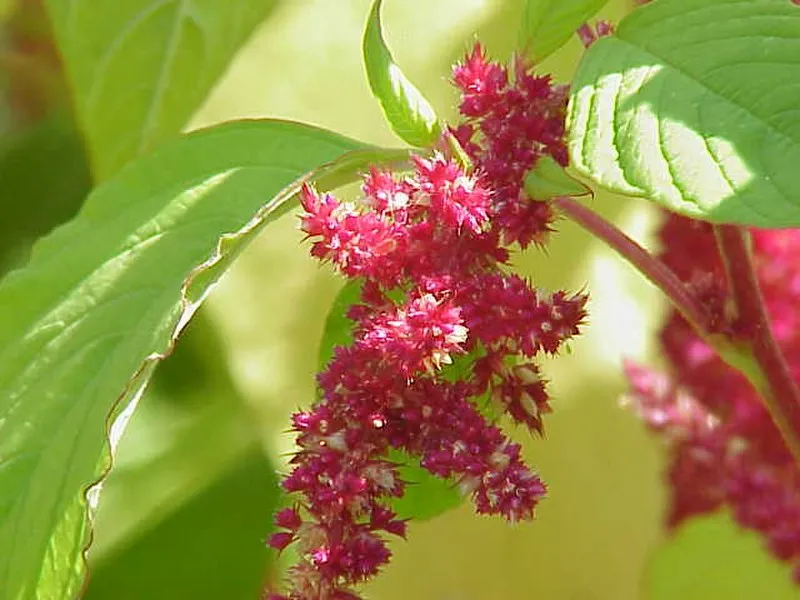
Amaranth (Amaranthus hypochondriacus and A. cruentus) thrives in warm conditions with well-drained, moderately fertile soil and a pH of 6.0–7.5. It tolerates poor soil remarkably well but produces the largest seed heads in reasonably fertile ground. Direct sow seeds after the last frost when soil has warmed to at least 65°F — seeds are tiny and should be pressed onto the soil surface and covered with no more than 1/8 inch of fine soil. Thin seedlings to 18 inches for grain production, 12 inches for ornamental or leaf use. Water moderately during establishment, then reduce — amaranth is surprisingly drought-tolerant once established, 1 inch of water per week is sufficient. Fertilize with balanced fertilizer at planting and once at midsummer for grain types. Leaf amaranth (used as a vegetable) benefits from more nitrogen for lush foliage. Plants can reach 5–8 feet and may need staking in windy locations.