Best Plants for Container Gardening
Grow a productive garden anywhere — balcony, patio, rooftop, or windowsill. These 23 plants thrive in pots, planters, and containers of all sizes.
Container Gardening Essentials
- Always use pots with drainage holes — waterlogged roots kill plants quickly
- Containers dry out faster than ground soil — check moisture daily in summer
- Feed regularly with liquid fertilizer — nutrients wash out with frequent watering
- Dark containers absorb heat — in hot climates, choose light-colored pots to protect roots
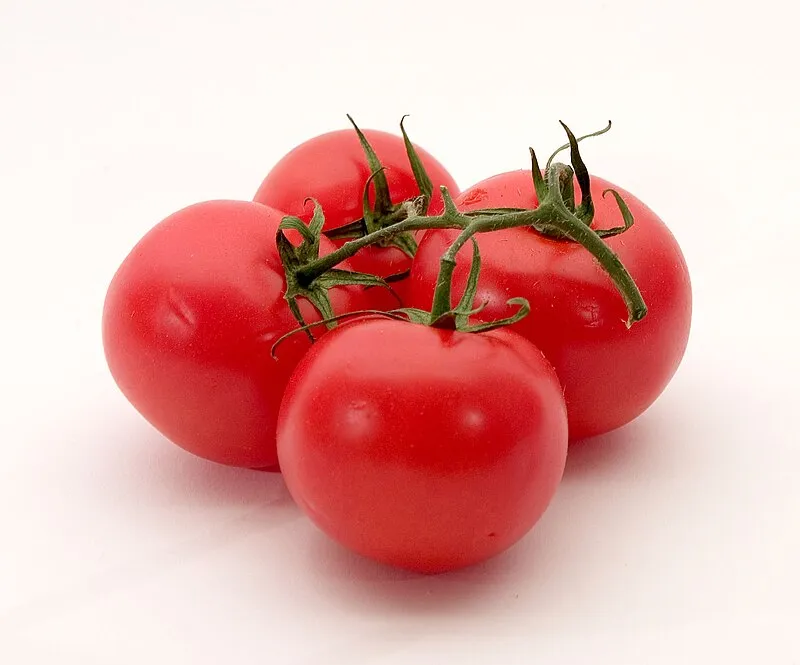
Tomato
VegetableThe world's most popular garden vegetable. A warmth-loving plant that does best between 18°C and 27°C, tomato adapts well to tropical and subtropical conditions but cannot tolerate frost. Give it full sun (6-8 hours of direct light daily) and regular watering to keep soil consistently moist, and expect to harvest in roughly 60-85 days. A staple of kitchen gardens and allotments, it rewards even first-time growers with a generous harvest.
Start indoors 6-8 weeks before last frost. Needs staking or caging. Wait until soil warms to at least 18°C before transplanting outdoors — cold soil stunts growth and can invite root rot. Aim for about 2.5 cm of water per week, adjusting for rainfall. Organic mulch around the base helps maintain even moisture.
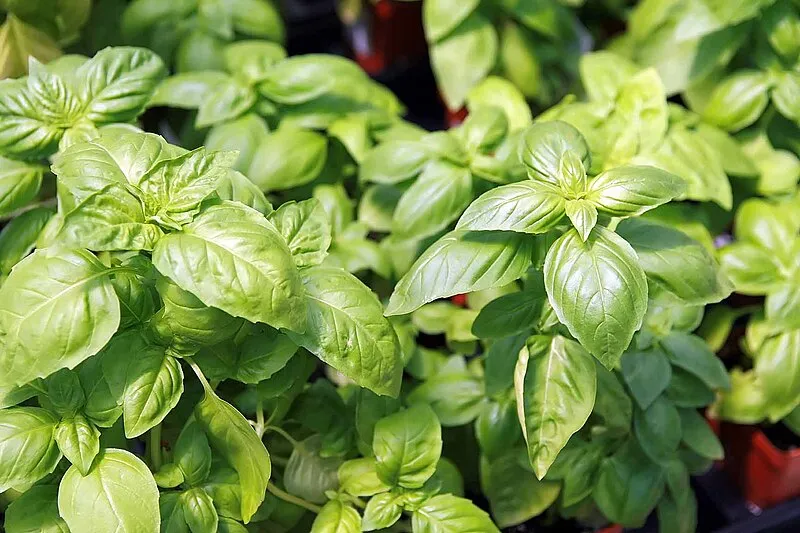
Basil
HerbEssential culinary herb with fragrant leaves. A warmth-loving plant that does best between 20°C and 30°C, basil adapts well to tropical and subtropical conditions but cannot tolerate frost. It needs full sun (6-8 hours of direct light daily) and regular watering to keep soil consistently moist — leaves are ready for picking in about 50-75 days. Valued in cuisines worldwide, it is easy to grow and rewards regular harvesting with bushier, more productive plants.
Pinch flower buds to encourage leaf growth. Harvest from top down. Wait until soil warms to at least 20°C before transplanting outdoors — cold soil stunts growth and can invite root rot. Aim for about 2.5 cm of water per week, adjusting for rainfall. Organic mulch around the base helps maintain even moisture.
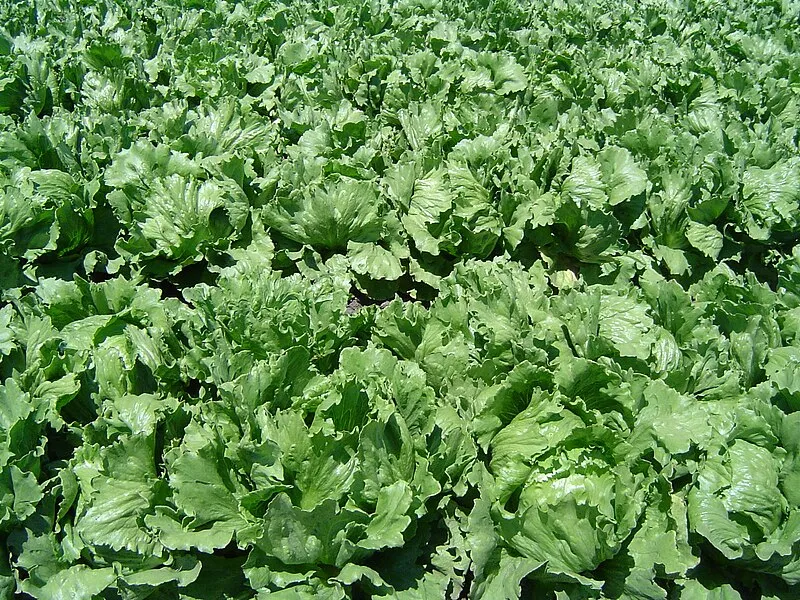
Lettuce
VegetableCool-season crop perfect for spring and fall. Hardy enough to withstand light frosts down to 2°C, lettuce performs best when daytime temperatures stay between 10°C and 20°C. Give it partial shade, though it appreciates some direct light and regular watering to keep soil consistently moist, and expect to harvest in roughly 30-60 days. Whether grown in raised beds, containers, or traditional plots, it produces well across a range of climates.
Sow successively every 2 weeks. Provide afternoon shade in warmer climates. Can be planted 2-3 weeks before the last expected frost, giving it a head start on the growing season. Aim for about 2.5 cm of water per week, adjusting for rainfall. Organic mulch around the base helps maintain even moisture.
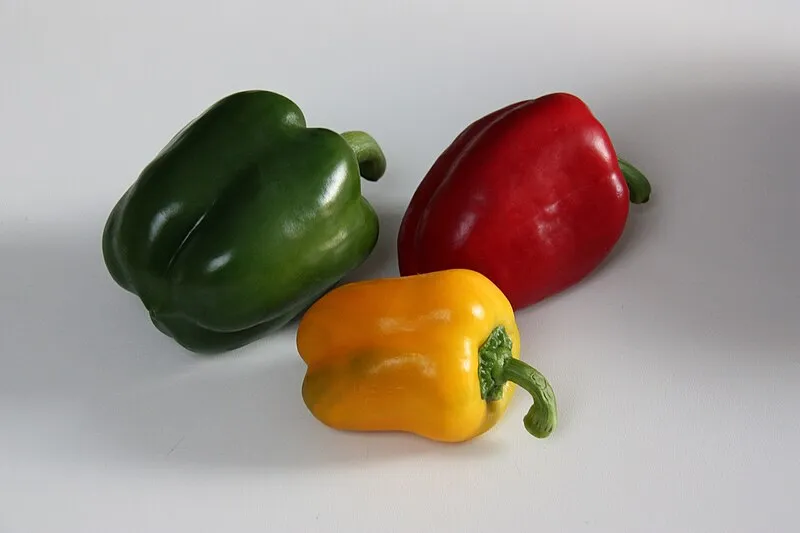
Pepper
VegetableHeat-loving plants ranging from sweet bell peppers to fiery chilies. A warmth-loving plant that does best between 20°C and 30°C, pepper adapts well to tropical and subtropical conditions but cannot tolerate frost. Give it full sun (6-8 hours of direct light daily) and moderate, even watering throughout the growing season, and expect to harvest in roughly 60-90 days. Widely grown in home gardens around the world, it adapts to a range of soil types and growing conditions.
Start indoors 8-10 weeks before last frost. Mulch heavily. Wait until soil warms to at least 20°C before transplanting outdoors — cold soil stunts growth and can invite root rot. Water steadily but avoid soggy soil. A 5-cm layer of organic mulch helps balance moisture and suppress weeds.
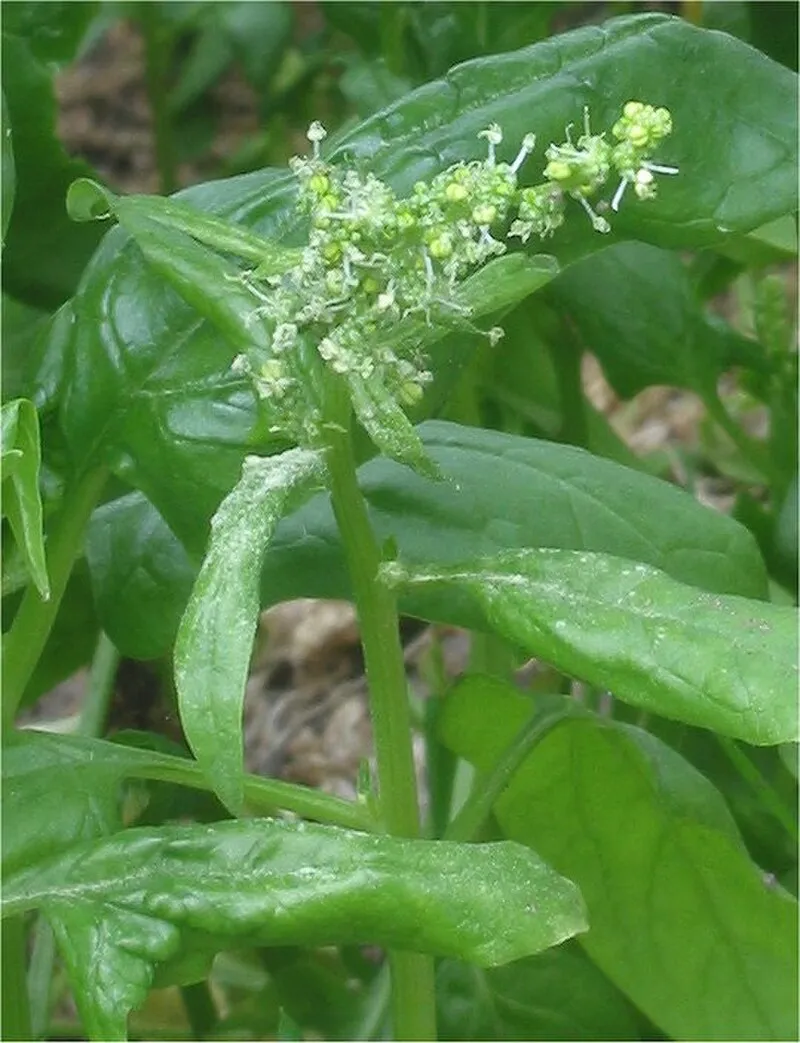
Spinach
VegetableNutrient-dense cool-season green. Hardy enough to withstand light frosts down to -5°C, spinach performs best when daytime temperatures stay between 5°C and 18°C. Give it partial shade, though it appreciates some direct light and regular watering to keep soil consistently moist, and expect to harvest in roughly 37-45 days. Whether grown in raised beds, containers, or traditional plots, it produces well across a range of climates.
Sow as soon as soil can be worked. Bolts quickly in heat -- grow in spring/fall. Can be planted 2-3 weeks before the last expected frost, giving it a head start on the growing season. Aim for about 2.5 cm of water per week, adjusting for rainfall. Organic mulch around the base helps maintain even moisture.
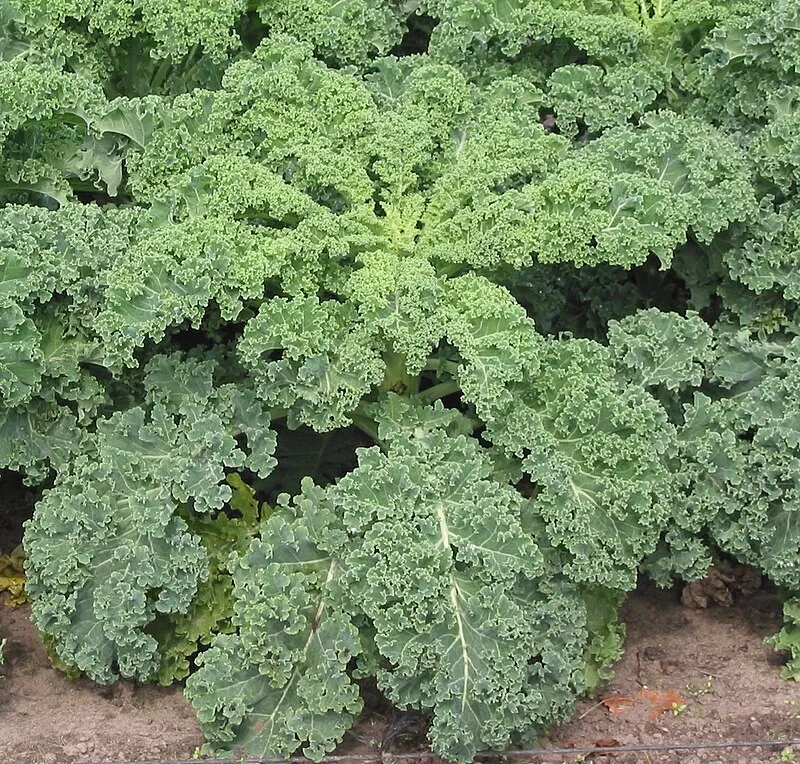
Kale
VegetableExtremely cold-hardy superfood. Hardy enough to withstand light frosts down to -10°C, kale performs best when daytime temperatures stay between 5°C and 20°C. Give it full sun to partial shade and regular watering to keep soil consistently moist, and expect to harvest in roughly 55-75 days. An excellent choice for beginner and experienced gardeners alike, thanks to its forgiving growing habits.
One of the hardiest garden crops. Can overwinter in many climates with mulch. Can be planted 2-3 weeks before the last expected frost, giving it a head start on the growing season. Aim for about 2.5 cm of water per week, adjusting for rainfall. Organic mulch around the base helps maintain even moisture.
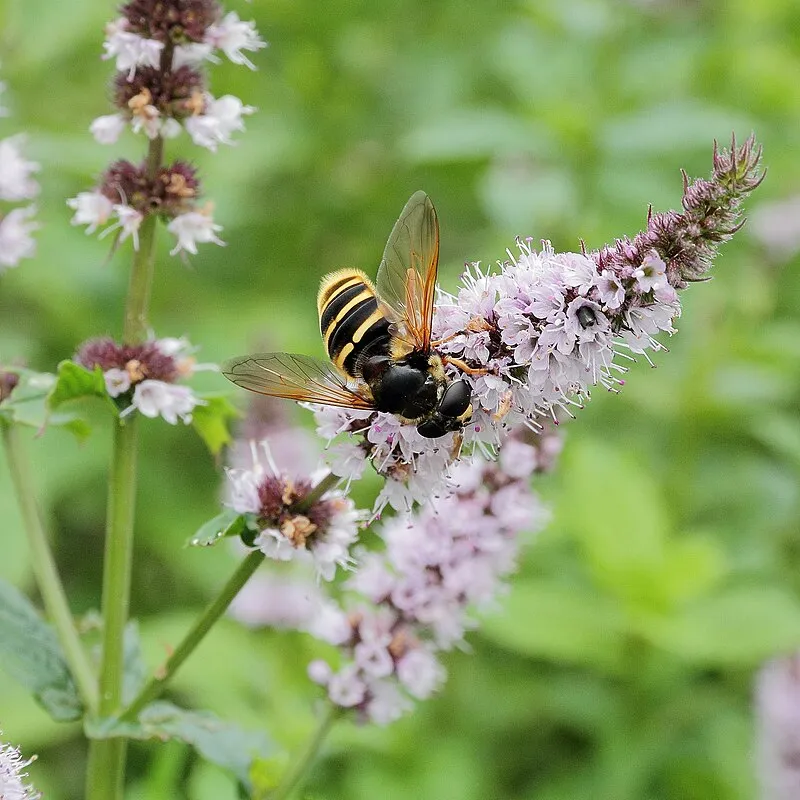
Mint
HerbVigorous herb that spreads aggressively. Remarkably adaptable, mint tolerates temperatures from -5°C to 30°C and thrives in both cool-temperate and tropical gardens. It needs partial shade, though it appreciates some direct light and regular watering to keep soil consistently moist — leaves are ready for picking in about 60-90 days. Fresh leaves from your own garden taste noticeably better than store-bought — and the plant practically grows itself.
Always grow in a pot -- it will take over your garden. Harvest often to control growth. Can be planted 2-3 weeks before the last expected frost, giving it a head start on the growing season. Aim for about 2.5 cm of water per week, adjusting for rainfall. Organic mulch around the base helps maintain even moisture.
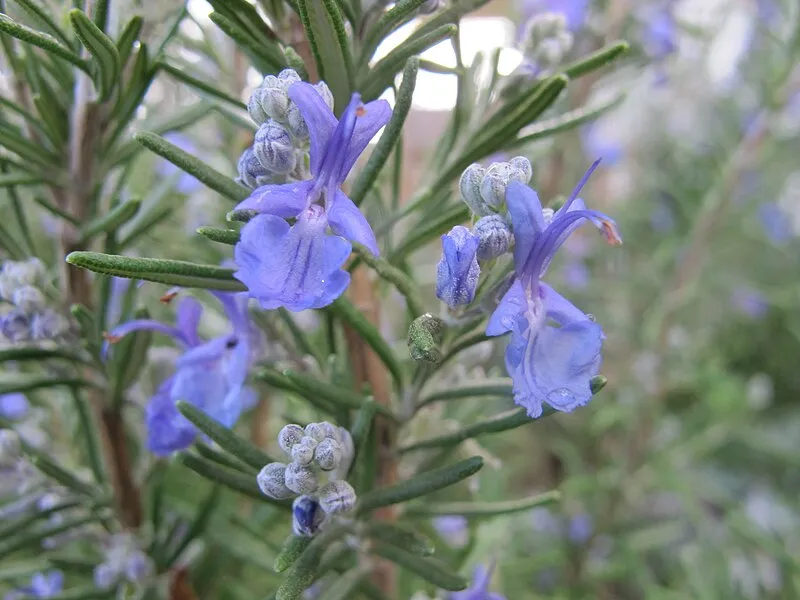
Rosemary
HerbMediterranean woody herb. Hardy enough to withstand light frosts down to -5°C, rosemary performs best when daytime temperatures stay between 15°C and 25°C. It needs full sun (6-8 hours of direct light daily) and minimal watering — it prefers dry conditions between drinks — leaves are ready for picking in about 80-120 days. A kitchen essential that grows equally well on a sunny windowsill, a balcony pot, or a dedicated herb bed.
Needs excellent drainage. Don't overwater. Can be planted 2-3 weeks before the last expected frost, giving it a head start on the growing season. Overwatering is the most common mistake. Let soil dry out between waterings and ensure drainage is excellent.
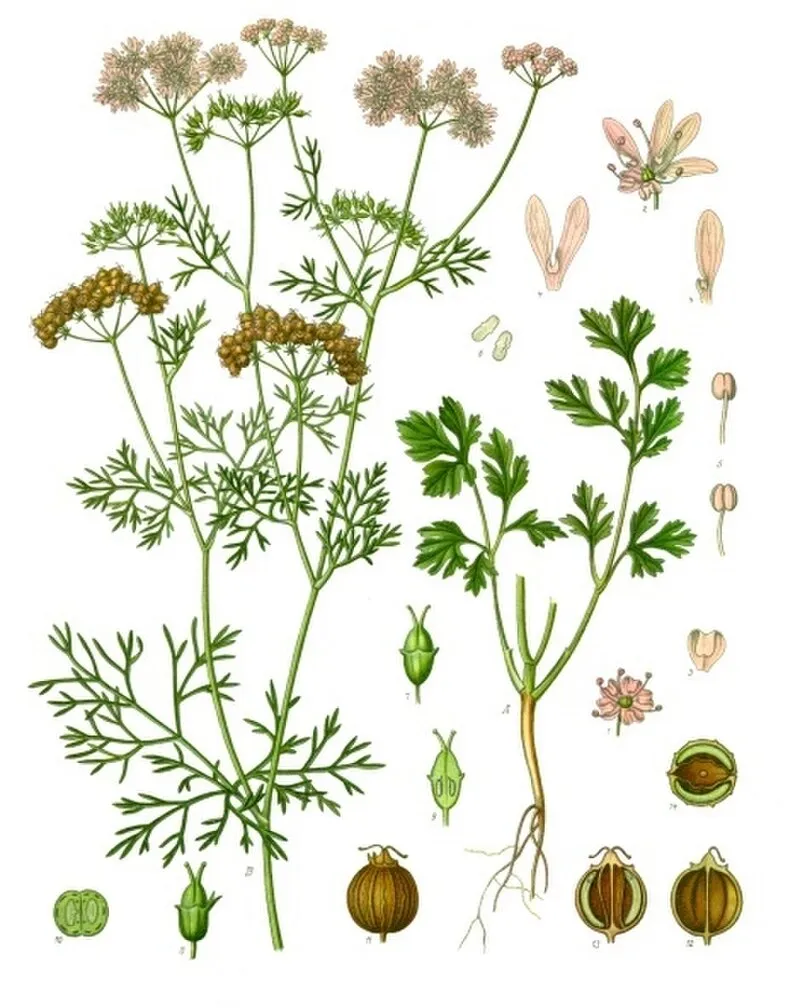
Cilantro
HerbCool-season herb essential in Mexican, Indian, and Thai cooking. Hardy enough to withstand light frosts down to 2°C, cilantro performs best when daytime temperatures stay between 10°C and 20°C. It needs full sun to partial shade and regular watering to keep soil consistently moist — leaves are ready for picking in about 45-70 days. Valued in cuisines worldwide, it is easy to grow and rewards regular harvesting with bushier, more productive plants.
Sow every 3 weeks for continuous harvest. In hot climates, grow in fall/winter only. Can be planted 2-3 weeks before the last expected frost, giving it a head start on the growing season. Aim for about 2.5 cm of water per week, adjusting for rainfall. Organic mulch around the base helps maintain even moisture.
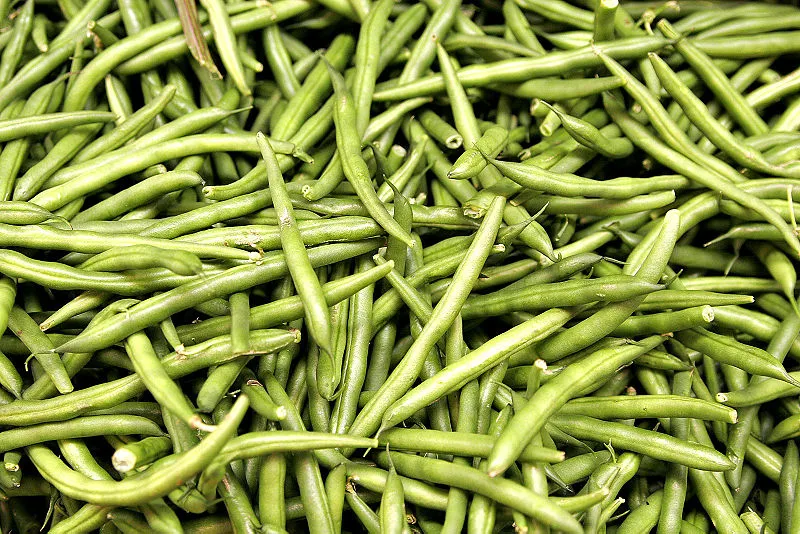
Green Bean
VegetableEasy warm-season crop. A warmth-loving plant that does best between 18°C and 27°C, green bean adapts well to tropical and subtropical conditions but cannot tolerate frost. Give it full sun (6-8 hours of direct light daily) and regular watering to keep soil consistently moist, and expect to harvest in roughly 50-60 days. Whether grown in raised beds, containers, or traditional plots, it produces well across a range of climates.
Sow directly after last frost. Pick frequently to keep plants producing. Wait until soil warms to at least 18°C before transplanting outdoors — cold soil stunts growth and can invite root rot. Aim for about 2.5 cm of water per week, adjusting for rainfall. Organic mulch around the base helps maintain even moisture.
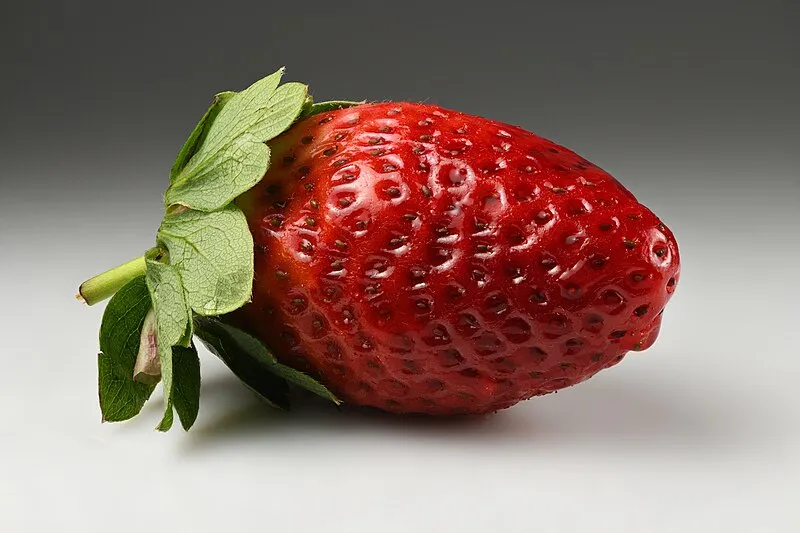
Strawberry
FruitPerennial fruit that produces for years. Hardy enough to withstand light frosts down to -10°C, strawberry performs best when daytime temperatures stay between 15°C and 25°C. Give it full sun (6-8 hours of direct light daily) and regular watering to keep soil consistently moist, and expect to harvest in roughly 60-90 days. A favourite of home orchardists and fruit gardeners, it can be trained, pruned, and shaped to fit most spaces.
Remove first-year flowers for stronger plants. Mulch with straw to prevent mud splash. Can be planted 2-3 weeks before the last expected frost, giving it a head start on the growing season. Aim for about 2.5 cm of water per week, adjusting for rainfall. Organic mulch around the base helps maintain even moisture.
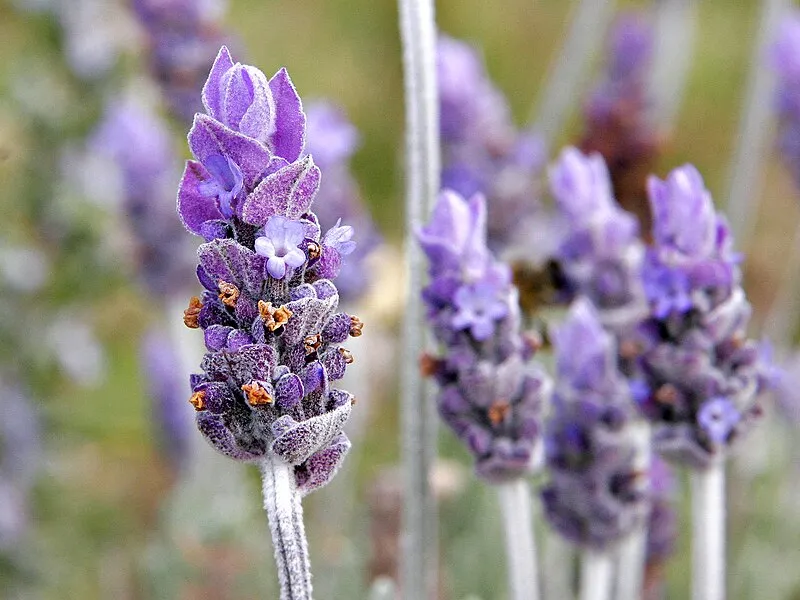
Lavender
HerbDrought-tolerant Mediterranean herb. Hardy enough to withstand light frosts down to -10°C, lavender performs best when daytime temperatures stay between 15°C and 28°C. It needs full sun (6-8 hours of direct light daily) and minimal watering — it prefers dry conditions between drinks — leaves are ready for picking in about 90-200 days. Fresh leaves from your own garden taste noticeably better than store-bought — and the plant practically grows itself.
Must have excellent drainage -- will rot in wet soil. Prune after flowering. Can be planted 2-3 weeks before the last expected frost, giving it a head start on the growing season. Overwatering is the most common mistake. Let soil dry out between waterings and ensure drainage is excellent.
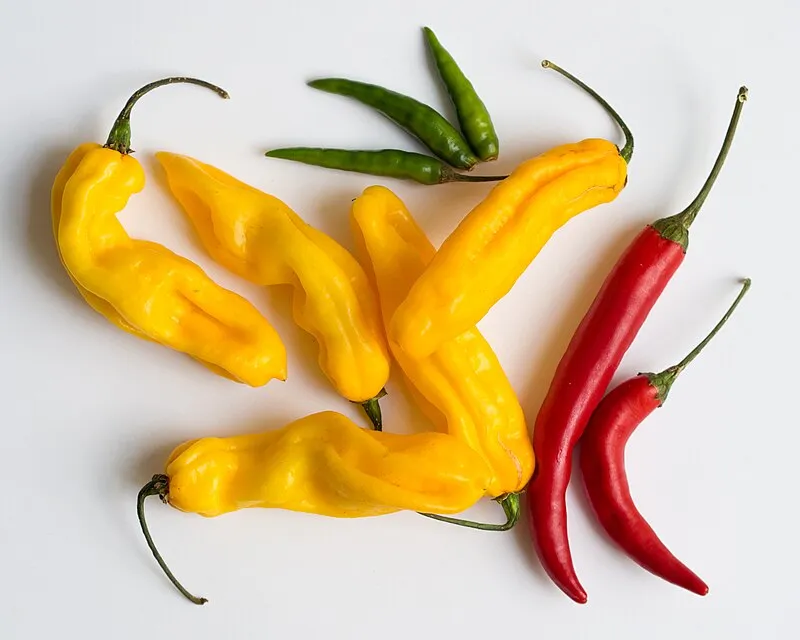
Chili Pepper
VegetableFrom mild jalapenos to scorching habaneros. A warmth-loving plant that does best between 22°C and 32°C, chili pepper adapts well to tropical and subtropical conditions but cannot tolerate frost. Give it full sun (6-8 hours of direct light daily) and moderate, even watering throughout the growing season, and expect to harvest in roughly 60-120 days. A staple of kitchen gardens and allotments, it rewards even first-time growers with a generous harvest.
Stress (less water, more sun) increases heat level. Start indoors 10+ weeks before last frost. Wait until soil warms to at least 22°C before transplanting outdoors — cold soil stunts growth and can invite root rot. Water steadily but avoid soggy soil. A 5-cm layer of organic mulch helps balance moisture and suppress weeds.
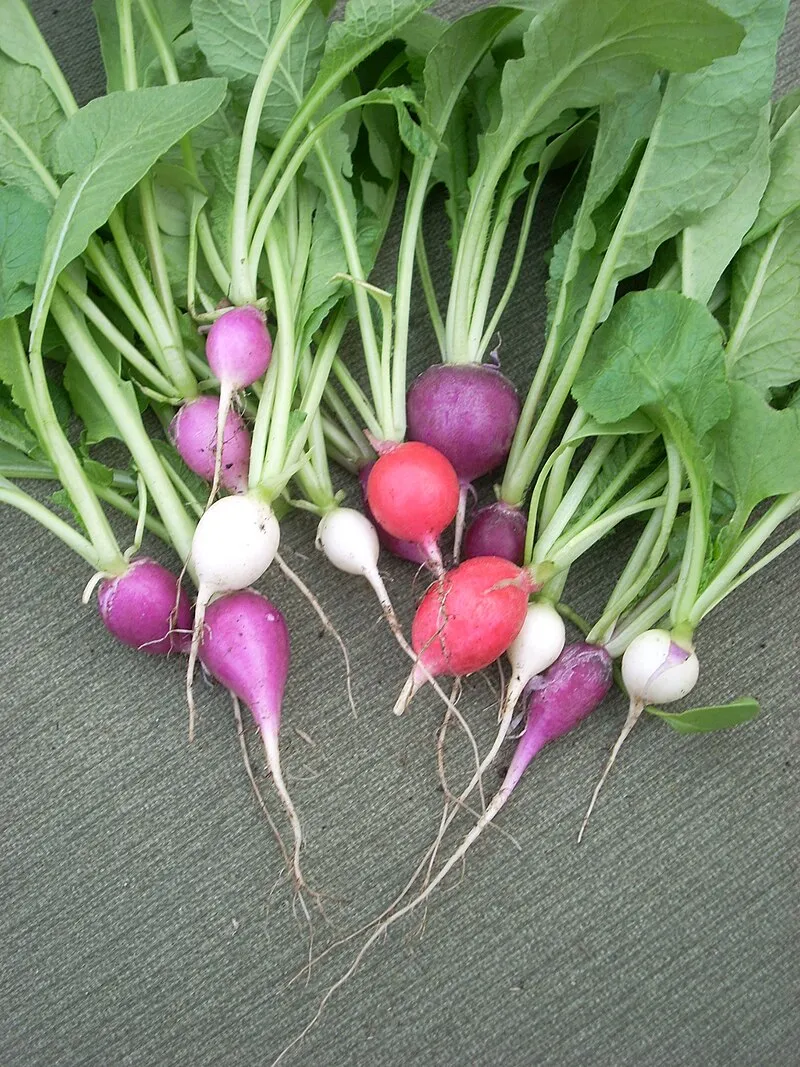
Radish
VegetableThe fastest vegetable -- harvest in as little as 3 weeks. Hardy enough to withstand light frosts down to 2°C, radish performs best when daytime temperatures stay between 10°C and 18°C. Give it full sun (6-8 hours of direct light daily) and regular watering to keep soil consistently moist, and expect to harvest in roughly 22-30 days. Popular with home gardeners for its reliable yields and straightforward growing requirements.
Sow directly. Don't let soil dry out or roots will be pithy. Can be planted 2-3 weeks before the last expected frost, giving it a head start on the growing season. Aim for about 2.5 cm of water per week, adjusting for rainfall. Organic mulch around the base helps maintain even moisture.
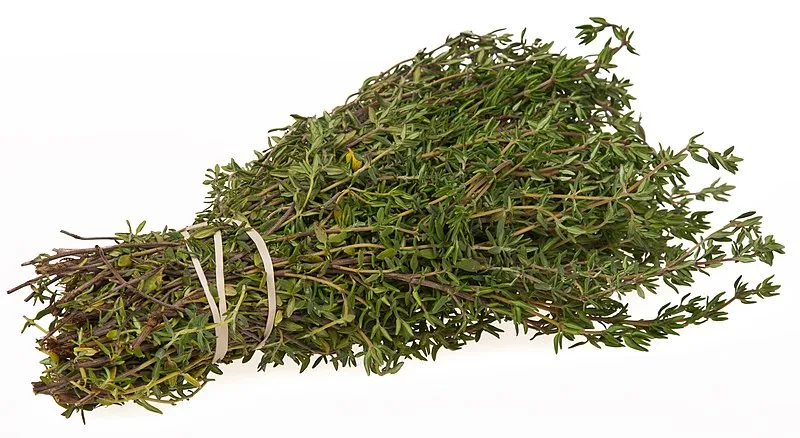
Thyme
HerbHardy Mediterranean herb. Hardy enough to withstand light frosts down to -10°C, thyme performs best when daytime temperatures stay between 12°C and 25°C. It needs full sun (6-8 hours of direct light daily) and minimal watering — it prefers dry conditions between drinks — leaves are ready for picking in about 70-90 days. An aromatic addition to any garden, it dries and freezes well for year-round use in the kitchen.
Needs well-drained soil. Trim after flowering to maintain shape. Can be planted 2-3 weeks before the last expected frost, giving it a head start on the growing season. Overwatering is the most common mistake. Let soil dry out between waterings and ensure drainage is excellent.
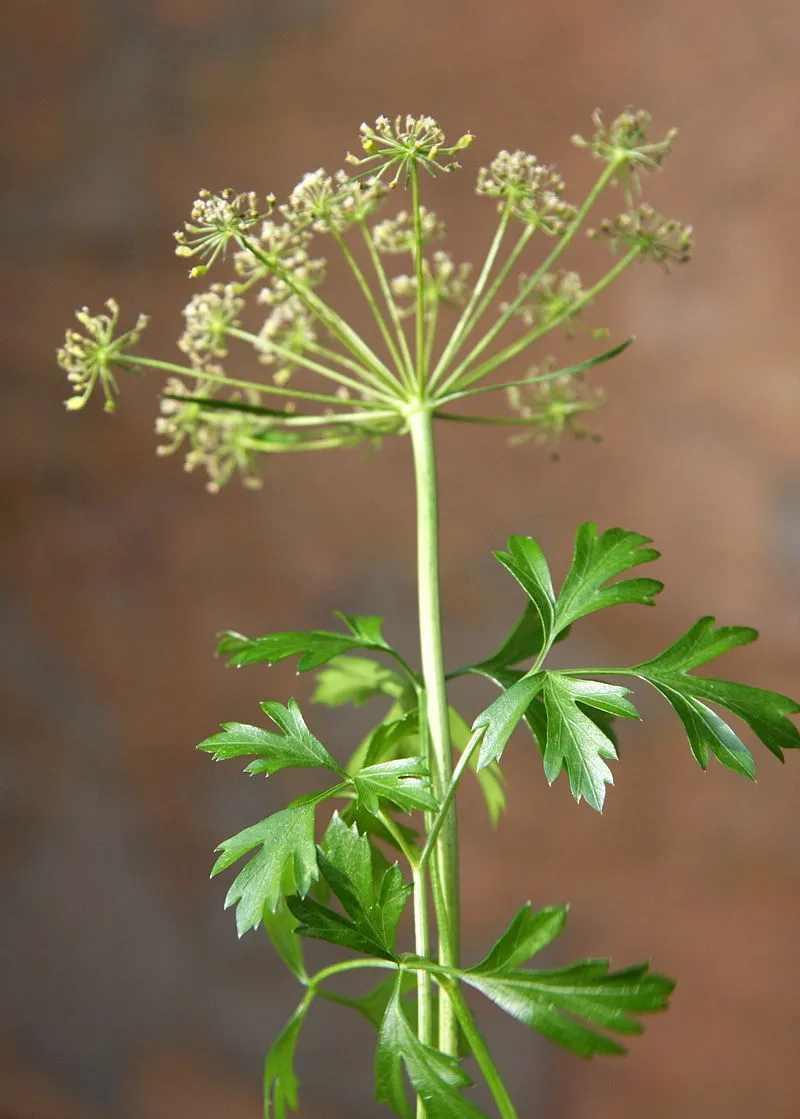
Parsley
HerbBiennial herb -- grows leaves year one, flowers year two. Hardy enough to withstand light frosts down to -5°C, parsley performs best when daytime temperatures stay between 10°C and 22°C. It needs full sun to partial shade and regular watering to keep soil consistently moist — leaves are ready for picking in about 70-90 days. Fresh leaves from your own garden taste noticeably better than store-bought — and the plant practically grows itself.
Slow to germinate (2-4 weeks). Soak seeds overnight to speed up. Can be planted 2-3 weeks before the last expected frost, giving it a head start on the growing season. Aim for about 2.5 cm of water per week, adjusting for rainfall. Organic mulch around the base helps maintain even moisture.
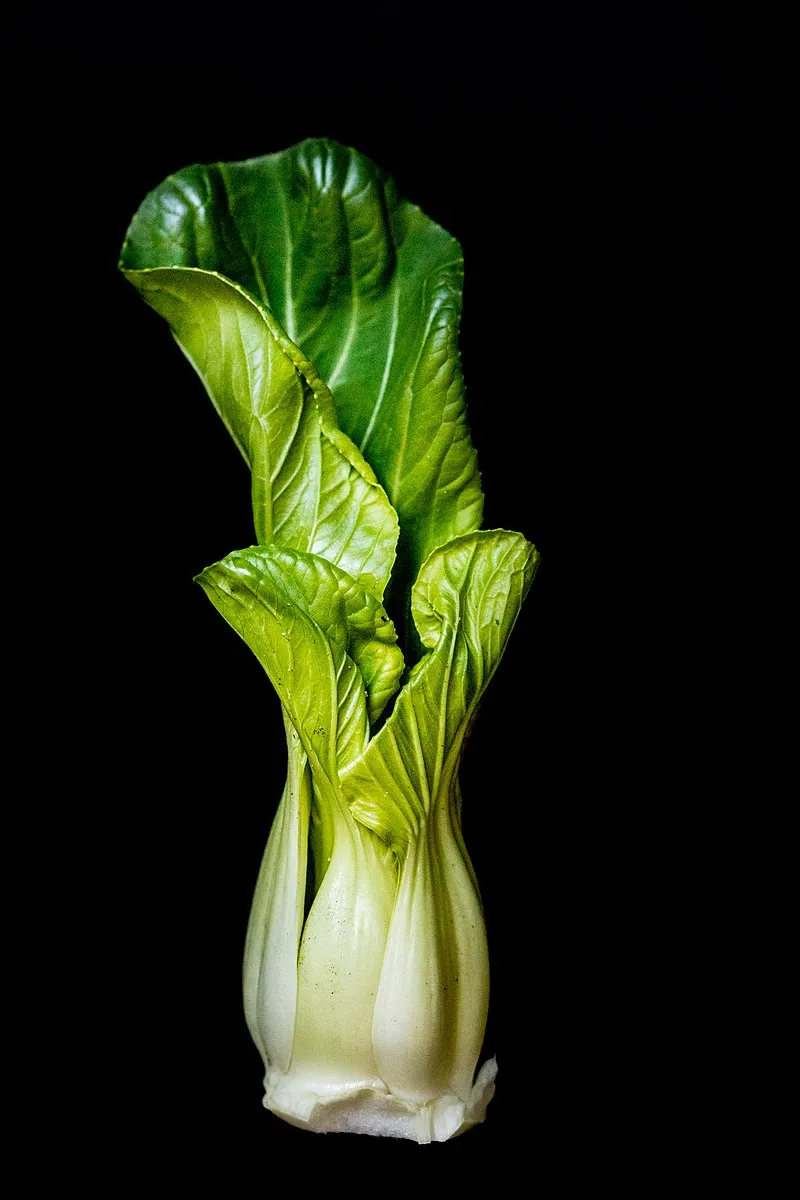
Bok Choy
VegetableFast-growing Asian green. Hardy enough to withstand light frosts down to 0°C, bok choy performs best when daytime temperatures stay between 10°C and 20°C. Give it partial shade, though it appreciates some direct light and regular watering to keep soil consistently moist, and expect to harvest in roughly 30-50 days. Widely grown in home gardens around the world, it adapts to a range of soil types and growing conditions.
Bolts in heat -- grow in spring/fall. Baby bok choy matures in 30 days. Can be planted 2-3 weeks before the last expected frost, giving it a head start on the growing season. Aim for about 2.5 cm of water per week, adjusting for rainfall. Organic mulch around the base helps maintain even moisture.
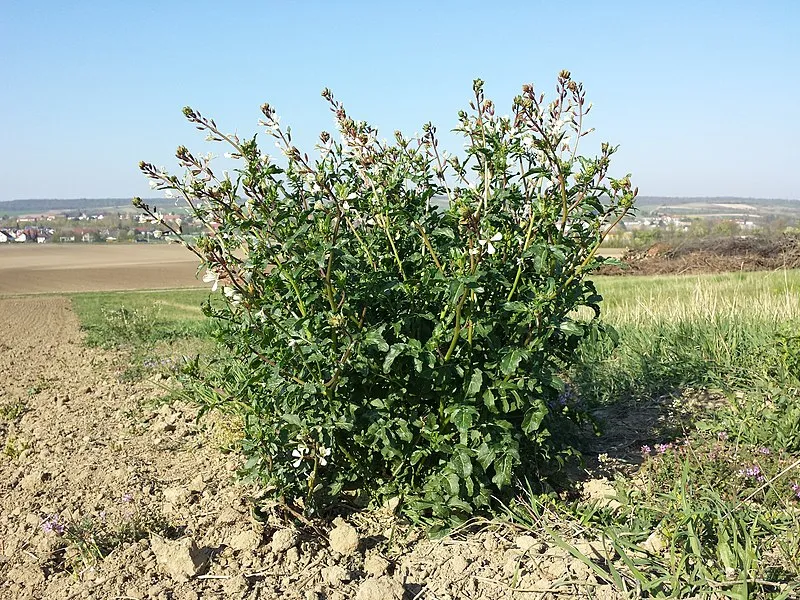
Arugula
VegetablePeppery salad green that grows fast in cool weather. Hardy enough to withstand light frosts down to 2°C, arugula performs best when daytime temperatures stay between 10°C and 18°C. Give it full sun to partial shade and regular watering to keep soil consistently moist, and expect to harvest in roughly 21-40 days. A staple of kitchen gardens and allotments, it rewards even first-time growers with a generous harvest.
Sow every 2-3 weeks for continuous harvest. Bolts quickly in heat. Can be planted 2-3 weeks before the last expected frost, giving it a head start on the growing season. Aim for about 2.5 cm of water per week, adjusting for rainfall. Organic mulch around the base helps maintain even moisture.
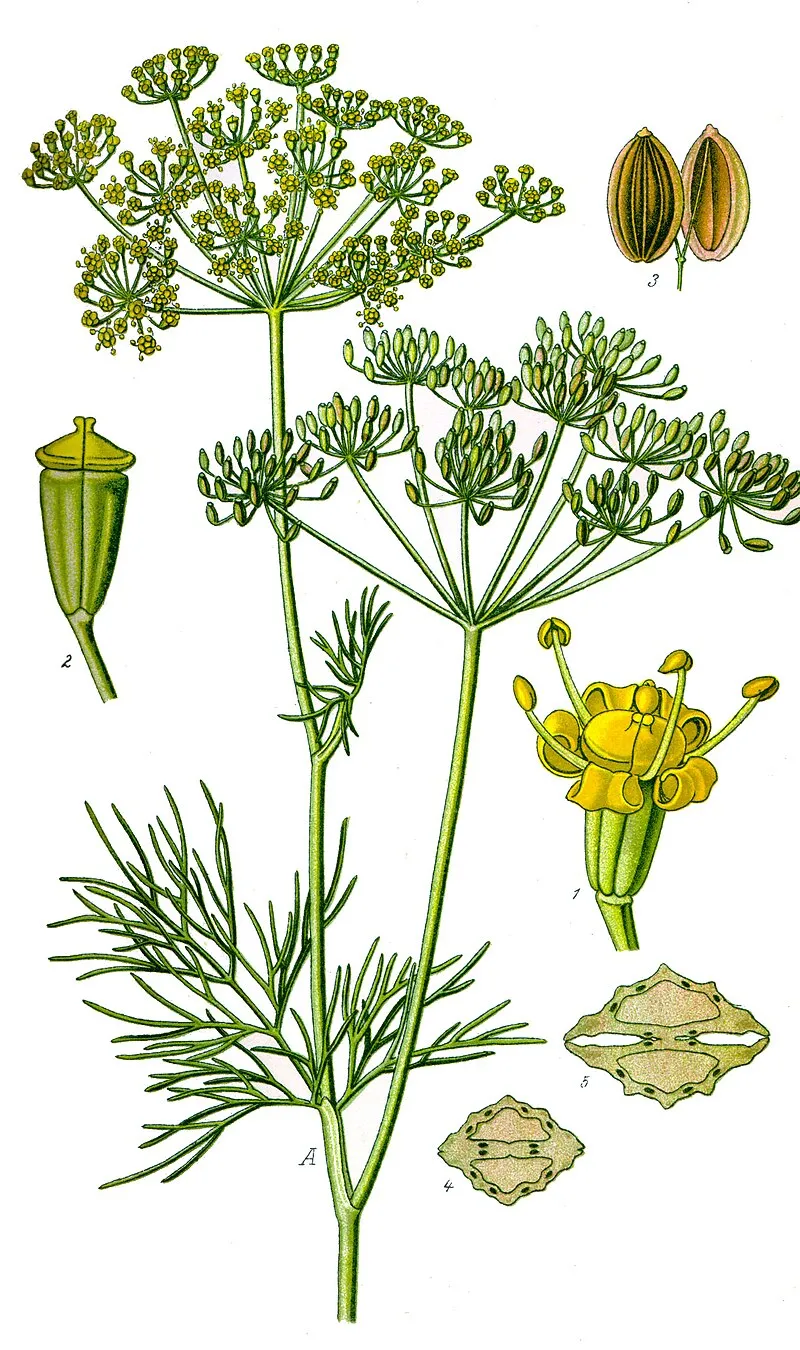
Dill
HerbFeathery herb essential for pickles, fish, and Scandinavian cooking. Hardy enough to withstand light frosts down to 2°C, dill performs best when daytime temperatures stay between 12°C and 22°C. It needs full sun (6-8 hours of direct light daily) and moderate, even watering throughout the growing season — leaves are ready for picking in about 40-60 days. An aromatic addition to any garden, it dries and freezes well for year-round use in the kitchen.
Sow directly -- doesn't transplant well. Self-seeds freely. Can be planted 2-3 weeks before the last expected frost, giving it a head start on the growing season. Water steadily but avoid soggy soil. A 5-cm layer of organic mulch helps balance moisture and suppress weeds.
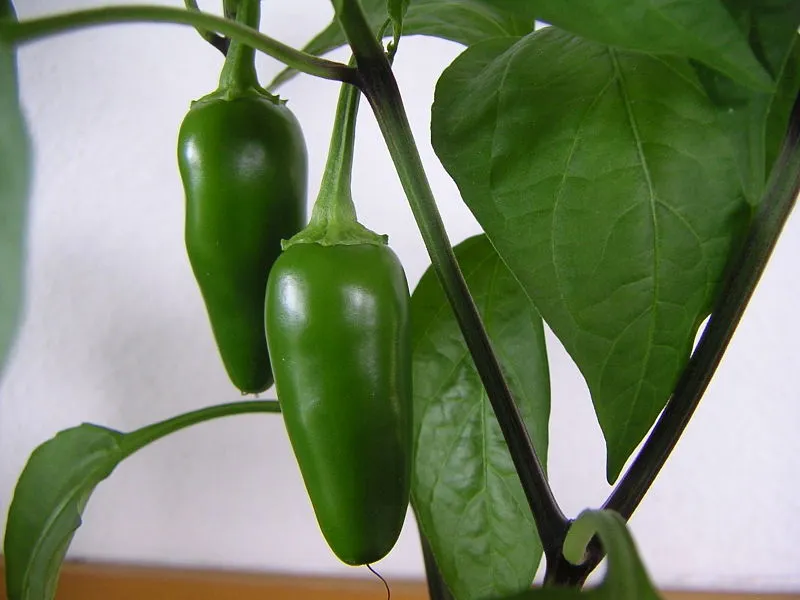
Jalapeno
VegetablePopular medium-heat chili. A warmth-loving plant that does best between 22°C and 30°C, jalapeno adapts well to tropical and subtropical conditions but cannot tolerate frost. Give it full sun (6-8 hours of direct light daily) and moderate, even watering throughout the growing season, and expect to harvest in roughly 70-80 days. Whether grown in raised beds, containers, or traditional plots, it produces well across a range of climates.
Start indoors 8 weeks before last frost. Red jalapenos are riper and hotter than green. Wait until soil warms to at least 22°C before transplanting outdoors — cold soil stunts growth and can invite root rot. Water steadily but avoid soggy soil. A 5-cm layer of organic mulch helps balance moisture and suppress weeds.
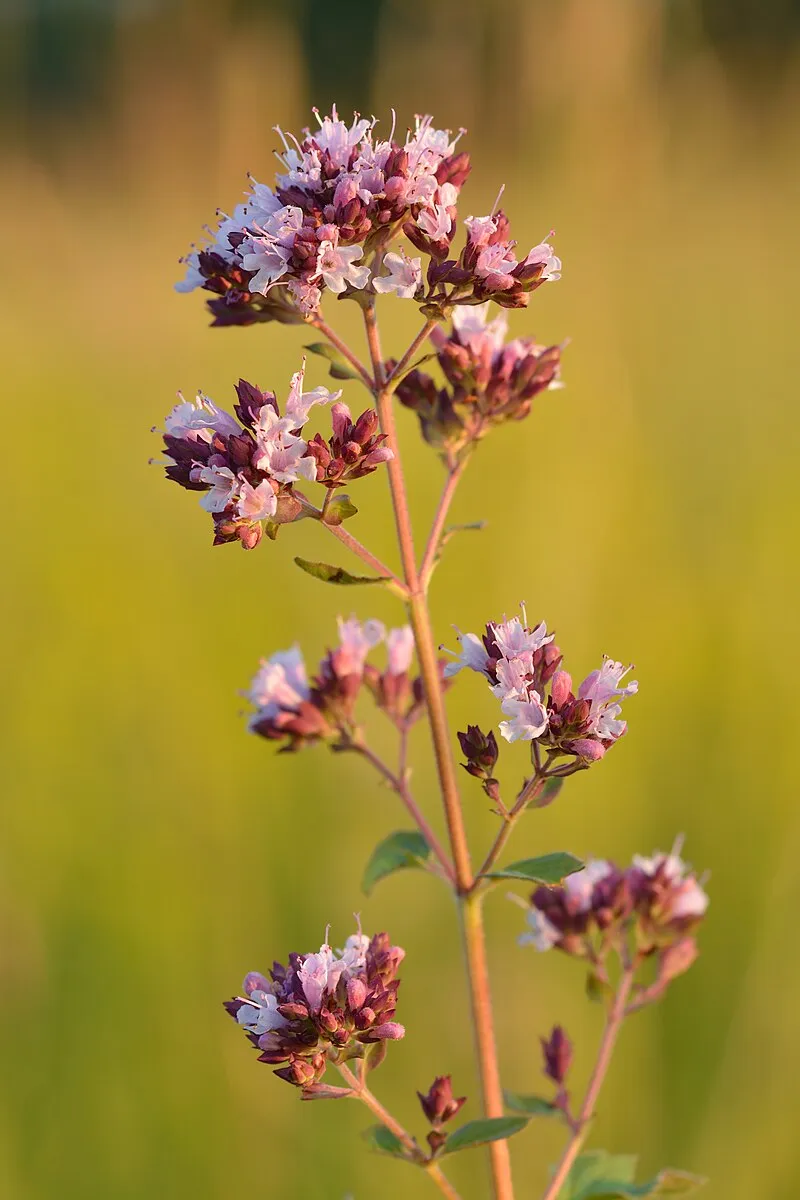
Oregano
HerbMediterranean perennial herb. Hardy enough to withstand light frosts down to -10°C, oregano performs best when daytime temperatures stay between 15°C and 25°C. It needs full sun (6-8 hours of direct light daily) and minimal watering — it prefers dry conditions between drinks — leaves are ready for picking in about 60-90 days. Fresh leaves from your own garden taste noticeably better than store-bought — and the plant practically grows itself.
Thrives in poor, dry soil. Cut back hard in spring. Can be planted 2-3 weeks before the last expected frost, giving it a head start on the growing season. Overwatering is the most common mistake. Let soil dry out between waterings and ensure drainage is excellent.
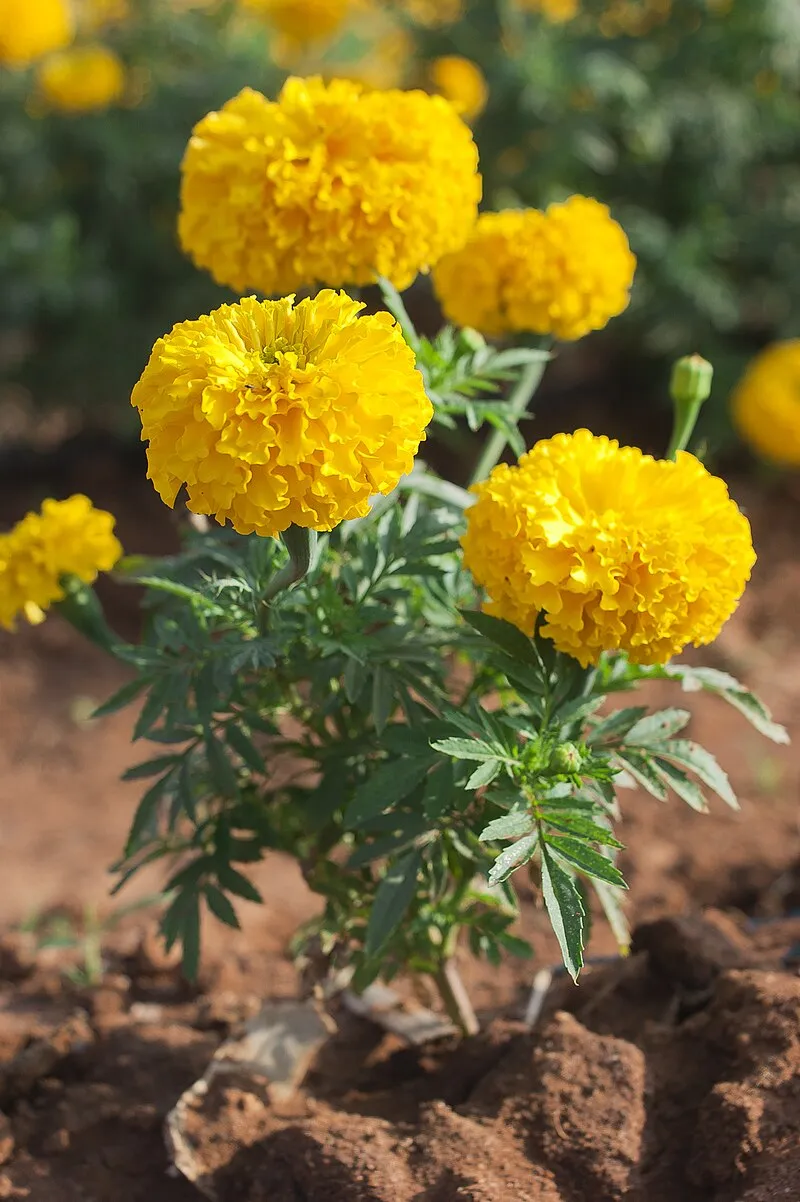
Marigold
FlowerCheerful annual that repels pests. A warmth-loving plant that does best between 18°C and 28°C, marigold adapts well to tropical and subtropical conditions but cannot tolerate frost. Plant in a spot with full sun (6-8 hours of direct light daily) and provide moderate, even watering throughout the growing season. Expect blooms in approximately 45-50 days. Adds colour and life to borders, beds, and containers from spring through autumn.
Deadhead spent flowers for continuous bloom. Plant near tomatoes. Wait until soil warms to at least 18°C before transplanting outdoors — cold soil stunts growth and can invite root rot. Water steadily but avoid soggy soil. A 5-cm layer of organic mulch helps balance moisture and suppress weeds.
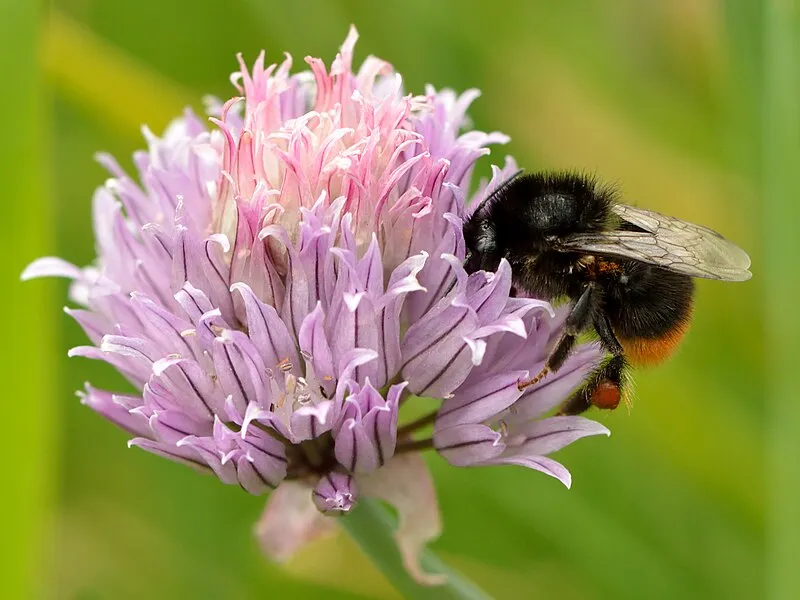
Chive
HerbHardy perennial allium. Hardy enough to withstand light frosts down to -15°C, chive performs best when daytime temperatures stay between 10°C and 22°C. It needs full sun to partial shade and regular watering to keep soil consistently moist — leaves are ready for picking in about 60-90 days. Fresh leaves from your own garden taste noticeably better than store-bought — and the plant practically grows itself.
Cut to 5cm above ground for regrowth. Divide clumps every 3 years. Can be planted 2-3 weeks before the last expected frost, giving it a head start on the growing season. Aim for about 2.5 cm of water per week, adjusting for rainfall. Organic mulch around the base helps maintain even moisture.
Frequently Asked Questions
What size pot do I need for vegetables?
Size depends on the plant. Small herbs and lettuce thrive in 6-8 inch pots. Radishes and spinach need at least 6 inches deep. Tomatoes, peppers, and eggplant need large containers — at least 5-10 gallons (12-14 inches wide). Strawberries work well in hanging baskets or strawberry pots. Always choose pots with drainage holes to prevent root rot.
Can tomatoes grow in containers?
Yes — container tomatoes are extremely popular. Choose compact or dwarf varieties like Patio, Tumbling Tom, or Tiny Tim for best results. Use a large container (at least 5 gallons) filled with quality potting mix. Container tomatoes need daily watering in hot weather and regular fertilizing since nutrients leach out quickly. Support the plant with a stake or cage.
What soil should I use for container gardening?
Use a quality potting mix (not garden soil, which compacts and drains poorly in containers). Look for mixes with perlite or vermiculite for drainage. Add slow-release fertilizer or organic compost at planting. For herbs, a mix with extra grit or perlite improves drainage. Replace potting mix every 1-2 years as it breaks down and loses structure.