Easiest Vegetables to Grow for Beginners
These 17 plants are forgiving, fast-growing, and perfect for your first garden. No green thumb required.
Quick Tips for New Gardeners
- Start small — 3-5 plants is plenty for your first season
- Choose a spot with at least 6 hours of sunlight daily
- Use quality potting mix for containers, and amend garden soil with compost
- Water consistently — most plants prefer moist (not soggy) soil
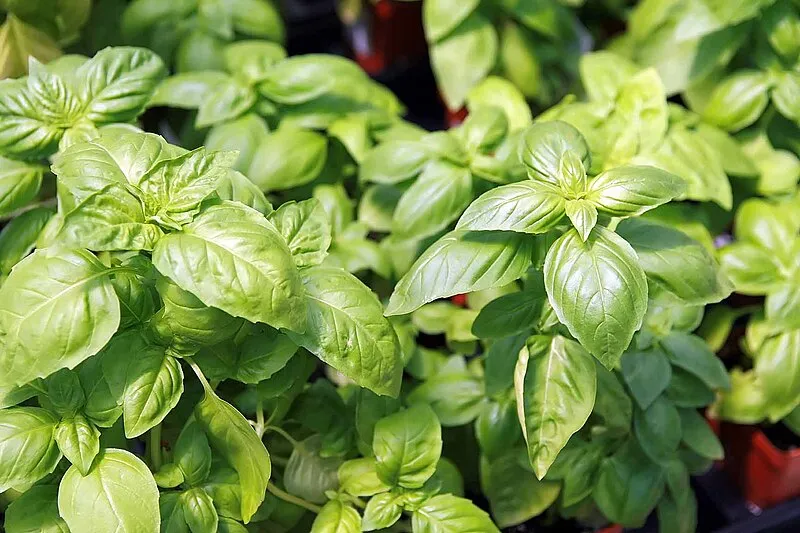
Basil
HerbEssential culinary herb with fragrant leaves. A warmth-loving plant that does best between 20°C and 30°C, basil adapts well to tropical and subtropical conditions but cannot tolerate frost. It needs full sun (6-8 hours of direct light daily) and regular watering to keep soil consistently moist — leaves are ready for picking in about 50-75 days. Valued in cuisines worldwide, it is easy to grow and rewards regular harvesting with bushier, more productive plants.
Pinch flower buds to encourage leaf growth. Harvest from top down. Wait until soil warms to at least 20°C before transplanting outdoors — cold soil stunts growth and can invite root rot. Aim for about 2.5 cm of water per week, adjusting for rainfall. Organic mulch around the base helps maintain even moisture.
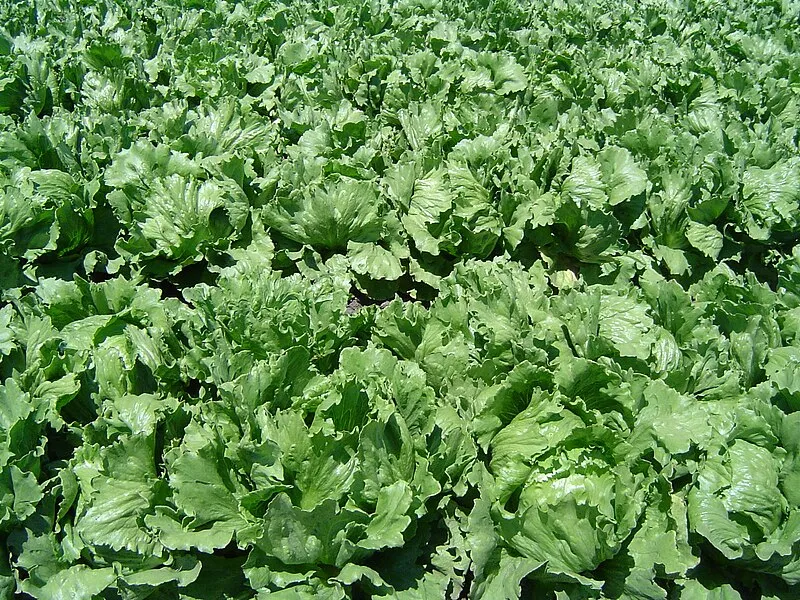
Lettuce
VegetableCool-season crop perfect for spring and fall. Hardy enough to withstand light frosts down to 2°C, lettuce performs best when daytime temperatures stay between 10°C and 20°C. Give it partial shade, though it appreciates some direct light and regular watering to keep soil consistently moist, and expect to harvest in roughly 30-60 days. Whether grown in raised beds, containers, or traditional plots, it produces well across a range of climates.
Sow successively every 2 weeks. Provide afternoon shade in warmer climates. Can be planted 2-3 weeks before the last expected frost, giving it a head start on the growing season. Aim for about 2.5 cm of water per week, adjusting for rainfall. Organic mulch around the base helps maintain even moisture.
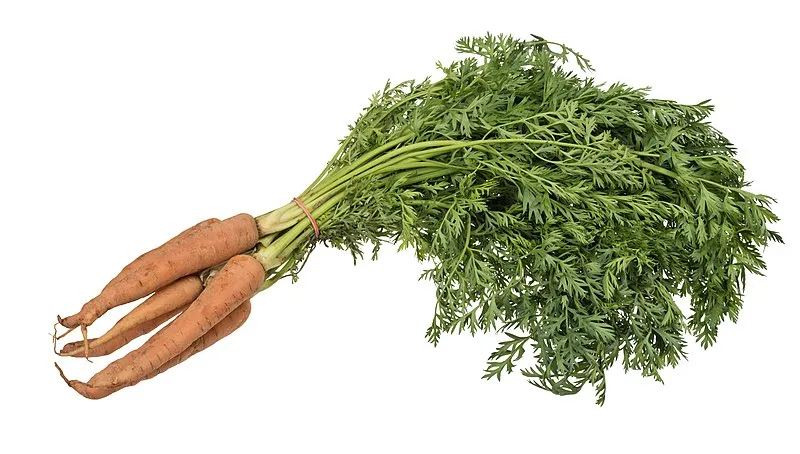
Carrot
VegetableRoot vegetable that sweetens after a light frost. Hardy enough to withstand light frosts down to 4°C, carrot performs best when daytime temperatures stay between 15°C and 24°C. Give it full sun (6-8 hours of direct light daily) and regular watering to keep soil consistently moist, and expect to harvest in roughly 70-80 days. An excellent choice for beginner and experienced gardeners alike, thanks to its forgiving growing habits.
Sow directly -- don't transplant. Thin to 5cm spacing. Can be planted 2-3 weeks before the last expected frost, giving it a head start on the growing season. Aim for about 2.5 cm of water per week, adjusting for rainfall. Organic mulch around the base helps maintain even moisture.
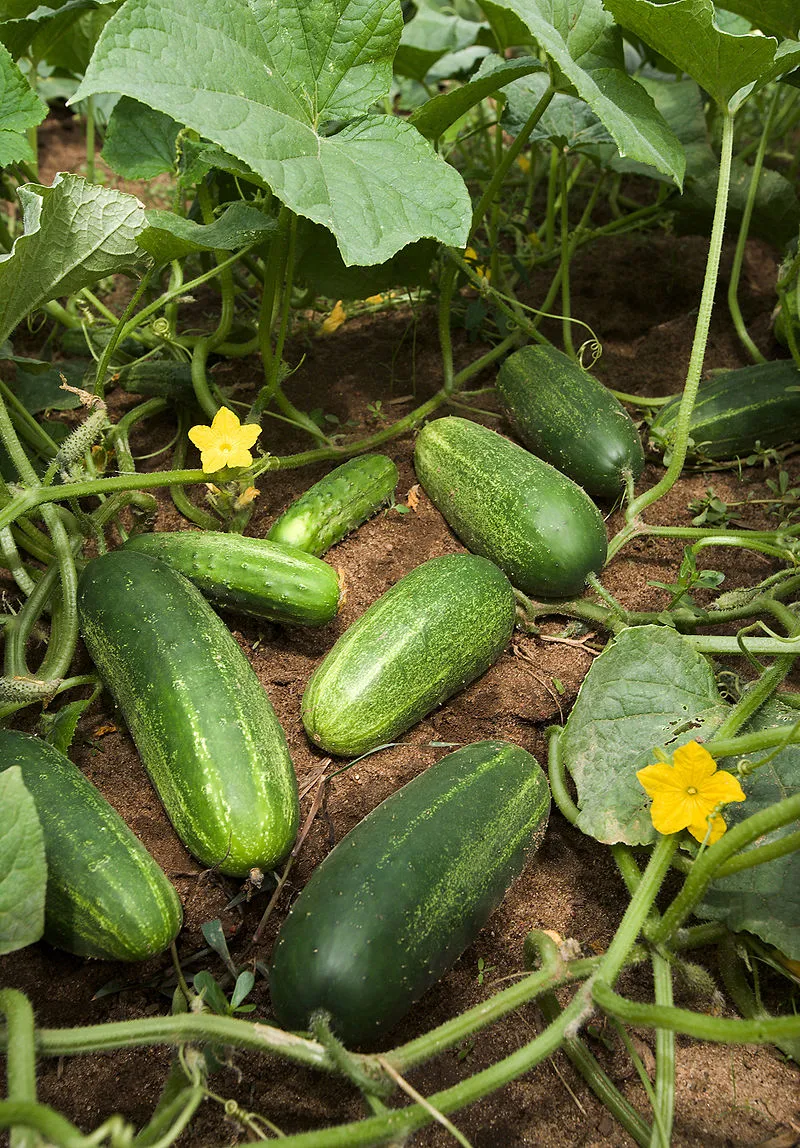
Cucumber
VegetableFast-growing vine that produces abundantly in warm weather. A warmth-loving plant that does best between 20°C and 30°C, cucumber adapts well to tropical and subtropical conditions but cannot tolerate frost. Give it full sun (6-8 hours of direct light daily) and frequent watering — it is a thirsty plant that dislikes dry soil, and expect to harvest in roughly 50-70 days. A staple of kitchen gardens and allotments, it rewards even first-time growers with a generous harvest.
Provide trellis for climbing varieties. Pick frequently to encourage production. Wait until soil warms to at least 20°C before transplanting outdoors — cold soil stunts growth and can invite root rot. Consistent moisture is critical. Mulch with straw or compost to retain soil moisture and keep roots cool during hot weather.
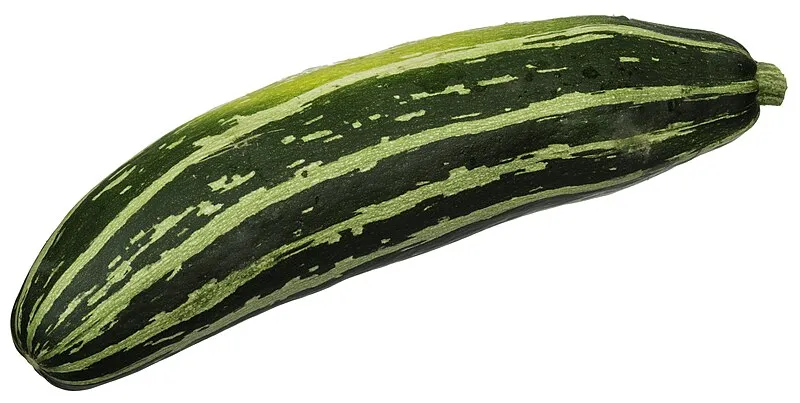
Zucchini
VegetableProlific summer squash -- one plant can feed a family. A warmth-loving plant that does best between 18°C and 27°C, zucchini adapts well to tropical and subtropical conditions but cannot tolerate frost. Give it full sun (6-8 hours of direct light daily) and regular watering to keep soil consistently moist, and expect to harvest in roughly 45-60 days. Popular with home gardeners for its reliable yields and straightforward growing requirements.
Harvest when 15-20cm long for best flavor. Check daily -- they grow fast. Wait until soil warms to at least 18°C before transplanting outdoors — cold soil stunts growth and can invite root rot. Aim for about 2.5 cm of water per week, adjusting for rainfall. Organic mulch around the base helps maintain even moisture.
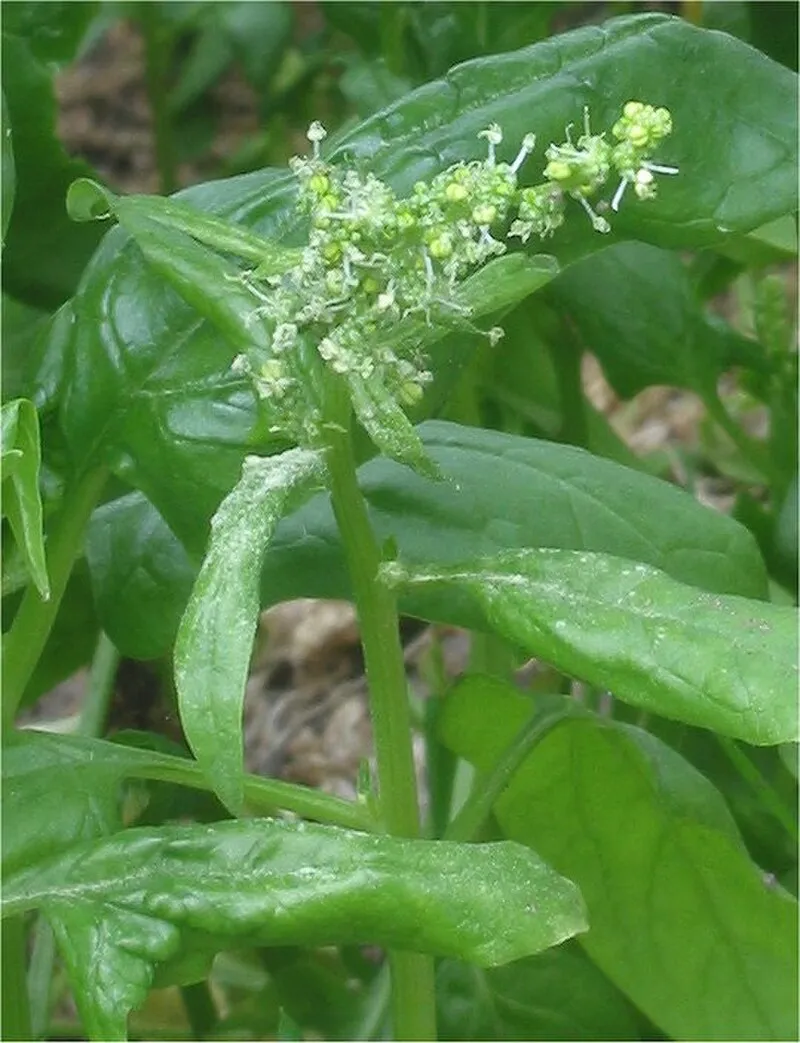
Spinach
VegetableNutrient-dense cool-season green. Hardy enough to withstand light frosts down to -5°C, spinach performs best when daytime temperatures stay between 5°C and 18°C. Give it partial shade, though it appreciates some direct light and regular watering to keep soil consistently moist, and expect to harvest in roughly 37-45 days. Whether grown in raised beds, containers, or traditional plots, it produces well across a range of climates.
Sow as soon as soil can be worked. Bolts quickly in heat -- grow in spring/fall. Can be planted 2-3 weeks before the last expected frost, giving it a head start on the growing season. Aim for about 2.5 cm of water per week, adjusting for rainfall. Organic mulch around the base helps maintain even moisture.
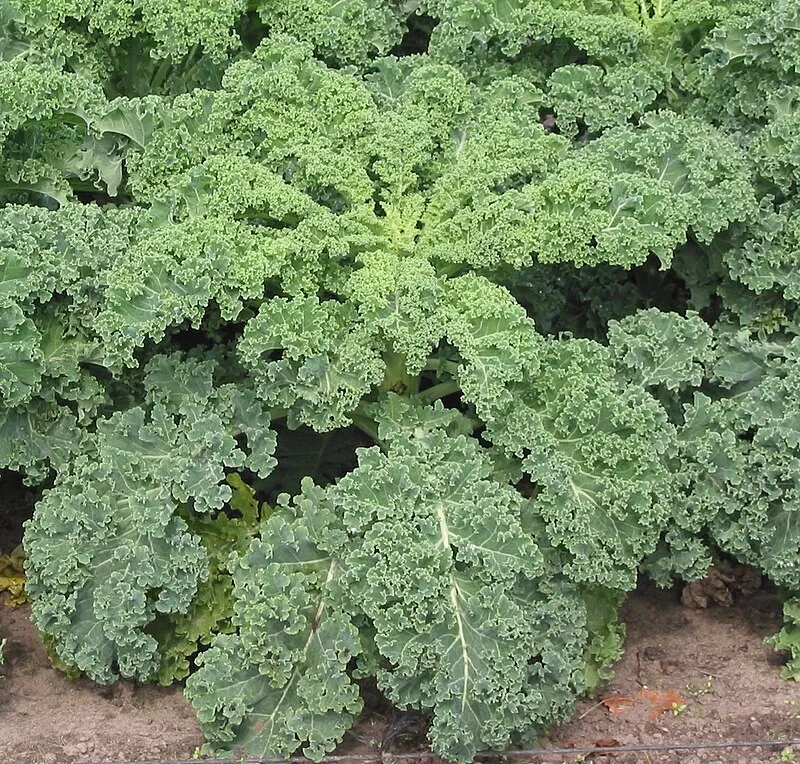
Kale
VegetableExtremely cold-hardy superfood. Hardy enough to withstand light frosts down to -10°C, kale performs best when daytime temperatures stay between 5°C and 20°C. Give it full sun to partial shade and regular watering to keep soil consistently moist, and expect to harvest in roughly 55-75 days. An excellent choice for beginner and experienced gardeners alike, thanks to its forgiving growing habits.
One of the hardiest garden crops. Can overwinter in many climates with mulch. Can be planted 2-3 weeks before the last expected frost, giving it a head start on the growing season. Aim for about 2.5 cm of water per week, adjusting for rainfall. Organic mulch around the base helps maintain even moisture.
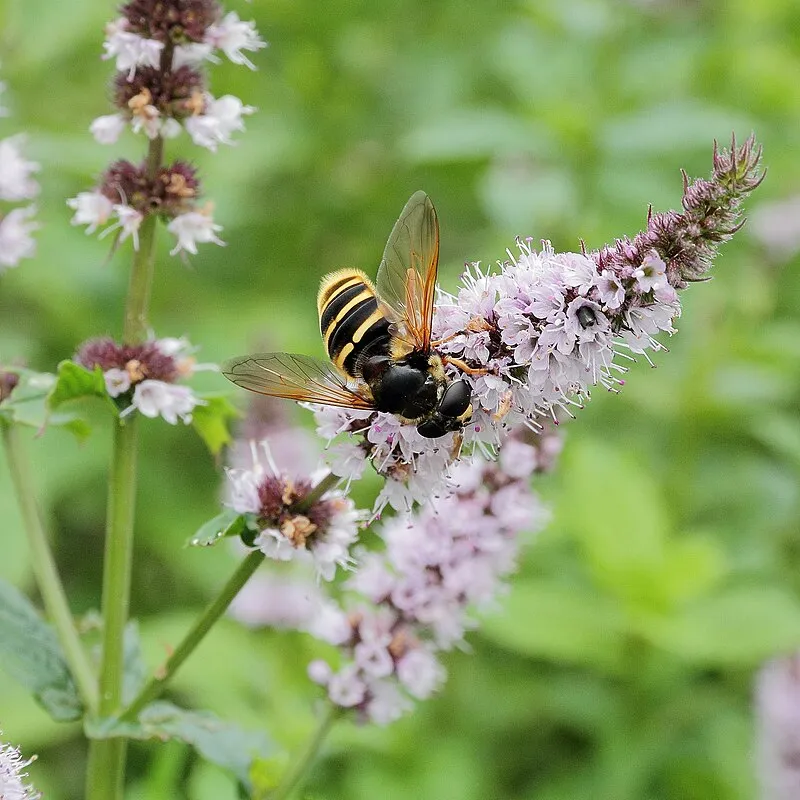
Mint
HerbVigorous herb that spreads aggressively. Remarkably adaptable, mint tolerates temperatures from -5°C to 30°C and thrives in both cool-temperate and tropical gardens. It needs partial shade, though it appreciates some direct light and regular watering to keep soil consistently moist — leaves are ready for picking in about 60-90 days. Fresh leaves from your own garden taste noticeably better than store-bought — and the plant practically grows itself.
Always grow in a pot -- it will take over your garden. Harvest often to control growth. Can be planted 2-3 weeks before the last expected frost, giving it a head start on the growing season. Aim for about 2.5 cm of water per week, adjusting for rainfall. Organic mulch around the base helps maintain even moisture.
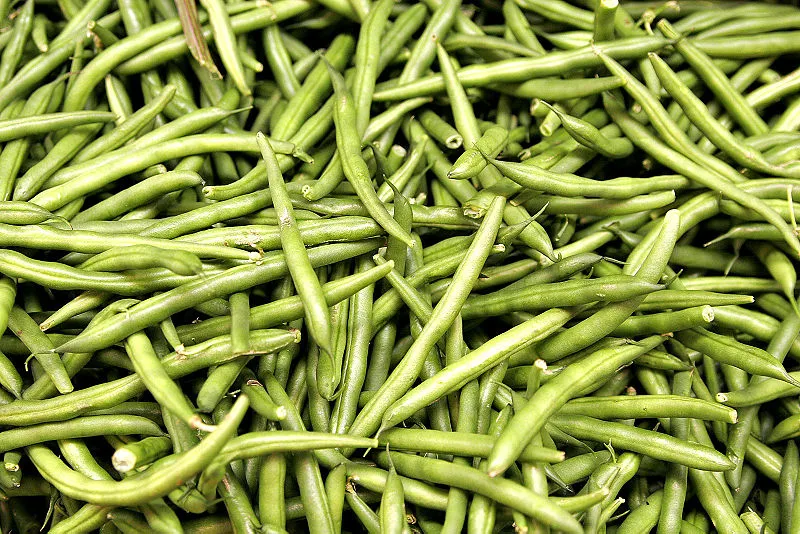
Green Bean
VegetableEasy warm-season crop. A warmth-loving plant that does best between 18°C and 27°C, green bean adapts well to tropical and subtropical conditions but cannot tolerate frost. Give it full sun (6-8 hours of direct light daily) and regular watering to keep soil consistently moist, and expect to harvest in roughly 50-60 days. Whether grown in raised beds, containers, or traditional plots, it produces well across a range of climates.
Sow directly after last frost. Pick frequently to keep plants producing. Wait until soil warms to at least 18°C before transplanting outdoors — cold soil stunts growth and can invite root rot. Aim for about 2.5 cm of water per week, adjusting for rainfall. Organic mulch around the base helps maintain even moisture.
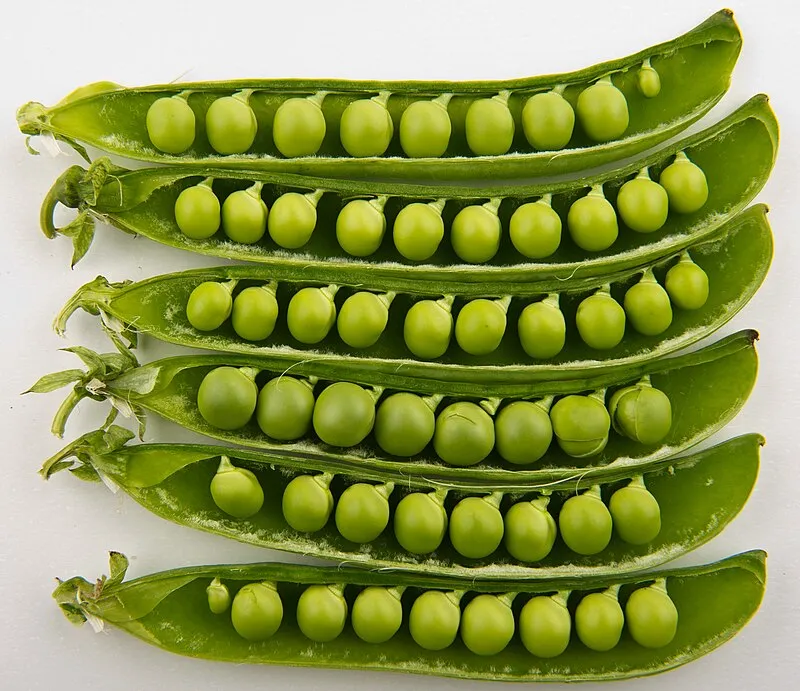
Pea
VegetableCool-season climber. Hardy enough to withstand light frosts down to -2°C, pea performs best when daytime temperatures stay between 8°C and 18°C. Give it full sun (6-8 hours of direct light daily) and regular watering to keep soil consistently moist, and expect to harvest in roughly 55-70 days. An excellent choice for beginner and experienced gardeners alike, thanks to its forgiving growing habits.
Inoculate seeds with nitrogen-fixing bacteria. Provide support for climbing varieties. Can be planted 2-3 weeks before the last expected frost, giving it a head start on the growing season. Aim for about 2.5 cm of water per week, adjusting for rainfall. Organic mulch around the base helps maintain even moisture.
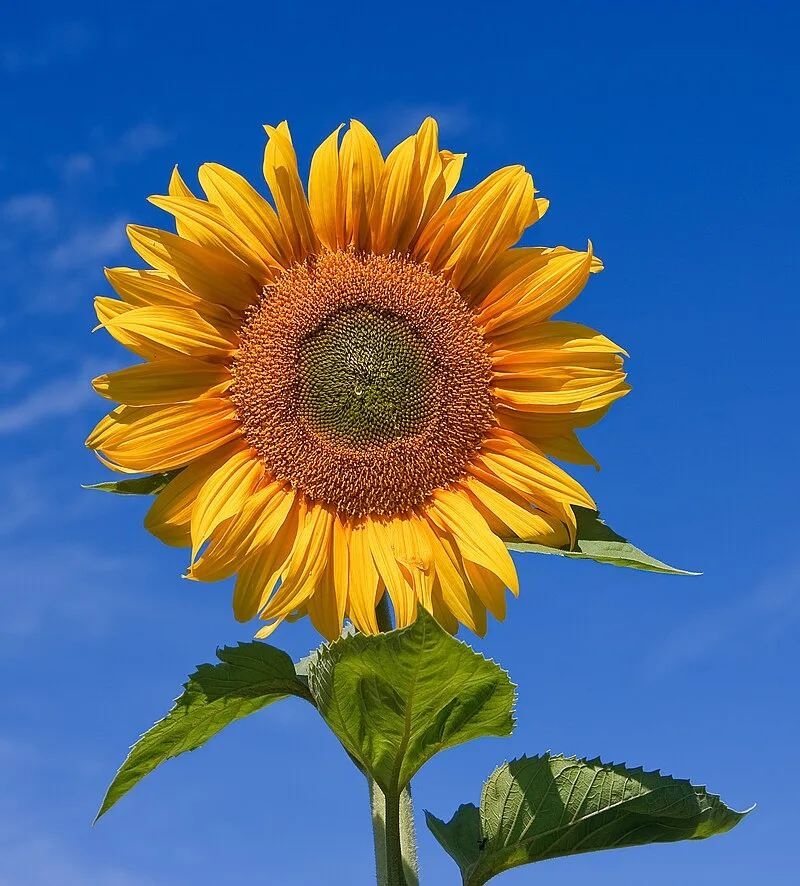
Sunflower
FlowerIconic warm-season flower. A warmth-loving plant that does best between 18°C and 28°C, sunflower adapts well to tropical and subtropical conditions but cannot tolerate frost. Plant in a spot with full sun (6-8 hours of direct light daily) and provide moderate, even watering throughout the growing season. Expect blooms in approximately 70-100 days. Valued as much for its cut-flower potential as for its garden presence — stems last well in a vase.
Sow directly -- taproots don't transplant well. Great for kids to grow. Wait until soil warms to at least 18°C before transplanting outdoors — cold soil stunts growth and can invite root rot. Water steadily but avoid soggy soil. A 5-cm layer of organic mulch helps balance moisture and suppress weeds.
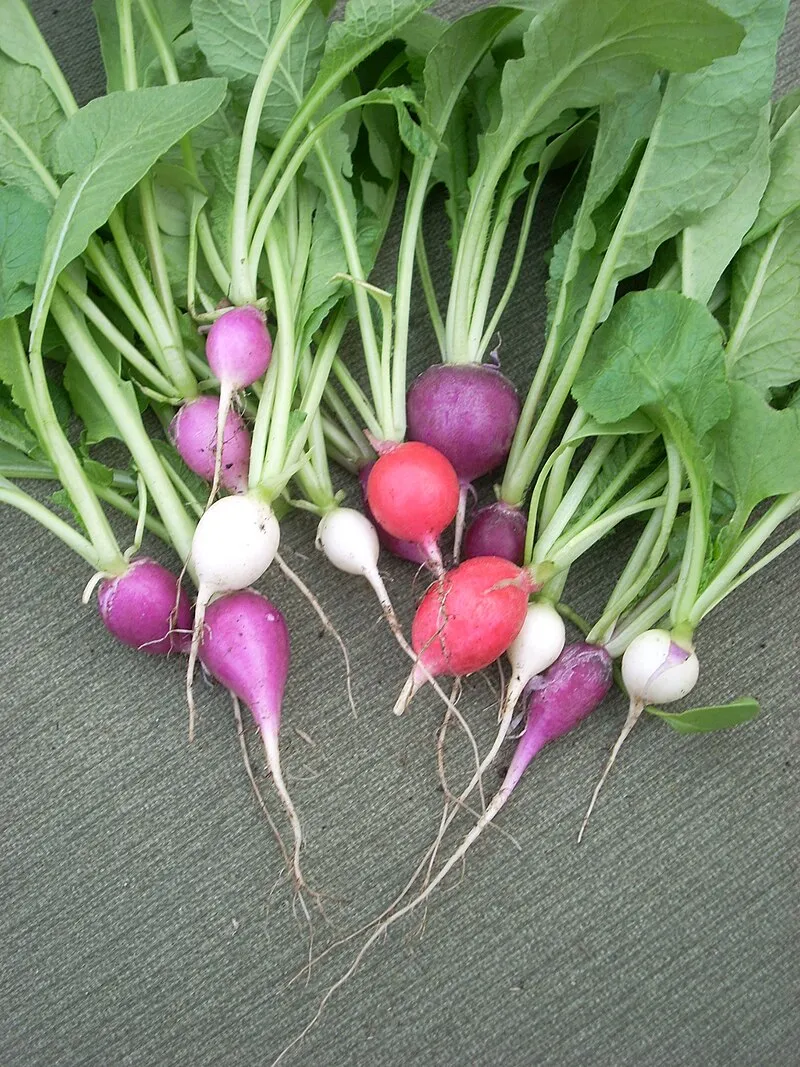
Radish
VegetableThe fastest vegetable -- harvest in as little as 3 weeks. Hardy enough to withstand light frosts down to 2°C, radish performs best when daytime temperatures stay between 10°C and 18°C. Give it full sun (6-8 hours of direct light daily) and regular watering to keep soil consistently moist, and expect to harvest in roughly 22-30 days. Popular with home gardeners for its reliable yields and straightforward growing requirements.
Sow directly. Don't let soil dry out or roots will be pithy. Can be planted 2-3 weeks before the last expected frost, giving it a head start on the growing season. Aim for about 2.5 cm of water per week, adjusting for rainfall. Organic mulch around the base helps maintain even moisture.
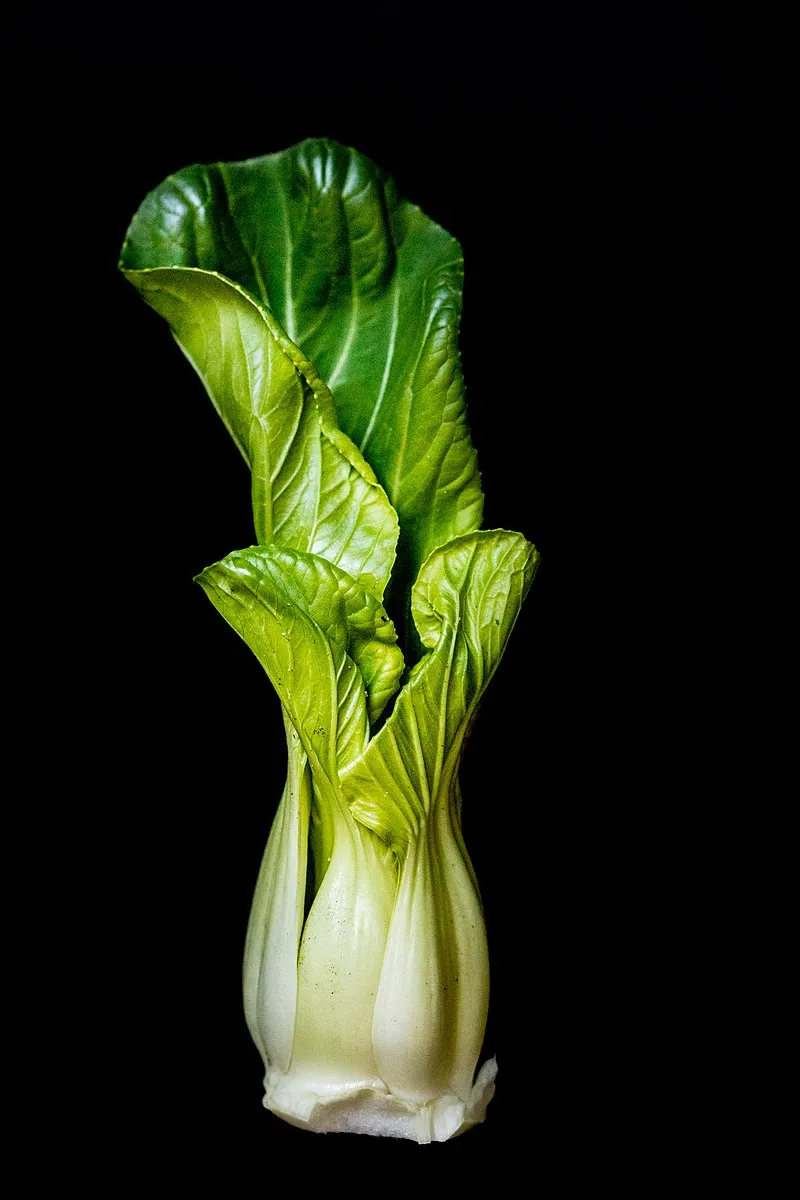
Bok Choy
VegetableFast-growing Asian green. Hardy enough to withstand light frosts down to 0°C, bok choy performs best when daytime temperatures stay between 10°C and 20°C. Give it partial shade, though it appreciates some direct light and regular watering to keep soil consistently moist, and expect to harvest in roughly 30-50 days. Widely grown in home gardens around the world, it adapts to a range of soil types and growing conditions.
Bolts in heat -- grow in spring/fall. Baby bok choy matures in 30 days. Can be planted 2-3 weeks before the last expected frost, giving it a head start on the growing season. Aim for about 2.5 cm of water per week, adjusting for rainfall. Organic mulch around the base helps maintain even moisture.
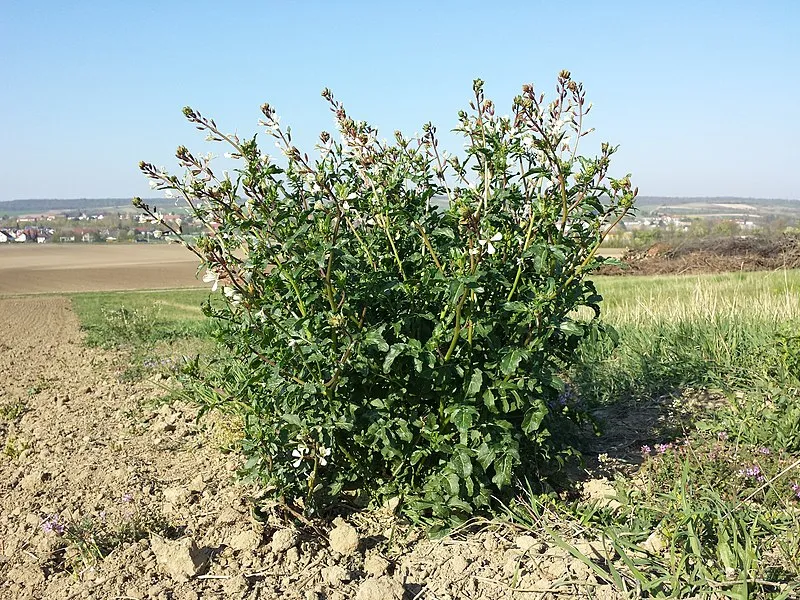
Arugula
VegetablePeppery salad green that grows fast in cool weather. Hardy enough to withstand light frosts down to 2°C, arugula performs best when daytime temperatures stay between 10°C and 18°C. Give it full sun to partial shade and regular watering to keep soil consistently moist, and expect to harvest in roughly 21-40 days. A staple of kitchen gardens and allotments, it rewards even first-time growers with a generous harvest.
Sow every 2-3 weeks for continuous harvest. Bolts quickly in heat. Can be planted 2-3 weeks before the last expected frost, giving it a head start on the growing season. Aim for about 2.5 cm of water per week, adjusting for rainfall. Organic mulch around the base helps maintain even moisture.
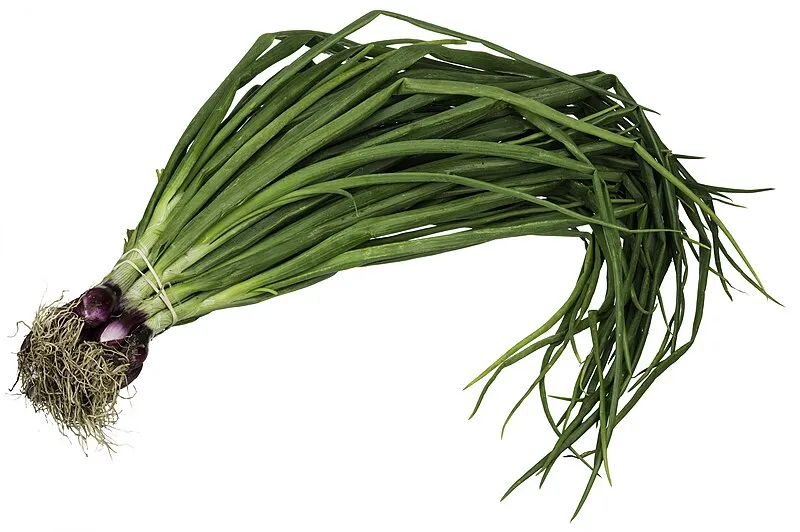
Green Onion
VegetableQuick-growing allium. Remarkably adaptable, green onion tolerates temperatures from -2°C to 28°C and thrives in both cool-temperate and tropical gardens. Give it full sun (6-8 hours of direct light daily) and regular watering to keep soil consistently moist, and expect to harvest in roughly 20-30 days. Popular with home gardeners for its reliable yields and straightforward growing requirements.
Can regrow from store-bought roots in water. Succession plant every 2 weeks. Can be planted 2-3 weeks before the last expected frost, giving it a head start on the growing season. Aim for about 2.5 cm of water per week, adjusting for rainfall. Organic mulch around the base helps maintain even moisture.
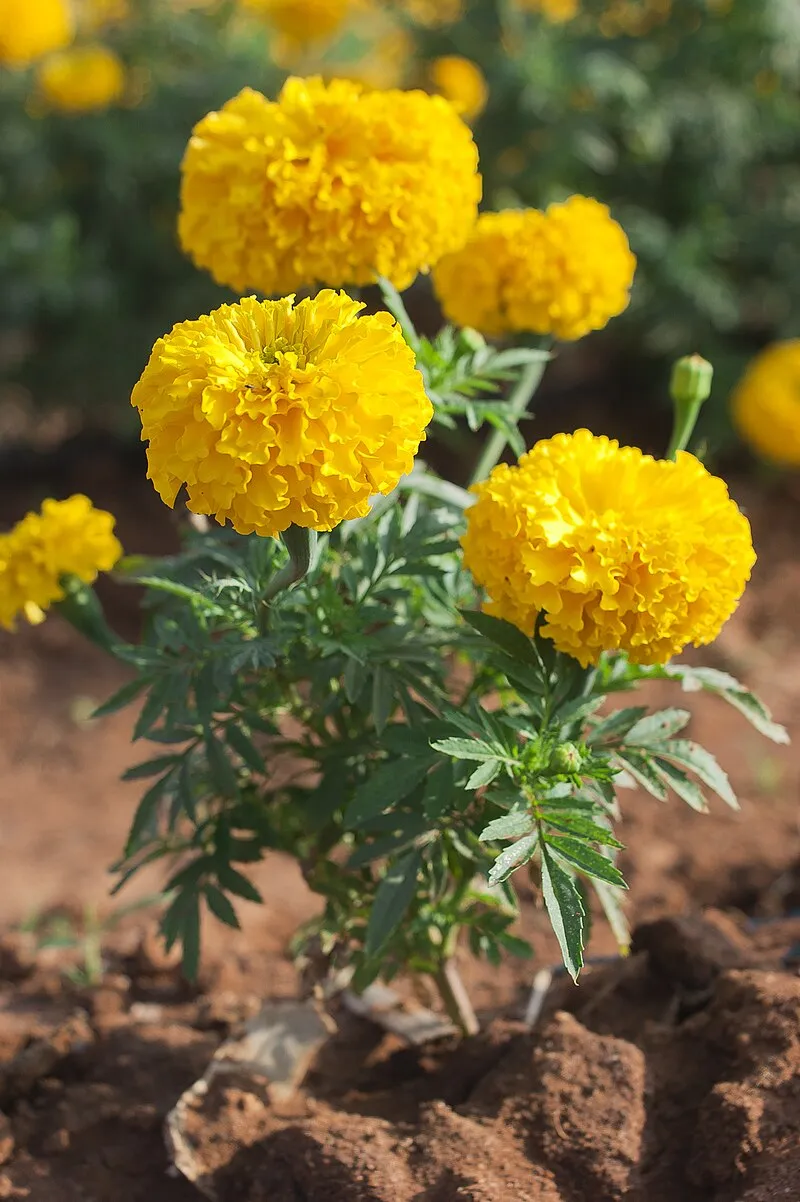
Marigold
FlowerCheerful annual that repels pests. A warmth-loving plant that does best between 18°C and 28°C, marigold adapts well to tropical and subtropical conditions but cannot tolerate frost. Plant in a spot with full sun (6-8 hours of direct light daily) and provide moderate, even watering throughout the growing season. Expect blooms in approximately 45-50 days. Adds colour and life to borders, beds, and containers from spring through autumn.
Deadhead spent flowers for continuous bloom. Plant near tomatoes. Wait until soil warms to at least 18°C before transplanting outdoors — cold soil stunts growth and can invite root rot. Water steadily but avoid soggy soil. A 5-cm layer of organic mulch helps balance moisture and suppress weeds.
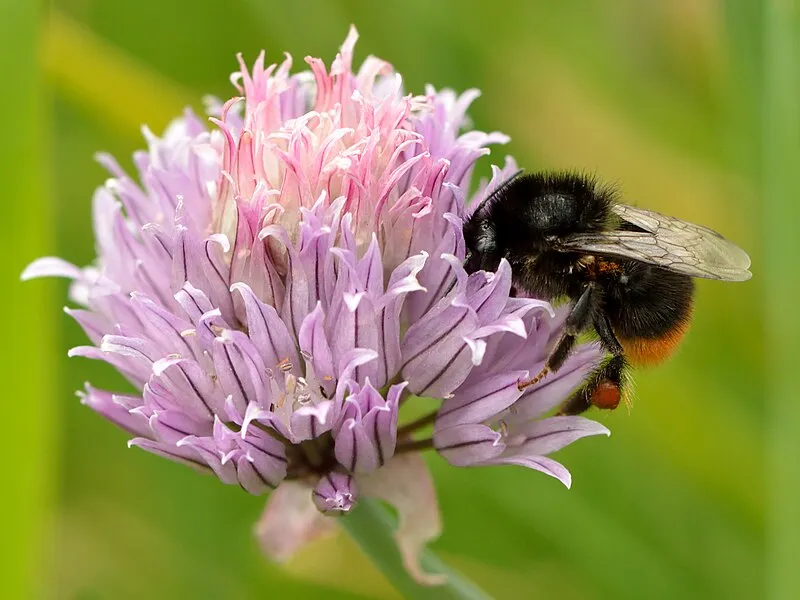
Chive
HerbHardy perennial allium. Hardy enough to withstand light frosts down to -15°C, chive performs best when daytime temperatures stay between 10°C and 22°C. It needs full sun to partial shade and regular watering to keep soil consistently moist — leaves are ready for picking in about 60-90 days. Fresh leaves from your own garden taste noticeably better than store-bought — and the plant practically grows itself.
Cut to 5cm above ground for regrowth. Divide clumps every 3 years. Can be planted 2-3 weeks before the last expected frost, giving it a head start on the growing season. Aim for about 2.5 cm of water per week, adjusting for rainfall. Organic mulch around the base helps maintain even moisture.
Frequently Asked Questions
What is the easiest vegetable to grow?
Radishes are widely considered the easiest vegetable to grow. They germinate in 3-5 days, are ready to harvest in just 22-30 days, and tolerate cool weather. Lettuce, arugula, and green onions are also extremely beginner-friendly with quick harvests and minimal care requirements.
When should beginners start a garden?
Most beginners should start in spring, after the last frost date for their area. Begin with cool-weather crops like lettuce, spinach, and radishes 2-4 weeks before the last frost. Wait until after the last frost for warm-season crops like basil, zucchini, and cucumbers. Use GrowByCity to find your city's specific frost dates.
Do I need a big garden to grow vegetables?
No. Many beginner-friendly plants grow well in containers on a balcony or patio. Herbs like basil, mint, and chives thrive in small pots. Lettuce, radishes, and green onions grow well in window boxes. Even zucchini and cucumbers can grow in large containers with support.
How often should beginners water their garden?
Most vegetable gardens need about 1 inch of water per week, either from rain or watering. Water deeply 2-3 times per week rather than lightly every day. Water in the morning to reduce disease. Check soil moisture by sticking your finger 1 inch deep — if dry, it's time to water.
What tools do beginners need to start gardening?
Start with the basics: a hand trowel, garden fork, watering can or hose with a gentle spray nozzle, and gardening gloves. For container gardening, you just need pots with drainage holes, potting mix, and a watering can. You can always add more tools as you gain experience.