Step-by-Step Growing Guide
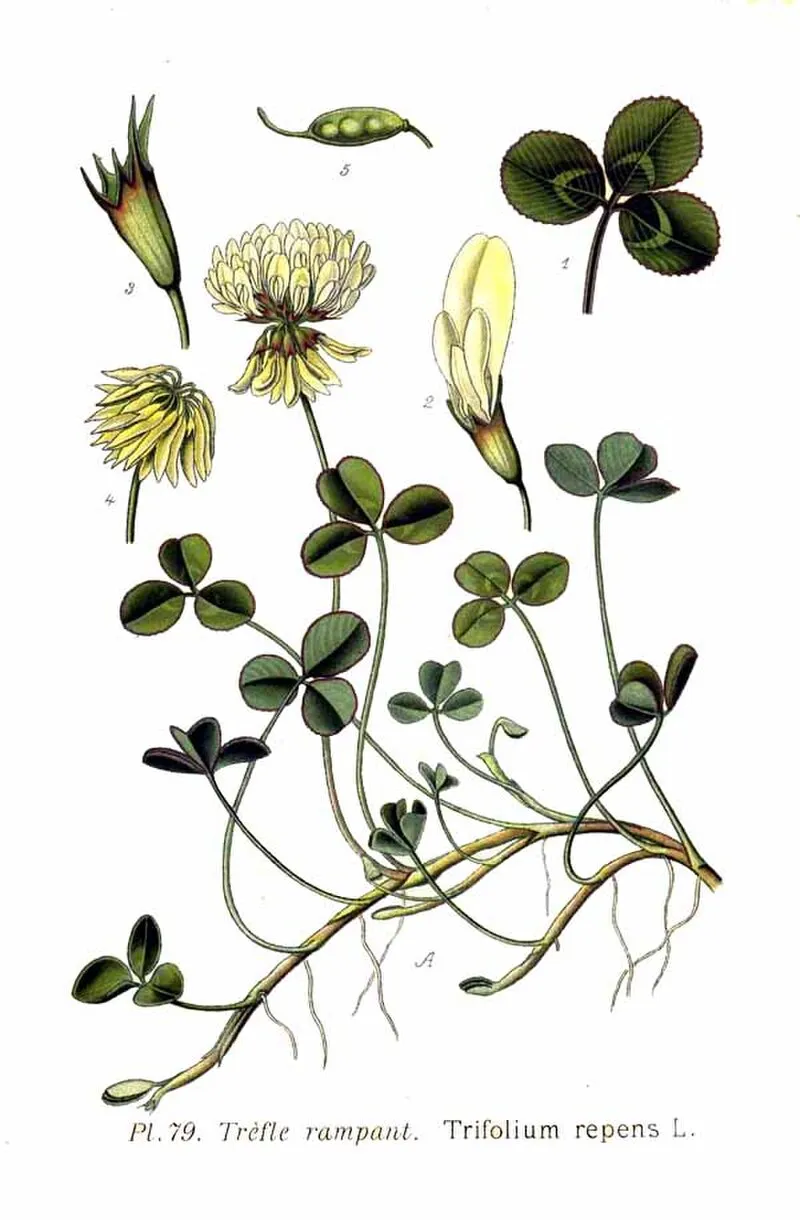
Clover (Trifolium repens for white, T. pratense for red) is one of the most ecologically valuable plants in the home garden — it fixes nitrogen at rates of 100–200 pounds per acre annually, feeds pollinators throughout its long bloom period, and outcompetes weeds. Sow in early spring or fall by broadcasting seed over a prepared seedbed and raking in lightly — seeds need contact with soil but minimal covering (1/8 inch). pH of 6.0–7.0 is ideal; in acidic soils, lime to at least 6.0 for effective nitrogen fixation via Rhizobium bacteria. Inoculate seed with clover-specific Rhizobium if planting in a new area. No fertilizer is needed. Mow to 3–4 inches periodically to stimulate fresh growth and more flowers. As a lawn alternative, white clover is established by overseeding into existing grass at a rate of 2 oz per 1,000 sq ft. As a cover crop, turn in when 30–40% of the top growth has flowered for maximum nitrogen release.