Step-by-Step Growing Guide
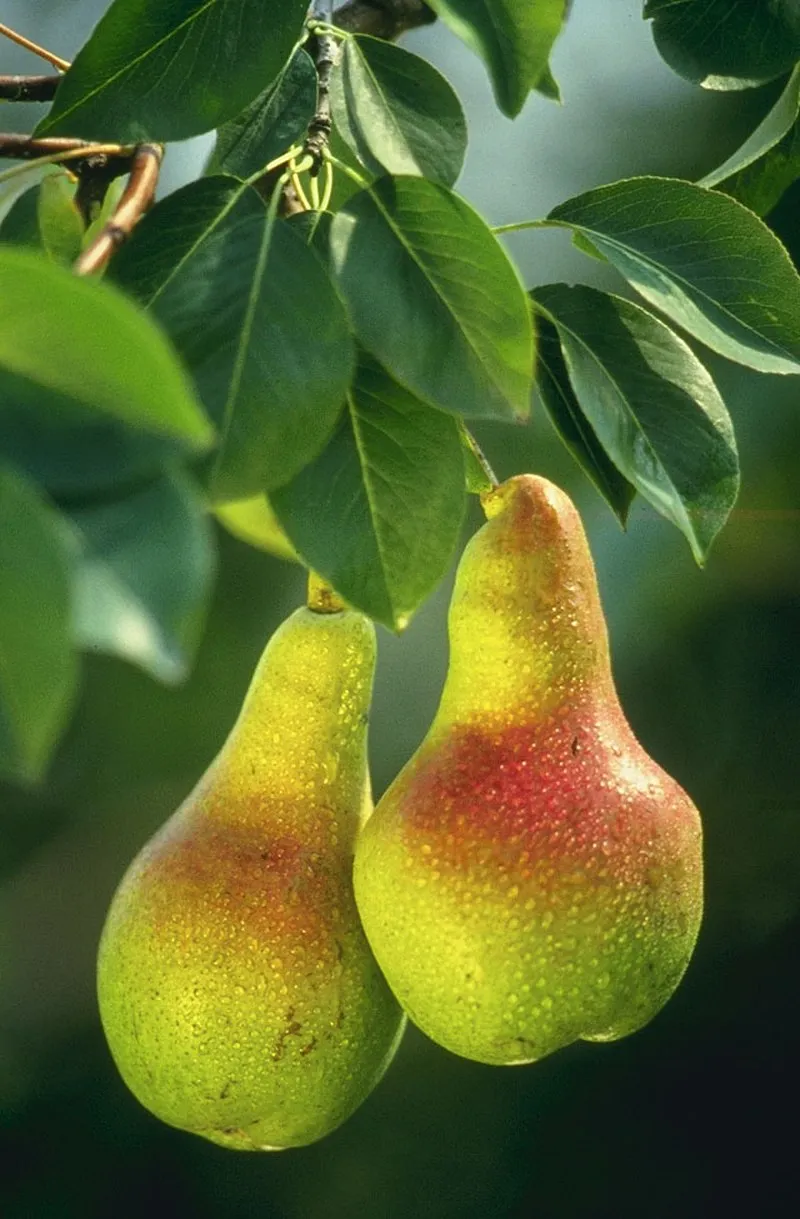
Pears (Pyrus communis for European, P. pyrifolia for Asian types) are long-lived, productive trees requiring deep, fertile, well-drained soil at pH 6.0–6.5 and full sun with good airflow. Most European pears require cross-pollination — plant two compatible varieties or ensure a neighbor has a pear tree within 100 m. Asian pears are typically more self-fertile. Plant bare-root stock in late winter, setting trees slightly higher than in the nursery row to allow for settling. The key cultural distinction from apples: European pears must be harvested before they are fully ripe. If left on the tree until fully ripe, they become mealy and brown-centered (a process called internal breakdown). Harvest when the fruit separates easily from the spur with a gentle upward twist, then ripen indoors at room temperature. Water young trees regularly; established trees need irrigation only during fruit swell. Fertilize annually with a balanced fertilizer containing potassium in early spring. Train as a central leader for efficient light use.