Step-by-Step Growing Guide
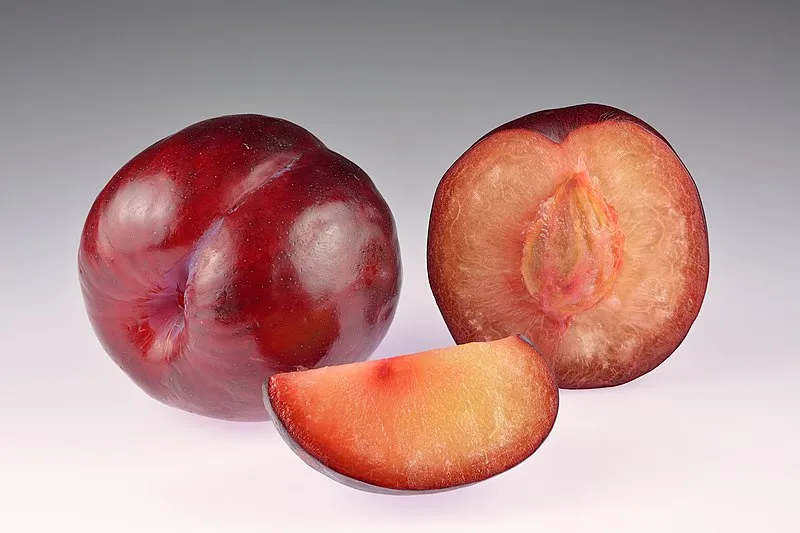
Plums divide into two main groups: European plums (Prunus domestica — including damsons and greengages) and Japanese plums (P. salicina), which have quite different cultural requirements. European plums prefer heavier, moister, more fertile soil at pH 6.0–6.5 and require less summer heat to ripen; Japanese plums prefer lighter, better-drained soil and need more summer warmth. Both require full sun. Most Japanese plums need a cross-pollinator of a compatible variety; European plums vary from self-fertile to requiring pollination partners. Plant bare-root in late winter or containers in spring. Space standard trees 4–5 m apart; semi-dwarfs 3 m. Plums on the heavy, fertile soils they prefer can be vigorous — summer pruning (in July/August to reduce disease risk from silver leaf fungus) is preferred over winter pruning to maintain size. Water during dry spells, especially during fruit swelling. Thin Japanese plum fruits to 8–10 cm spacing for larger fruit.