Step-by-Step Growing Guide
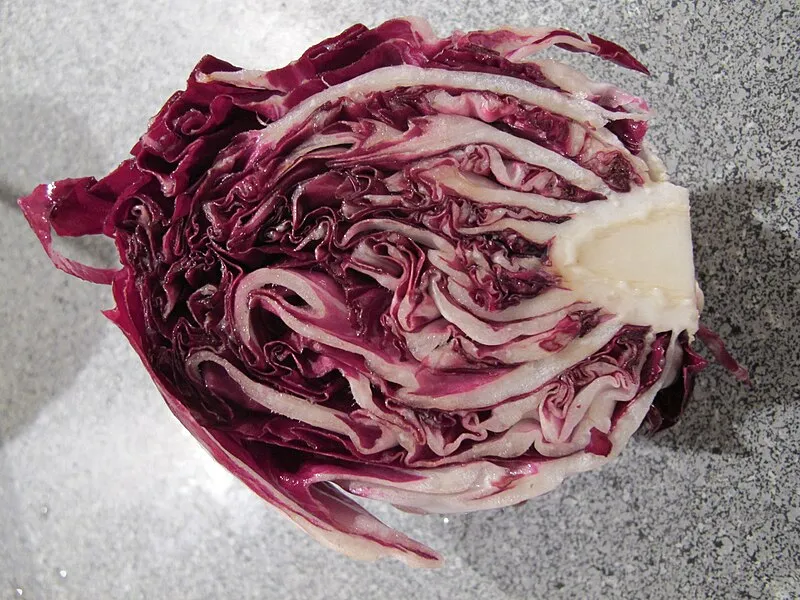
Radicchio (Cichorium intybus) is a chicory that requires a specific growing approach to develop its signature red-and-white coloration and manageable bitterness. Sow seeds 5–8 mm deep in midsummer (June–July in the northern hemisphere) for a fall and winter crop — early spring plantings typically fail as heat prevents head formation and increases bitterness unbearably. Transplant seedlings to final positions at 25–30 cm spacing in fertile, moisture-retentive but well-drained soil at pH 6.0–7.0. Water consistently through the summer growth period. As temperatures drop in fall (below 10°C is ideal), the characteristic red pigmentation develops in what was previously green-tinged foliage — this cold-triggered anthocyanin production is the defining feature of radicchio quality. The Chioggia types form tight, cabbage-like heads; Treviso types form elongated, romaine-like heads. Some growers cut back the outer leaves in early fall to force new, tighter, more intensely colored heads to reform.