Step-by-Step Growing Guide
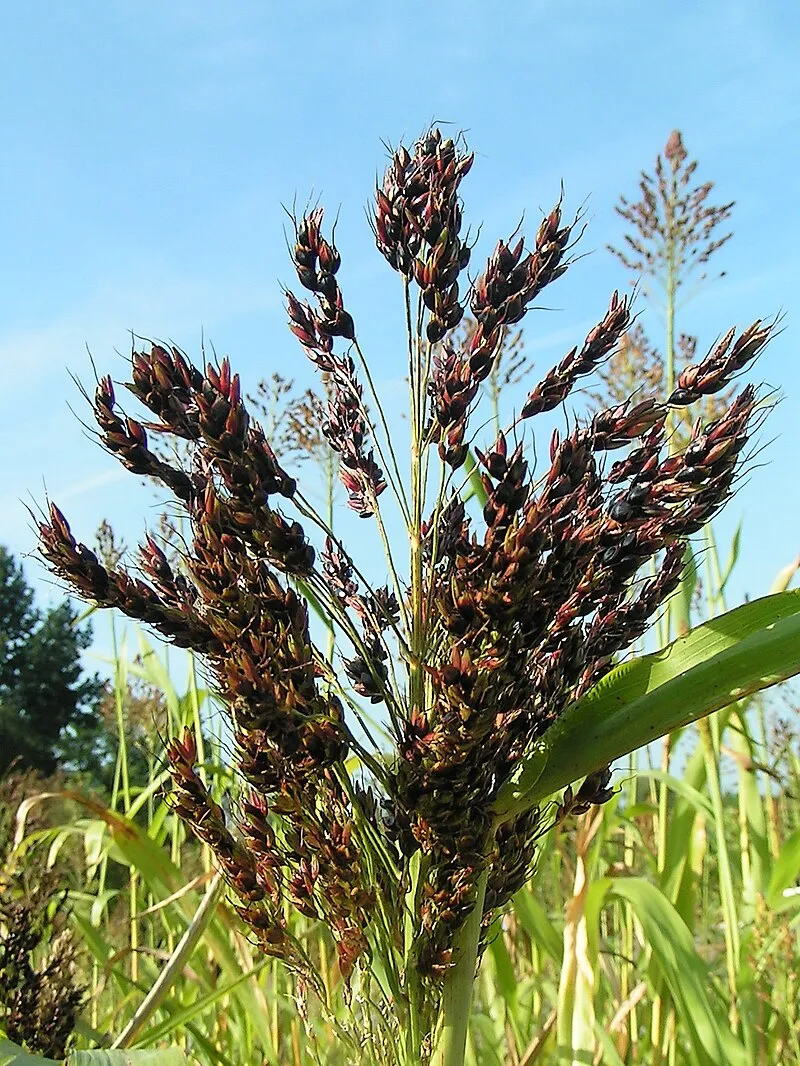
Sorghum (Sorghum bicolor) is one of the most heat- and drought-tolerant grain crops available to home gardeners, rivaling corn in yield in hot climates while surviving conditions that would kill corn outright. It thrives in well-drained, fertile soil at pH 5.5–7.5 — it is more tolerant of soil salinity and alkalinity than most grains. Direct sow when soil temperature reaches at least 18°C (ideally 22–25°C for fastest emergence), 2–3 cm deep, 10–15 cm apart in rows 50–70 cm wide, thinning to 20–25 cm when 15 cm tall. Do not sow too early — cool soil causes poor germination and seedling diseases. Sorghum can withstand short drought after germination due to its ability to go dormant and resume growth when rain returns — a unique adaptation among cereals. Fertilize with a balanced formula at planting and side-dress with nitrogen when plants reach knee height. Bird protection from seed set to harvest is essential — sorghum seed heads are magnets for grain-eating birds.