Step-by-Step Growing Guide
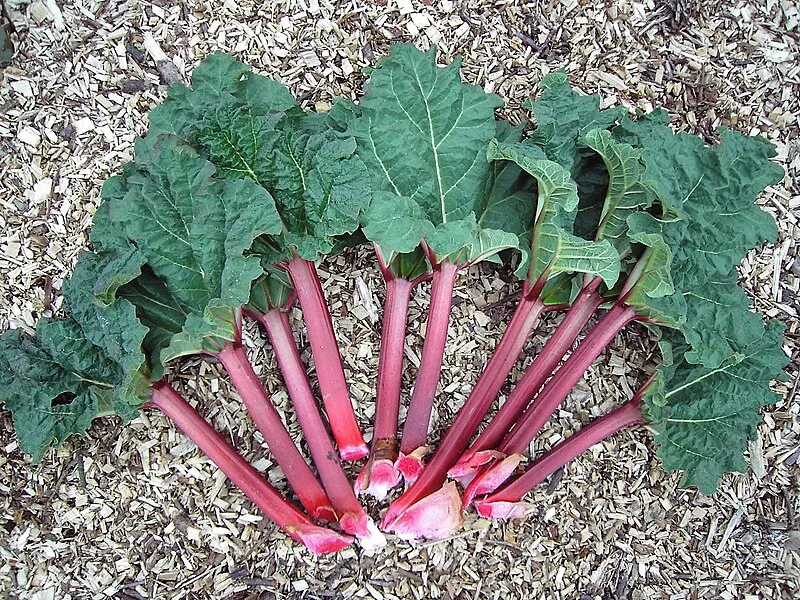
Rhubarb (Rheum x hybridum) is among the most permanent and productive perennial vegetables, lasting 20+ years in a well-prepared bed. It demands deep, rich, moisture-retentive but well-drained soil at pH 6.0–6.8 with exceptional organic matter content — work in a full bucket of well-rotted manure per plant at planting. Plant crowns (divisions) in spring, positioning the growing tips just at or slightly above the soil surface, spaced 1 m apart. A sunny site is preferred but rhubarb tolerates partial shade better than most vegetables. Water consistently through the growing season, particularly during hot spells, as drought stress causes thin, poor-quality stalks. Feed in early spring with a nitrogen-rich fertilizer and again in midsummer with a balanced formula. Remove any flower stalks the moment they appear — flowers deplete root reserves. Critical: never harvest in the first year; harvest sparingly in the second year to allow the crown to build reserves. IMPORTANT SAFETY NOTE: Rhubarb leaves are toxic and must never be consumed. They contain high concentrations of oxalic acid and should be composted or disposed of safely away from pets and children.