Best Plants to Attract Pollinators
Invite bees, butterflies, and beneficial insects into your garden. These 13 plants produce abundant nectar and pollen that support pollinators while dramatically improving yields across your entire garden.
Creating a Pollinator-Friendly Garden
- Let herbs flower — the blooms attract far more pollinators than cut-back plants
- Avoid pesticides — even organic sprays can harm bees when plants are in flower
- Aim for overlapping bloom times — choose early, mid, and late-season bloomers
- Interplant pollinator flowers throughout your vegetable garden to boost yields nearby
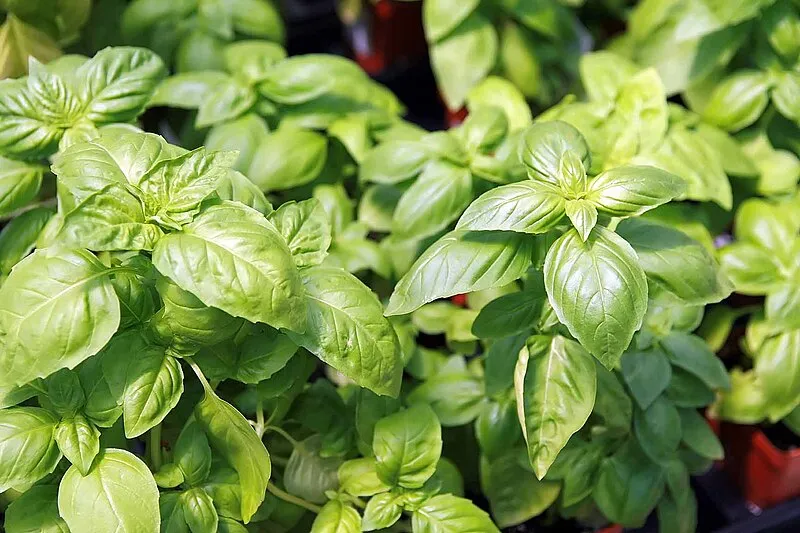
Basil
HerbEssential culinary herb with fragrant leaves. A warmth-loving plant that does best between 20°C and 30°C, basil adapts well to tropical and subtropical conditions but cannot tolerate frost. It needs full sun (6-8 hours of direct light daily) and regular watering to keep soil consistently moist — leaves are ready for picking in about 50-75 days. Valued in cuisines worldwide, it is easy to grow and rewards regular harvesting with bushier, more productive plants.
Pinch flower buds to encourage leaf growth. Harvest from top down. Wait until soil warms to at least 20°C before transplanting outdoors — cold soil stunts growth and can invite root rot. Aim for about 2.5 cm of water per week, adjusting for rainfall. Organic mulch around the base helps maintain even moisture.
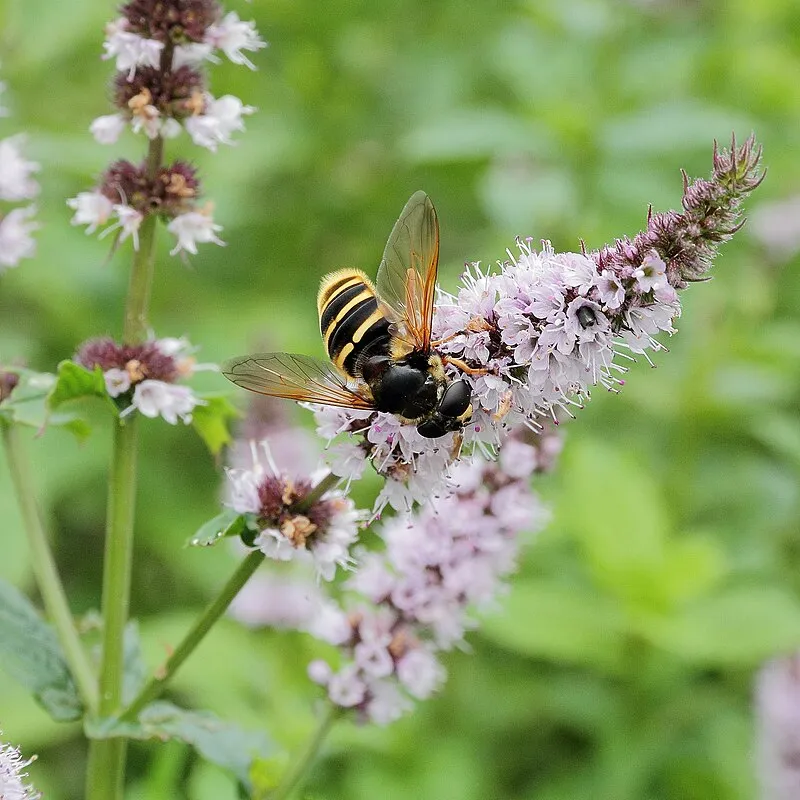
Mint
HerbVigorous herb that spreads aggressively. Remarkably adaptable, mint tolerates temperatures from -5°C to 30°C and thrives in both cool-temperate and tropical gardens. It needs partial shade, though it appreciates some direct light and regular watering to keep soil consistently moist — leaves are ready for picking in about 60-90 days. Fresh leaves from your own garden taste noticeably better than store-bought — and the plant practically grows itself.
Always grow in a pot -- it will take over your garden. Harvest often to control growth. Can be planted 2-3 weeks before the last expected frost, giving it a head start on the growing season. Aim for about 2.5 cm of water per week, adjusting for rainfall. Organic mulch around the base helps maintain even moisture.
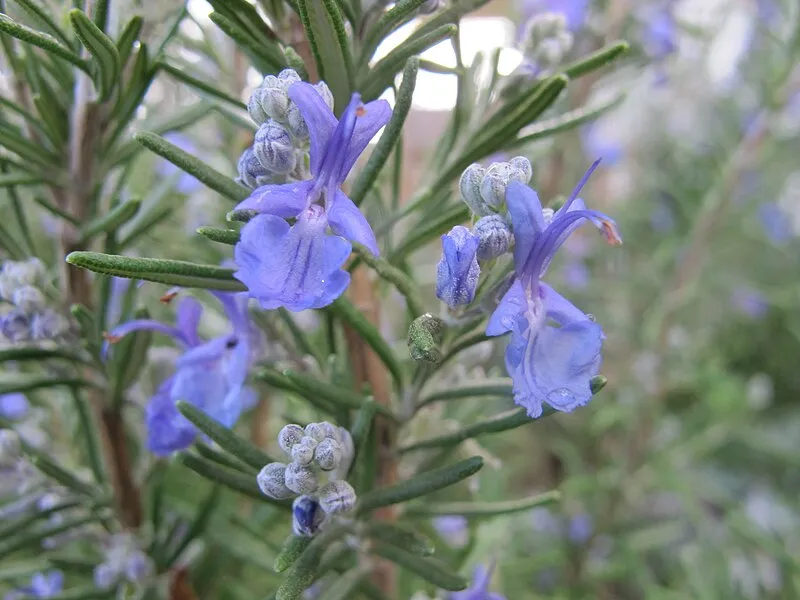
Rosemary
HerbMediterranean woody herb. Hardy enough to withstand light frosts down to -5°C, rosemary performs best when daytime temperatures stay between 15°C and 25°C. It needs full sun (6-8 hours of direct light daily) and minimal watering — it prefers dry conditions between drinks — leaves are ready for picking in about 80-120 days. A kitchen essential that grows equally well on a sunny windowsill, a balcony pot, or a dedicated herb bed.
Needs excellent drainage. Don't overwater. Can be planted 2-3 weeks before the last expected frost, giving it a head start on the growing season. Overwatering is the most common mistake. Let soil dry out between waterings and ensure drainage is excellent.
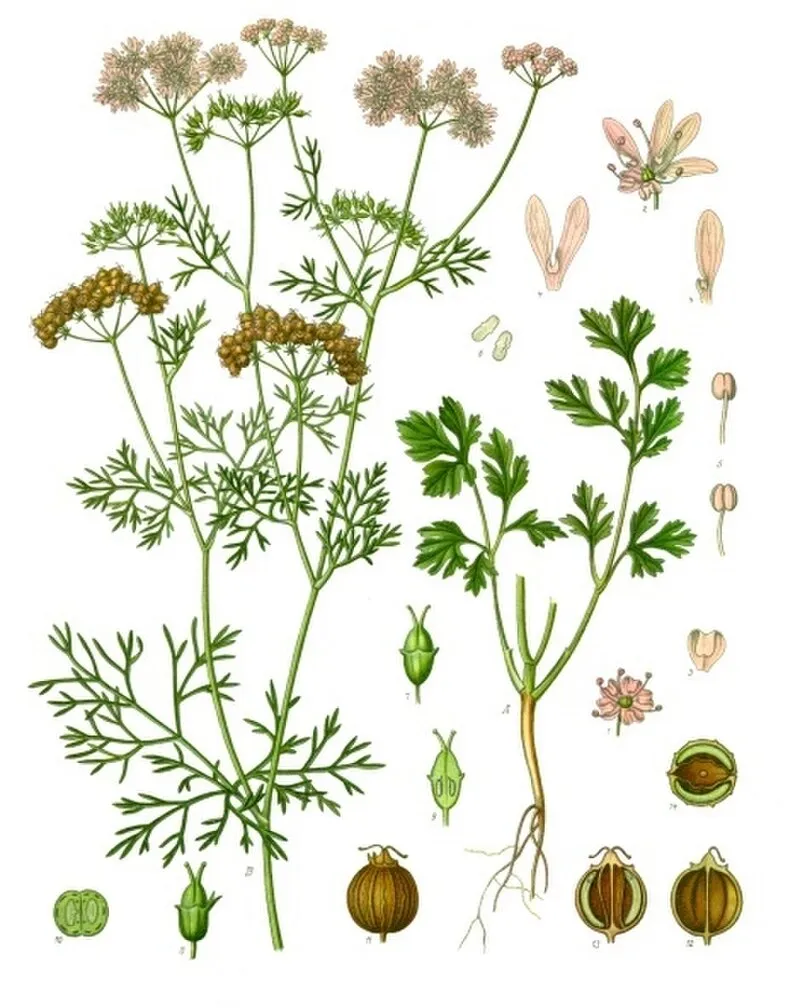
Cilantro
HerbCool-season herb essential in Mexican, Indian, and Thai cooking. Hardy enough to withstand light frosts down to 2°C, cilantro performs best when daytime temperatures stay between 10°C and 20°C. It needs full sun to partial shade and regular watering to keep soil consistently moist — leaves are ready for picking in about 45-70 days. Valued in cuisines worldwide, it is easy to grow and rewards regular harvesting with bushier, more productive plants.
Sow every 3 weeks for continuous harvest. In hot climates, grow in fall/winter only. Can be planted 2-3 weeks before the last expected frost, giving it a head start on the growing season. Aim for about 2.5 cm of water per week, adjusting for rainfall. Organic mulch around the base helps maintain even moisture.
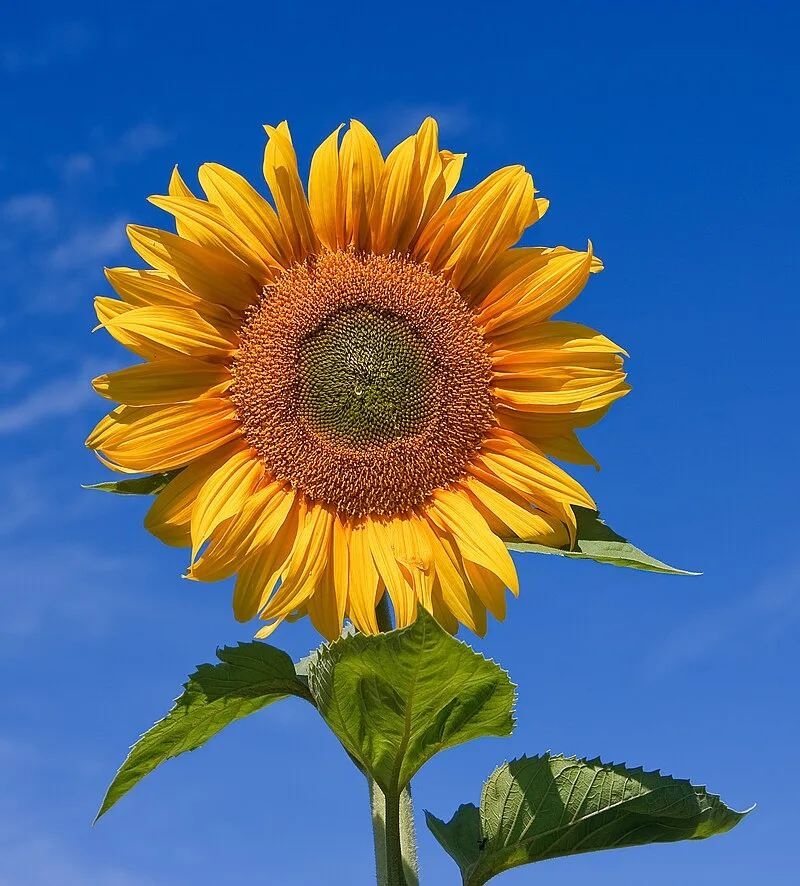
Sunflower
FlowerIconic warm-season flower. A warmth-loving plant that does best between 18°C and 28°C, sunflower adapts well to tropical and subtropical conditions but cannot tolerate frost. Plant in a spot with full sun (6-8 hours of direct light daily) and provide moderate, even watering throughout the growing season. Expect blooms in approximately 70-100 days. Valued as much for its cut-flower potential as for its garden presence — stems last well in a vase.
Sow directly -- taproots don't transplant well. Great for kids to grow. Wait until soil warms to at least 18°C before transplanting outdoors — cold soil stunts growth and can invite root rot. Water steadily but avoid soggy soil. A 5-cm layer of organic mulch helps balance moisture and suppress weeds.
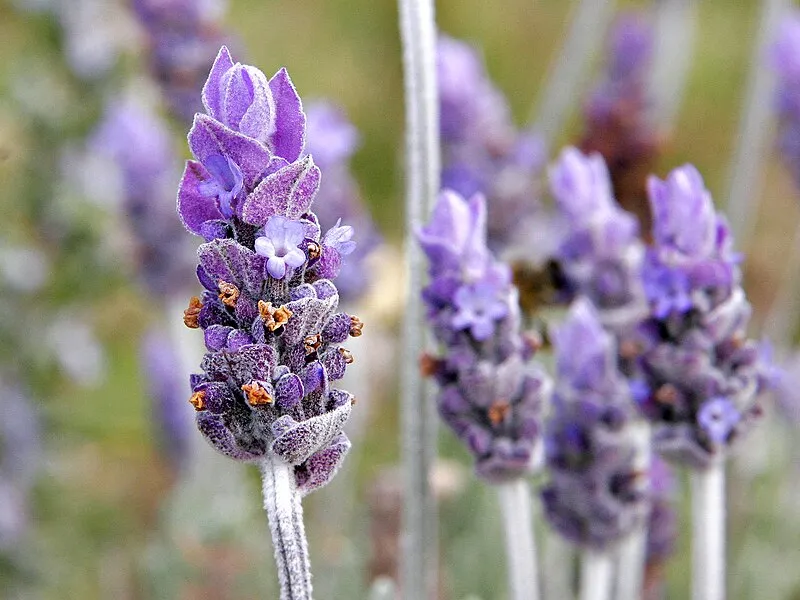
Lavender
HerbDrought-tolerant Mediterranean herb. Hardy enough to withstand light frosts down to -10°C, lavender performs best when daytime temperatures stay between 15°C and 28°C. It needs full sun (6-8 hours of direct light daily) and minimal watering — it prefers dry conditions between drinks — leaves are ready for picking in about 90-200 days. Fresh leaves from your own garden taste noticeably better than store-bought — and the plant practically grows itself.
Must have excellent drainage -- will rot in wet soil. Prune after flowering. Can be planted 2-3 weeks before the last expected frost, giving it a head start on the growing season. Overwatering is the most common mistake. Let soil dry out between waterings and ensure drainage is excellent.
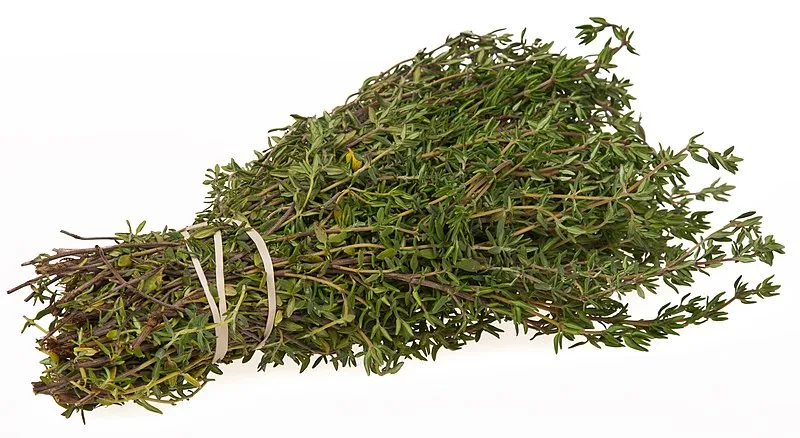
Thyme
HerbHardy Mediterranean herb. Hardy enough to withstand light frosts down to -10°C, thyme performs best when daytime temperatures stay between 12°C and 25°C. It needs full sun (6-8 hours of direct light daily) and minimal watering — it prefers dry conditions between drinks — leaves are ready for picking in about 70-90 days. An aromatic addition to any garden, it dries and freezes well for year-round use in the kitchen.
Needs well-drained soil. Trim after flowering to maintain shape. Can be planted 2-3 weeks before the last expected frost, giving it a head start on the growing season. Overwatering is the most common mistake. Let soil dry out between waterings and ensure drainage is excellent.
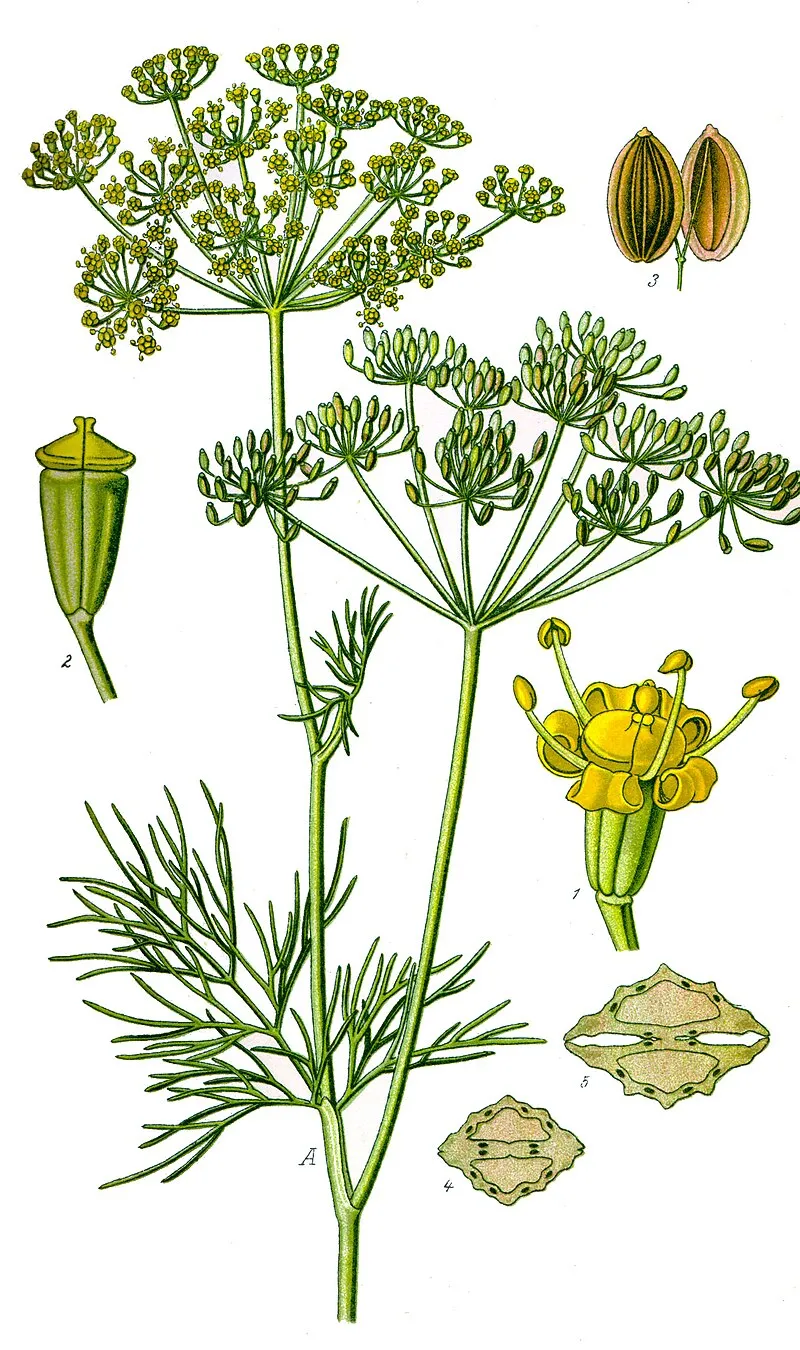
Dill
HerbFeathery herb essential for pickles, fish, and Scandinavian cooking. Hardy enough to withstand light frosts down to 2°C, dill performs best when daytime temperatures stay between 12°C and 22°C. It needs full sun (6-8 hours of direct light daily) and moderate, even watering throughout the growing season — leaves are ready for picking in about 40-60 days. An aromatic addition to any garden, it dries and freezes well for year-round use in the kitchen.
Sow directly -- doesn't transplant well. Self-seeds freely. Can be planted 2-3 weeks before the last expected frost, giving it a head start on the growing season. Water steadily but avoid soggy soil. A 5-cm layer of organic mulch helps balance moisture and suppress weeds.
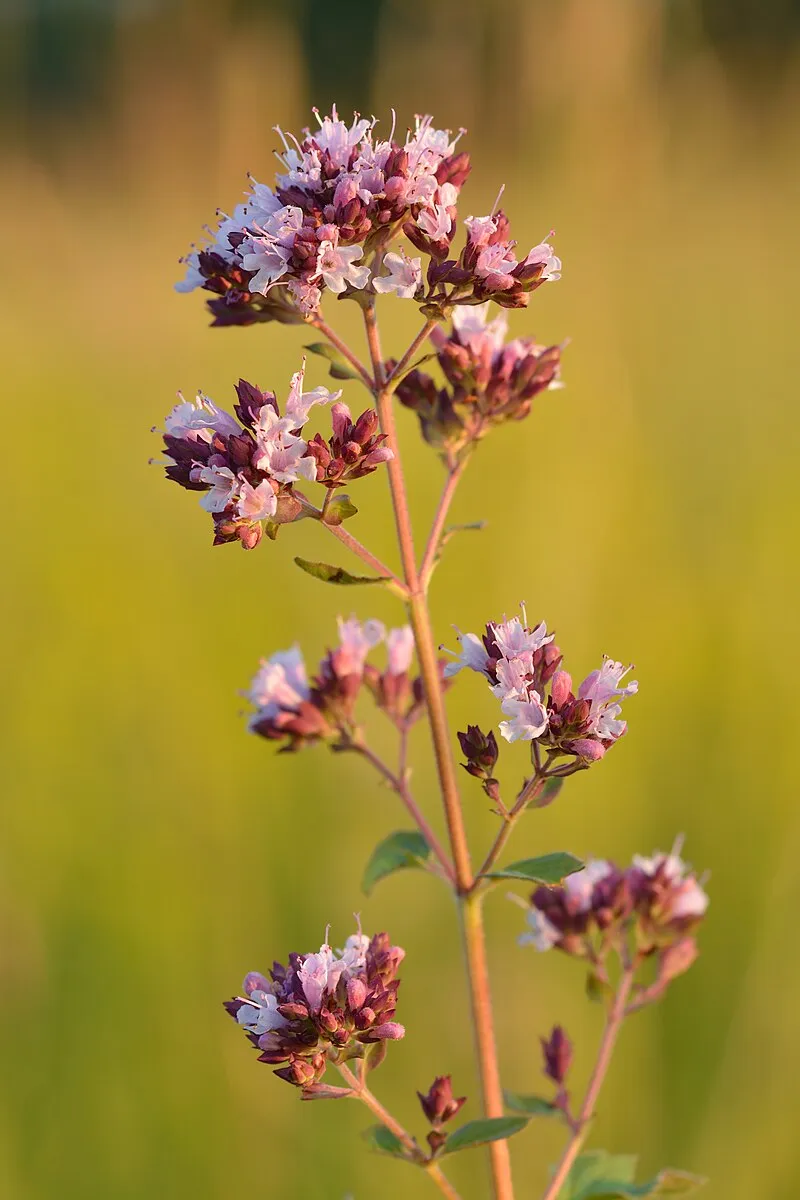
Oregano
HerbMediterranean perennial herb. Hardy enough to withstand light frosts down to -10°C, oregano performs best when daytime temperatures stay between 15°C and 25°C. It needs full sun (6-8 hours of direct light daily) and minimal watering — it prefers dry conditions between drinks — leaves are ready for picking in about 60-90 days. Fresh leaves from your own garden taste noticeably better than store-bought — and the plant practically grows itself.
Thrives in poor, dry soil. Cut back hard in spring. Can be planted 2-3 weeks before the last expected frost, giving it a head start on the growing season. Overwatering is the most common mistake. Let soil dry out between waterings and ensure drainage is excellent.
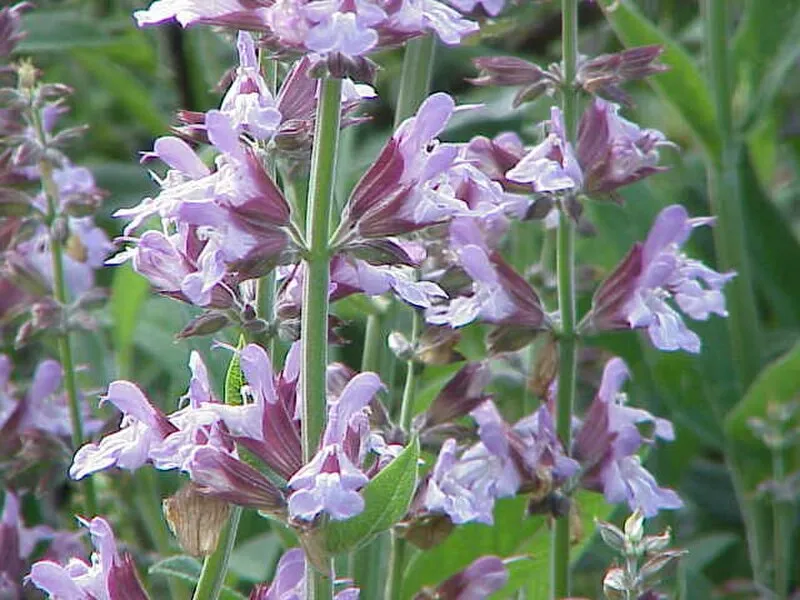
Sage
HerbWoody perennial herb. Hardy enough to withstand light frosts down to -10°C, sage performs best when daytime temperatures stay between 12°C and 22°C. It needs full sun (6-8 hours of direct light daily) and minimal watering — it prefers dry conditions between drinks — leaves are ready for picking in about 75-90 days. Perfect for container gardens and small spaces — just place it where it gets adequate light and harvest as needed.
Prune in spring to prevent woodiness. Needs good drainage. Can be planted 2-3 weeks before the last expected frost, giving it a head start on the growing season. Overwatering is the most common mistake. Let soil dry out between waterings and ensure drainage is excellent.
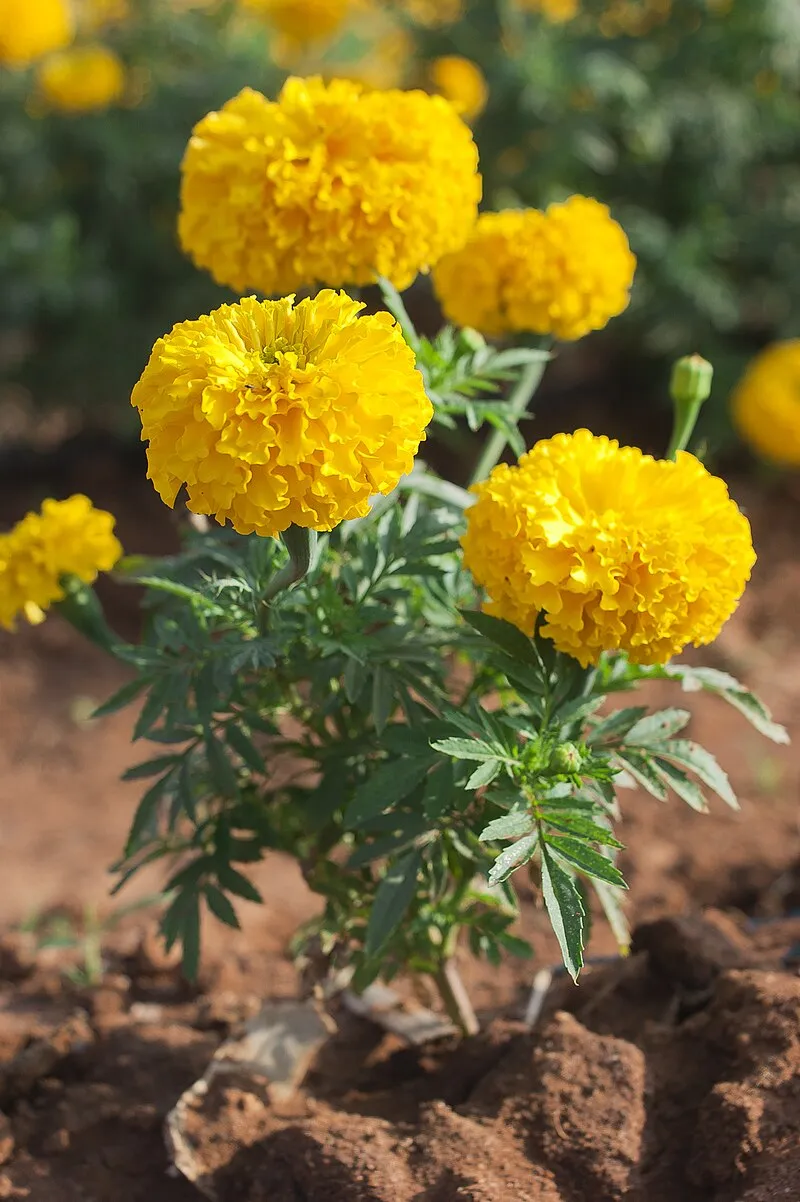
Marigold
FlowerCheerful annual that repels pests. A warmth-loving plant that does best between 18°C and 28°C, marigold adapts well to tropical and subtropical conditions but cannot tolerate frost. Plant in a spot with full sun (6-8 hours of direct light daily) and provide moderate, even watering throughout the growing season. Expect blooms in approximately 45-50 days. Adds colour and life to borders, beds, and containers from spring through autumn.
Deadhead spent flowers for continuous bloom. Plant near tomatoes. Wait until soil warms to at least 18°C before transplanting outdoors — cold soil stunts growth and can invite root rot. Water steadily but avoid soggy soil. A 5-cm layer of organic mulch helps balance moisture and suppress weeds.
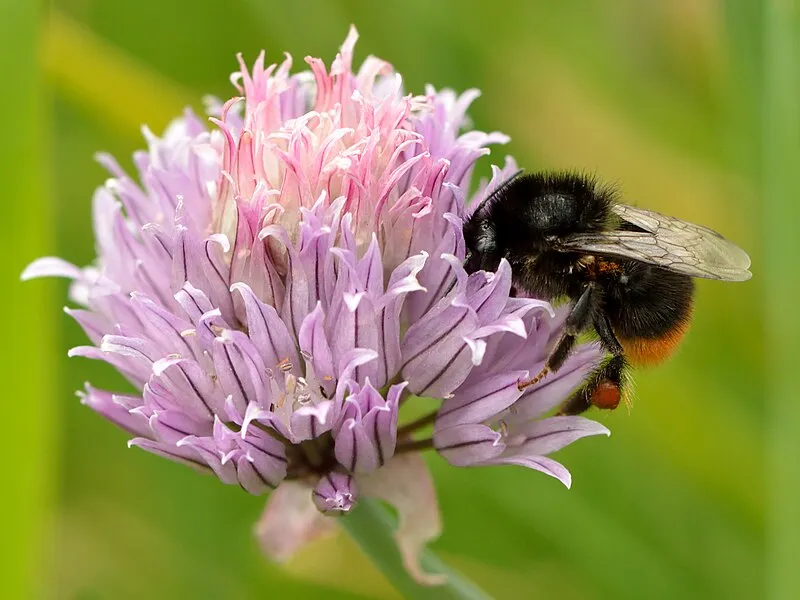
Chive
HerbHardy perennial allium. Hardy enough to withstand light frosts down to -15°C, chive performs best when daytime temperatures stay between 10°C and 22°C. It needs full sun to partial shade and regular watering to keep soil consistently moist — leaves are ready for picking in about 60-90 days. Fresh leaves from your own garden taste noticeably better than store-bought — and the plant practically grows itself.
Cut to 5cm above ground for regrowth. Divide clumps every 3 years. Can be planted 2-3 weeks before the last expected frost, giving it a head start on the growing season. Aim for about 2.5 cm of water per week, adjusting for rainfall. Organic mulch around the base helps maintain even moisture.
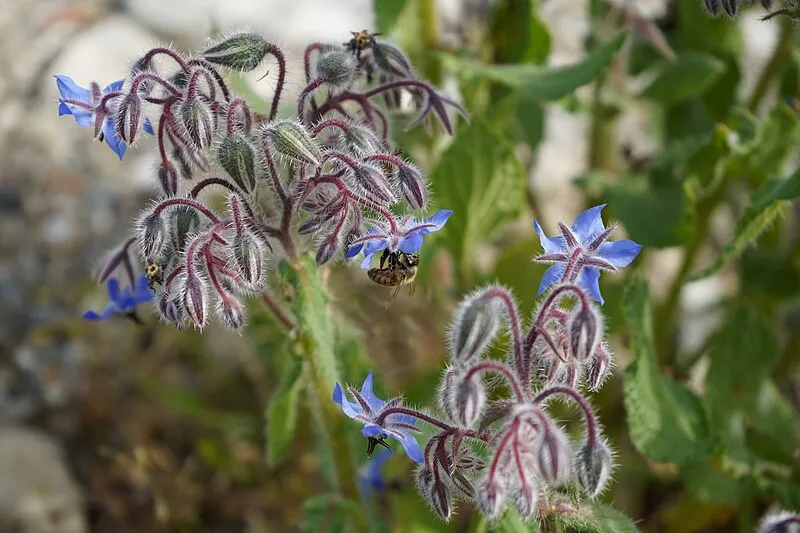
Borage
HerbBlue star flowers taste like cucumber. Hardy enough to withstand light frosts down to -5°C, borage performs best when daytime temperatures stay between 10°C and 22°C. It needs full sun (6-8 hours of direct light daily) and moderate, even watering throughout the growing season — leaves are ready for picking in about 50-60 days. Valued in cuisines worldwide, it is easy to grow and rewards regular harvesting with bushier, more productive plants.
Self-seeds prolifically. Edible flowers for salads and drinks. Can be planted 2-3 weeks before the last expected frost, giving it a head start on the growing season. Water steadily but avoid soggy soil. A 5-cm layer of organic mulch helps balance moisture and suppress weeds.
Frequently Asked Questions
Which herbs attract the most pollinators?
Flowering herbs are among the best pollinator plants. Lavender is arguably the top pollinator herb — bees actively seek it out. Thyme, oregano, rosemary, sage, and borage are also excellent. Let these herbs flower rather than cutting them back — the blooms are what attract pollinators. Mint is highly attractive to bees and butterflies when allowed to flower. Cilantro and dill attract beneficial parasitic wasps that prey on garden pests.
Why is pollinator diversity important?
A diverse pollinator population improves fruit and vegetable yields significantly. Tomatoes, peppers, squash, cucumbers, and berries all rely on pollinators. Native bees, honeybees, butterflies, and even hoverflies all contribute. By growing diverse pollinator plants that bloom at different times, you attract and support multiple species throughout the season. This creates a natural pest control system as many pollinators also eat aphids and other garden pests.
When do pollinators need plants most?
Pollinators need plants throughout the entire season. In spring, early bloomers like borage and lavender provide crucial nectar when pollinators first emerge. Summer-blooming plants like basil, sunflowers, and marigolds sustain populations at their peak. Late-season blooms like chamomile and sage help pollinators build reserves before winter. Aim for overlapping bloom times so there's always something flowering in your garden from early spring to late autumn.