Best Drought-Resistant Plants
These 31 low-water plants thrive with minimal irrigation. Perfect for dry climates, water-restricted areas, or gardeners who want to conserve water without sacrificing a beautiful, productive garden.
Water-Wise Gardening Tips
- Mulch generously — 3 inches of organic mulch can cut water needs by 50%
- Water deeply once a week rather than shallowly every day to encourage deep roots
- Plant drought-tolerant plants in sandy, well-draining soil — avoid waterlogged spots
- Most drought-resistant herbs still need regular watering in their first season to establish
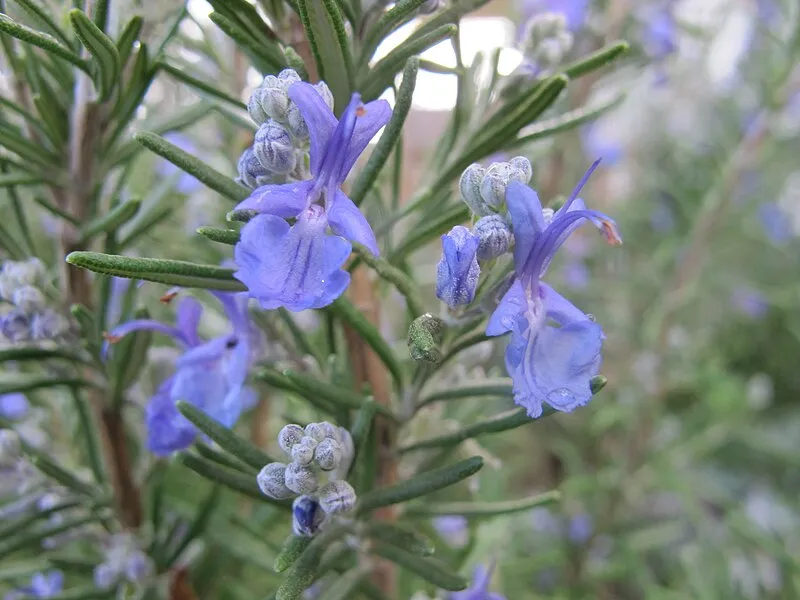
Rosemary
HerbMediterranean woody herb. Hardy enough to withstand light frosts down to -5°C, rosemary performs best when daytime temperatures stay between 15°C and 25°C. It needs full sun (6-8 hours of direct light daily) and minimal watering — it prefers dry conditions between drinks — leaves are ready for picking in about 80-120 days. A kitchen essential that grows equally well on a sunny windowsill, a balcony pot, or a dedicated herb bed.
Needs excellent drainage. Don't overwater. Can be planted 2-3 weeks before the last expected frost, giving it a head start on the growing season. Overwatering is the most common mistake. Let soil dry out between waterings and ensure drainage is excellent.
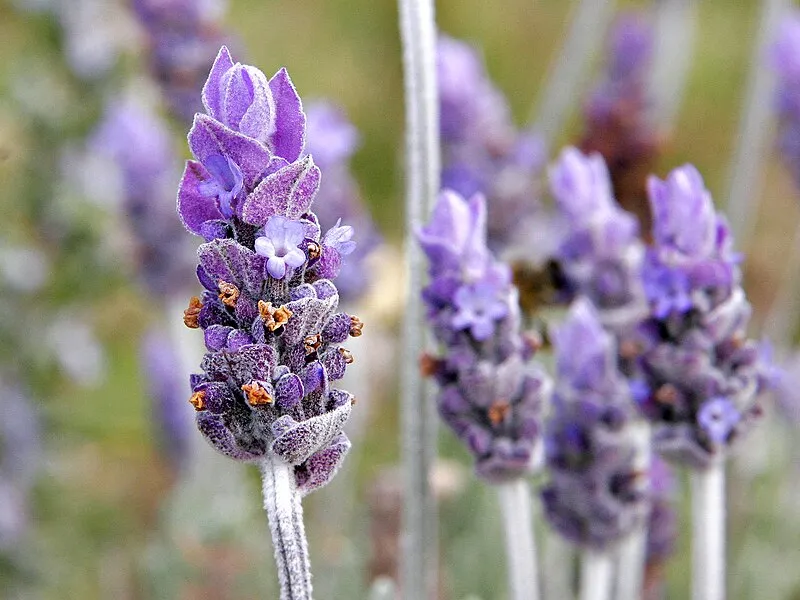
Lavender
HerbDrought-tolerant Mediterranean herb. Hardy enough to withstand light frosts down to -10°C, lavender performs best when daytime temperatures stay between 15°C and 28°C. It needs full sun (6-8 hours of direct light daily) and minimal watering — it prefers dry conditions between drinks — leaves are ready for picking in about 90-200 days. Fresh leaves from your own garden taste noticeably better than store-bought — and the plant practically grows itself.
Must have excellent drainage -- will rot in wet soil. Prune after flowering. Can be planted 2-3 weeks before the last expected frost, giving it a head start on the growing season. Overwatering is the most common mistake. Let soil dry out between waterings and ensure drainage is excellent.
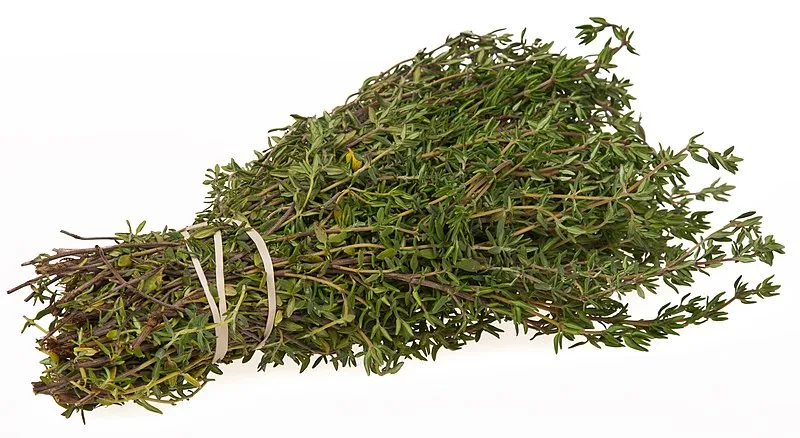
Thyme
HerbHardy Mediterranean herb. Hardy enough to withstand light frosts down to -10°C, thyme performs best when daytime temperatures stay between 12°C and 25°C. It needs full sun (6-8 hours of direct light daily) and minimal watering — it prefers dry conditions between drinks — leaves are ready for picking in about 70-90 days. An aromatic addition to any garden, it dries and freezes well for year-round use in the kitchen.
Needs well-drained soil. Trim after flowering to maintain shape. Can be planted 2-3 weeks before the last expected frost, giving it a head start on the growing season. Overwatering is the most common mistake. Let soil dry out between waterings and ensure drainage is excellent.
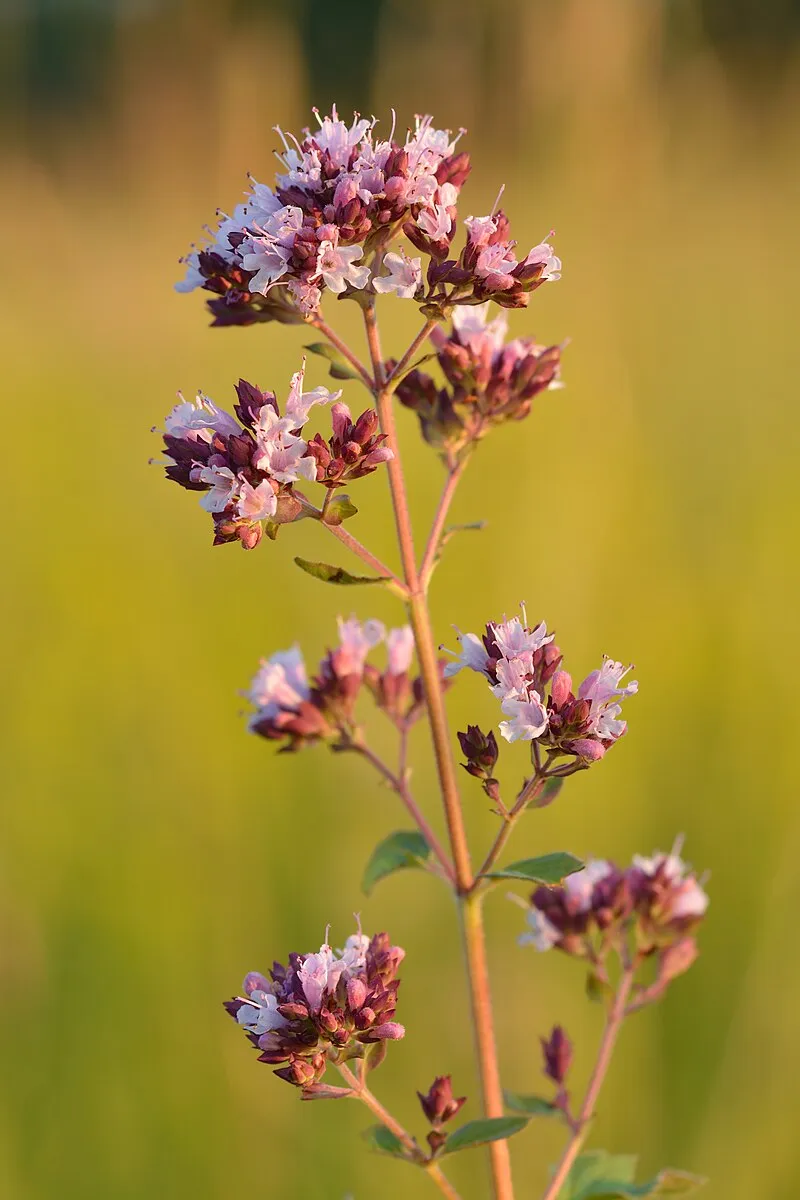
Oregano
HerbMediterranean perennial herb. Hardy enough to withstand light frosts down to -10°C, oregano performs best when daytime temperatures stay between 15°C and 25°C. It needs full sun (6-8 hours of direct light daily) and minimal watering — it prefers dry conditions between drinks — leaves are ready for picking in about 60-90 days. Fresh leaves from your own garden taste noticeably better than store-bought — and the plant practically grows itself.
Thrives in poor, dry soil. Cut back hard in spring. Can be planted 2-3 weeks before the last expected frost, giving it a head start on the growing season. Overwatering is the most common mistake. Let soil dry out between waterings and ensure drainage is excellent.
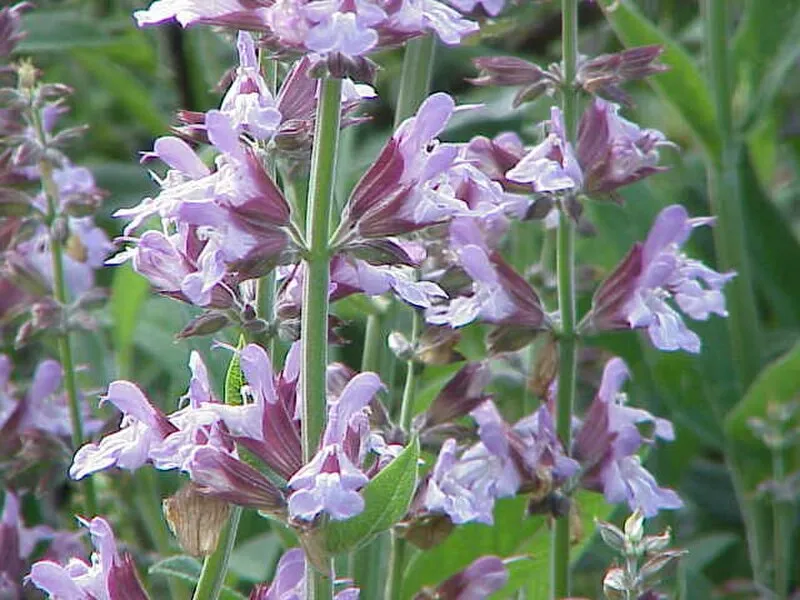
Sage
HerbWoody perennial herb. Hardy enough to withstand light frosts down to -10°C, sage performs best when daytime temperatures stay between 12°C and 22°C. It needs full sun (6-8 hours of direct light daily) and minimal watering — it prefers dry conditions between drinks — leaves are ready for picking in about 75-90 days. Perfect for container gardens and small spaces — just place it where it gets adequate light and harvest as needed.
Prune in spring to prevent woodiness. Needs good drainage. Can be planted 2-3 weeks before the last expected frost, giving it a head start on the growing season. Overwatering is the most common mistake. Let soil dry out between waterings and ensure drainage is excellent.
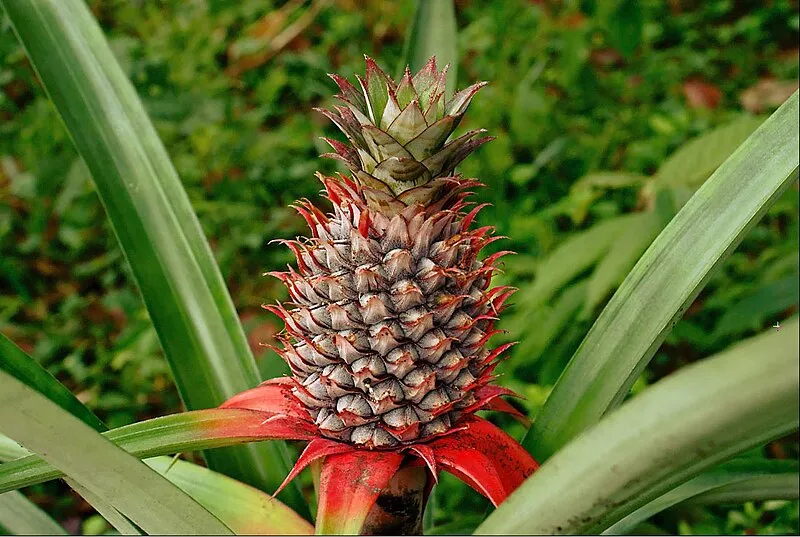
Pineapple
FruitTropical bromeliad. A warmth-loving plant that does best between 22°C and 32°C, pineapple adapts well to tropical and subtropical conditions but cannot tolerate frost. Give it full sun (6-8 hours of direct light daily) and minimal watering — it prefers dry conditions between drinks, and expect to harvest in roughly 545-730 days. Growing your own means harvesting at perfect ripeness, something commercial growers simply cannot match.
Root the crown. Takes 18-24 months to fruit. Wait until soil warms to at least 22°C before transplanting outdoors — cold soil stunts growth and can invite root rot. Overwatering is the most common mistake. Let soil dry out between waterings and ensure drainage is excellent.
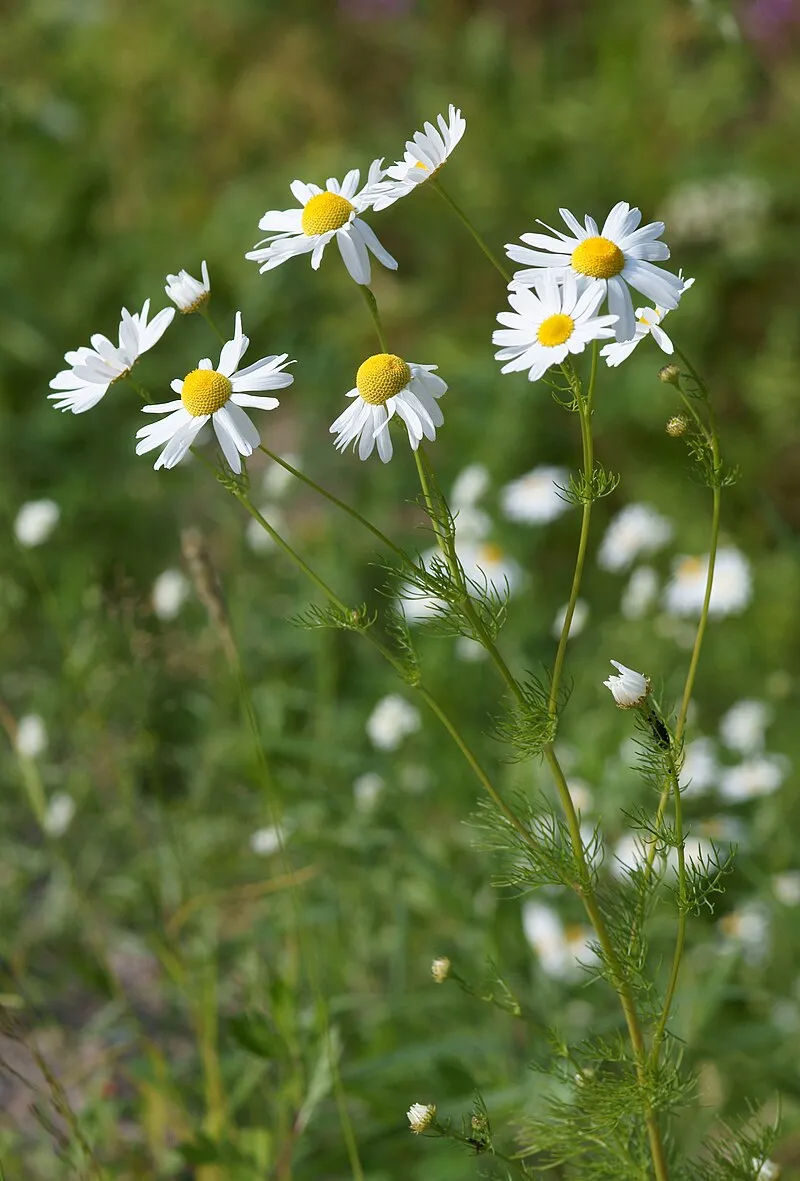
Chamomile
FlowerDaisy-like flowers used for soothing tea. Hardy enough to withstand light frosts down to -5°C, chamomile performs best when daytime temperatures stay between 10°C and 22°C. Plant in a spot with full sun (6-8 hours of direct light daily) and provide minimal watering — it prefers dry conditions between drinks. Expect blooms in approximately 60-90 days. An easy way to add dramatic colour to any garden, with minimal maintenance once established.
Self-seeds readily. Harvest flowers when fully open. Can be planted 2-3 weeks before the last expected frost, giving it a head start on the growing season. Overwatering is the most common mistake. Let soil dry out between waterings and ensure drainage is excellent.
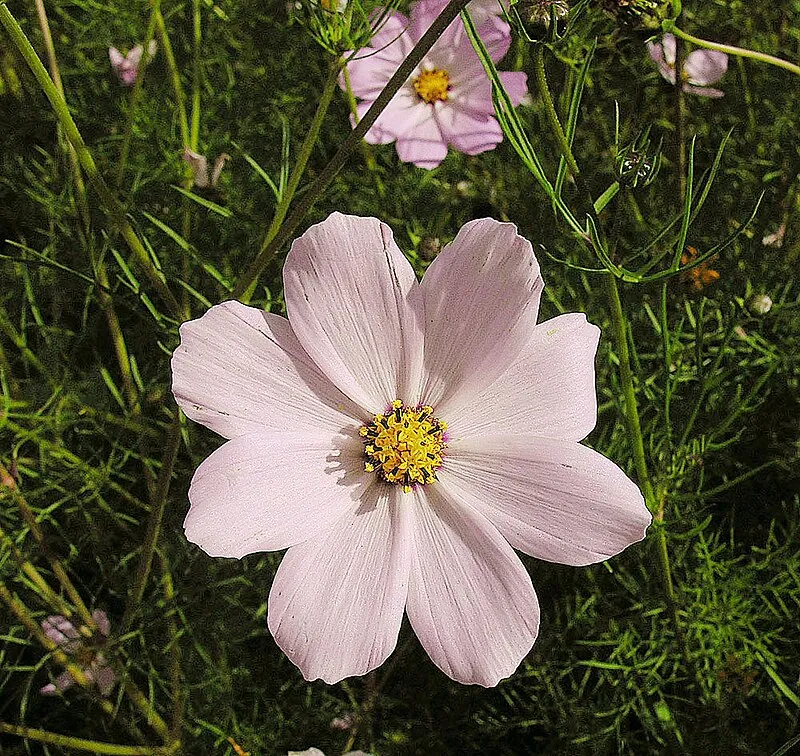
Cosmos
FlowerAiry, delicate flowers on tall stems. A warmth-loving plant that does best between 15°C and 28°C, cosmos adapts well to tropical and subtropical conditions but cannot tolerate frost. Plant in a spot with full sun (6-8 hours of direct light daily) and provide minimal watering — it prefers dry conditions between drinks. Expect blooms in approximately 50-60 days. A magnet for pollinators, it supports bees, butterflies, and beneficial insects while brightening your garden.
Direct sow. Thrives on neglect -- don't fertilize. Wait until soil warms to at least 15°C before transplanting outdoors — cold soil stunts growth and can invite root rot. Overwatering is the most common mistake. Let soil dry out between waterings and ensure drainage is excellent.
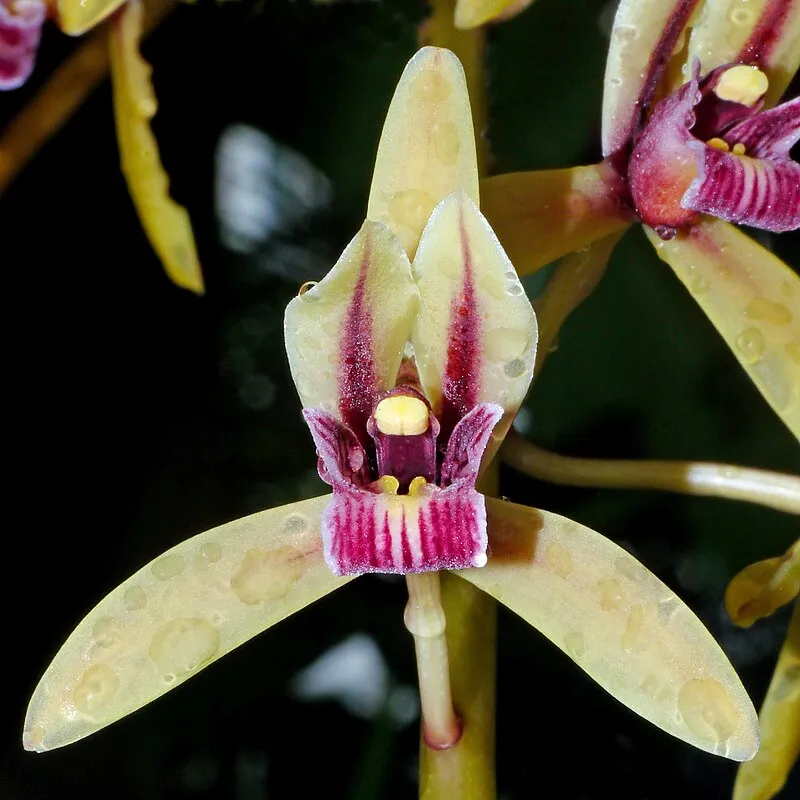
Orchid
FlowerExotic beauty. A warmth-loving plant that does best between 18°C and 28°C, orchid adapts well to tropical and subtropical conditions but cannot tolerate frost. Plant in a spot with partial shade, though it appreciates some direct light and provide minimal watering — it prefers dry conditions between drinks. Expect blooms in approximately 365-730 days. Valued as much for its cut-flower potential as for its garden presence — stems last well in a vase.
Don't overwater -- roots need air. Bright indirect light. Wait until soil warms to at least 18°C before transplanting outdoors — cold soil stunts growth and can invite root rot. Overwatering is the most common mistake. Let soil dry out between waterings and ensure drainage is excellent.
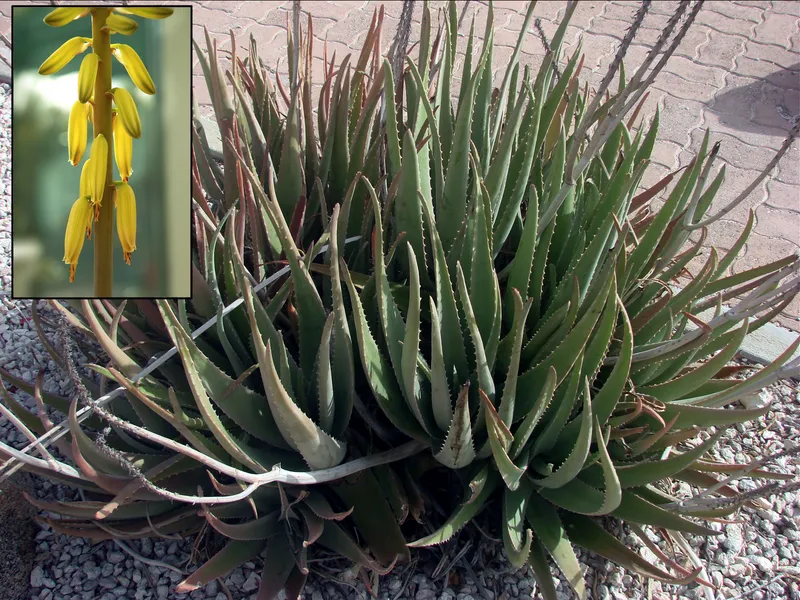
Aloe Vera
HerbMedicinal succulent. A warmth-loving plant that does best between 18°C and 30°C, aloe vera adapts well to tropical and subtropical conditions but cannot tolerate frost. It needs full sun (6-8 hours of direct light daily) and minimal watering — it prefers dry conditions between drinks — leaves are ready for picking in about 365-730 days. Fresh leaves from your own garden taste noticeably better than store-bought — and the plant practically grows itself.
Needs excellent drainage. Water sparingly. Wait until soil warms to at least 18°C before transplanting outdoors — cold soil stunts growth and can invite root rot. Overwatering is the most common mistake. Let soil dry out between waterings and ensure drainage is excellent.
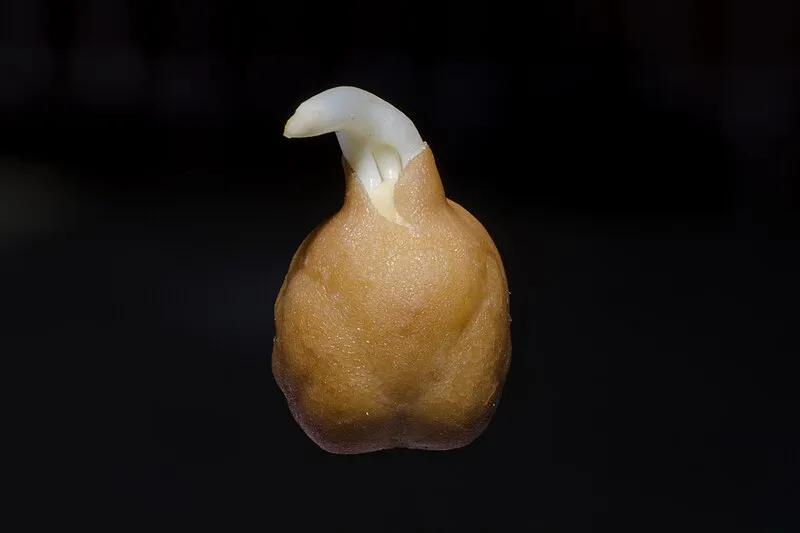
Chickpea
GrainAncient legume for hummus and curries. A warmth-loving plant that does best between 15°C and 28°C, chickpea adapts well to tropical and subtropical conditions but cannot tolerate frost. Requires full sun (6-8 hours of direct light daily) with minimal watering — it prefers dry conditions between drinks. Plan for about 90-120 days from planting to maturity. An adaptable plant that performs well across a wide range of garden settings and growing conditions.
Needs long warm season. Drought-tolerant. Wait until soil warms to at least 15°C before transplanting outdoors — cold soil stunts growth and can invite root rot. Overwatering is the most common mistake. Let soil dry out between waterings and ensure drainage is excellent.
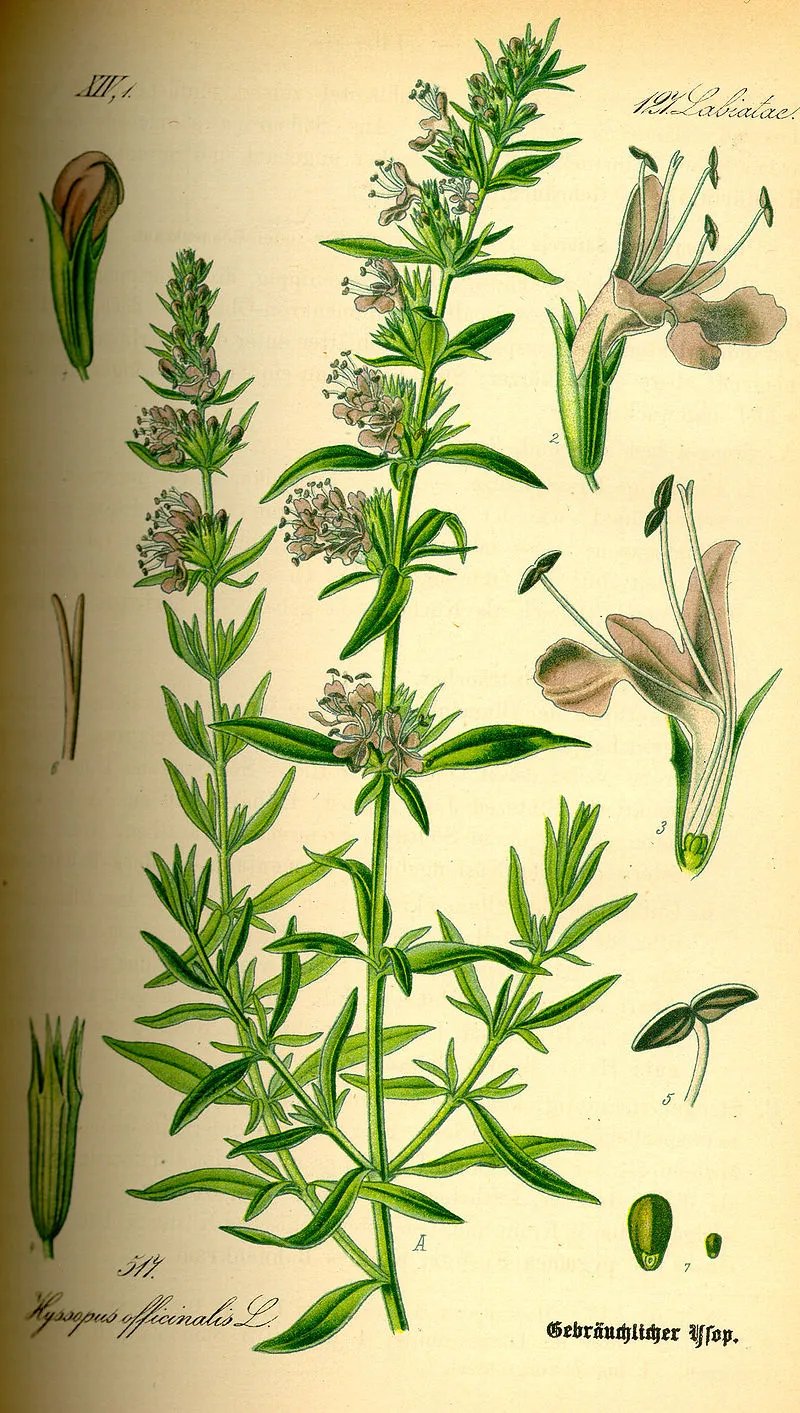
Hyssop
HerbAncient medicinal herb with blue flower spikes. Hardy enough to withstand light frosts down to -15°C, hyssop performs best when daytime temperatures stay between 12°C and 24°C. It needs full sun (6-8 hours of direct light daily) and minimal watering — it prefers dry conditions between drinks — leaves are ready for picking in about 60-90 days. Valued in cuisines worldwide, it is easy to grow and rewards regular harvesting with bushier, more productive plants.
Drought-tolerant once established. Cut back in spring. Can be planted 2-3 weeks before the last expected frost, giving it a head start on the growing season. Overwatering is the most common mistake. Let soil dry out between waterings and ensure drainage is excellent.
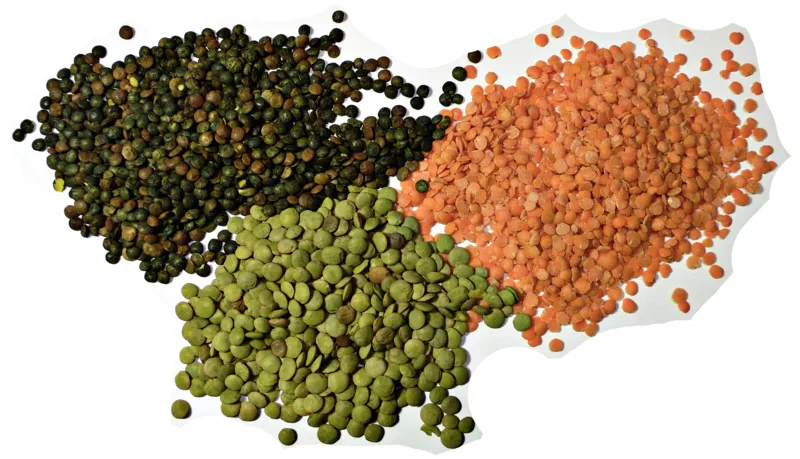
Lentil
GrainProtein-rich pulse crop. Best suited for moderate climates, lentil grows optimally between 15°C and 25°C and can handle temperatures from 5°C to 30°C. Requires full sun (6-8 hours of direct light daily) with minimal watering — it prefers dry conditions between drinks. Plan for about 80-110 days from planting to maturity. Well suited to home cultivation, it thrives with basic care and rewards consistent attention.
Direct sow in spring. Drought-tolerant. Wait until soil warms to at least 15°C before transplanting outdoors — cold soil stunts growth and can invite root rot. Overwatering is the most common mistake. Let soil dry out between waterings and ensure drainage is excellent.
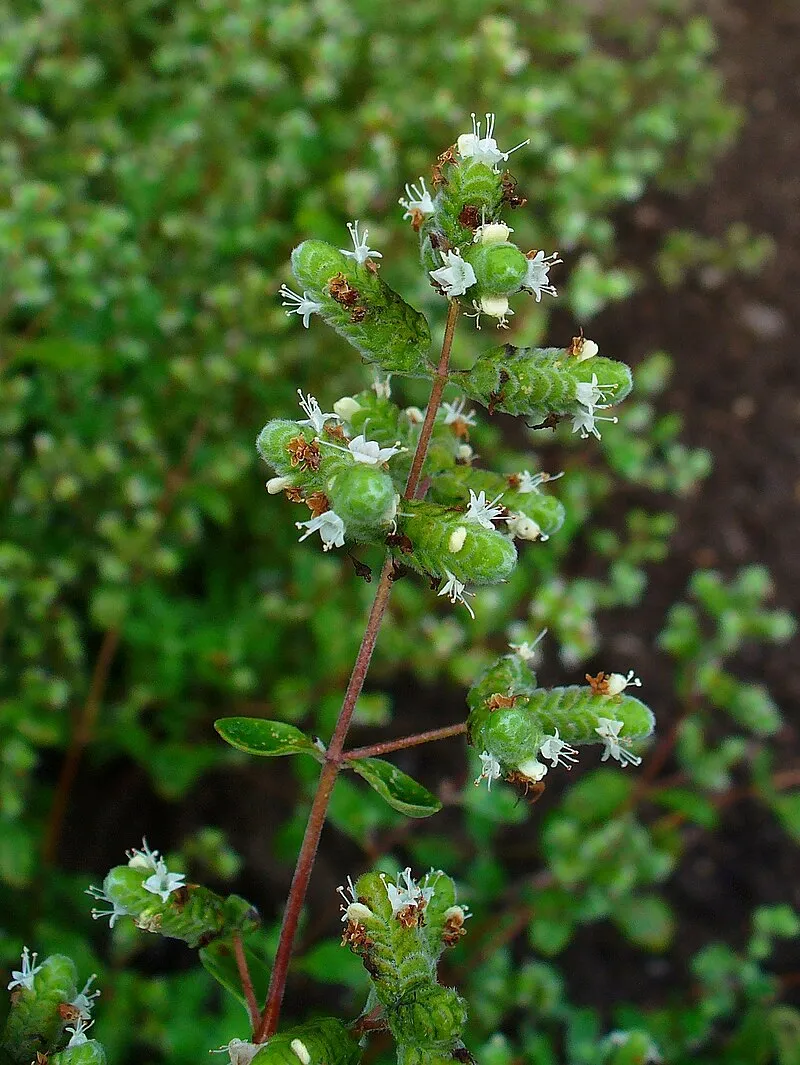
Marjoram
HerbSweeter, milder cousin of oregano. Best suited for moderate climates, marjoram grows optimally between 15°C and 25°C and can handle temperatures from 5°C to 30°C. It needs full sun (6-8 hours of direct light daily) and minimal watering — it prefers dry conditions between drinks — leaves are ready for picking in about 60-80 days. A kitchen essential that grows equally well on a sunny windowsill, a balcony pot, or a dedicated herb bed.
More tender than oregano -- protect from frost. Harvest before flowers open. Wait until soil warms to at least 15°C before transplanting outdoors — cold soil stunts growth and can invite root rot. Overwatering is the most common mistake. Let soil dry out between waterings and ensure drainage is excellent.
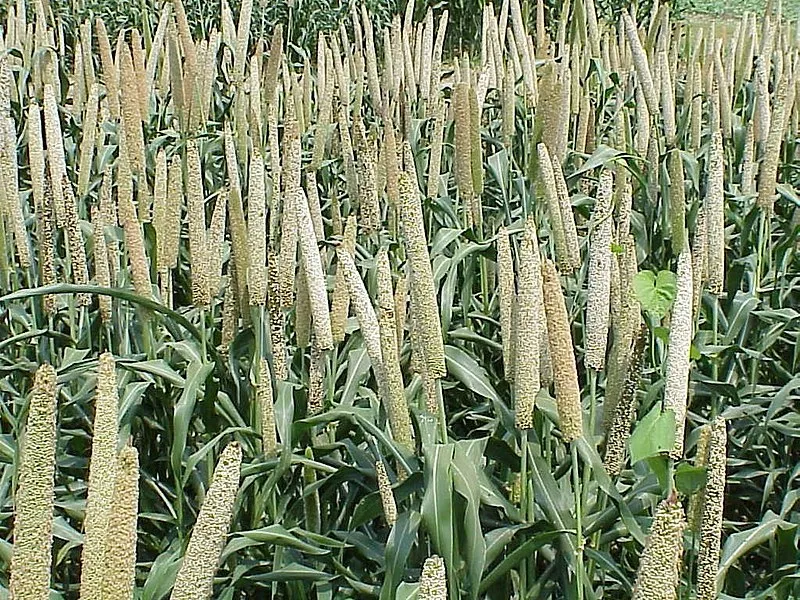
Millet
GrainAncient drought-tolerant grain. A warmth-loving plant that does best between 22°C and 32°C, millet adapts well to tropical and subtropical conditions but cannot tolerate frost. Requires full sun (6-8 hours of direct light daily) with minimal watering — it prefers dry conditions between drinks. Plan for about 60-90 days from planting to maturity. Well suited to home cultivation, it thrives with basic care and rewards consistent attention.
Extremely drought-tolerant. Grows in poor soil. Wait until soil warms to at least 22°C before transplanting outdoors — cold soil stunts growth and can invite root rot. Overwatering is the most common mistake. Let soil dry out between waterings and ensure drainage is excellent.
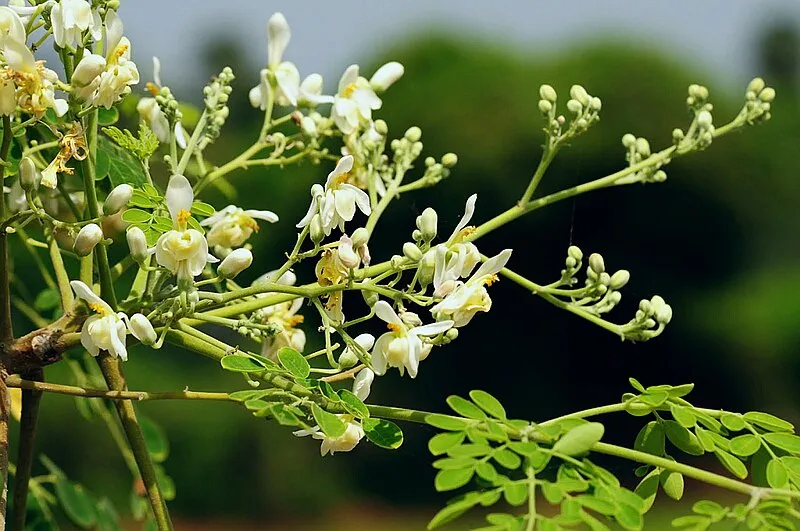
Moringa
VegetableMiracle tree -- leaves are incredibly nutritious. A warmth-loving plant that does best between 24°C and 35°C, moringa adapts well to tropical and subtropical conditions but cannot tolerate frost. Give it full sun (6-8 hours of direct light daily) and minimal watering — it prefers dry conditions between drinks, and expect to harvest in roughly 90-180 days. Whether grown in raised beds, containers, or traditional plots, it produces well across a range of climates.
Grows from cuttings or seeds. Drought-tolerant. Wait until soil warms to at least 24°C before transplanting outdoors — cold soil stunts growth and can invite root rot. Overwatering is the most common mistake. Let soil dry out between waterings and ensure drainage is excellent.
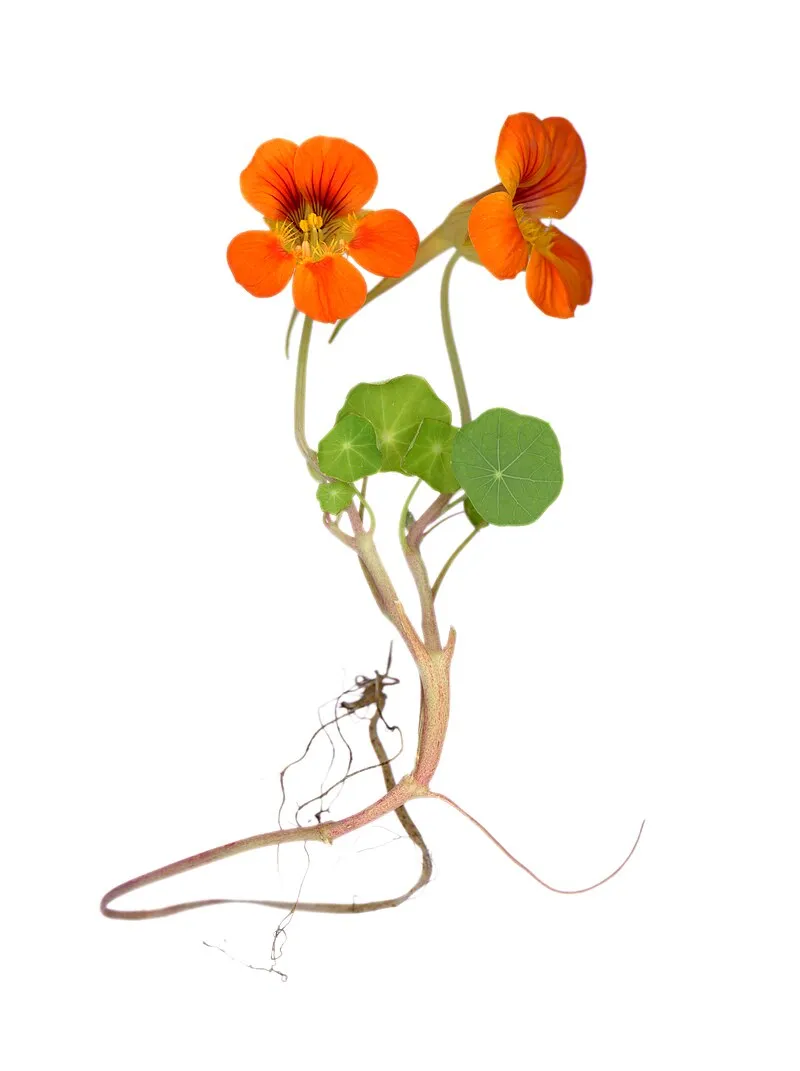
Nasturtium
FlowerEdible flower with peppery flavor. A warmth-loving plant that does best between 15°C and 25°C, nasturtium adapts well to tropical and subtropical conditions but cannot tolerate frost. Plant in a spot with full sun to partial shade and provide minimal watering — it prefers dry conditions between drinks. Expect blooms in approximately 35-52 days. An easy way to add dramatic colour to any garden, with minimal maintenance once established.
Poor soil produces more flowers. Seeds are large and easy for kids. Wait until soil warms to at least 15°C before transplanting outdoors — cold soil stunts growth and can invite root rot. Overwatering is the most common mistake. Let soil dry out between waterings and ensure drainage is excellent.
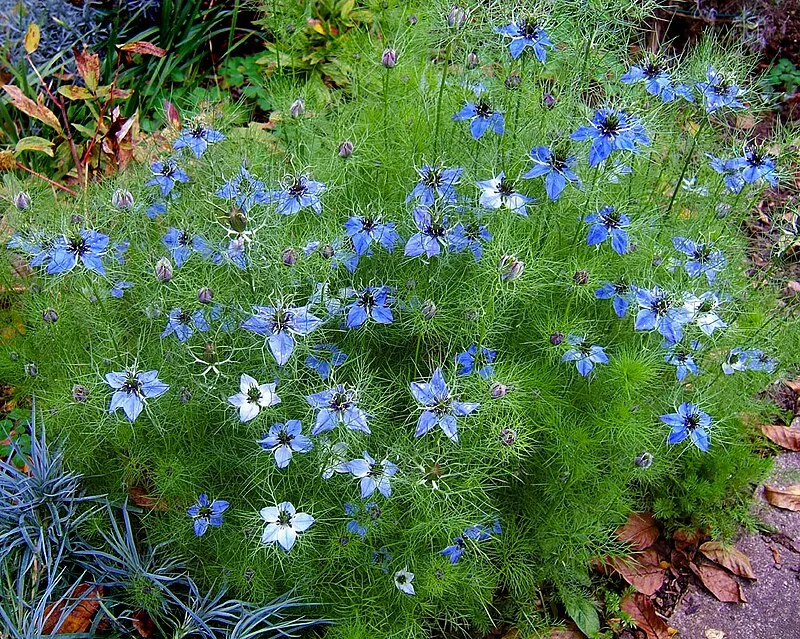
Nigella
FlowerLove-in-a-mist -- delicate blue flowers with feathery foliage and ornamental seed pods. Hardy enough to withstand light frosts down to -5°C, nigella performs best when daytime temperatures stay between 12°C and 22°C. Plant in a spot with full sun (6-8 hours of direct light daily) and provide minimal watering — it prefers dry conditions between drinks. Expect blooms in approximately 60-75 days. A magnet for pollinators, it supports bees, butterflies, and beneficial insects while brightening your garden.
Direct sow in fall or early spring. Self-seeds freely. Can be planted 2-3 weeks before the last expected frost, giving it a head start on the growing season. Overwatering is the most common mistake. Let soil dry out between waterings and ensure drainage is excellent.
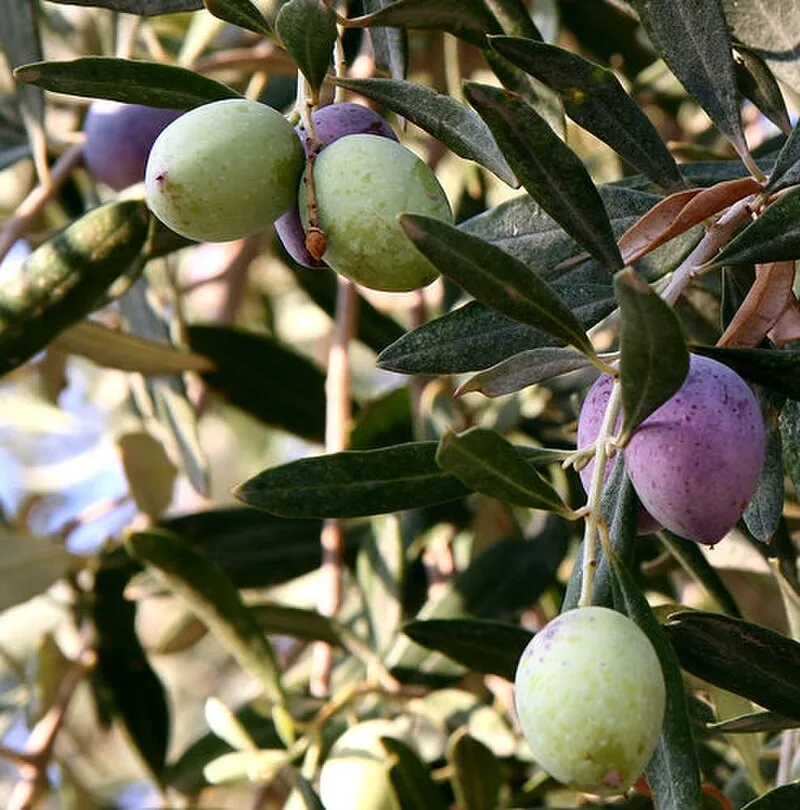
Olive
FruitAncient Mediterranean tree. Hardy enough to withstand light frosts down to -8°C, olive performs best when daytime temperatures stay between 18°C and 30°C. Give it full sun (6-8 hours of direct light daily) and minimal watering — it prefers dry conditions between drinks, and expect to harvest in roughly 1095-1825 days. A favourite of home orchardists and fruit gardeners, it can be trained, pruned, and shaped to fit most spaces.
Needs hot dry summers and mild winters. Must cure olives before eating. Can be planted 2-3 weeks before the last expected frost, giving it a head start on the growing season. Overwatering is the most common mistake. Let soil dry out between waterings and ensure drainage is excellent.
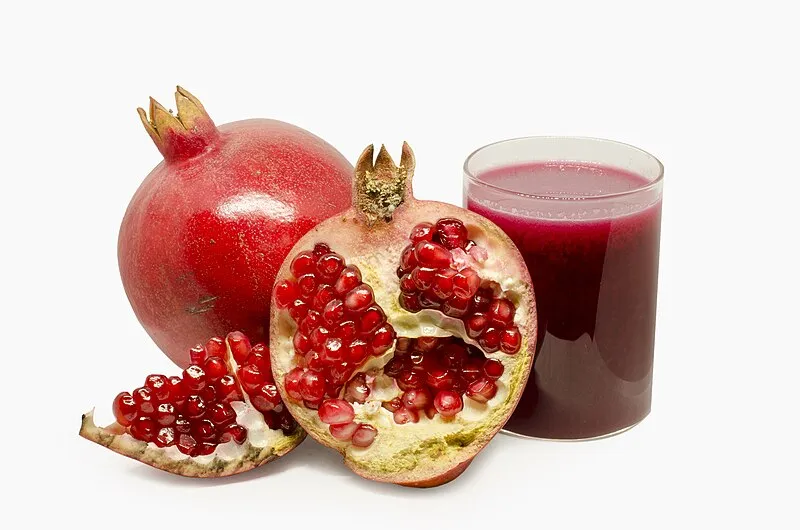
Pomegranate
FruitAncient fruit with ruby seeds (arils). Remarkably adaptable, pomegranate tolerates temperatures from -5°C to 40°C and thrives in both cool-temperate and tropical gardens. Give it full sun (6-8 hours of direct light daily) and minimal watering — it prefers dry conditions between drinks, and expect to harvest in roughly 730-1095 days. Growing your own means harvesting at perfect ripeness, something commercial growers simply cannot match.
Tolerates heat and drought well. Fruit splits if watered unevenly. Can be planted 2-3 weeks before the last expected frost, giving it a head start on the growing season. Overwatering is the most common mistake. Let soil dry out between waterings and ensure drainage is excellent.
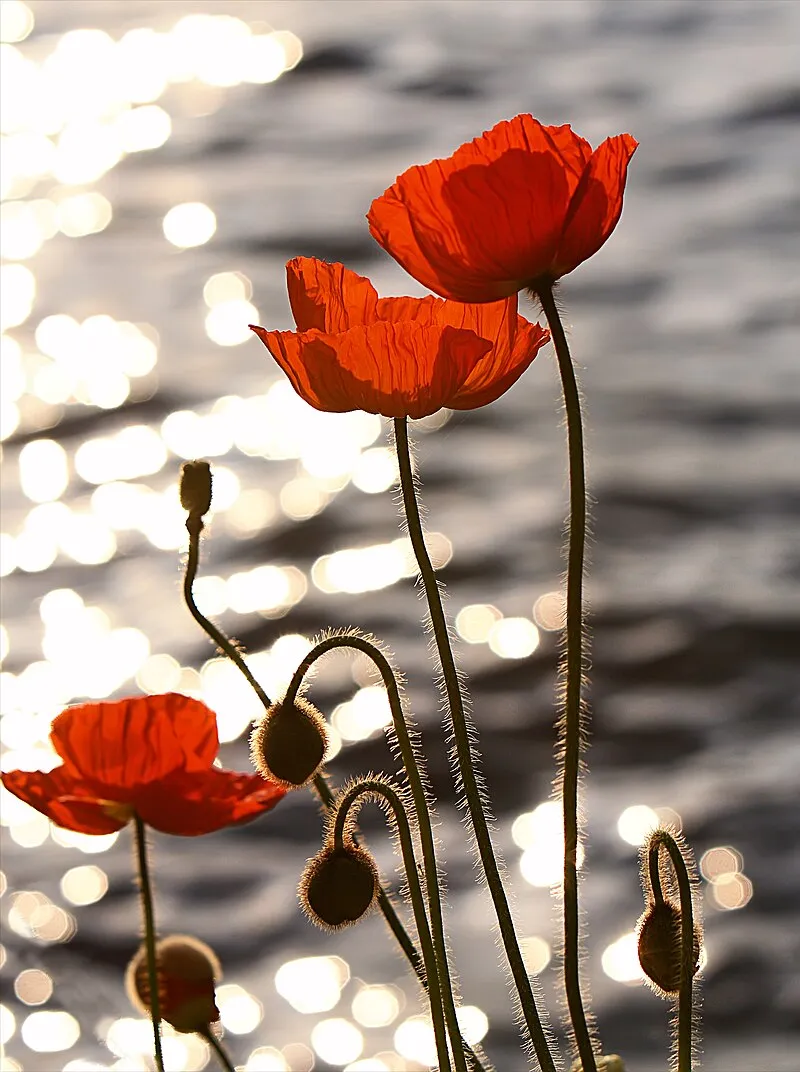
Poppy
FlowerDelicate crepe-paper flowers. Hardy enough to withstand light frosts down to -15°C, poppy performs best when daytime temperatures stay between 10°C and 20°C. Plant in a spot with full sun (6-8 hours of direct light daily) and provide minimal watering — it prefers dry conditions between drinks. Expect blooms in approximately 55-80 days. An easy way to add dramatic colour to any garden, with minimal maintenance once established.
Direct sow -- hates transplanting. Scatter seeds on surface (needs light). Can be planted 2-3 weeks before the last expected frost, giving it a head start on the growing season. Overwatering is the most common mistake. Let soil dry out between waterings and ensure drainage is excellent.
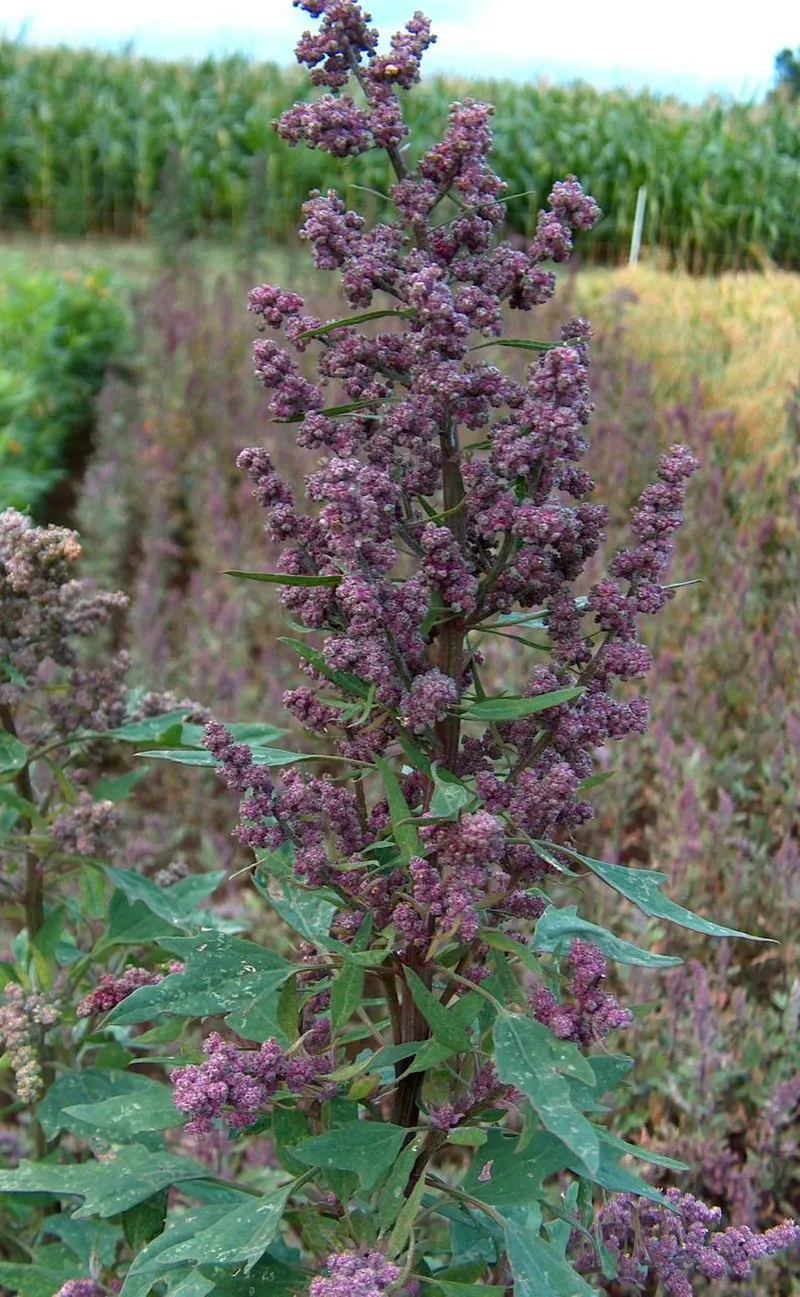
Quinoa
GrainAndean pseudocereal -- complete protein grain. Hardy enough to withstand light frosts down to -2°C, quinoa performs best when daytime temperatures stay between 12°C and 22°C. Requires full sun (6-8 hours of direct light daily) with minimal watering — it prefers dry conditions between drinks. Plan for about 90-120 days from planting to maturity. An adaptable plant that performs well across a wide range of garden settings and growing conditions.
Cool-season crop. Rinse seeds to remove bitter saponins. Can be planted 2-3 weeks before the last expected frost, giving it a head start on the growing season. Overwatering is the most common mistake. Let soil dry out between waterings and ensure drainage is excellent.
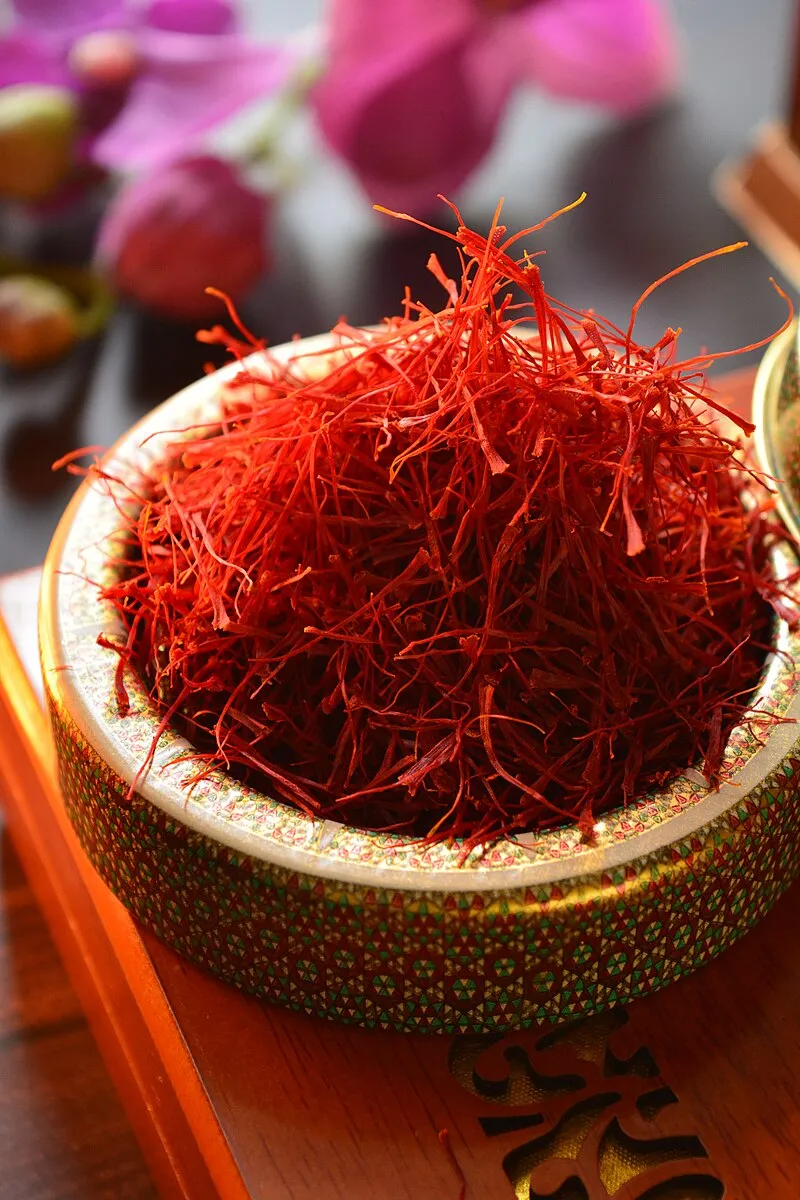
Saffron
SpiceWorld's most expensive spice. Hardy enough to withstand light frosts down to -10°C, saffron performs best when daytime temperatures stay between 12°C and 22°C. It needs full sun (6-8 hours of direct light daily) and minimal watering — it prefers dry conditions between drinks — leaves are ready for picking in about 45-60 days. Fresh leaves from your own garden taste noticeably better than store-bought — and the plant practically grows itself.
Plant corms in late summer. Blooms in fall. Can be planted 2-3 weeks before the last expected frost, giving it a head start on the growing season. Overwatering is the most common mistake. Let soil dry out between waterings and ensure drainage is excellent.
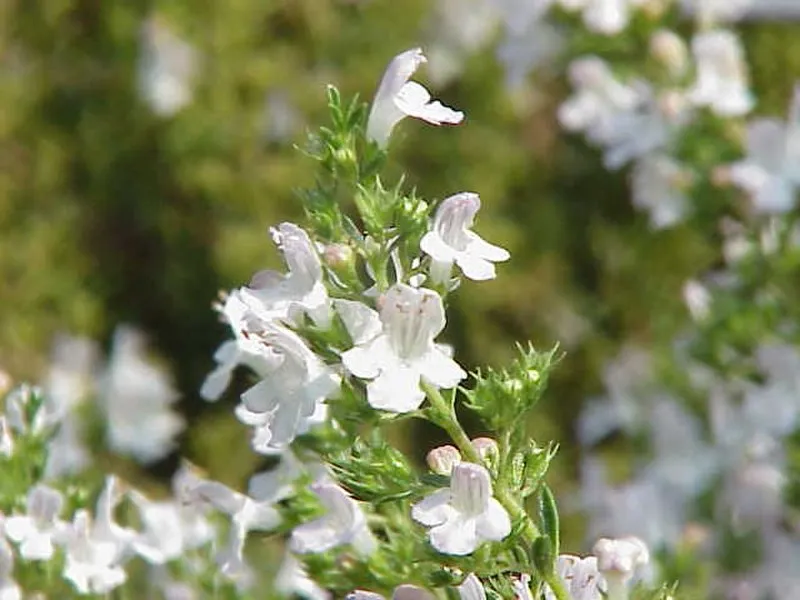
Savory
HerbPeppery herb in two forms: summer savory (annual) and winter savory (perennial). Hardy enough to withstand light frosts down to -10°C, savory performs best when daytime temperatures stay between 12°C and 24°C. It needs full sun (6-8 hours of direct light daily) and minimal watering — it prefers dry conditions between drinks — leaves are ready for picking in about 60-80 days. A kitchen essential that grows equally well on a sunny windowsill, a balcony pot, or a dedicated herb bed.
Summer savory is more delicate. Winter savory is woody and hardier. Can be planted 2-3 weeks before the last expected frost, giving it a head start on the growing season. Overwatering is the most common mistake. Let soil dry out between waterings and ensure drainage is excellent.
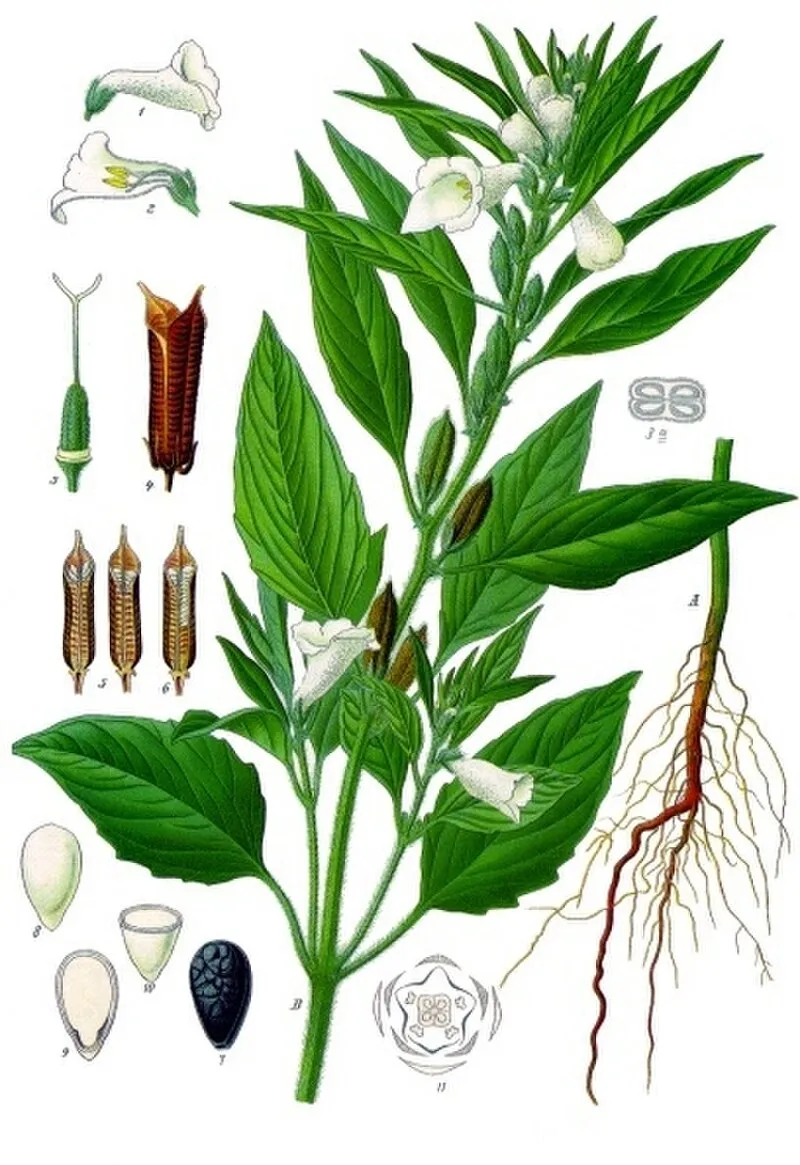
Sesame
GrainAncient oilseed crop producing tiny, flavorful seeds. A warmth-loving plant that does best between 22°C and 32°C, sesame adapts well to tropical and subtropical conditions but cannot tolerate frost. Requires full sun (6-8 hours of direct light daily) with minimal watering — it prefers dry conditions between drinks. Plan for about 90-120 days from planting to maturity. Well suited to home cultivation, it thrives with basic care and rewards consistent attention.
Needs long hot season. Harvest when lower pods start to open. Wait until soil warms to at least 22°C before transplanting outdoors — cold soil stunts growth and can invite root rot. Overwatering is the most common mistake. Let soil dry out between waterings and ensure drainage is excellent.
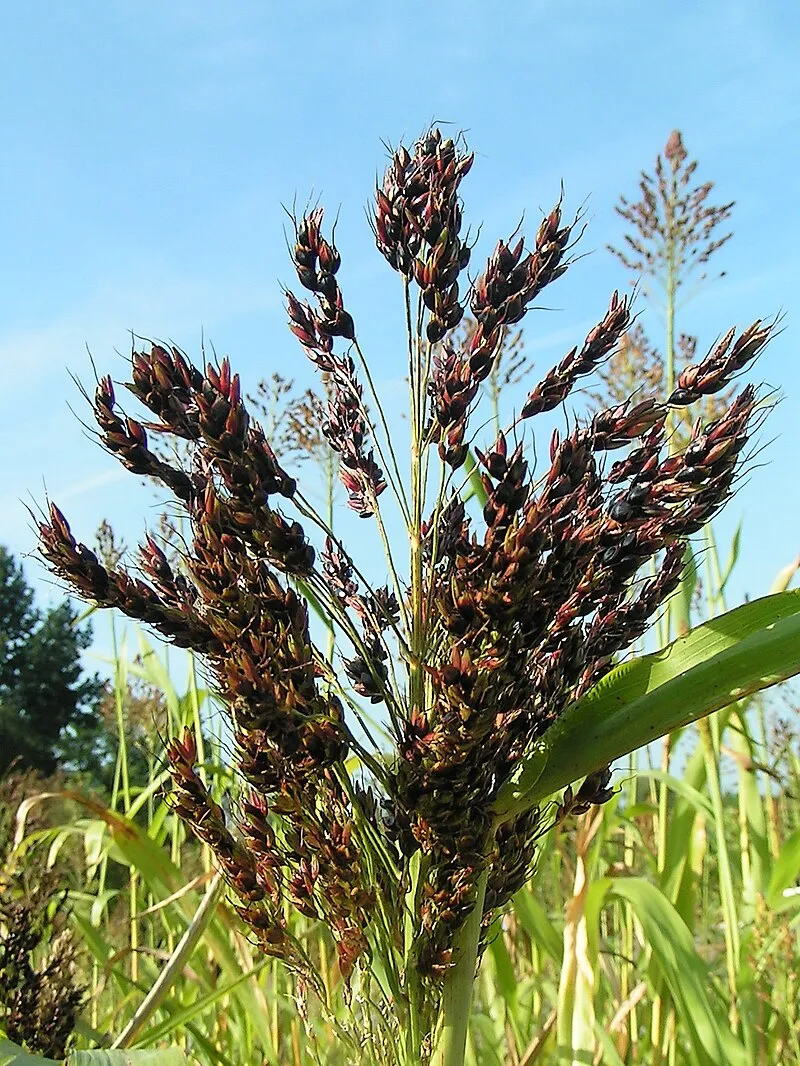
Sorghum
GrainHeat and drought-tolerant grain. A warmth-loving plant that does best between 22°C and 32°C, sorghum adapts well to tropical and subtropical conditions but cannot tolerate frost. Requires full sun (6-8 hours of direct light daily) with minimal watering — it prefers dry conditions between drinks. Plan for about 90-120 days from planting to maturity. A worthwhile addition to any garden, combining low maintenance with satisfying results.
More drought-tolerant than corn. Direct sow when soil is warm. Wait until soil warms to at least 22°C before transplanting outdoors — cold soil stunts growth and can invite root rot. Overwatering is the most common mistake. Let soil dry out between waterings and ensure drainage is excellent.
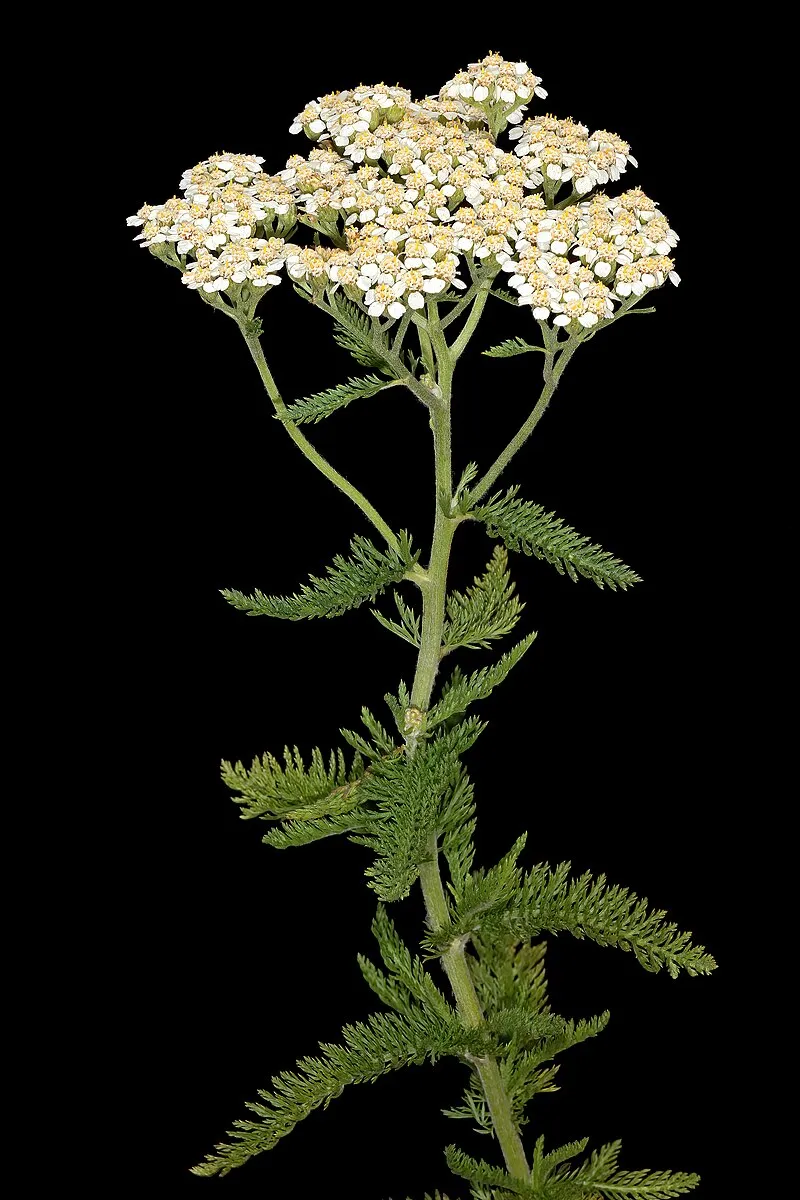
Yarrow
FlowerTough perennial with flat flower clusters. Hardy enough to withstand light frosts down to -25°C, yarrow performs best when daytime temperatures stay between 12°C and 24°C. Plant in a spot with full sun (6-8 hours of direct light daily) and provide minimal watering — it prefers dry conditions between drinks. Expect blooms in approximately 60-90 days. Adds colour and life to borders, beds, and containers from spring through autumn.
Extremely drought-tolerant. Divide every 2-3 years. Can be planted 2-3 weeks before the last expected frost, giving it a head start on the growing season. Overwatering is the most common mistake. Let soil dry out between waterings and ensure drainage is excellent.
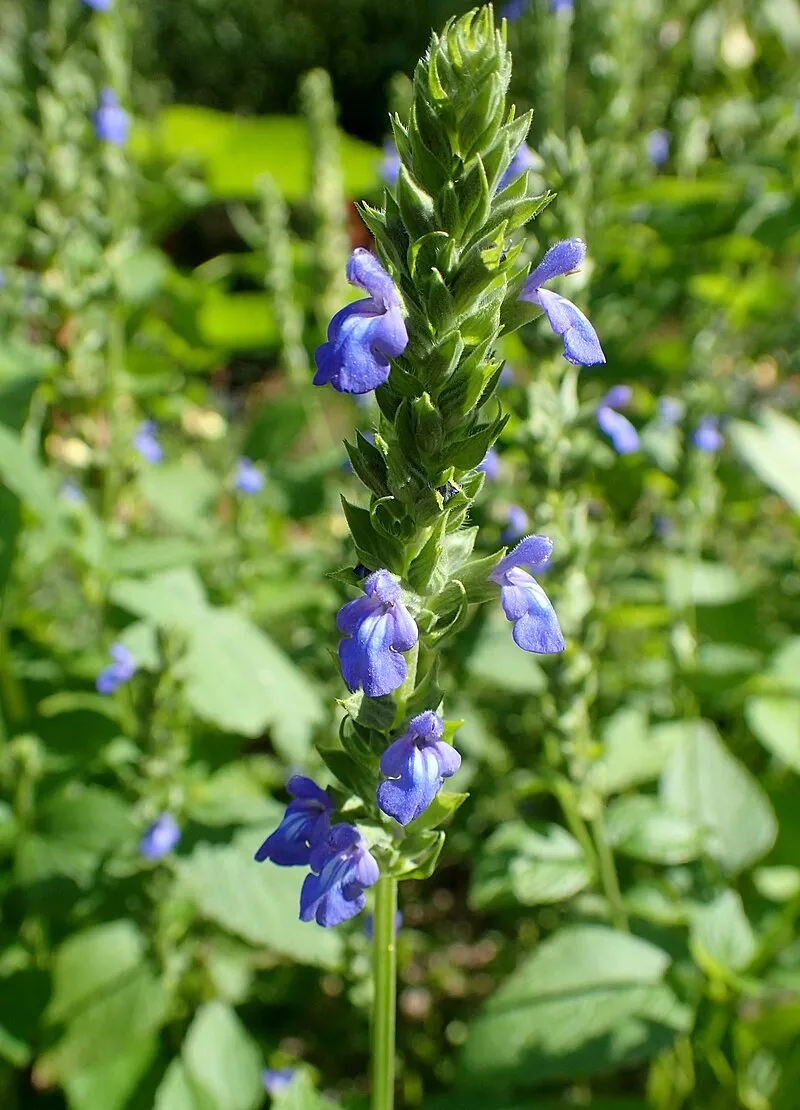
Chia
GrainAztec superfood producing omega-3 rich seeds. A warmth-loving plant that does best between 18°C and 28°C, chia adapts well to tropical and subtropical conditions but cannot tolerate frost. Requires full sun (6-8 hours of direct light daily) with minimal watering — it prefers dry conditions between drinks. Plan for about 90-120 days from planting to maturity. A worthwhile addition to any garden, combining low maintenance with satisfying results.
Needs long season. Harvest when most flowers have dried. Wait until soil warms to at least 18°C before transplanting outdoors — cold soil stunts growth and can invite root rot. Overwatering is the most common mistake. Let soil dry out between waterings and ensure drainage is excellent.
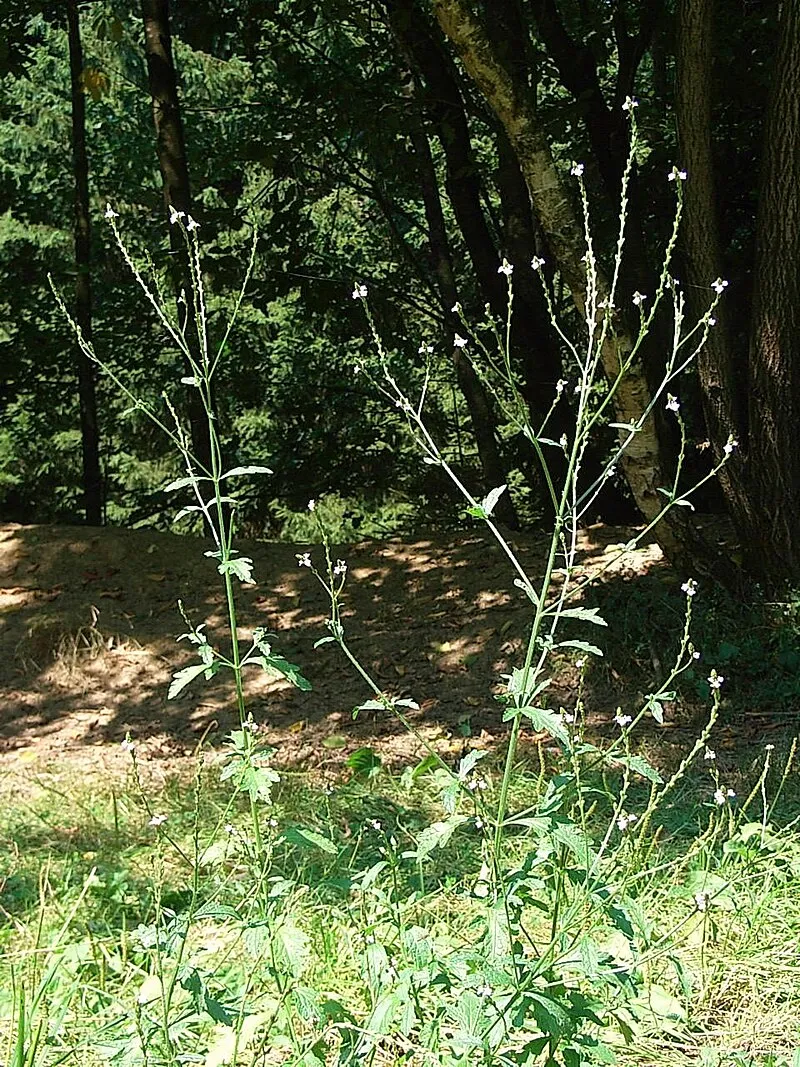
Verbena
FlowerClusters of small flowers in vivid colors. Remarkably adaptable, verbena tolerates temperatures from -5°C to 32°C and thrives in both cool-temperate and tropical gardens. Plant in a spot with full sun (6-8 hours of direct light daily) and provide minimal watering — it prefers dry conditions between drinks. Expect blooms in approximately 60-90 days. Valued as much for its cut-flower potential as for its garden presence — stems last well in a vase.
Deadhead for continuous blooms. Drought-tolerant once established. Can be planted 2-3 weeks before the last expected frost, giving it a head start on the growing season. Overwatering is the most common mistake. Let soil dry out between waterings and ensure drainage is excellent.
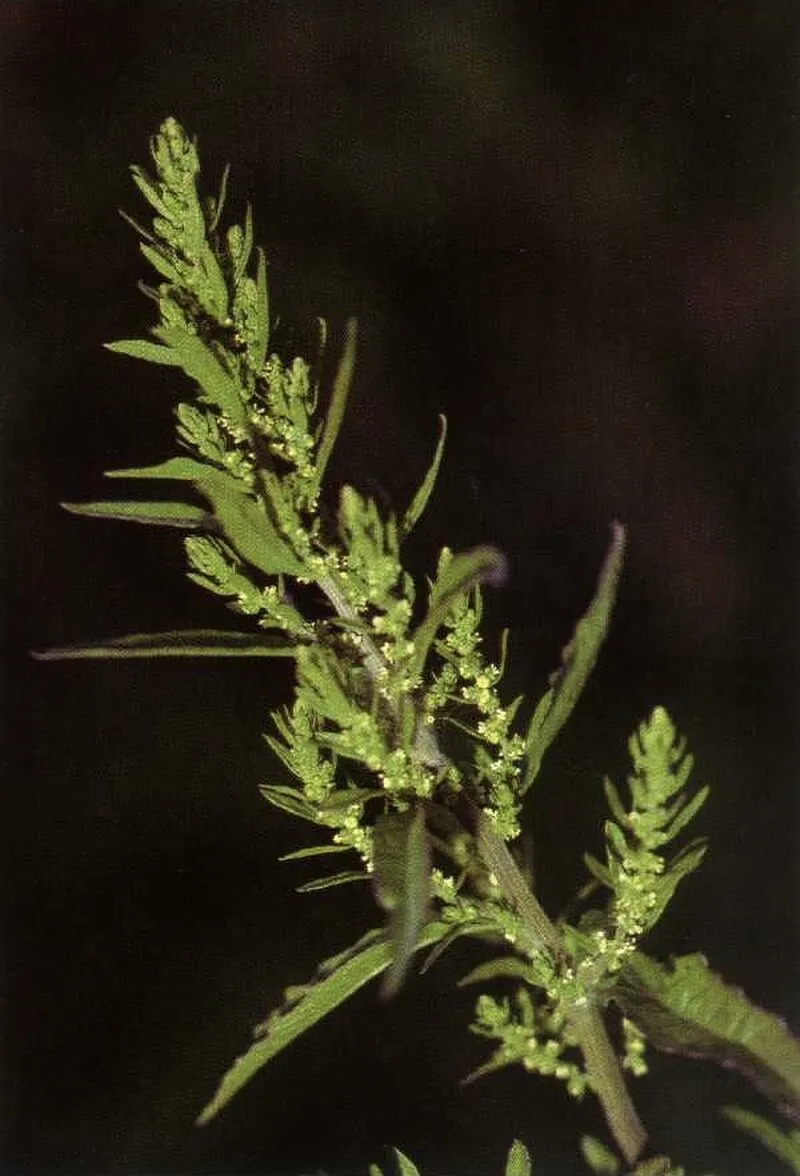
Epazote
HerbMexican herb essential for cooking black beans. A warmth-loving plant that does best between 18°C and 28°C, epazote adapts well to tropical and subtropical conditions but cannot tolerate frost. It needs full sun (6-8 hours of direct light daily) and minimal watering — it prefers dry conditions between drinks — leaves are ready for picking in about 45-60 days. Valued in cuisines worldwide, it is easy to grow and rewards regular harvesting with bushier, more productive plants.
Easy from seed. Self-seeds aggressively. Wait until soil warms to at least 18°C before transplanting outdoors — cold soil stunts growth and can invite root rot. Overwatering is the most common mistake. Let soil dry out between waterings and ensure drainage is excellent.
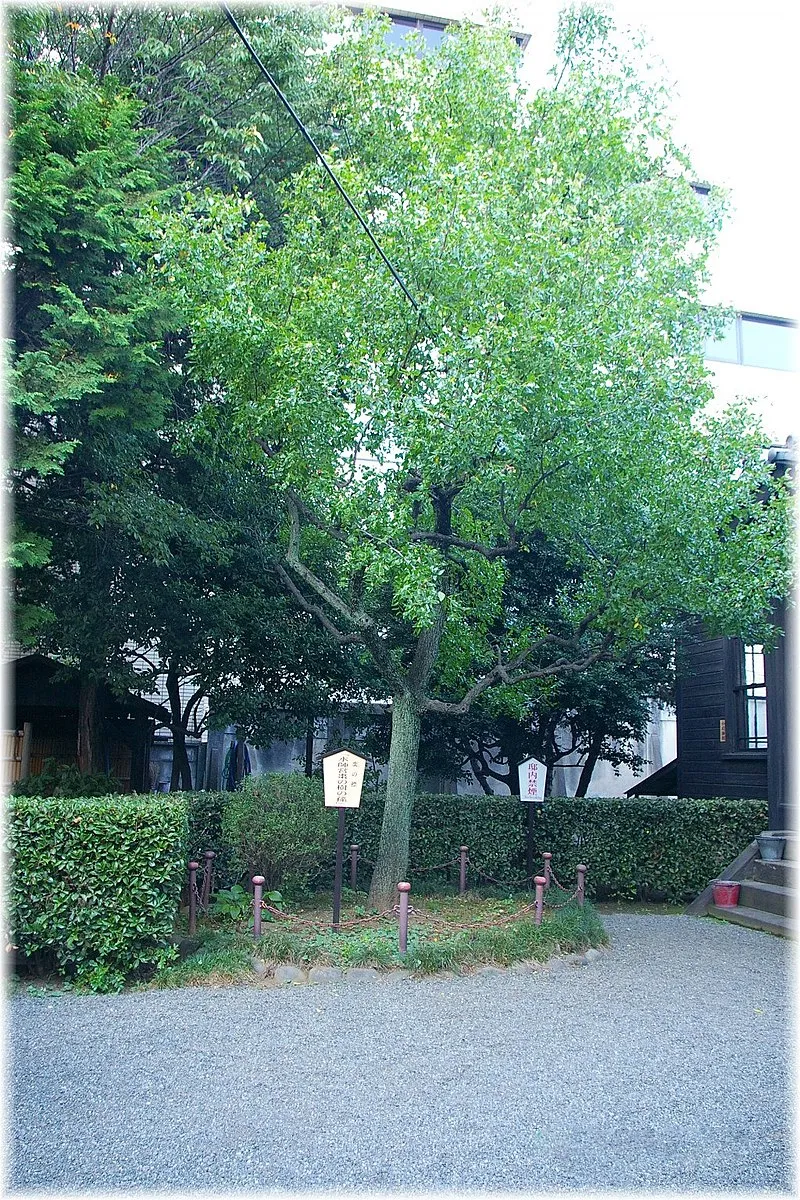
Jujube
FruitChinese date -- sweet, date-like fruit on extremely drought-tolerant tree. Remarkably adaptable, jujube tolerates temperatures from -15°C to 40°C and thrives in both cool-temperate and tropical gardens. Give it full sun (6-8 hours of direct light daily) and minimal watering — it prefers dry conditions between drinks, and expect to harvest in roughly 730-1460 days. Well worth the space it takes — a single productive plant can supply a household through the season.
Thrives in heat and drought. Few pest problems. Can be planted 2-3 weeks before the last expected frost, giving it a head start on the growing season. Overwatering is the most common mistake. Let soil dry out between waterings and ensure drainage is excellent.
Frequently Asked Questions
What vegetables are most drought-tolerant?
The most drought-tolerant edible plants are Mediterranean herbs: rosemary, thyme, sage, oregano, and lavender. These evolved in dry climates and store moisture in their leaves. Among vegetables, chickpeas, lentils, and quinoa are drought-resistant crops. Nasturtiums are drought-tolerant flowers that are also edible. Most leafy vegetables and fruiting crops need regular water to produce well.
How do I reduce water use in my garden?
Mulch heavily around plants to retain soil moisture — a 3-inch layer of wood chips or straw dramatically reduces evaporation. Water deeply but less frequently to encourage deep roots. Use drip irrigation or water at the base of plants rather than overhead. Group drought-tolerant plants together. Choose local or Mediterranean varieties adapted to your dry conditions.
Can drought-resistant plants survive without any watering?
Established drought-resistant plants can survive on rainfall alone in many climates once their root systems are developed (usually after the first year). However, even drought-tolerant plants need regular watering during their first growing season while they establish roots. In extreme heat waves or prolonged drought, even drought-resistant plants benefit from occasional deep watering.