Best Plants for Raised Bed Gardens
Raised beds produce bigger harvests in less space. These 20 plants thrive in the deep, rich, well-drained soil conditions that raised beds provide — and many are perfect companions for each other.
Raised Bed Success Tips
- Fill with 60% topsoil, 30% compost, 10% perlite for a perfect growing medium
- Keep beds max 4 feet wide so you can reach the center from either side
- Rotate plant families each season to prevent soil disease buildup
- Top-dress with compost each spring to replenish nutrients and soil structure
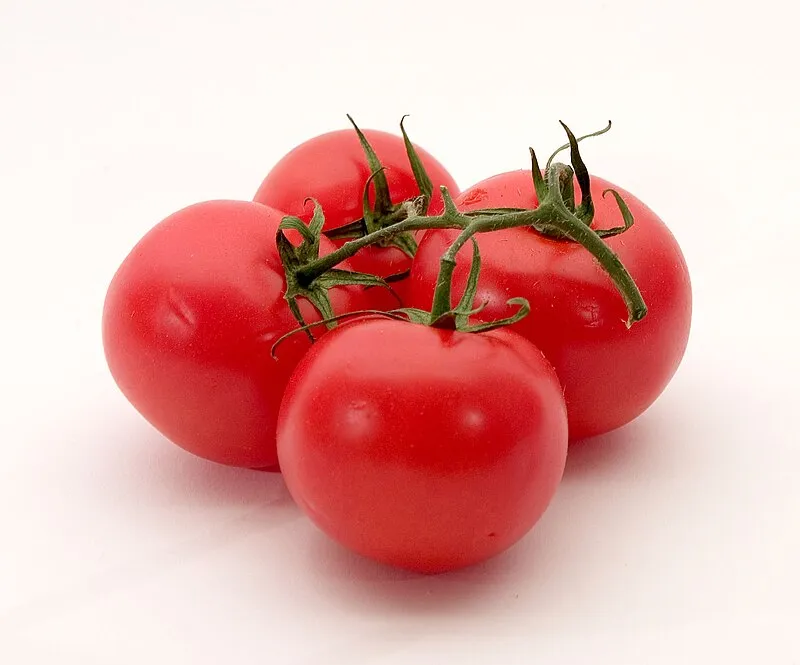
Tomato
VegetableThe world's most popular garden vegetable. A warmth-loving plant that does best between 18°C and 27°C, tomato adapts well to tropical and subtropical conditions but cannot tolerate frost. Give it full sun (6-8 hours of direct light daily) and regular watering to keep soil consistently moist, and expect to harvest in roughly 60-85 days. A staple of kitchen gardens and allotments, it rewards even first-time growers with a generous harvest.
Start indoors 6-8 weeks before last frost. Needs staking or caging. Wait until soil warms to at least 18°C before transplanting outdoors — cold soil stunts growth and can invite root rot. Aim for about 2.5 cm of water per week, adjusting for rainfall. Organic mulch around the base helps maintain even moisture.
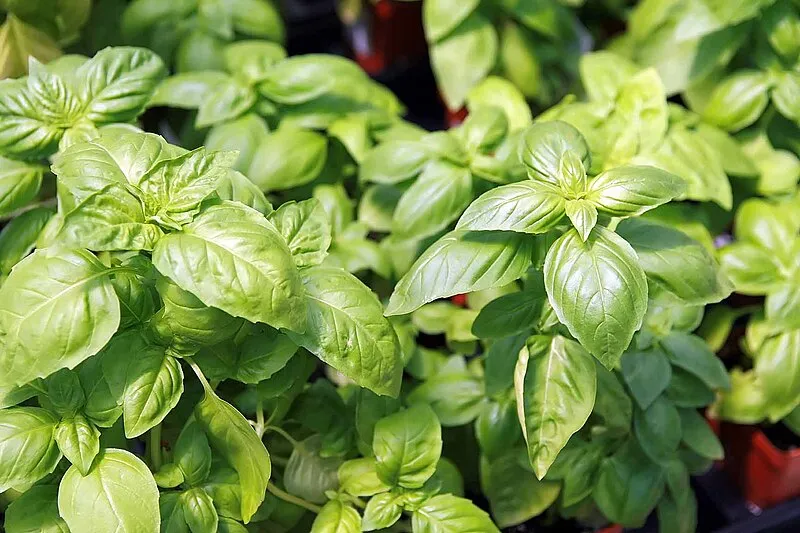
Basil
HerbEssential culinary herb with fragrant leaves. A warmth-loving plant that does best between 20°C and 30°C, basil adapts well to tropical and subtropical conditions but cannot tolerate frost. It needs full sun (6-8 hours of direct light daily) and regular watering to keep soil consistently moist — leaves are ready for picking in about 50-75 days. Valued in cuisines worldwide, it is easy to grow and rewards regular harvesting with bushier, more productive plants.
Pinch flower buds to encourage leaf growth. Harvest from top down. Wait until soil warms to at least 20°C before transplanting outdoors — cold soil stunts growth and can invite root rot. Aim for about 2.5 cm of water per week, adjusting for rainfall. Organic mulch around the base helps maintain even moisture.
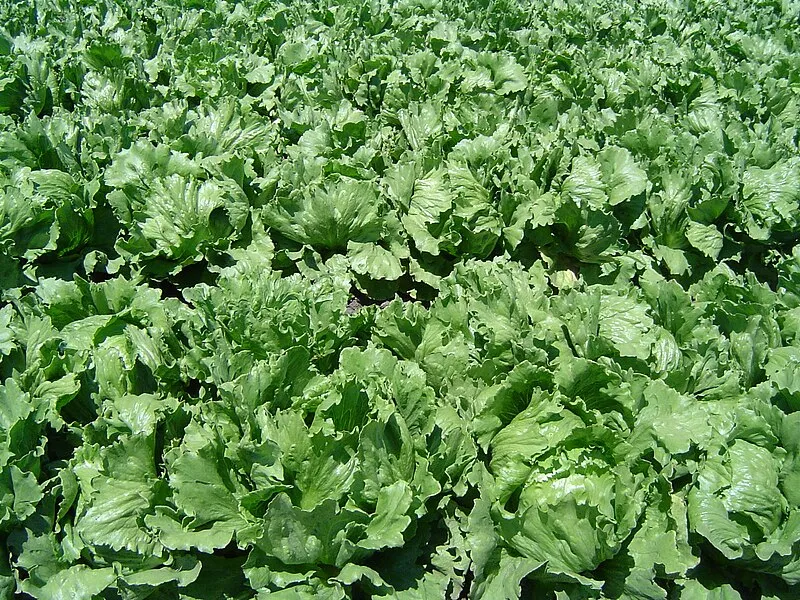
Lettuce
VegetableCool-season crop perfect for spring and fall. Hardy enough to withstand light frosts down to 2°C, lettuce performs best when daytime temperatures stay between 10°C and 20°C. Give it partial shade, though it appreciates some direct light and regular watering to keep soil consistently moist, and expect to harvest in roughly 30-60 days. Whether grown in raised beds, containers, or traditional plots, it produces well across a range of climates.
Sow successively every 2 weeks. Provide afternoon shade in warmer climates. Can be planted 2-3 weeks before the last expected frost, giving it a head start on the growing season. Aim for about 2.5 cm of water per week, adjusting for rainfall. Organic mulch around the base helps maintain even moisture.
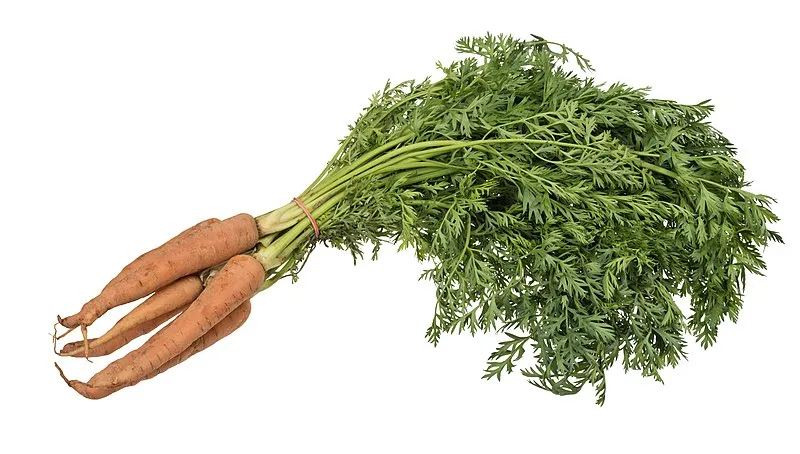
Carrot
VegetableRoot vegetable that sweetens after a light frost. Hardy enough to withstand light frosts down to 4°C, carrot performs best when daytime temperatures stay between 15°C and 24°C. Give it full sun (6-8 hours of direct light daily) and regular watering to keep soil consistently moist, and expect to harvest in roughly 70-80 days. An excellent choice for beginner and experienced gardeners alike, thanks to its forgiving growing habits.
Sow directly -- don't transplant. Thin to 5cm spacing. Can be planted 2-3 weeks before the last expected frost, giving it a head start on the growing season. Aim for about 2.5 cm of water per week, adjusting for rainfall. Organic mulch around the base helps maintain even moisture.
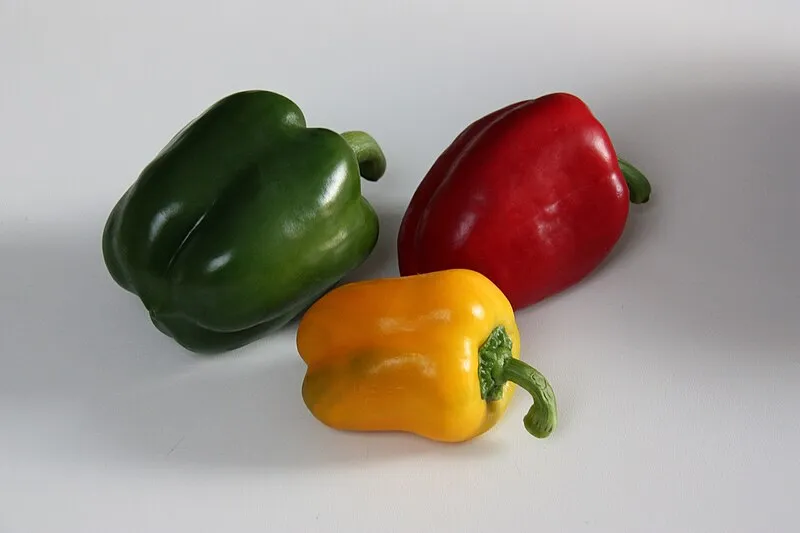
Pepper
VegetableHeat-loving plants ranging from sweet bell peppers to fiery chilies. A warmth-loving plant that does best between 20°C and 30°C, pepper adapts well to tropical and subtropical conditions but cannot tolerate frost. Give it full sun (6-8 hours of direct light daily) and moderate, even watering throughout the growing season, and expect to harvest in roughly 60-90 days. Widely grown in home gardens around the world, it adapts to a range of soil types and growing conditions.
Start indoors 8-10 weeks before last frost. Mulch heavily. Wait until soil warms to at least 20°C before transplanting outdoors — cold soil stunts growth and can invite root rot. Water steadily but avoid soggy soil. A 5-cm layer of organic mulch helps balance moisture and suppress weeds.
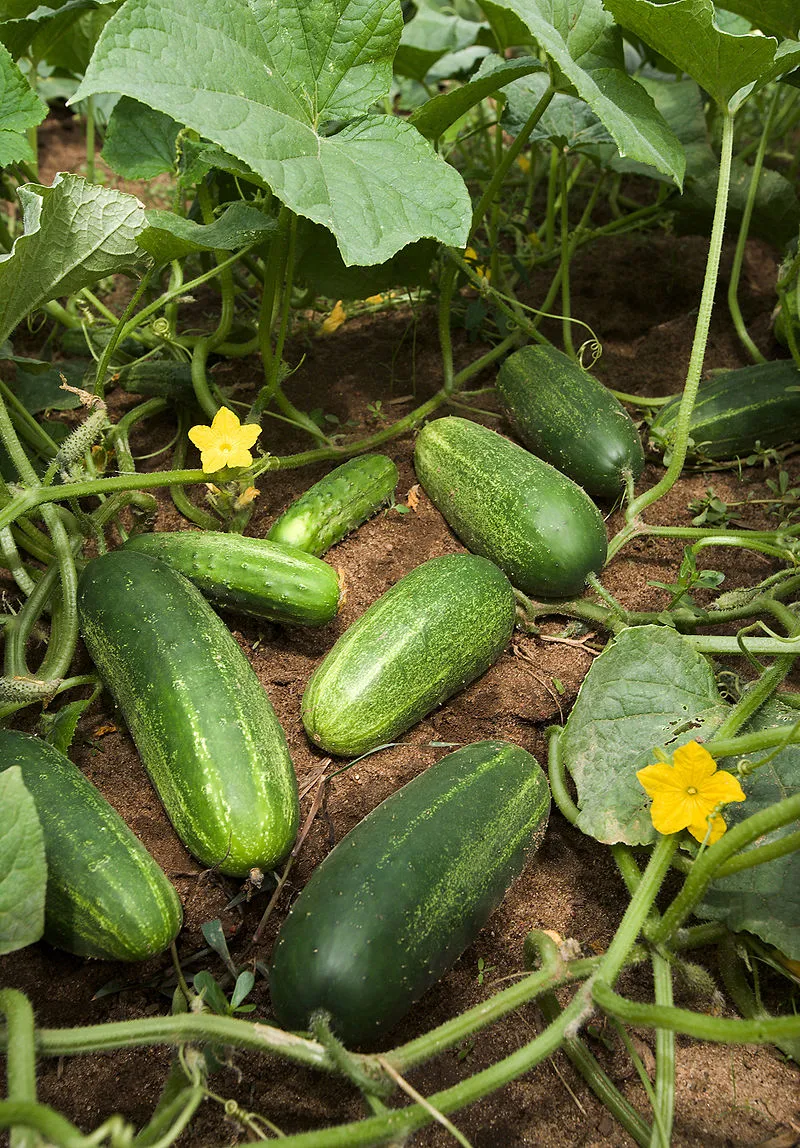
Cucumber
VegetableFast-growing vine that produces abundantly in warm weather. A warmth-loving plant that does best between 20°C and 30°C, cucumber adapts well to tropical and subtropical conditions but cannot tolerate frost. Give it full sun (6-8 hours of direct light daily) and frequent watering — it is a thirsty plant that dislikes dry soil, and expect to harvest in roughly 50-70 days. A staple of kitchen gardens and allotments, it rewards even first-time growers with a generous harvest.
Provide trellis for climbing varieties. Pick frequently to encourage production. Wait until soil warms to at least 20°C before transplanting outdoors — cold soil stunts growth and can invite root rot. Consistent moisture is critical. Mulch with straw or compost to retain soil moisture and keep roots cool during hot weather.
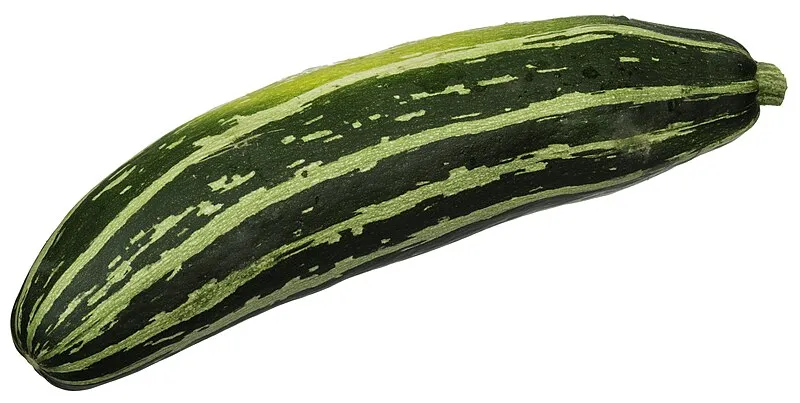
Zucchini
VegetableProlific summer squash -- one plant can feed a family. A warmth-loving plant that does best between 18°C and 27°C, zucchini adapts well to tropical and subtropical conditions but cannot tolerate frost. Give it full sun (6-8 hours of direct light daily) and regular watering to keep soil consistently moist, and expect to harvest in roughly 45-60 days. Popular with home gardeners for its reliable yields and straightforward growing requirements.
Harvest when 15-20cm long for best flavor. Check daily -- they grow fast. Wait until soil warms to at least 18°C before transplanting outdoors — cold soil stunts growth and can invite root rot. Aim for about 2.5 cm of water per week, adjusting for rainfall. Organic mulch around the base helps maintain even moisture.
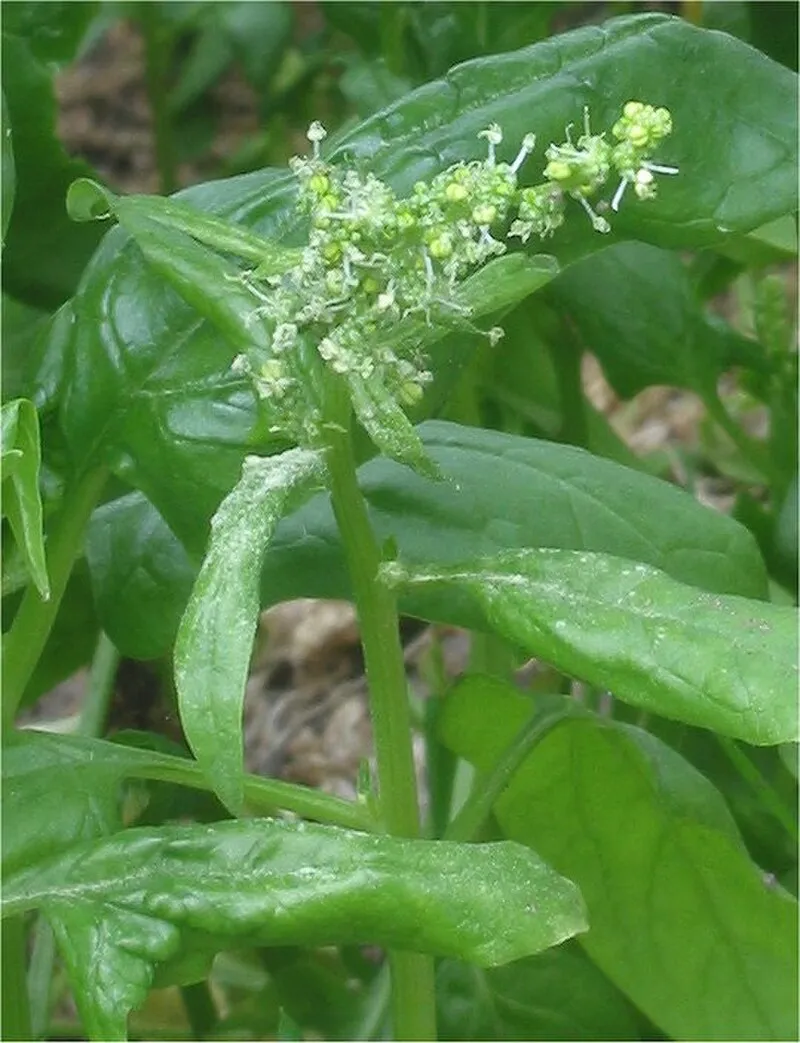
Spinach
VegetableNutrient-dense cool-season green. Hardy enough to withstand light frosts down to -5°C, spinach performs best when daytime temperatures stay between 5°C and 18°C. Give it partial shade, though it appreciates some direct light and regular watering to keep soil consistently moist, and expect to harvest in roughly 37-45 days. Whether grown in raised beds, containers, or traditional plots, it produces well across a range of climates.
Sow as soon as soil can be worked. Bolts quickly in heat -- grow in spring/fall. Can be planted 2-3 weeks before the last expected frost, giving it a head start on the growing season. Aim for about 2.5 cm of water per week, adjusting for rainfall. Organic mulch around the base helps maintain even moisture.
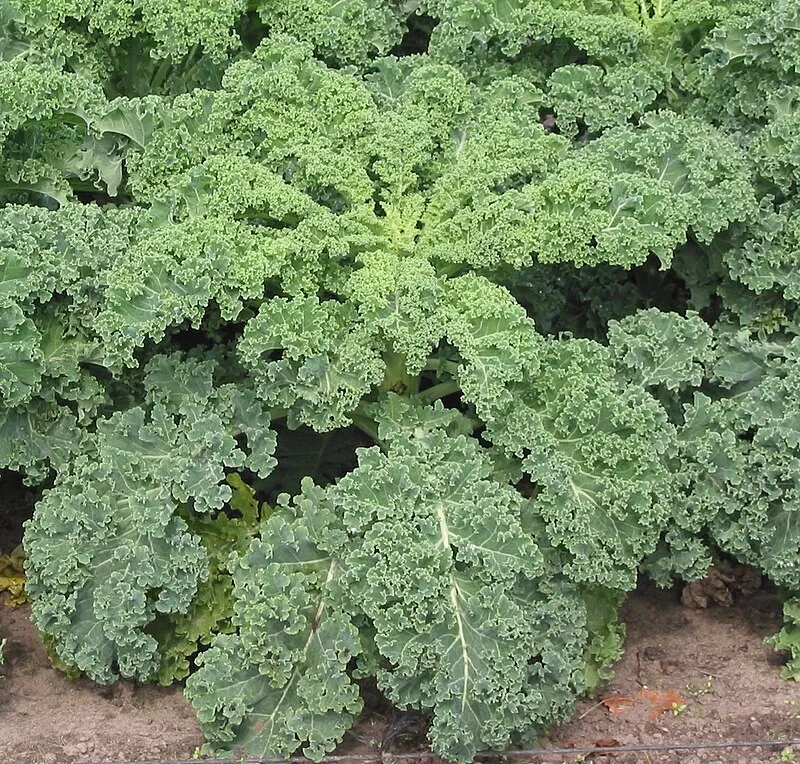
Kale
VegetableExtremely cold-hardy superfood. Hardy enough to withstand light frosts down to -10°C, kale performs best when daytime temperatures stay between 5°C and 20°C. Give it full sun to partial shade and regular watering to keep soil consistently moist, and expect to harvest in roughly 55-75 days. An excellent choice for beginner and experienced gardeners alike, thanks to its forgiving growing habits.
One of the hardiest garden crops. Can overwinter in many climates with mulch. Can be planted 2-3 weeks before the last expected frost, giving it a head start on the growing season. Aim for about 2.5 cm of water per week, adjusting for rainfall. Organic mulch around the base helps maintain even moisture.
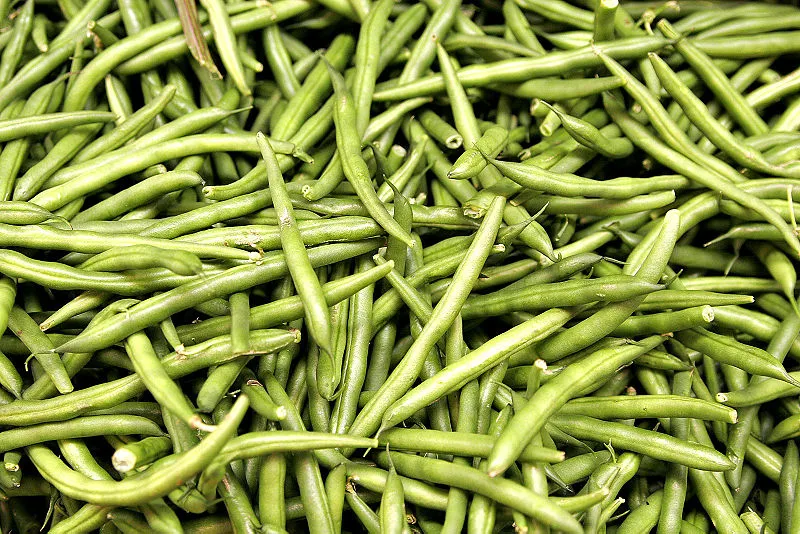
Green Bean
VegetableEasy warm-season crop. A warmth-loving plant that does best between 18°C and 27°C, green bean adapts well to tropical and subtropical conditions but cannot tolerate frost. Give it full sun (6-8 hours of direct light daily) and regular watering to keep soil consistently moist, and expect to harvest in roughly 50-60 days. Whether grown in raised beds, containers, or traditional plots, it produces well across a range of climates.
Sow directly after last frost. Pick frequently to keep plants producing. Wait until soil warms to at least 18°C before transplanting outdoors — cold soil stunts growth and can invite root rot. Aim for about 2.5 cm of water per week, adjusting for rainfall. Organic mulch around the base helps maintain even moisture.
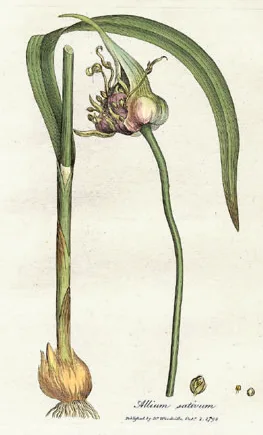
Garlic
VegetablePlant in fall, harvest in summer. Hardy enough to withstand light frosts down to -15°C, garlic performs best when daytime temperatures stay between 5°C and 20°C. Give it full sun (6-8 hours of direct light daily) and moderate, even watering throughout the growing season, and expect to harvest in roughly 240-270 days. A staple of kitchen gardens and allotments, it rewards even first-time growers with a generous harvest.
Plant individual cloves pointed end up, 5cm deep. Hardneck varieties for cold climates. Can be planted 2-3 weeks before the last expected frost, giving it a head start on the growing season. Water steadily but avoid soggy soil. A 5-cm layer of organic mulch helps balance moisture and suppress weeds.
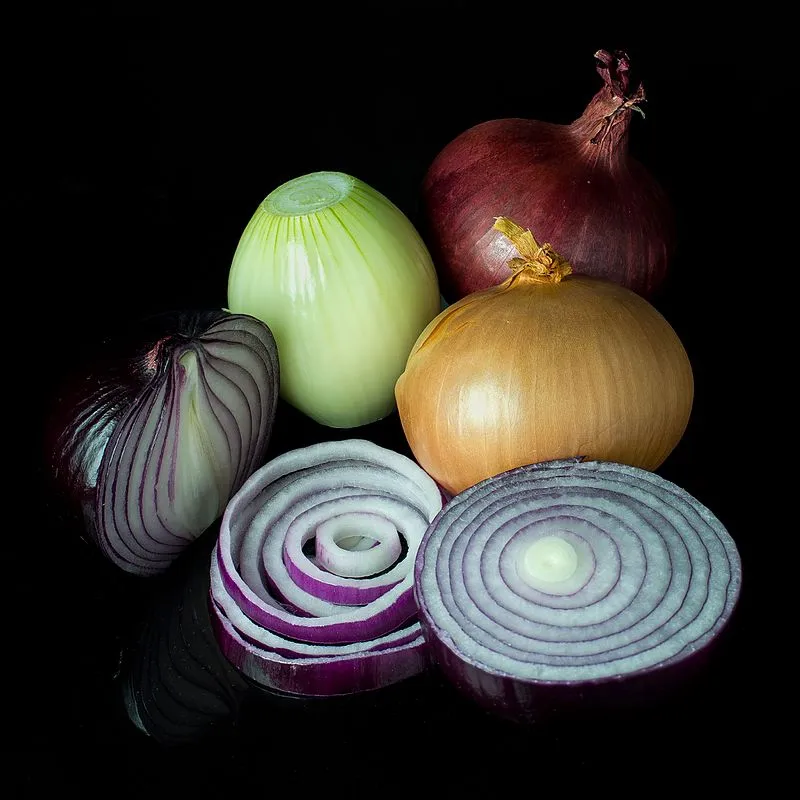
Onion
VegetableLong-season crop. Hardy enough to withstand light frosts down to -2°C, onion performs best when daytime temperatures stay between 12°C and 24°C. Give it full sun (6-8 hours of direct light daily) and regular watering to keep soil consistently moist, and expect to harvest in roughly 90-120 days. Popular with home gardeners for its reliable yields and straightforward growing requirements.
Day length triggers bulbing -- choose variety appropriate for your latitude. Can be planted 2-3 weeks before the last expected frost in your area, giving it a head start on the growing season. Can be planted 2-3 weeks before the last expected frost, giving it a head start on the growing season. Aim for about 2.5 cm of water per week, adjusting for rainfall. Organic mulch around the base helps maintain even moisture.
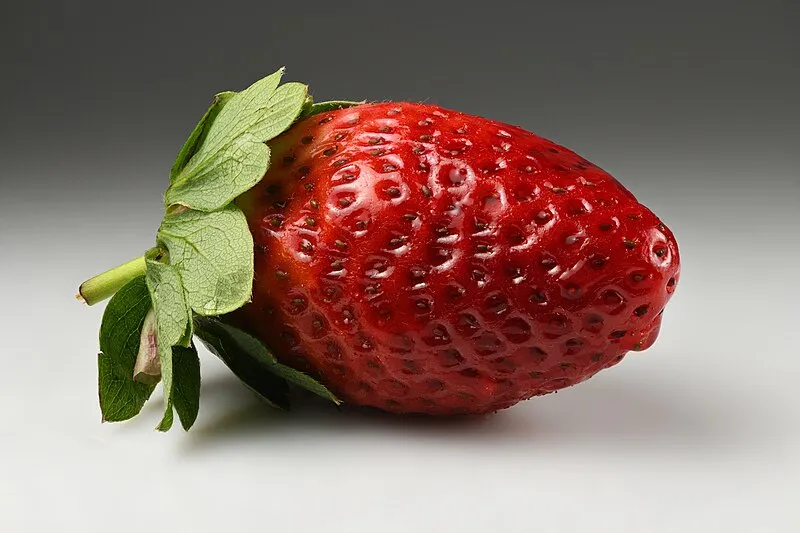
Strawberry
FruitPerennial fruit that produces for years. Hardy enough to withstand light frosts down to -10°C, strawberry performs best when daytime temperatures stay between 15°C and 25°C. Give it full sun (6-8 hours of direct light daily) and regular watering to keep soil consistently moist, and expect to harvest in roughly 60-90 days. A favourite of home orchardists and fruit gardeners, it can be trained, pruned, and shaped to fit most spaces.
Remove first-year flowers for stronger plants. Mulch with straw to prevent mud splash. Can be planted 2-3 weeks before the last expected frost, giving it a head start on the growing season. Aim for about 2.5 cm of water per week, adjusting for rainfall. Organic mulch around the base helps maintain even moisture.
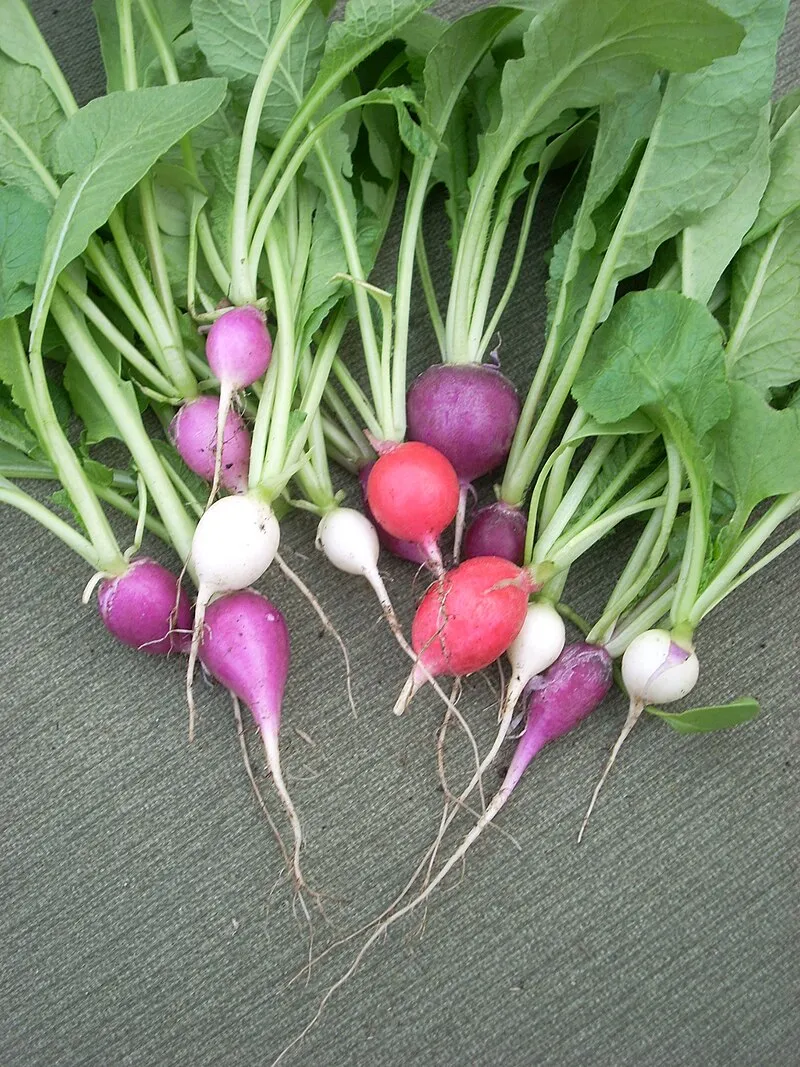
Radish
VegetableThe fastest vegetable -- harvest in as little as 3 weeks. Hardy enough to withstand light frosts down to 2°C, radish performs best when daytime temperatures stay between 10°C and 18°C. Give it full sun (6-8 hours of direct light daily) and regular watering to keep soil consistently moist, and expect to harvest in roughly 22-30 days. Popular with home gardeners for its reliable yields and straightforward growing requirements.
Sow directly. Don't let soil dry out or roots will be pithy. Can be planted 2-3 weeks before the last expected frost, giving it a head start on the growing season. Aim for about 2.5 cm of water per week, adjusting for rainfall. Organic mulch around the base helps maintain even moisture.
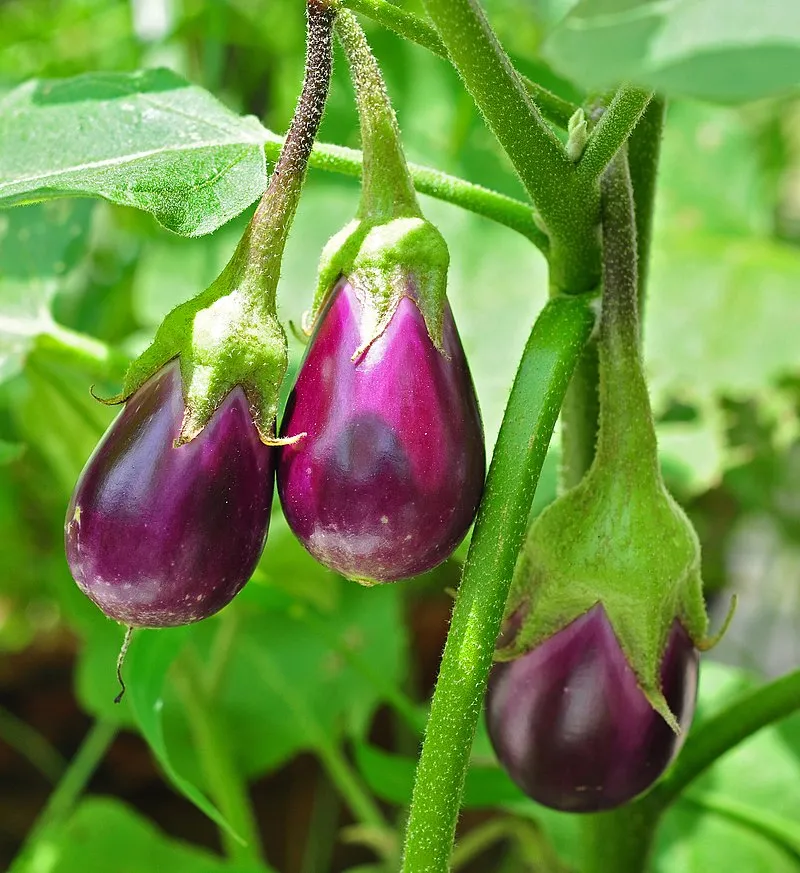
Eggplant
VegetableHeat-loving nightshade. A warmth-loving plant that does best between 22°C and 30°C, eggplant adapts well to tropical and subtropical conditions but cannot tolerate frost. Give it full sun (6-8 hours of direct light daily) and regular watering to keep soil consistently moist, and expect to harvest in roughly 65-80 days. A staple of kitchen gardens and allotments, it rewards even first-time growers with a generous harvest.
Start indoors 8 weeks before last frost. Needs warm soil -- use black mulch. Wait until soil warms to at least 22°C before transplanting outdoors — cold soil stunts growth and can invite root rot. Aim for about 2.5 cm of water per week, adjusting for rainfall. Organic mulch around the base helps maintain even moisture.
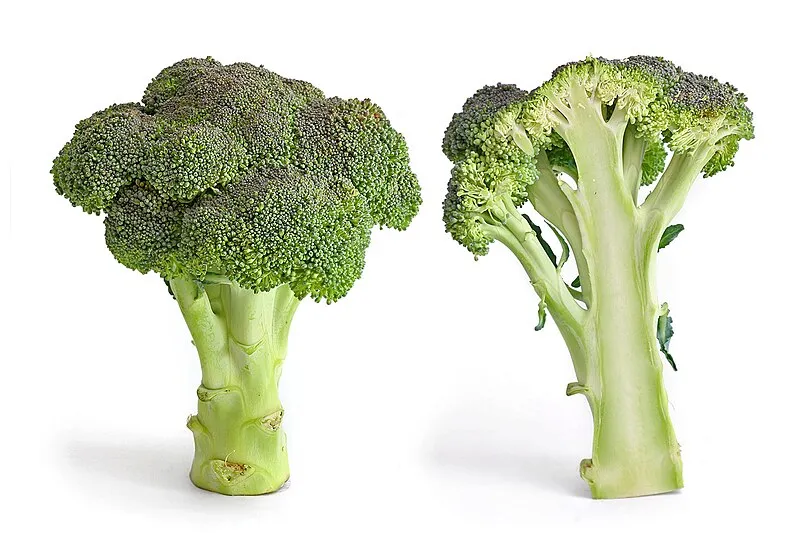
Broccoli
VegetableCool-season brassica. Hardy enough to withstand light frosts down to -2°C, broccoli performs best when daytime temperatures stay between 10°C and 20°C. Give it full sun (6-8 hours of direct light daily) and regular watering to keep soil consistently moist, and expect to harvest in roughly 55-80 days. Popular with home gardeners for its reliable yields and straightforward growing requirements.
Plant for spring or fall harvest. Heat causes bolting. Can be planted 2-3 weeks before the last expected frost, giving it a head start on the growing season. Aim for about 2.5 cm of water per week, adjusting for rainfall. Organic mulch around the base helps maintain even moisture.
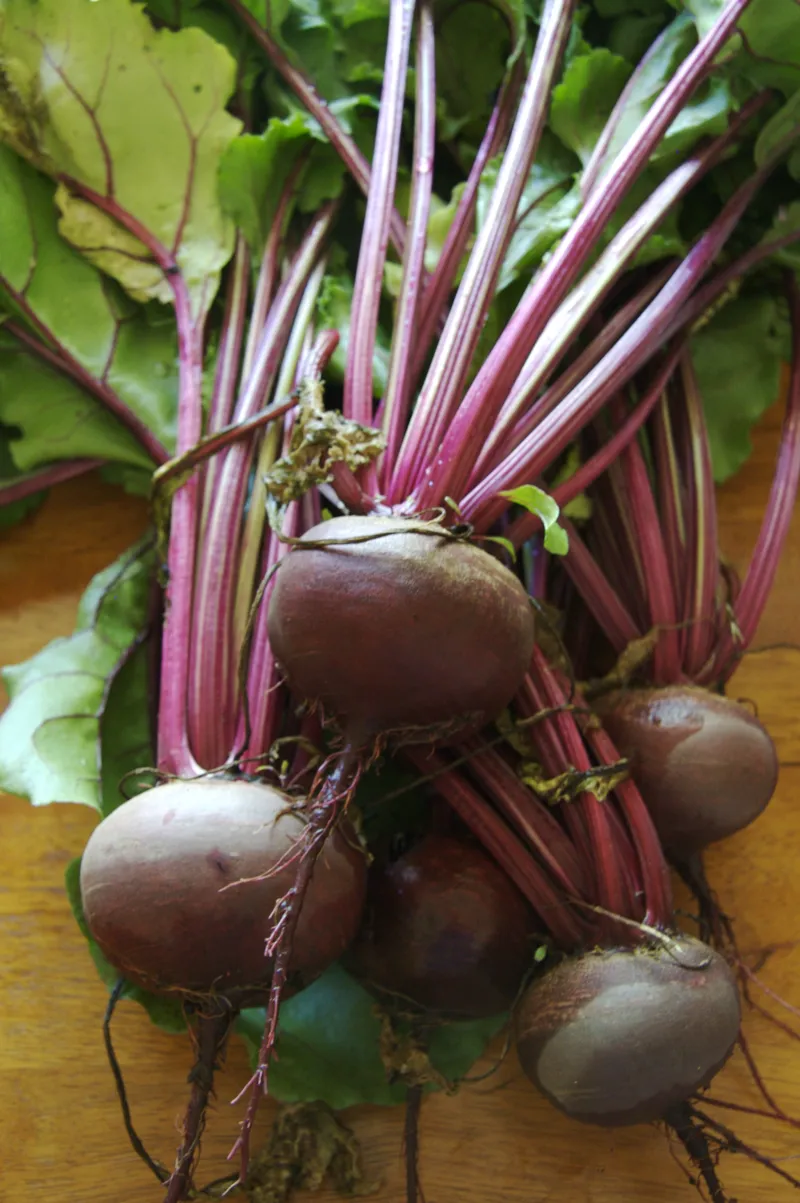
Beet
VegetableDual-purpose root vegetable -- eat both roots and nutritious greens. Hardy enough to withstand light frosts down to 2°C, beet performs best when daytime temperatures stay between 10°C and 22°C. Give it full sun (6-8 hours of direct light daily) and regular watering to keep soil consistently moist, and expect to harvest in roughly 50-70 days. Popular with home gardeners for its reliable yields and straightforward growing requirements.
Soak seeds overnight before planting. Thin seedlings to 8cm. Can be planted 2-3 weeks before the last expected frost, giving it a head start on the growing season. Aim for about 2.5 cm of water per week, adjusting for rainfall. Organic mulch around the base helps maintain even moisture.
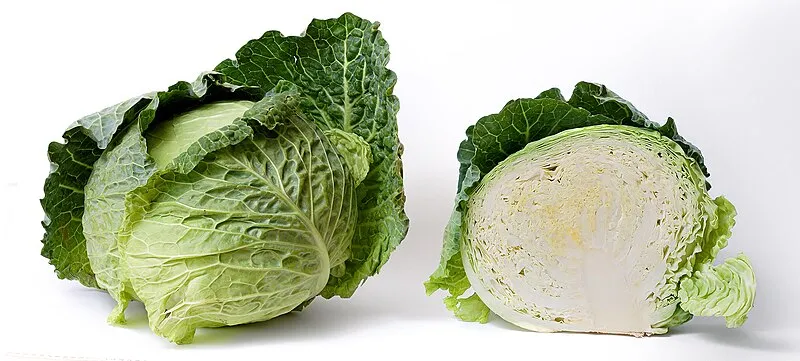
Cabbage
VegetableVersatile cool-season crop. Hardy enough to withstand light frosts down to -2°C, cabbage performs best when daytime temperatures stay between 10°C and 20°C. Give it full sun (6-8 hours of direct light daily) and regular watering to keep soil consistently moist, and expect to harvest in roughly 70-100 days. An excellent choice for beginner and experienced gardeners alike, thanks to its forgiving growing habits.
Start indoors 6 weeks before transplanting. Consistent watering prevents split heads. Can be planted 2-3 weeks before the last expected frost, giving it a head start on the growing season. Aim for about 2.5 cm of water per week, adjusting for rainfall. Organic mulch around the base helps maintain even moisture.
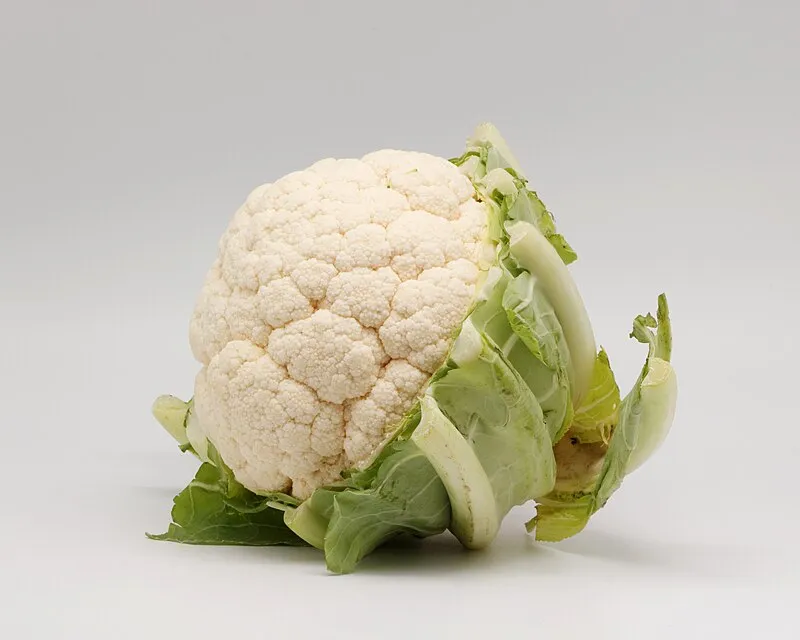
Cauliflower
VegetableDemanding but rewarding brassica. Hardy enough to withstand light frosts down to 0°C, cauliflower performs best when daytime temperatures stay between 10°C and 20°C. Give it full sun (6-8 hours of direct light daily) and regular watering to keep soil consistently moist, and expect to harvest in roughly 55-100 days. Widely grown in home gardens around the world, it adapts to a range of soil types and growing conditions.
Blanch curds by tying leaves over the head. Very sensitive to heat and inconsistent watering. Can be planted 2-3 weeks before the last expected frost, giving it a head start on the growing season. Aim for about 2.5 cm of water per week, adjusting for rainfall. Organic mulch around the base helps maintain even moisture.
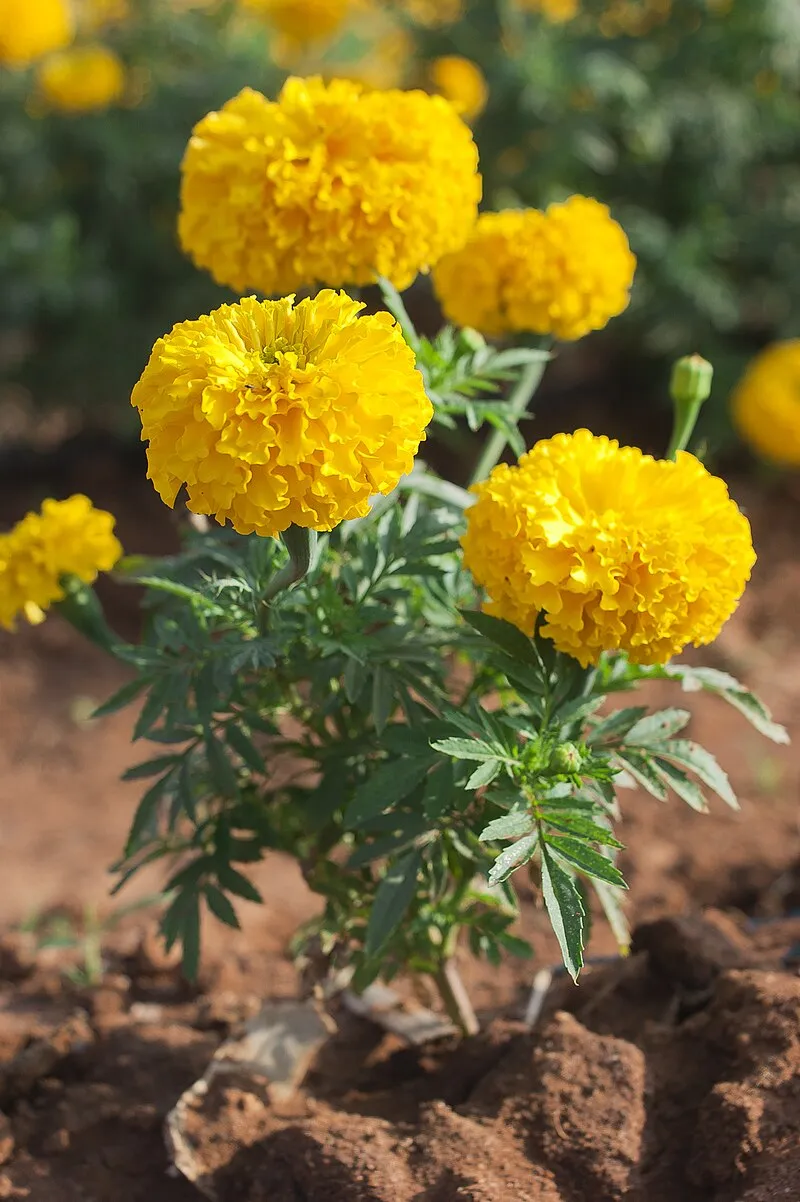
Marigold
FlowerCheerful annual that repels pests. A warmth-loving plant that does best between 18°C and 28°C, marigold adapts well to tropical and subtropical conditions but cannot tolerate frost. Plant in a spot with full sun (6-8 hours of direct light daily) and provide moderate, even watering throughout the growing season. Expect blooms in approximately 45-50 days. Adds colour and life to borders, beds, and containers from spring through autumn.
Deadhead spent flowers for continuous bloom. Plant near tomatoes. Wait until soil warms to at least 18°C before transplanting outdoors — cold soil stunts growth and can invite root rot. Water steadily but avoid soggy soil. A 5-cm layer of organic mulch helps balance moisture and suppress weeds.
Frequently Asked Questions
Why are raised beds better for growing vegetables?
Raised beds offer several advantages over in-ground growing. The soil warms faster in spring, extending your growing season. You control the soil quality completely, using a rich mix ideal for vegetables. Drainage is excellent, preventing root rot. Weeds are easier to manage. There's no soil compaction since you never walk in the bed. And the defined space makes crop rotation and planning straightforward.
How deep should a raised bed be?
Most vegetables need at least 12 inches of soil depth, which is the standard for raised beds. Root vegetables like carrots and beets prefer 18 inches or more. If building over hard clay or compacted soil, 12 inches is typically enough as roots can penetrate into the native soil below. For rooftops or paved surfaces, 12-18 inches is needed. Fill with a mix of topsoil, compost, and aged manure.
What is the best layout for a raised bed garden?
Make your raised bed no wider than 4 feet so you can reach the center from both sides without stepping in. Length can be anything — 4x4, 4x8, or 4x12 are popular sizes. Plant tall plants like tomatoes and corn on the north side so they don't shade shorter plants. Use the square foot gardening method to maximize space: 1 tomato per square foot, 16 radishes per square foot, 9 spinach per square foot.