Best Herbs to Grow Indoors
Fresh herbs at your fingertips, year-round. These 44 herbs can thrive on a sunny windowsill, kitchen counter, or under grow lights — no garden required.
Indoor Herb Growing Tips
- South-facing windows provide the most light — rotate pots weekly for even growth
- Harvest frequently — cutting herbs regularly keeps them bushy and productive
- Keep mint in its own pot — it spreads aggressively and will crowd out neighbors
- Avoid placing herbs near heating vents — dry heat causes wilting and bolting
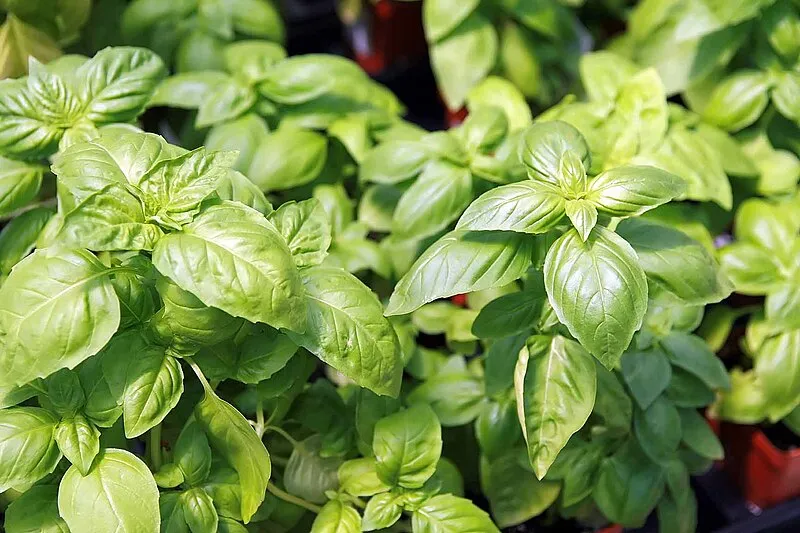
Basil
HerbEssential culinary herb with fragrant leaves. A warmth-loving plant that does best between 20°C and 30°C, basil adapts well to tropical and subtropical conditions but cannot tolerate frost. It needs full sun (6-8 hours of direct light daily) and regular watering to keep soil consistently moist — leaves are ready for picking in about 50-75 days. Valued in cuisines worldwide, it is easy to grow and rewards regular harvesting with bushier, more productive plants.
Pinch flower buds to encourage leaf growth. Harvest from top down. Wait until soil warms to at least 20°C before transplanting outdoors — cold soil stunts growth and can invite root rot. Aim for about 2.5 cm of water per week, adjusting for rainfall. Organic mulch around the base helps maintain even moisture.
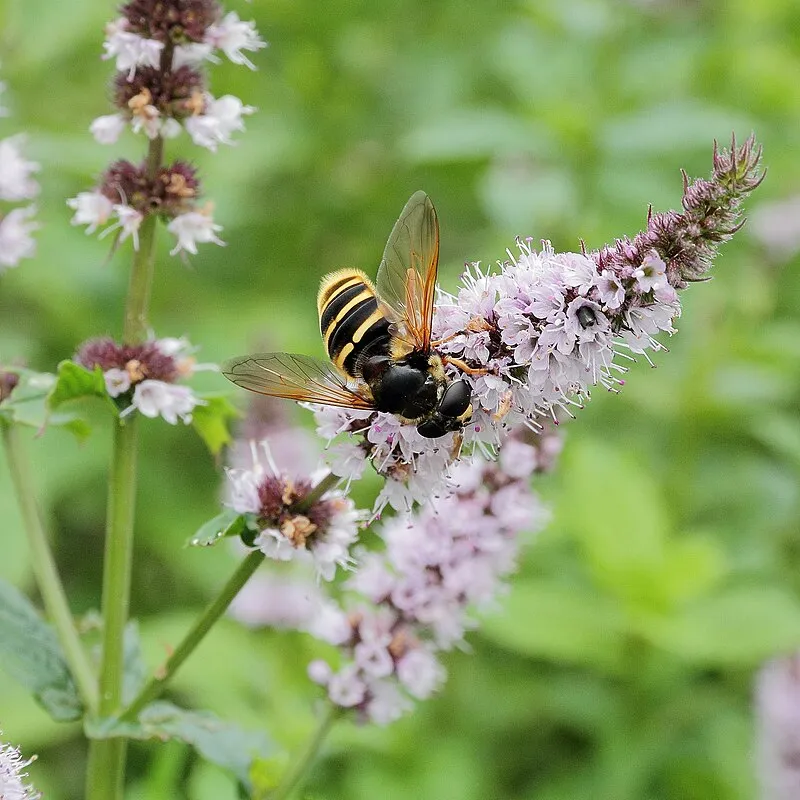
Mint
HerbVigorous herb that spreads aggressively. Remarkably adaptable, mint tolerates temperatures from -5°C to 30°C and thrives in both cool-temperate and tropical gardens. It needs partial shade, though it appreciates some direct light and regular watering to keep soil consistently moist — leaves are ready for picking in about 60-90 days. Fresh leaves from your own garden taste noticeably better than store-bought — and the plant practically grows itself.
Always grow in a pot -- it will take over your garden. Harvest often to control growth. Can be planted 2-3 weeks before the last expected frost, giving it a head start on the growing season. Aim for about 2.5 cm of water per week, adjusting for rainfall. Organic mulch around the base helps maintain even moisture.
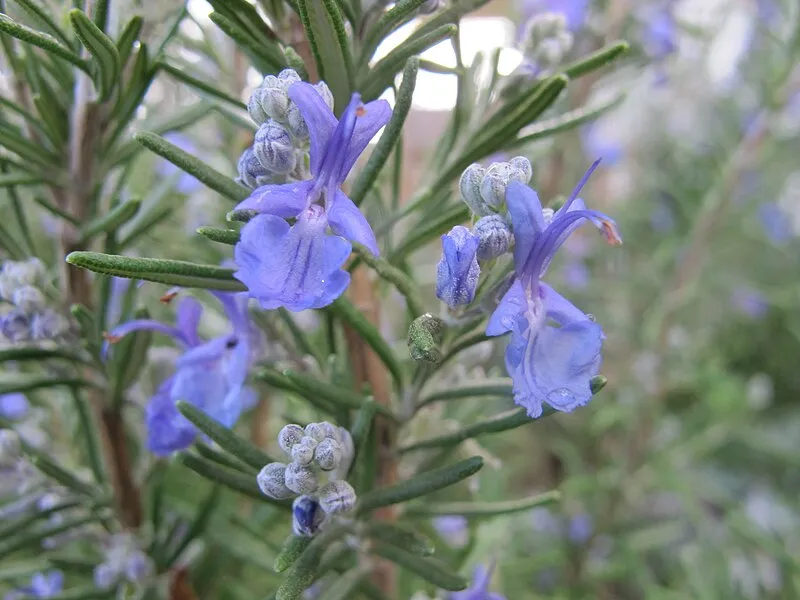
Rosemary
HerbMediterranean woody herb. Hardy enough to withstand light frosts down to -5°C, rosemary performs best when daytime temperatures stay between 15°C and 25°C. It needs full sun (6-8 hours of direct light daily) and minimal watering — it prefers dry conditions between drinks — leaves are ready for picking in about 80-120 days. A kitchen essential that grows equally well on a sunny windowsill, a balcony pot, or a dedicated herb bed.
Needs excellent drainage. Don't overwater. Can be planted 2-3 weeks before the last expected frost, giving it a head start on the growing season. Overwatering is the most common mistake. Let soil dry out between waterings and ensure drainage is excellent.
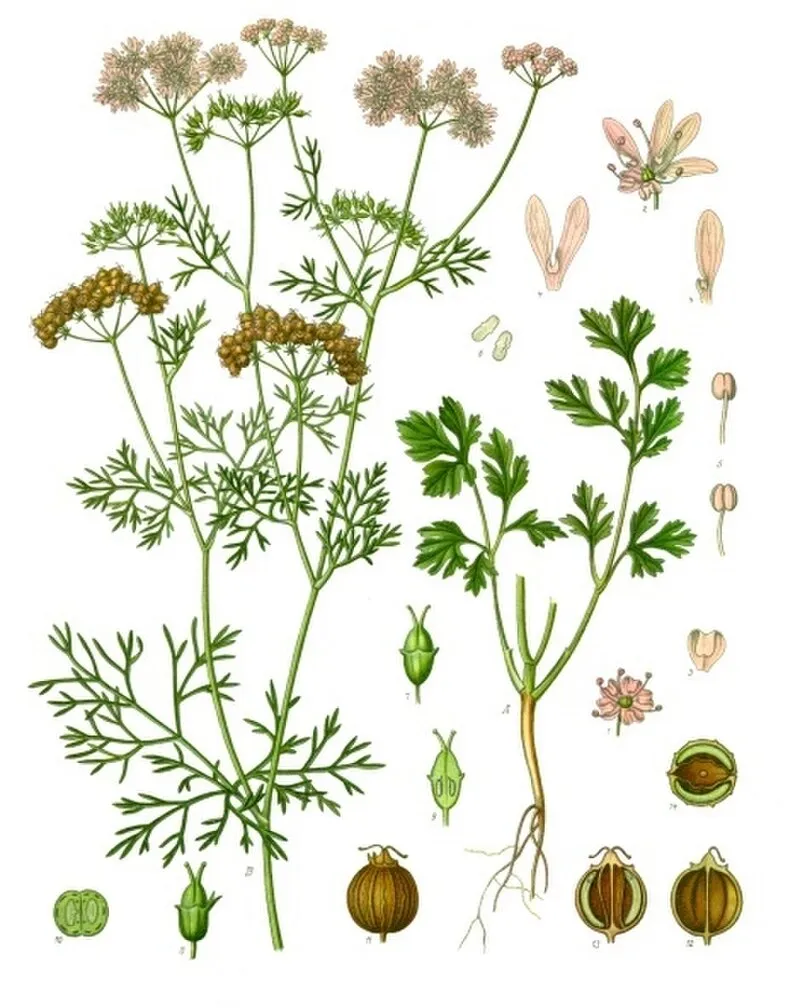
Cilantro
HerbCool-season herb essential in Mexican, Indian, and Thai cooking. Hardy enough to withstand light frosts down to 2°C, cilantro performs best when daytime temperatures stay between 10°C and 20°C. It needs full sun to partial shade and regular watering to keep soil consistently moist — leaves are ready for picking in about 45-70 days. Valued in cuisines worldwide, it is easy to grow and rewards regular harvesting with bushier, more productive plants.
Sow every 3 weeks for continuous harvest. In hot climates, grow in fall/winter only. Can be planted 2-3 weeks before the last expected frost, giving it a head start on the growing season. Aim for about 2.5 cm of water per week, adjusting for rainfall. Organic mulch around the base helps maintain even moisture.
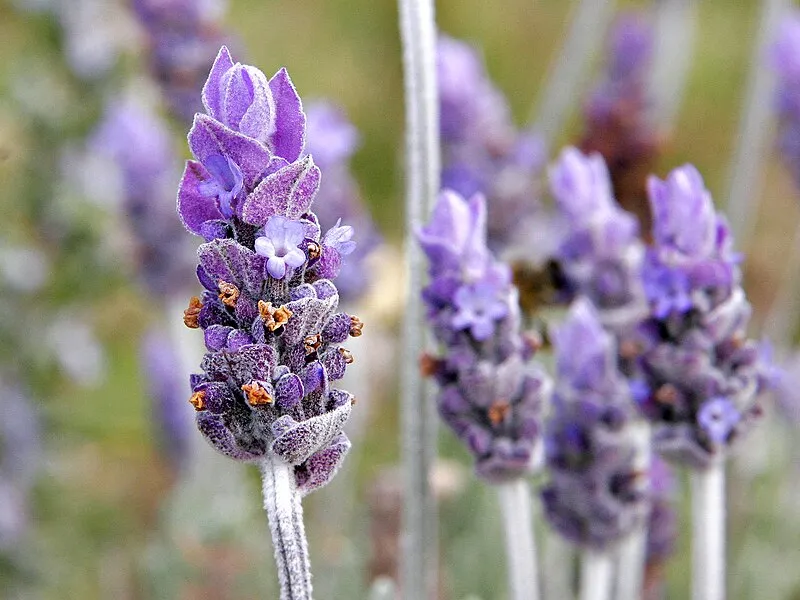
Lavender
HerbDrought-tolerant Mediterranean herb. Hardy enough to withstand light frosts down to -10°C, lavender performs best when daytime temperatures stay between 15°C and 28°C. It needs full sun (6-8 hours of direct light daily) and minimal watering — it prefers dry conditions between drinks — leaves are ready for picking in about 90-200 days. Fresh leaves from your own garden taste noticeably better than store-bought — and the plant practically grows itself.
Must have excellent drainage -- will rot in wet soil. Prune after flowering. Can be planted 2-3 weeks before the last expected frost, giving it a head start on the growing season. Overwatering is the most common mistake. Let soil dry out between waterings and ensure drainage is excellent.
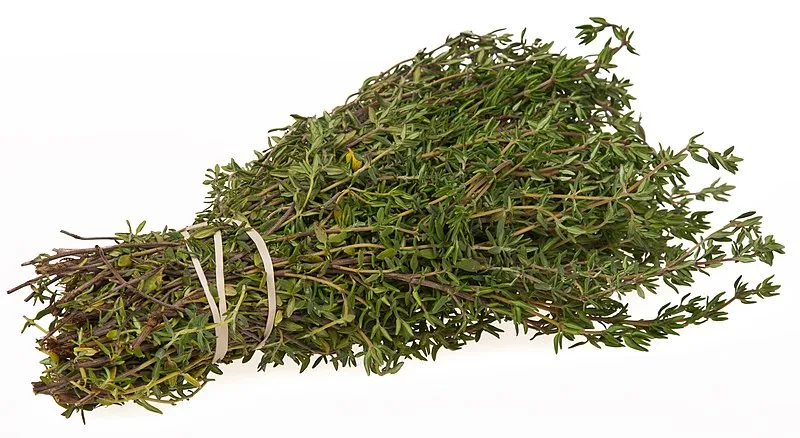
Thyme
HerbHardy Mediterranean herb. Hardy enough to withstand light frosts down to -10°C, thyme performs best when daytime temperatures stay between 12°C and 25°C. It needs full sun (6-8 hours of direct light daily) and minimal watering — it prefers dry conditions between drinks — leaves are ready for picking in about 70-90 days. An aromatic addition to any garden, it dries and freezes well for year-round use in the kitchen.
Needs well-drained soil. Trim after flowering to maintain shape. Can be planted 2-3 weeks before the last expected frost, giving it a head start on the growing season. Overwatering is the most common mistake. Let soil dry out between waterings and ensure drainage is excellent.
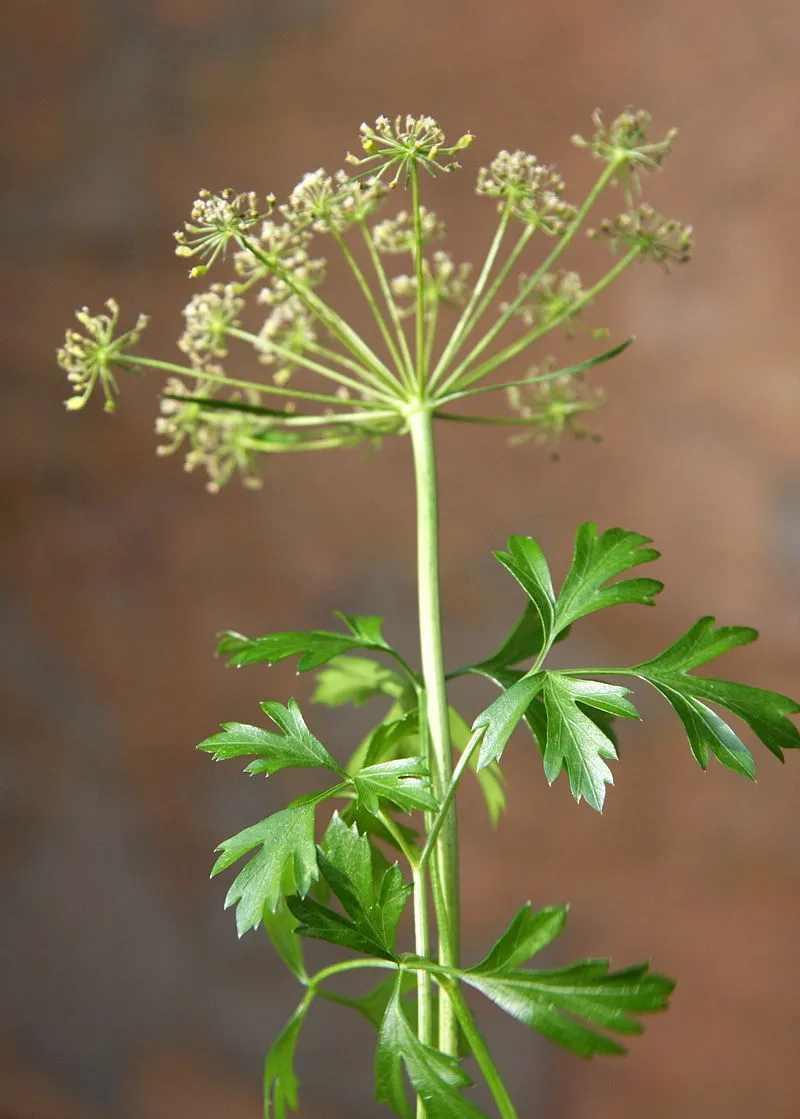
Parsley
HerbBiennial herb -- grows leaves year one, flowers year two. Hardy enough to withstand light frosts down to -5°C, parsley performs best when daytime temperatures stay between 10°C and 22°C. It needs full sun to partial shade and regular watering to keep soil consistently moist — leaves are ready for picking in about 70-90 days. Fresh leaves from your own garden taste noticeably better than store-bought — and the plant practically grows itself.
Slow to germinate (2-4 weeks). Soak seeds overnight to speed up. Can be planted 2-3 weeks before the last expected frost, giving it a head start on the growing season. Aim for about 2.5 cm of water per week, adjusting for rainfall. Organic mulch around the base helps maintain even moisture.
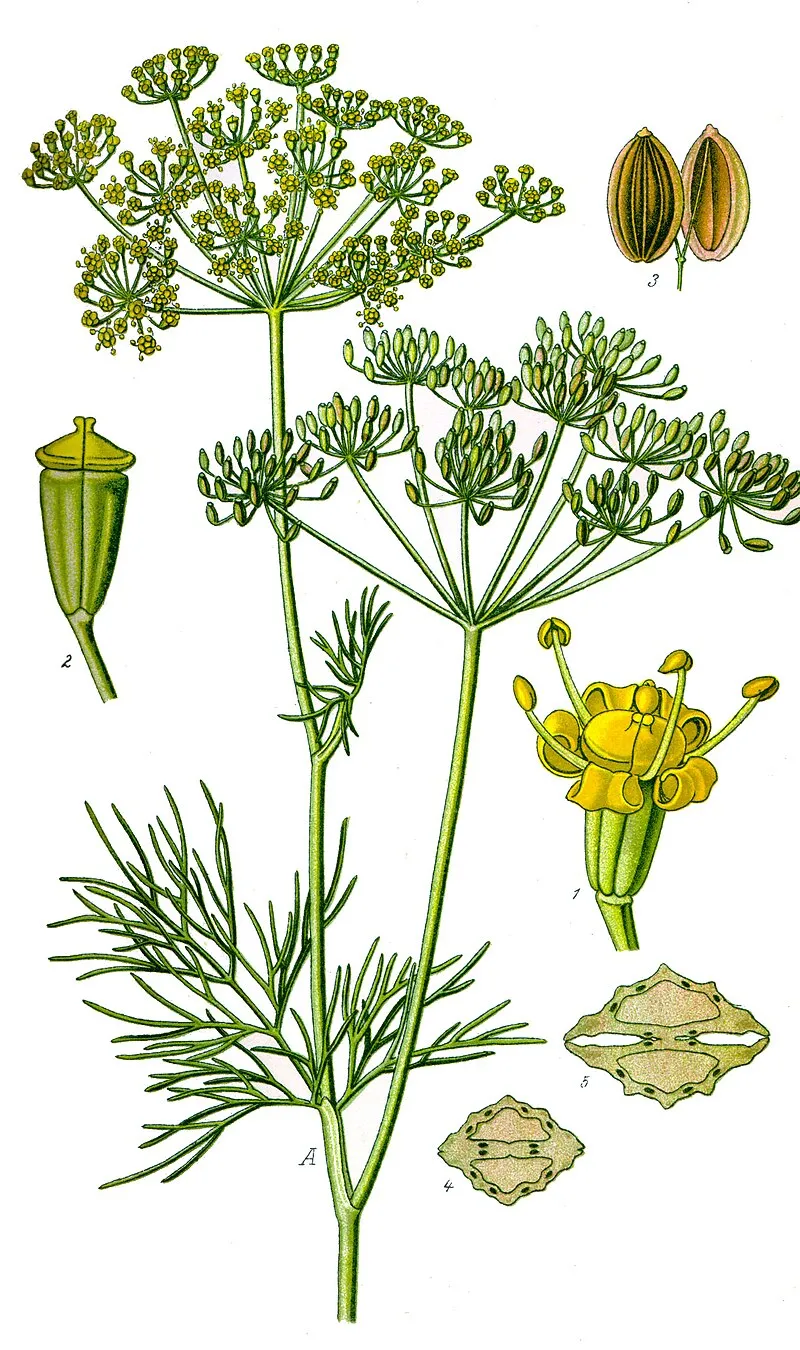
Dill
HerbFeathery herb essential for pickles, fish, and Scandinavian cooking. Hardy enough to withstand light frosts down to 2°C, dill performs best when daytime temperatures stay between 12°C and 22°C. It needs full sun (6-8 hours of direct light daily) and moderate, even watering throughout the growing season — leaves are ready for picking in about 40-60 days. An aromatic addition to any garden, it dries and freezes well for year-round use in the kitchen.
Sow directly -- doesn't transplant well. Self-seeds freely. Can be planted 2-3 weeks before the last expected frost, giving it a head start on the growing season. Water steadily but avoid soggy soil. A 5-cm layer of organic mulch helps balance moisture and suppress weeds.
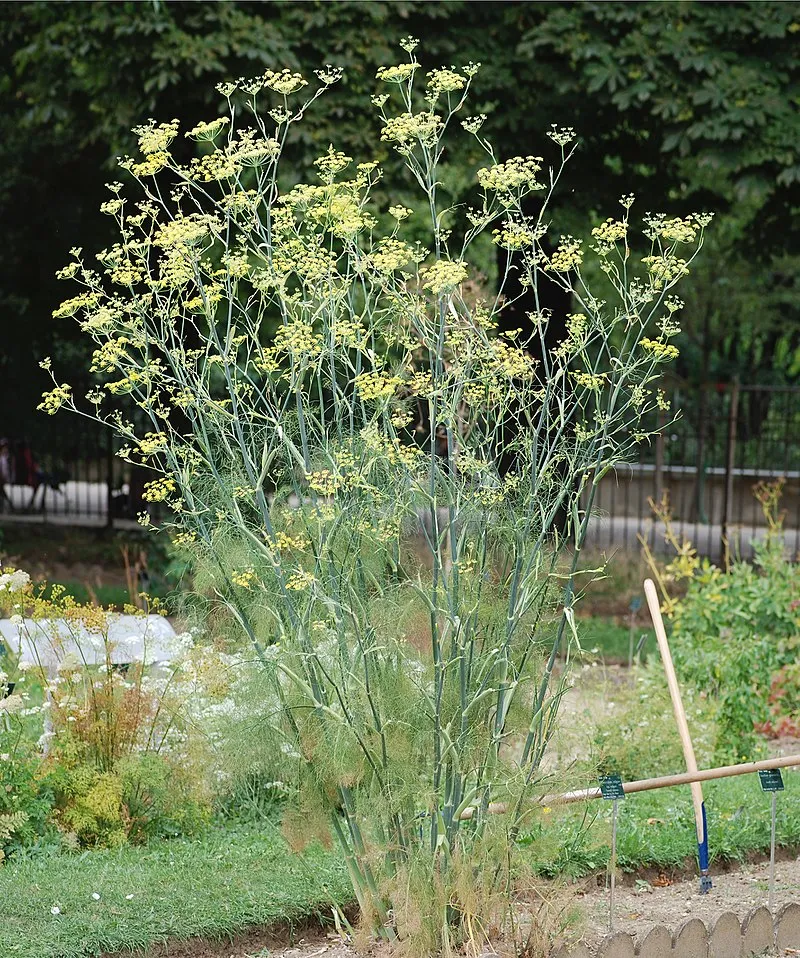
Fennel
HerbAnise-flavored bulb and fronds. Best suited for moderate climates, fennel grows optimally between 15°C and 24°C and can handle temperatures from 4°C to 28°C. It needs full sun (6-8 hours of direct light daily) and regular watering to keep soil consistently moist — leaves are ready for picking in about 60-90 days. Fresh leaves from your own garden taste noticeably better than store-bought — and the plant practically grows itself.
Don't plant near dill -- they cross-pollinate. Hill soil around bulb as it develops. Wait until soil warms to at least 15°C before transplanting outdoors — cold soil stunts growth and can invite root rot. Aim for about 2.5 cm of water per week, adjusting for rainfall. Organic mulch around the base helps maintain even moisture.
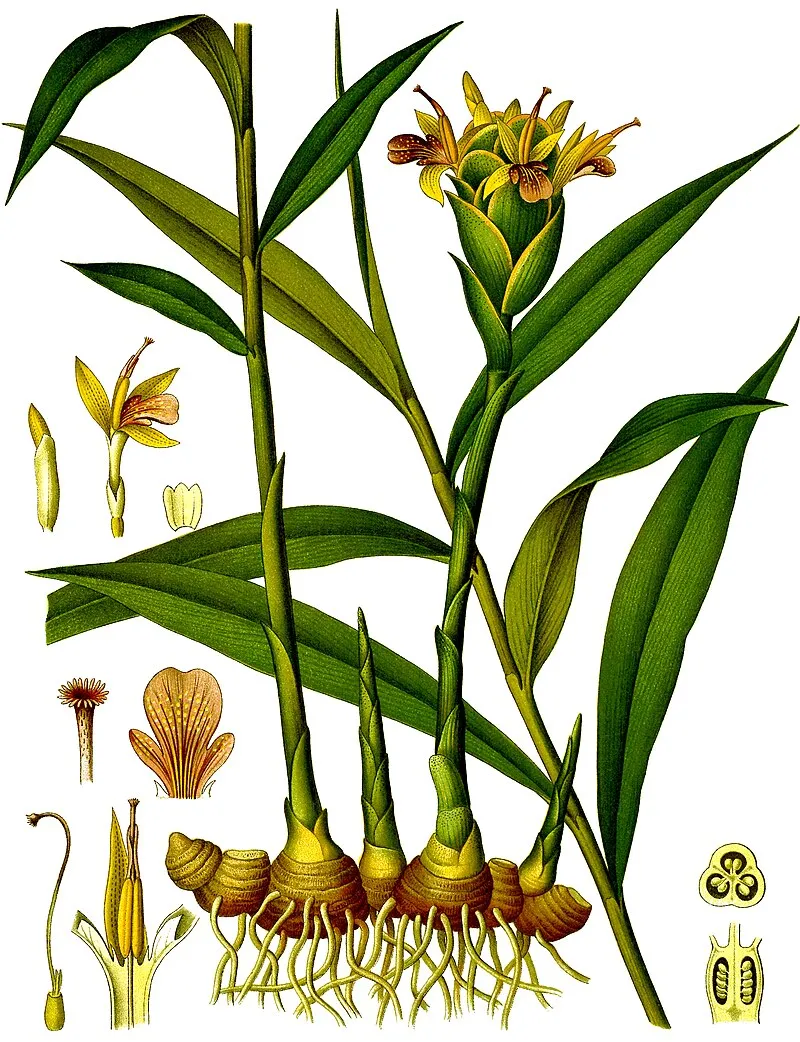
Ginger
HerbTropical rhizome with spicy, aromatic flavor. A warmth-loving plant that does best between 22°C and 30°C, ginger adapts well to tropical and subtropical conditions but cannot tolerate frost. It needs partial shade, though it appreciates some direct light and frequent watering — it is a thirsty plant that dislikes dry soil — leaves are ready for picking in about 240-300 days. A kitchen essential that grows equally well on a sunny windowsill, a balcony pot, or a dedicated herb bed.
Plant rhizome pieces with growth buds. Needs consistent warmth and humidity. Wait until soil warms to at least 22°C before transplanting outdoors — cold soil stunts growth and can invite root rot. Consistent moisture is critical. Mulch with straw or compost to retain soil moisture and keep roots cool during hot weather.
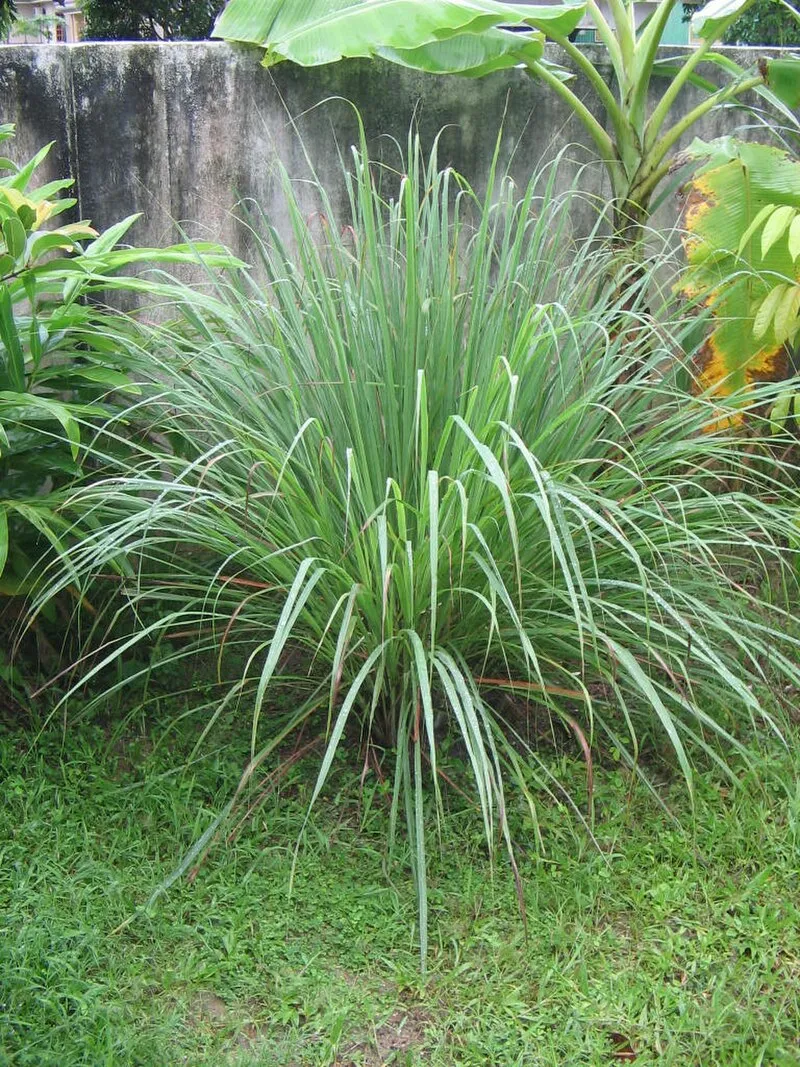
Lemongrass
HerbTropical grass with intense citrus flavor. A warmth-loving plant that does best between 22°C and 32°C, lemongrass adapts well to tropical and subtropical conditions but cannot tolerate frost. It needs full sun (6-8 hours of direct light daily) and regular watering to keep soil consistently moist — leaves are ready for picking in about 75-100 days. A kitchen essential that grows equally well on a sunny windowsill, a balcony pot, or a dedicated herb bed.
Root store-bought stalks in water. Bring indoors before frost. Wait until soil warms to at least 22°C before transplanting outdoors — cold soil stunts growth and can invite root rot. Aim for about 2.5 cm of water per week, adjusting for rainfall. Organic mulch around the base helps maintain even moisture.
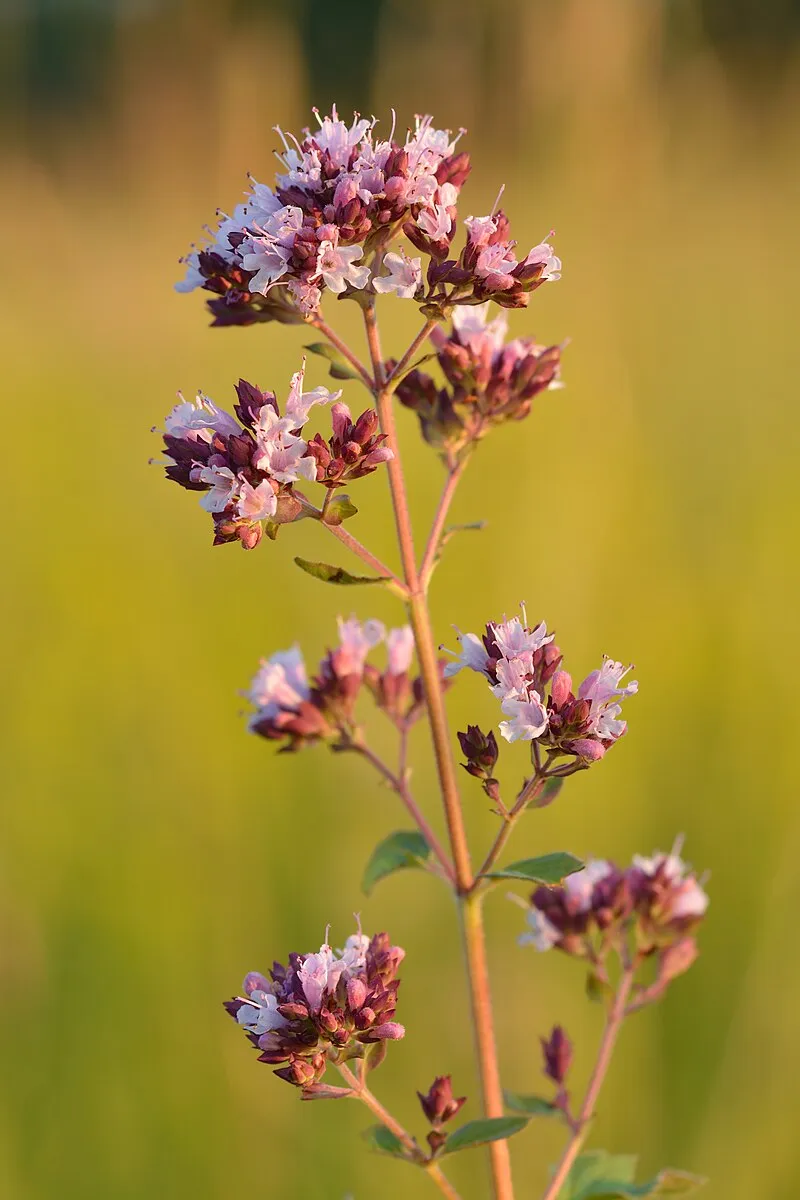
Oregano
HerbMediterranean perennial herb. Hardy enough to withstand light frosts down to -10°C, oregano performs best when daytime temperatures stay between 15°C and 25°C. It needs full sun (6-8 hours of direct light daily) and minimal watering — it prefers dry conditions between drinks — leaves are ready for picking in about 60-90 days. Fresh leaves from your own garden taste noticeably better than store-bought — and the plant practically grows itself.
Thrives in poor, dry soil. Cut back hard in spring. Can be planted 2-3 weeks before the last expected frost, giving it a head start on the growing season. Overwatering is the most common mistake. Let soil dry out between waterings and ensure drainage is excellent.
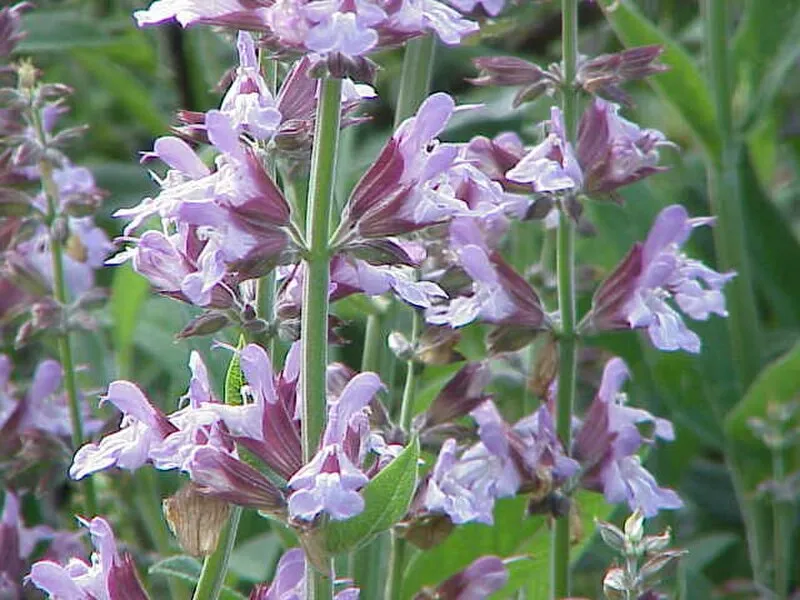
Sage
HerbWoody perennial herb. Hardy enough to withstand light frosts down to -10°C, sage performs best when daytime temperatures stay between 12°C and 22°C. It needs full sun (6-8 hours of direct light daily) and minimal watering — it prefers dry conditions between drinks — leaves are ready for picking in about 75-90 days. Perfect for container gardens and small spaces — just place it where it gets adequate light and harvest as needed.
Prune in spring to prevent woodiness. Needs good drainage. Can be planted 2-3 weeks before the last expected frost, giving it a head start on the growing season. Overwatering is the most common mistake. Let soil dry out between waterings and ensure drainage is excellent.
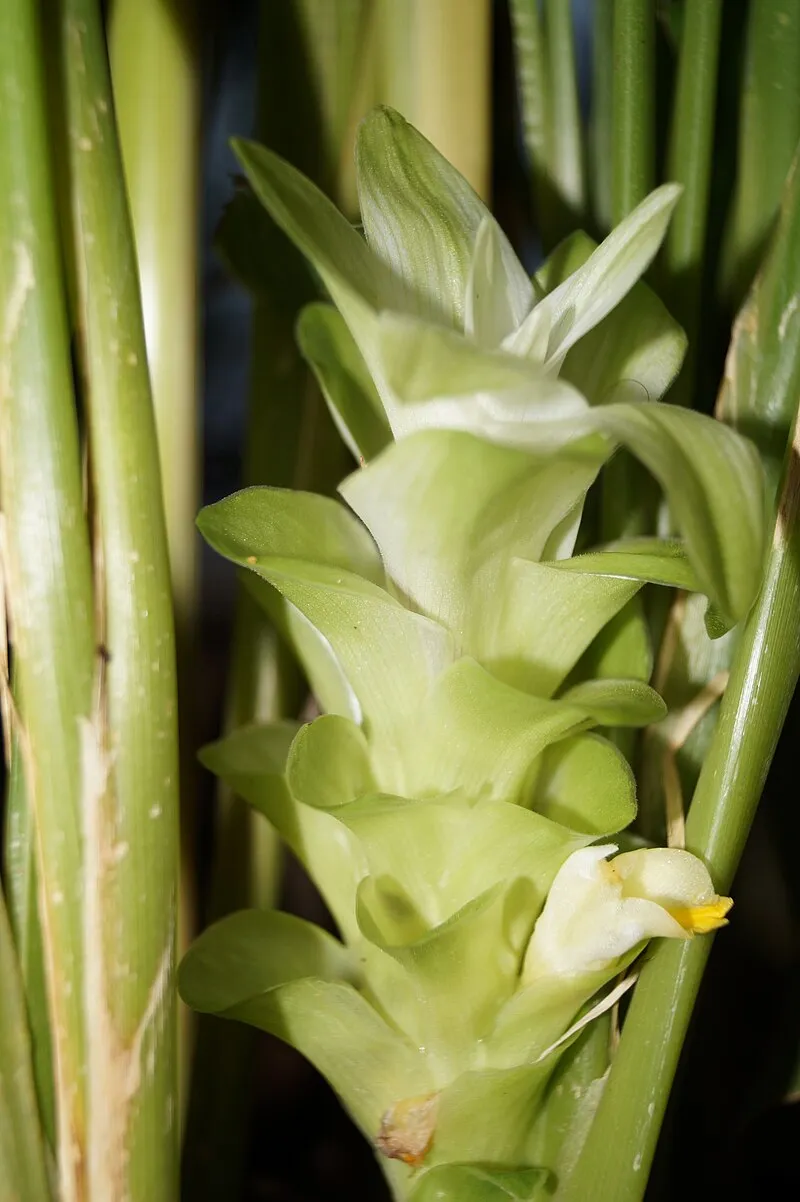
Turmeric
HerbGolden spice rhizome related to ginger. A warmth-loving plant that does best between 22°C and 30°C, turmeric adapts well to tropical and subtropical conditions but cannot tolerate frost. It needs partial shade, though it appreciates some direct light and regular watering to keep soil consistently moist — leaves are ready for picking in about 240-300 days. A kitchen essential that grows equally well on a sunny windowsill, a balcony pot, or a dedicated herb bed.
Similar growing needs to ginger. Harvest when leaves yellow. Wait until soil warms to at least 22°C before transplanting outdoors — cold soil stunts growth and can invite root rot. Aim for about 2.5 cm of water per week, adjusting for rainfall. Organic mulch around the base helps maintain even moisture.
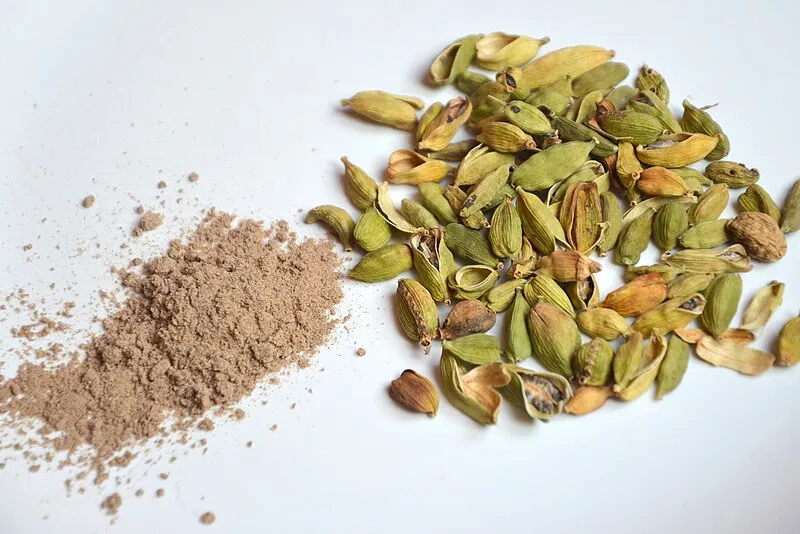
Cardamom
HerbExpensive tropical spice. A warmth-loving plant that does best between 22°C and 30°C, cardamom adapts well to tropical and subtropical conditions but cannot tolerate frost. It needs partial shade, though it appreciates some direct light and frequent watering — it is a thirsty plant that dislikes dry soil — leaves are ready for picking in about 730-1095 days. Valued in cuisines worldwide, it is easy to grow and rewards regular harvesting with bushier, more productive plants.
Needs shade, humidity, and warmth. Very slow to produce pods. Wait until soil warms to at least 22°C before transplanting outdoors — cold soil stunts growth and can invite root rot. Consistent moisture is critical. Mulch with straw or compost to retain soil moisture and keep roots cool during hot weather.
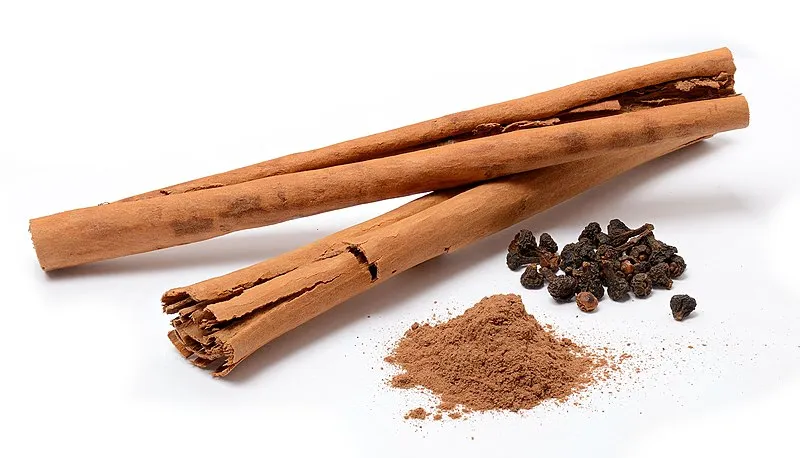
Cinnamon
HerbTropical tree -- the bark is harvested as the spice. A warmth-loving plant that does best between 24°C and 32°C, cinnamon adapts well to tropical and subtropical conditions but cannot tolerate frost. It needs full sun (6-8 hours of direct light daily) and regular watering to keep soil consistently moist — leaves are ready for picking in about 730-1095 days. Perfect for container gardens and small spaces — just place it where it gets adequate light and harvest as needed.
Grow from cuttings. Strip bark from 2-year-old branches. Wait until soil warms to at least 24°C before transplanting outdoors — cold soil stunts growth and can invite root rot. Aim for about 2.5 cm of water per week, adjusting for rainfall. Organic mulch around the base helps maintain even moisture.
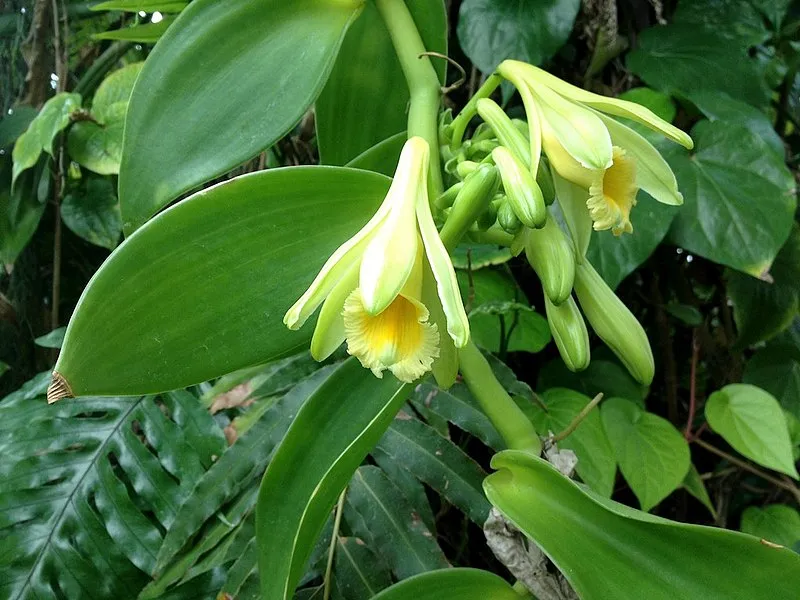
Vanilla
HerbTropical orchid vine. A warmth-loving plant that does best between 24°C and 30°C, vanilla adapts well to tropical and subtropical conditions but cannot tolerate frost. It needs partial shade, though it appreciates some direct light and regular watering to keep soil consistently moist — leaves are ready for picking in about 1095-1825 days. An aromatic addition to any garden, it dries and freezes well for year-round use in the kitchen.
Climbing orchid -- needs support. Hand-pollinate flowers. Wait until soil warms to at least 24°C before transplanting outdoors — cold soil stunts growth and can invite root rot. Aim for about 2.5 cm of water per week, adjusting for rainfall. Organic mulch around the base helps maintain even moisture.
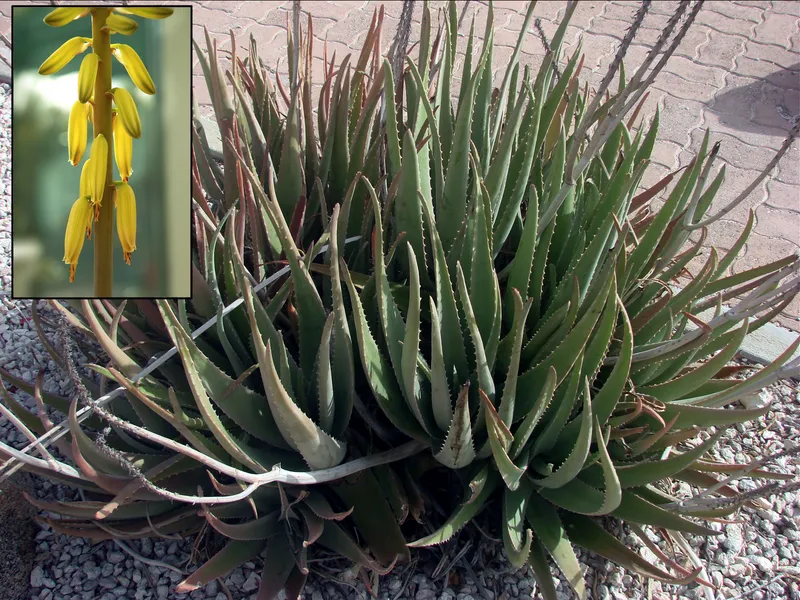
Aloe Vera
HerbMedicinal succulent. A warmth-loving plant that does best between 18°C and 30°C, aloe vera adapts well to tropical and subtropical conditions but cannot tolerate frost. It needs full sun (6-8 hours of direct light daily) and minimal watering — it prefers dry conditions between drinks — leaves are ready for picking in about 365-730 days. Fresh leaves from your own garden taste noticeably better than store-bought — and the plant practically grows itself.
Needs excellent drainage. Water sparingly. Wait until soil warms to at least 18°C before transplanting outdoors — cold soil stunts growth and can invite root rot. Overwatering is the most common mistake. Let soil dry out between waterings and ensure drainage is excellent.
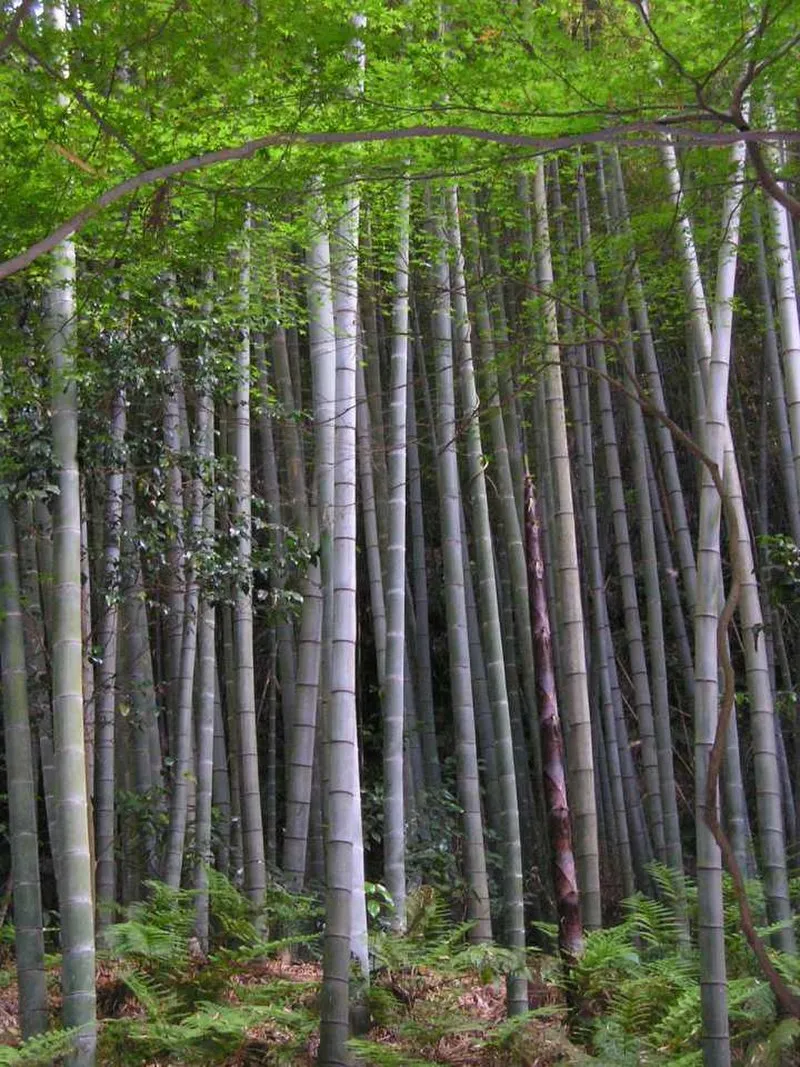
Bamboo
HerbFastest-growing plant on earth. Remarkably adaptable, bamboo tolerates temperatures from -15°C to 38°C and thrives in both cool-temperate and tropical gardens. It needs full sun to partial shade and regular watering to keep soil consistently moist — leaves are ready for picking in about 365-1095 days. A kitchen essential that grows equally well on a sunny windowsill, a balcony pot, or a dedicated herb bed.
USE CLUMPING varieties only -- running bamboo is extremely invasive. Can be planted 2-3 weeks before the last expected frost in your area, giving it a head start on the growing season. Can be planted 2-3 weeks before the last expected frost, giving it a head start on the growing season. Aim for about 2.5 cm of water per week, adjusting for rainfall. Organic mulch around the base helps maintain even moisture.
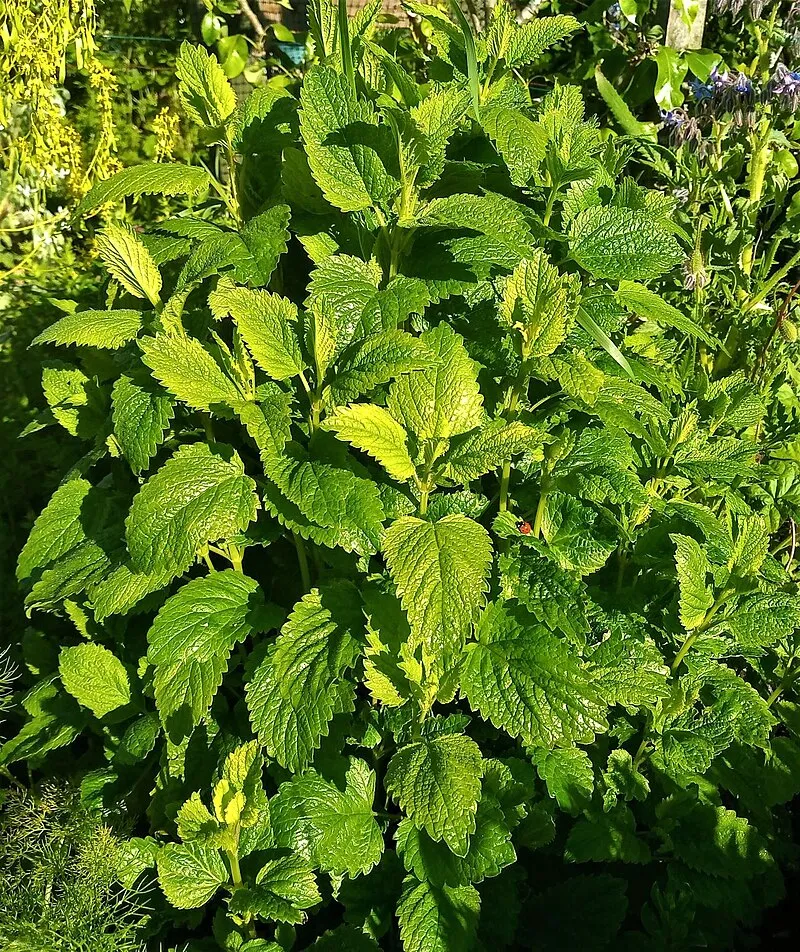
Lemon Balm
HerbLemony mint-family herb for teas and cooking. Hardy enough to withstand light frosts down to -10°C, lemon balm performs best when daytime temperatures stay between 12°C and 22°C. It needs full sun to partial shade and regular watering to keep soil consistently moist — leaves are ready for picking in about 60-70 days. Valued in cuisines worldwide, it is easy to grow and rewards regular harvesting with bushier, more productive plants.
Spreads like mint -- grow in containers. Cut back hard mid-season. Can be planted 2-3 weeks before the last expected frost, giving it a head start on the growing season. Aim for about 2.5 cm of water per week, adjusting for rainfall. Organic mulch around the base helps maintain even moisture.
Stevia
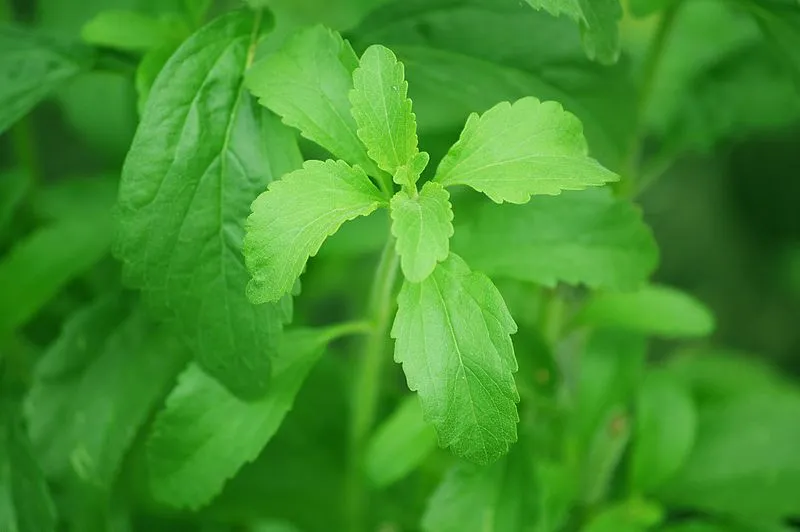
HerbNatural sweetener plant -- leaves are 30x sweeter than sugar. A warmth-loving plant that does best between 18°C and 28°C, stevia adapts well to tropical and subtropical conditions but cannot tolerate frost. It needs full sun (6-8 hours of direct light daily) and regular watering to keep soil consistently moist — leaves are ready for picking in about 60-90 days. Perfect for container gardens and small spaces — just place it where it gets adequate light and harvest as needed.
Harvest leaves before flowering for best sweetness. Wait until soil warms to at least 18°C before transplanting outdoors — cold soil stunts growth and invites root rot. Wait until soil warms to at least 18°C before transplanting outdoors — cold soil stunts growth and can invite root rot. Aim for about 2.5 cm of water per week, adjusting for rainfall. Organic mulch around the base helps maintain even moisture.
Tarragon
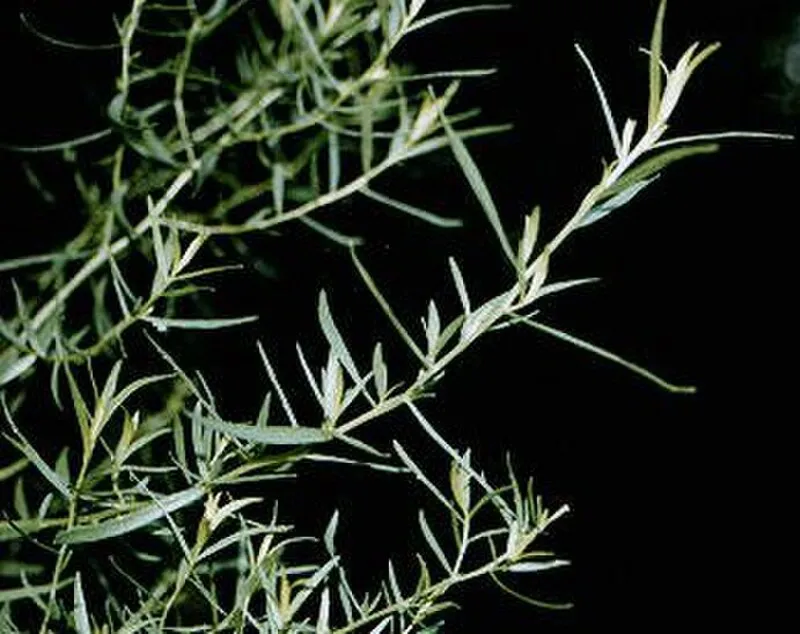
HerbFrench tarragon has anise flavor essential to French cuisine. Hardy enough to withstand light frosts down to -10°C, tarragon performs best when daytime temperatures stay between 12°C and 22°C. It needs full sun (6-8 hours of direct light daily) and moderate, even watering throughout the growing season — leaves are ready for picking in about 60-90 days. An aromatic addition to any garden, it dries and freezes well for year-round use in the kitchen.
French tarragon can't be grown from seed -- buy plants. Can be planted 2-3 weeks before the last expected frost in your area, giving it a head start on the growing season. Can be planted 2-3 weeks before the last expected frost, giving it a head start on the growing season. Water steadily but avoid soggy soil. A 5-cm layer of organic mulch helps balance moisture and suppress weeds.
Chive
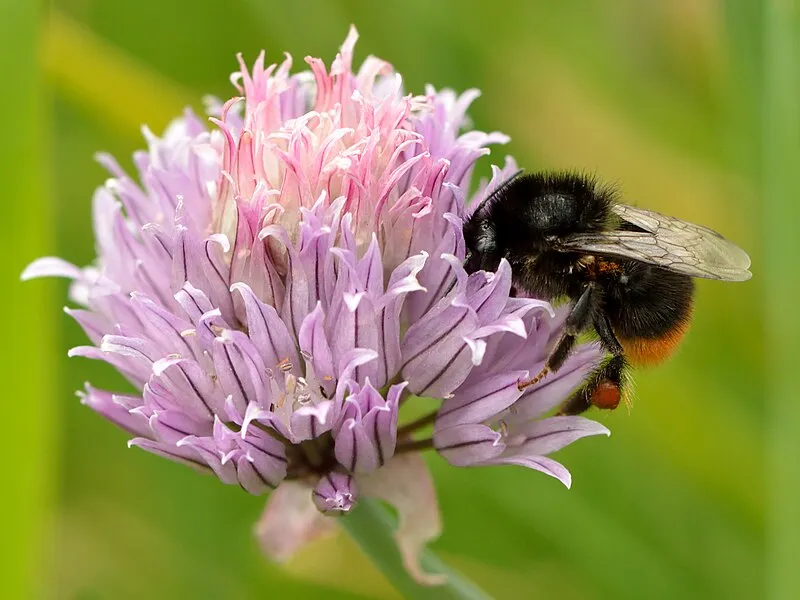
HerbHardy perennial allium. Hardy enough to withstand light frosts down to -15°C, chive performs best when daytime temperatures stay between 10°C and 22°C. It needs full sun to partial shade and regular watering to keep soil consistently moist — leaves are ready for picking in about 60-90 days. Fresh leaves from your own garden taste noticeably better than store-bought — and the plant practically grows itself.
Cut to 5cm above ground for regrowth. Divide clumps every 3 years. Can be planted 2-3 weeks before the last expected frost, giving it a head start on the growing season. Aim for about 2.5 cm of water per week, adjusting for rainfall. Organic mulch around the base helps maintain even moisture.
Anise
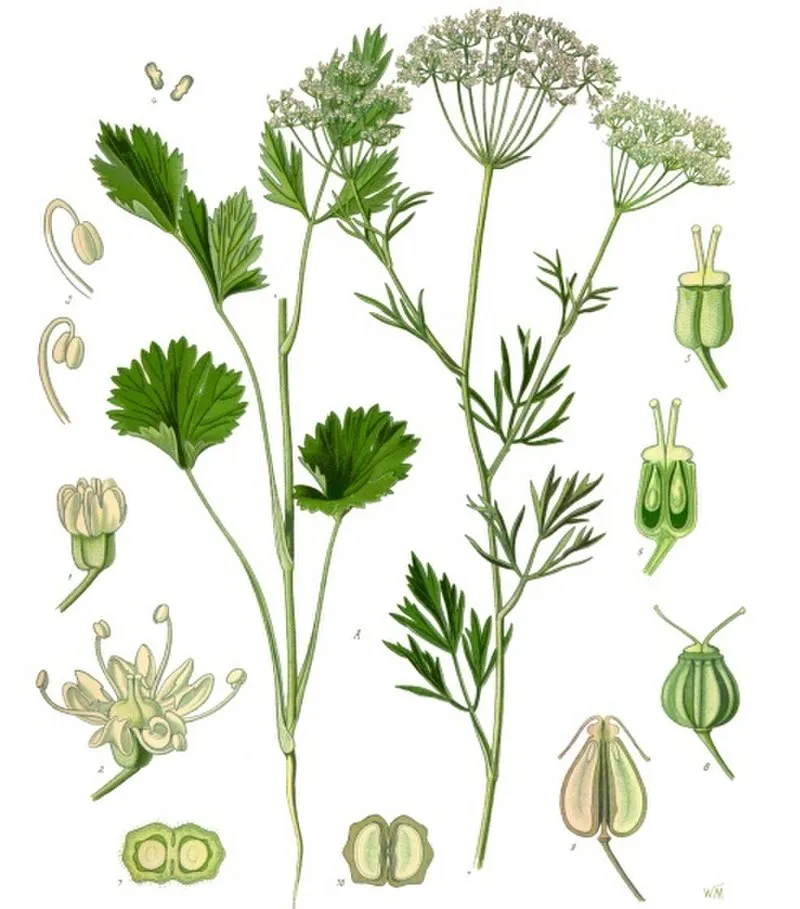
HerbLicorice-flavored herb used in baking, teas, and liqueurs. Best suited for moderate climates, anise grows optimally between 15°C and 25°C and can handle temperatures from 5°C to 30°C. It needs full sun (6-8 hours of direct light daily) and moderate, even watering throughout the growing season — leaves are ready for picking in about 90-120 days. Valued in cuisines worldwide, it is easy to grow and rewards regular harvesting with bushier, more productive plants.
Direct sow -- doesn't transplant well. Harvest seeds when brown. Wait until soil warms to at least 15°C before transplanting outdoors — cold soil stunts growth and can invite root rot. Water steadily but avoid soggy soil. A 5-cm layer of organic mulch helps balance moisture and suppress weeds.
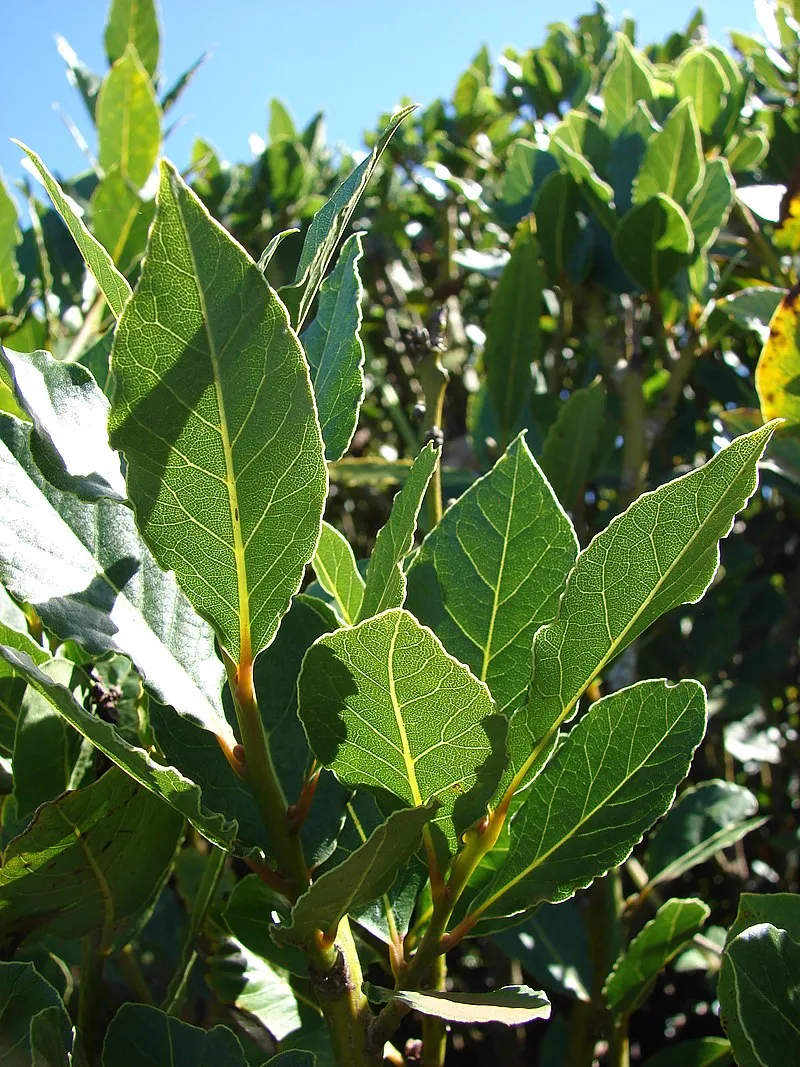
Bay Laurel
HerbEvergreen tree producing aromatic bay leaves essential in soups and stews. Remarkably adaptable, bay laurel tolerates temperatures from -5°C to 35°C and thrives in both cool-temperate and tropical gardens. It needs full sun to partial shade and moderate, even watering throughout the growing season — leaves are ready for picking in about 365-730 days. Perfect for container gardens and small spaces — just place it where it gets adequate light and harvest as needed.
Slow-growing -- excellent container plant. Harvest leaves year-round. Can be planted 2-3 weeks before the last expected frost, giving it a head start on the growing season. Water steadily but avoid soggy soil. A 5-cm layer of organic mulch helps balance moisture and suppress weeds.
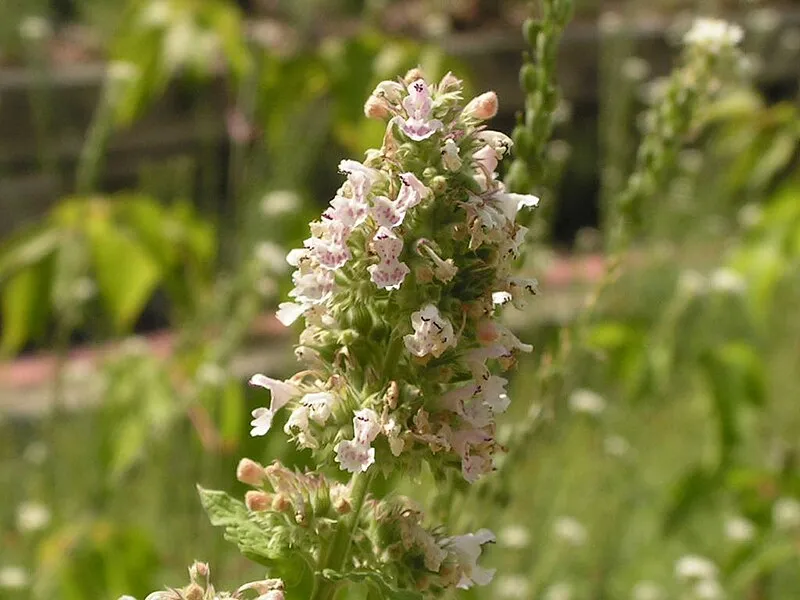
Catnip
HerbMint-family herb that drives cats wild. Hardy enough to withstand light frosts down to -15°C, catnip performs best when daytime temperatures stay between 12°C and 24°C. It needs full sun to partial shade and moderate, even watering throughout the growing season — leaves are ready for picking in about 60-80 days. An aromatic addition to any garden, it dries and freezes well for year-round use in the kitchen.
Very vigorous -- contain or it spreads. Cats will roll in it. Can be planted 2-3 weeks before the last expected frost, giving it a head start on the growing season. Water steadily but avoid soggy soil. A 5-cm layer of organic mulch helps balance moisture and suppress weeds.
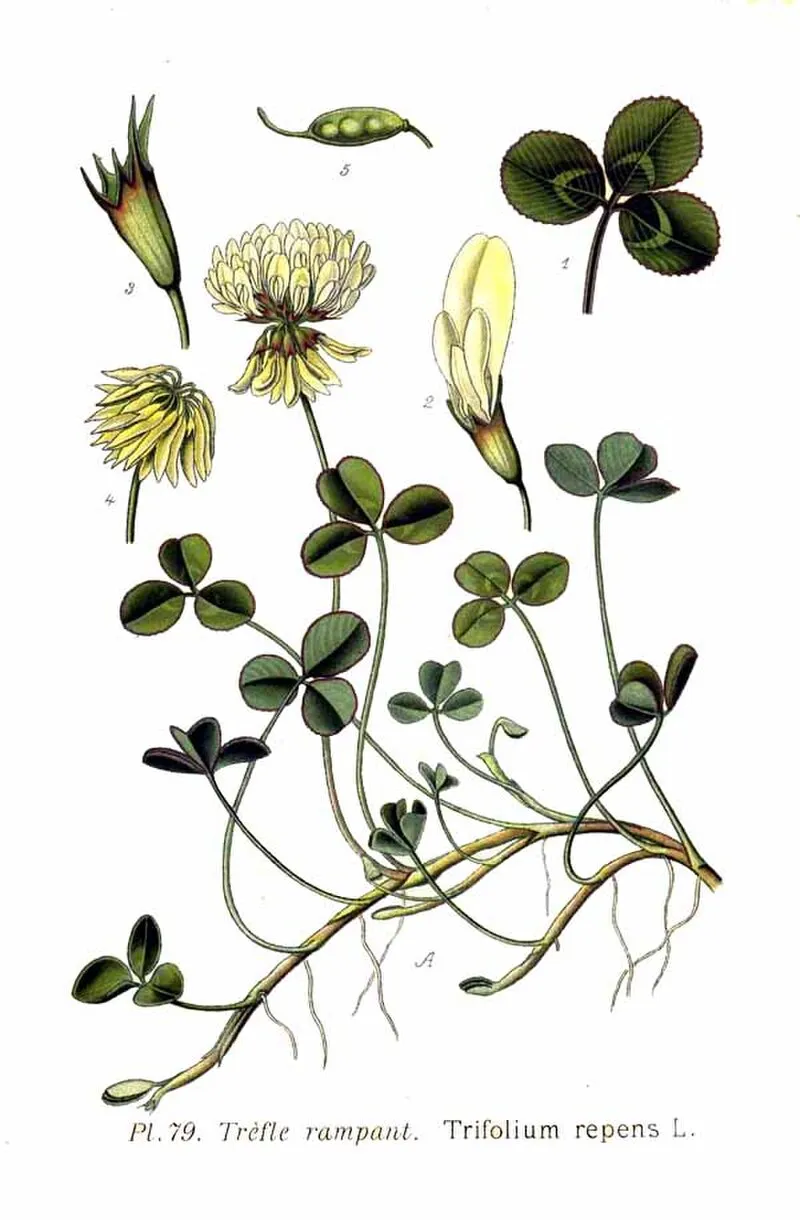
Clover
HerbNitrogen-fixing cover crop and lawn alternative. Hardy enough to withstand light frosts down to -15°C, clover performs best when daytime temperatures stay between 10°C and 22°C. It needs full sun (6-8 hours of direct light daily) and moderate, even watering throughout the growing season — leaves are ready for picking in about 60-90 days. An aromatic addition to any garden, it dries and freezes well for year-round use in the kitchen.
Excellent green manure. Attracts pollinators. Can be planted 2-3 weeks before the last expected frost, giving it a head start on the growing season. Water steadily but avoid soggy soil. A 5-cm layer of organic mulch helps balance moisture and suppress weeds.
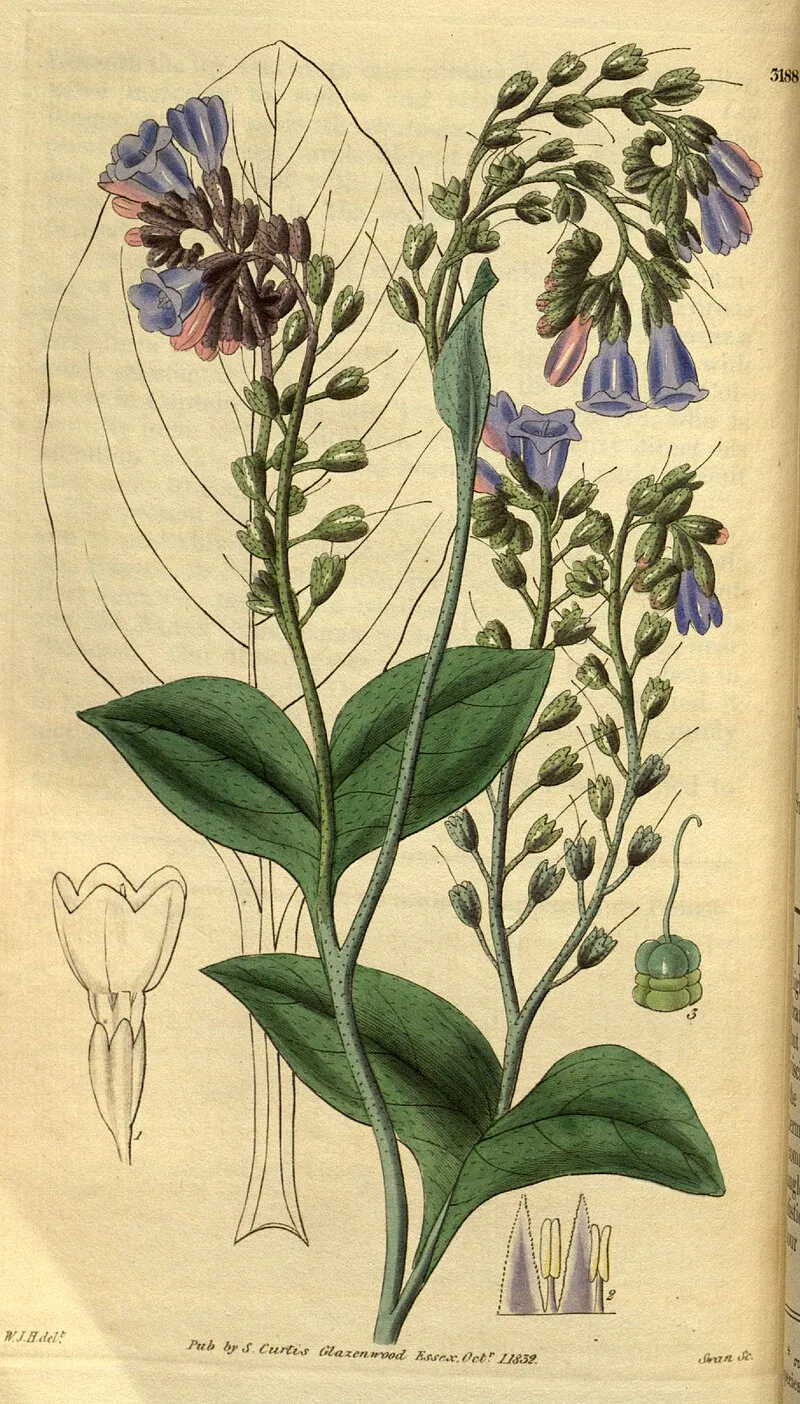
Comfrey
HerbDeep-rooted herb used as compost activator and mulch. Hardy enough to withstand light frosts down to -15°C, comfrey performs best when daytime temperatures stay between 12°C and 24°C. It needs full sun to partial shade and regular watering to keep soil consistently moist — leaves are ready for picking in about 60-90 days. A kitchen essential that grows equally well on a sunny windowsill, a balcony pot, or a dedicated herb bed.
Plant Bocking 14 variety (non-spreading). Chop and drop as mulch 4-5 times per season. Can be planted 2-3 weeks before the last expected frost, giving it a head start on the growing season. Aim for about 2.5 cm of water per week, adjusting for rainfall. Organic mulch around the base helps maintain even moisture.
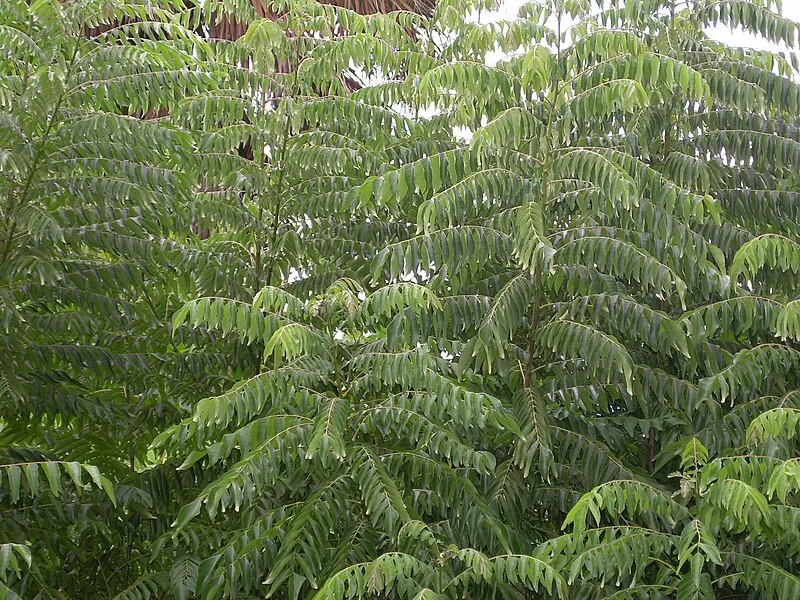
Curry Leaf
HerbEssential herb in South Indian cuisine. A warmth-loving plant that does best between 20°C and 32°C, curry leaf adapts well to tropical and subtropical conditions but cannot tolerate frost. It needs full sun (6-8 hours of direct light daily) and regular watering to keep soil consistently moist — leaves are ready for picking in about 365-730 days. Perfect for container gardens and small spaces — just place it where it gets adequate light and harvest as needed.
Bring indoors in winter. Use fresh leaves -- dried lose flavor. Wait until soil warms to at least 20°C before transplanting outdoors — cold soil stunts growth and can invite root rot. Aim for about 2.5 cm of water per week, adjusting for rainfall. Organic mulch around the base helps maintain even moisture.
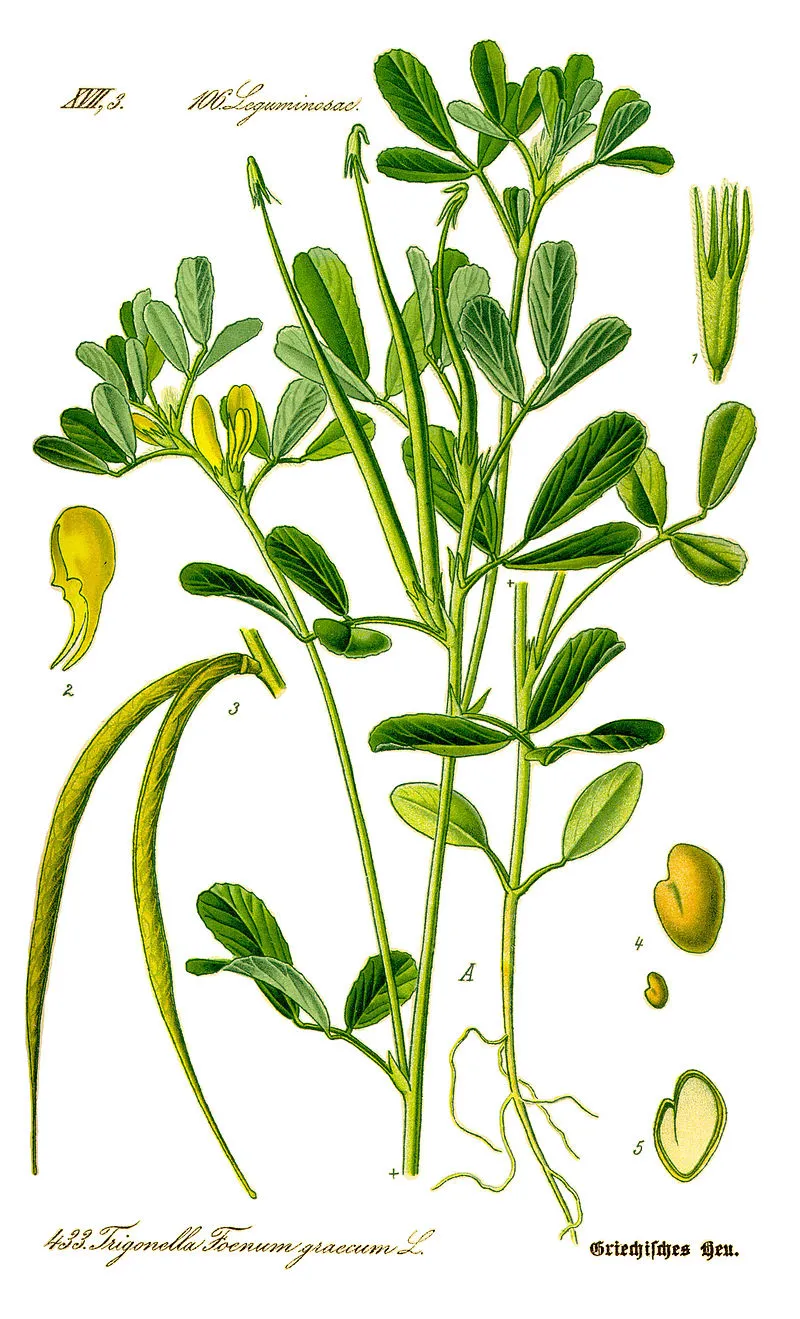
Fenugreek
HerbHerb with maple-scented leaves and seeds. A warmth-loving plant that does best between 15°C and 28°C, fenugreek adapts well to tropical and subtropical conditions but cannot tolerate frost. It needs full sun (6-8 hours of direct light daily) and moderate, even watering throughout the growing season — leaves are ready for picking in about 60-90 days. An aromatic addition to any garden, it dries and freezes well for year-round use in the kitchen.
Direct sow. Both leaves (methi) and seeds are used. Wait until soil warms to at least 15°C before transplanting outdoors — cold soil stunts growth and can invite root rot. Water steadily but avoid soggy soil. A 5-cm layer of organic mulch helps balance moisture and suppress weeds.
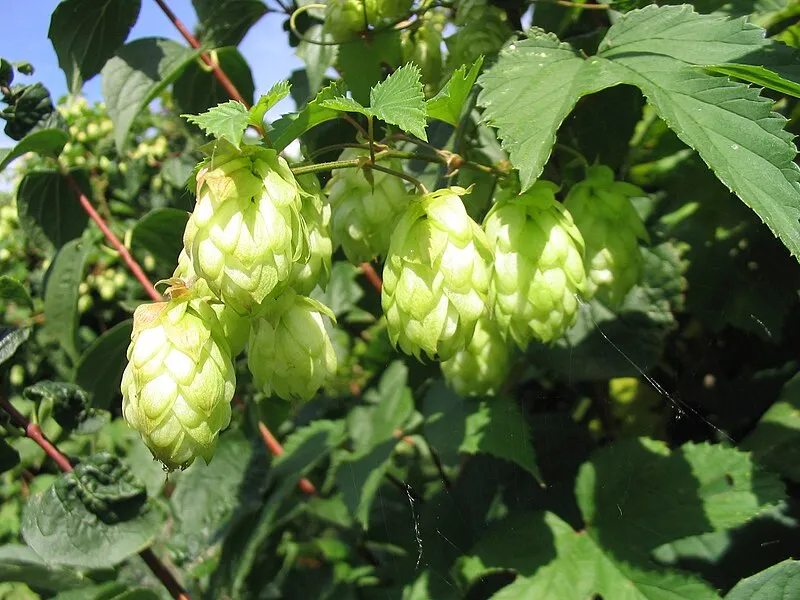
Hops
HerbVigorous climbing vine essential for brewing beer. Hardy enough to withstand light frosts down to -20°C, hops performs best when daytime temperatures stay between 15°C and 25°C. It needs full sun (6-8 hours of direct light daily) and regular watering to keep soil consistently moist — leaves are ready for picking in about 120-150 days. Fresh leaves from your own garden taste noticeably better than store-bought — and the plant practically grows itself.
Needs tall trellis (5m+). Cut to ground in fall. Can be planted 2-3 weeks before the last expected frost, giving it a head start on the growing season. Aim for about 2.5 cm of water per week, adjusting for rainfall. Organic mulch around the base helps maintain even moisture.
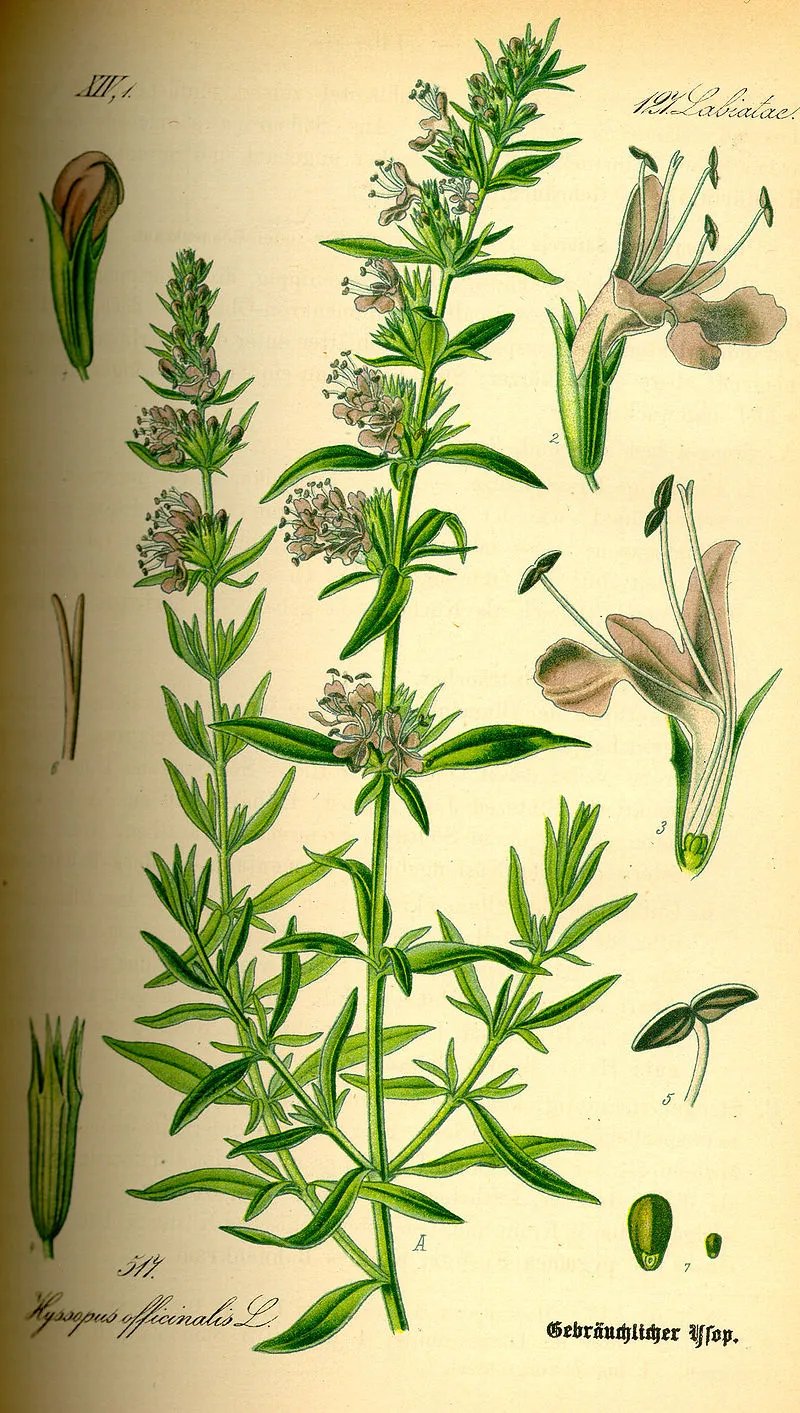
Hyssop
HerbAncient medicinal herb with blue flower spikes. Hardy enough to withstand light frosts down to -15°C, hyssop performs best when daytime temperatures stay between 12°C and 24°C. It needs full sun (6-8 hours of direct light daily) and minimal watering — it prefers dry conditions between drinks — leaves are ready for picking in about 60-90 days. Valued in cuisines worldwide, it is easy to grow and rewards regular harvesting with bushier, more productive plants.
Drought-tolerant once established. Cut back in spring. Can be planted 2-3 weeks before the last expected frost, giving it a head start on the growing season. Overwatering is the most common mistake. Let soil dry out between waterings and ensure drainage is excellent.
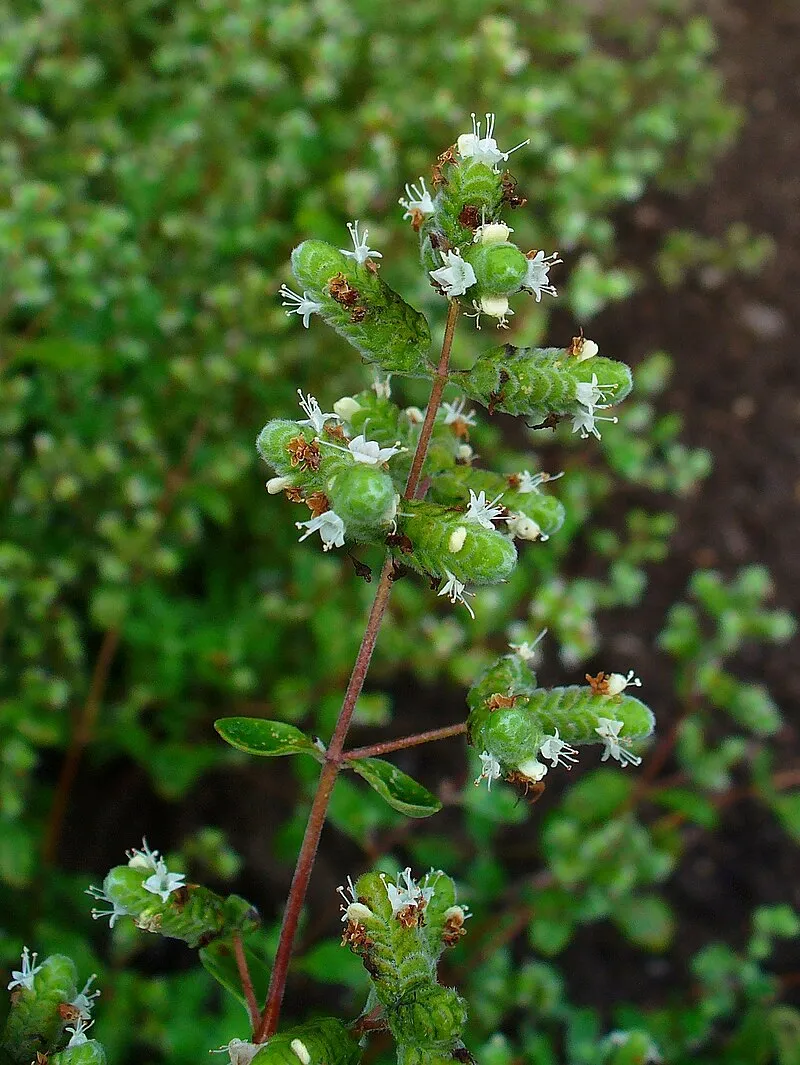
Marjoram
HerbSweeter, milder cousin of oregano. Best suited for moderate climates, marjoram grows optimally between 15°C and 25°C and can handle temperatures from 5°C to 30°C. It needs full sun (6-8 hours of direct light daily) and minimal watering — it prefers dry conditions between drinks — leaves are ready for picking in about 60-80 days. A kitchen essential that grows equally well on a sunny windowsill, a balcony pot, or a dedicated herb bed.
More tender than oregano -- protect from frost. Harvest before flowers open. Wait until soil warms to at least 15°C before transplanting outdoors — cold soil stunts growth and can invite root rot. Overwatering is the most common mistake. Let soil dry out between waterings and ensure drainage is excellent.
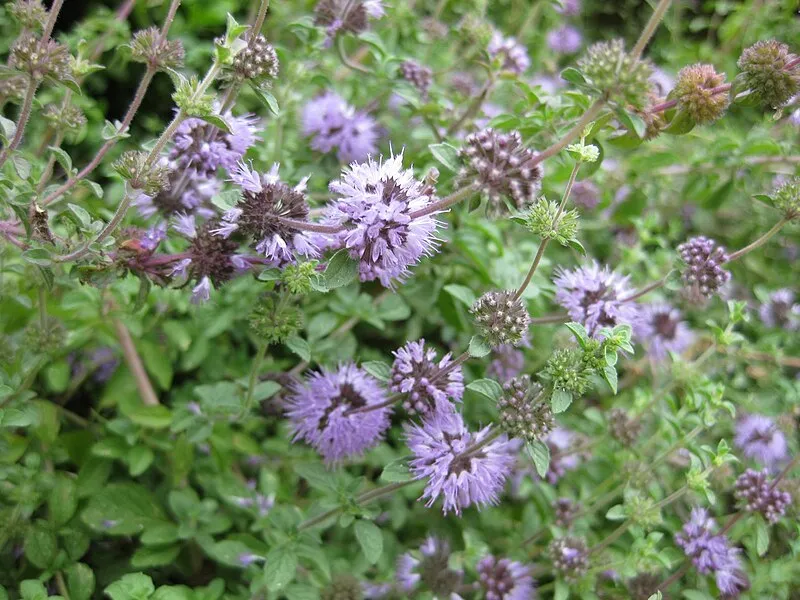
Pennyroyal
HerbCreeping mint-family herb used as natural insect repellent. Hardy enough to withstand light frosts down to -10°C, pennyroyal performs best when daytime temperatures stay between 12°C and 22°C. It needs full sun to partial shade and regular watering to keep soil consistently moist — leaves are ready for picking in about 60-90 days. A kitchen essential that grows equally well on a sunny windowsill, a balcony pot, or a dedicated herb bed.
Repels fleas and mosquitoes. Ground cover between pavers. Can be planted 2-3 weeks before the last expected frost, giving it a head start on the growing season. Aim for about 2.5 cm of water per week, adjusting for rainfall. Organic mulch around the base helps maintain even moisture.
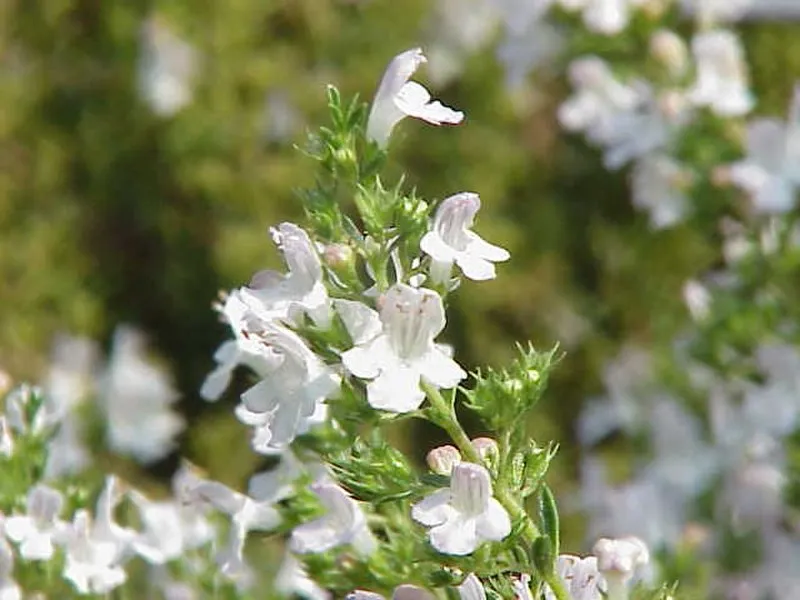
Savory
HerbPeppery herb in two forms: summer savory (annual) and winter savory (perennial). Hardy enough to withstand light frosts down to -10°C, savory performs best when daytime temperatures stay between 12°C and 24°C. It needs full sun (6-8 hours of direct light daily) and minimal watering — it prefers dry conditions between drinks — leaves are ready for picking in about 60-80 days. A kitchen essential that grows equally well on a sunny windowsill, a balcony pot, or a dedicated herb bed.
Summer savory is more delicate. Winter savory is woody and hardier. Can be planted 2-3 weeks before the last expected frost, giving it a head start on the growing season. Overwatering is the most common mistake. Let soil dry out between waterings and ensure drainage is excellent.
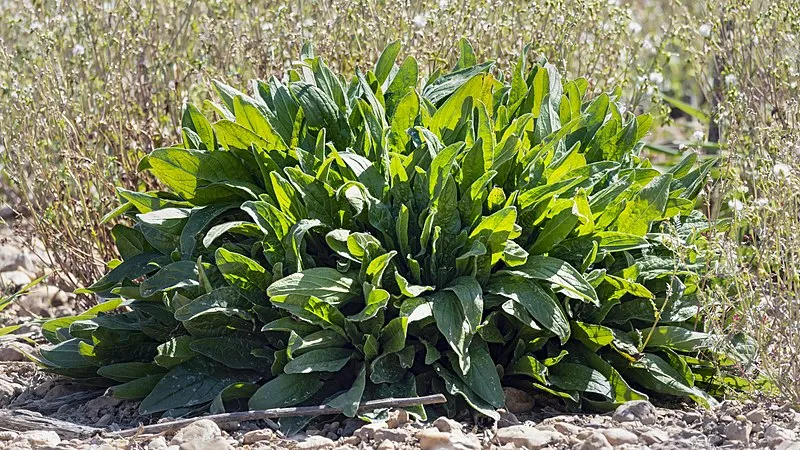
Sorrel
HerbTangy, lemony perennial green. Hardy enough to withstand light frosts down to -15°C, sorrel performs best when daytime temperatures stay between 10°C and 22°C. It needs full sun to partial shade and regular watering to keep soil consistently moist — leaves are ready for picking in about 40-60 days. An aromatic addition to any garden, it dries and freezes well for year-round use in the kitchen.
Perennial that returns yearly. Remove flower stalks to prolong leaf harvest. Can be planted 2-3 weeks before the last expected frost, giving it a head start on the growing season. Aim for about 2.5 cm of water per week, adjusting for rainfall. Organic mulch around the base helps maintain even moisture.
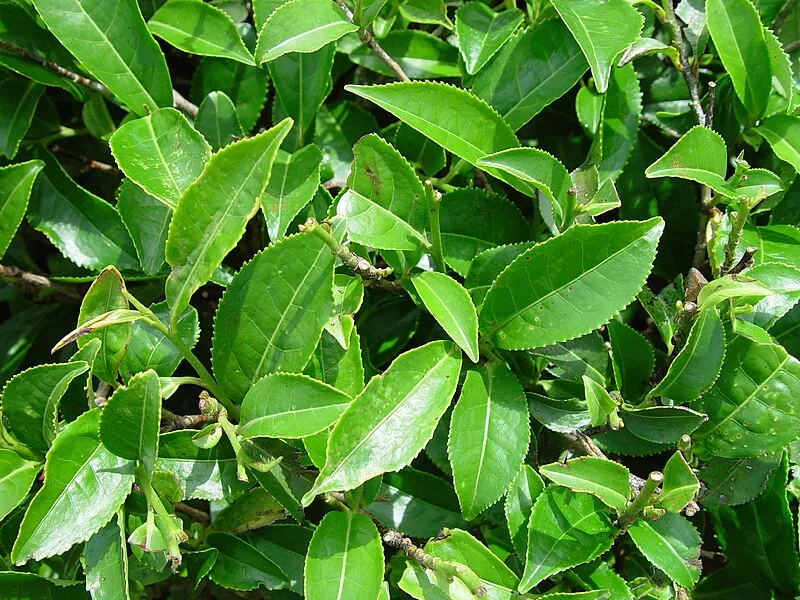
Tea Plant
HerbCamellia sinensis -- source of all true tea (green, black, oolong, white). Remarkably adaptable, tea plant tolerates temperatures from -5°C to 32°C and thrives in both cool-temperate and tropical gardens. It needs partial shade, though it appreciates some direct light and regular watering to keep soil consistently moist — leaves are ready for picking in about 1095-1825 days. Fresh leaves from your own garden taste noticeably better than store-bought — and the plant practically grows itself.
Needs acidic soil. Harvest top 2 leaves and bud. Can be planted 2-3 weeks before the last expected frost, giving it a head start on the growing season. Aim for about 2.5 cm of water per week, adjusting for rainfall. Organic mulch around the base helps maintain even moisture.
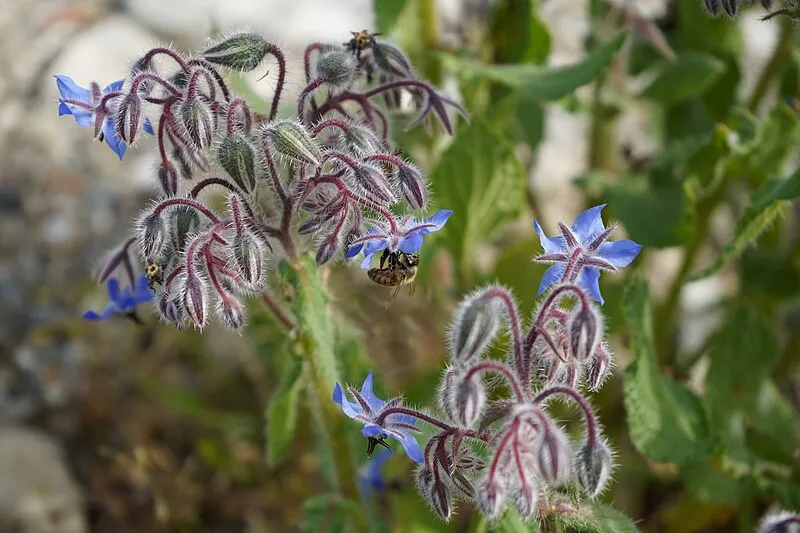
Borage
HerbBlue star flowers taste like cucumber. Hardy enough to withstand light frosts down to -5°C, borage performs best when daytime temperatures stay between 10°C and 22°C. It needs full sun (6-8 hours of direct light daily) and moderate, even watering throughout the growing season — leaves are ready for picking in about 50-60 days. Valued in cuisines worldwide, it is easy to grow and rewards regular harvesting with bushier, more productive plants.
Self-seeds prolifically. Edible flowers for salads and drinks. Can be planted 2-3 weeks before the last expected frost, giving it a head start on the growing season. Water steadily but avoid soggy soil. A 5-cm layer of organic mulch helps balance moisture and suppress weeds.
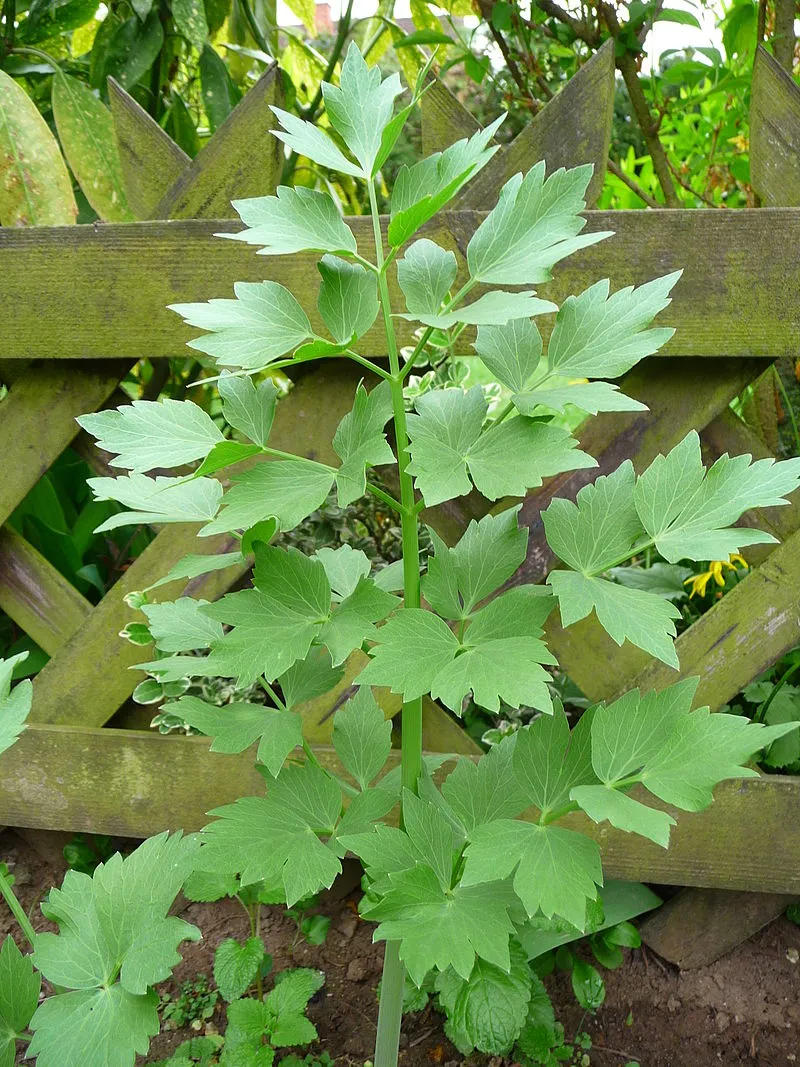
Lovage
HerbTall perennial herb with intense celery flavor. Hardy enough to withstand light frosts down to -15°C, lovage performs best when daytime temperatures stay between 12°C and 22°C. It needs full sun to partial shade and regular watering to keep soil consistently moist — leaves are ready for picking in about 60-90 days. Perfect for container gardens and small spaces — just place it where it gets adequate light and harvest as needed.
Grows very large (2m). Use like celery in cooking. Can be planted 2-3 weeks before the last expected frost, giving it a head start on the growing season. Aim for about 2.5 cm of water per week, adjusting for rainfall. Organic mulch around the base helps maintain even moisture.
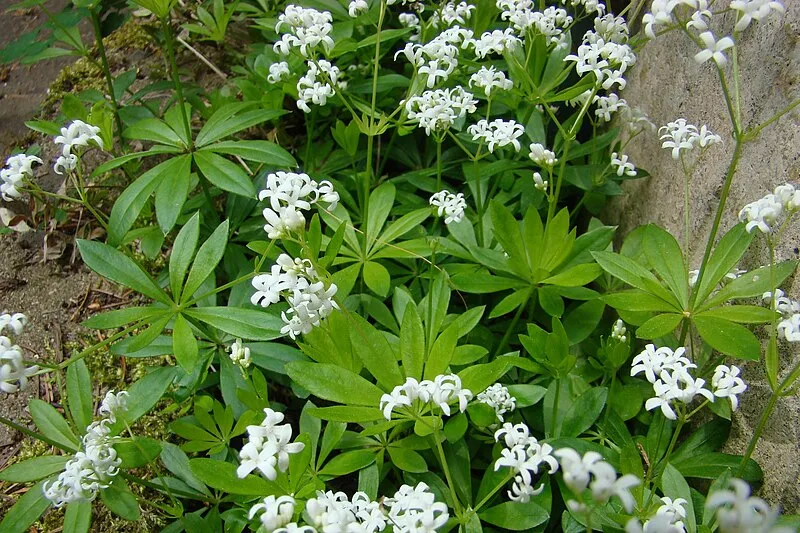
Sweet Woodruff
HerbShade-loving groundcover with vanilla-scented leaves. Hardy enough to withstand light frosts down to -20°C, sweet woodruff performs best when daytime temperatures stay between 10°C and 20°C. It needs partial shade, though it appreciates some direct light and regular watering to keep soil consistently moist — leaves are ready for picking in about 365-545 days. Valued in cuisines worldwide, it is easy to grow and rewards regular harvesting with bushier, more productive plants.
Perfect shade garden groundcover. Spreads by runners. Can be planted 2-3 weeks before the last expected frost, giving it a head start on the growing season. Aim for about 2.5 cm of water per week, adjusting for rainfall. Organic mulch around the base helps maintain even moisture.
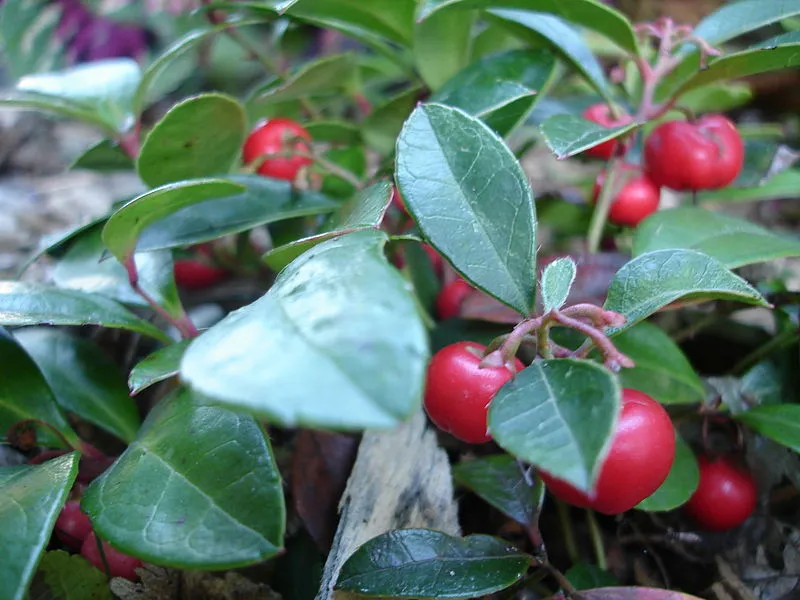
Wintergreen
HerbLow-growing evergreen with minty leaves and red berries. Hardy enough to withstand light frosts down to -30°C, wintergreen performs best when daytime temperatures stay between 10°C and 20°C. It needs partial shade, though it appreciates some direct light and regular watering to keep soil consistently moist — leaves are ready for picking in about 365-730 days. Valued in cuisines worldwide, it is easy to grow and rewards regular harvesting with bushier, more productive plants.
Needs acidic soil. Slow-spreading groundcover. Can be planted 2-3 weeks before the last expected frost, giving it a head start on the growing season. Aim for about 2.5 cm of water per week, adjusting for rainfall. Organic mulch around the base helps maintain even moisture.
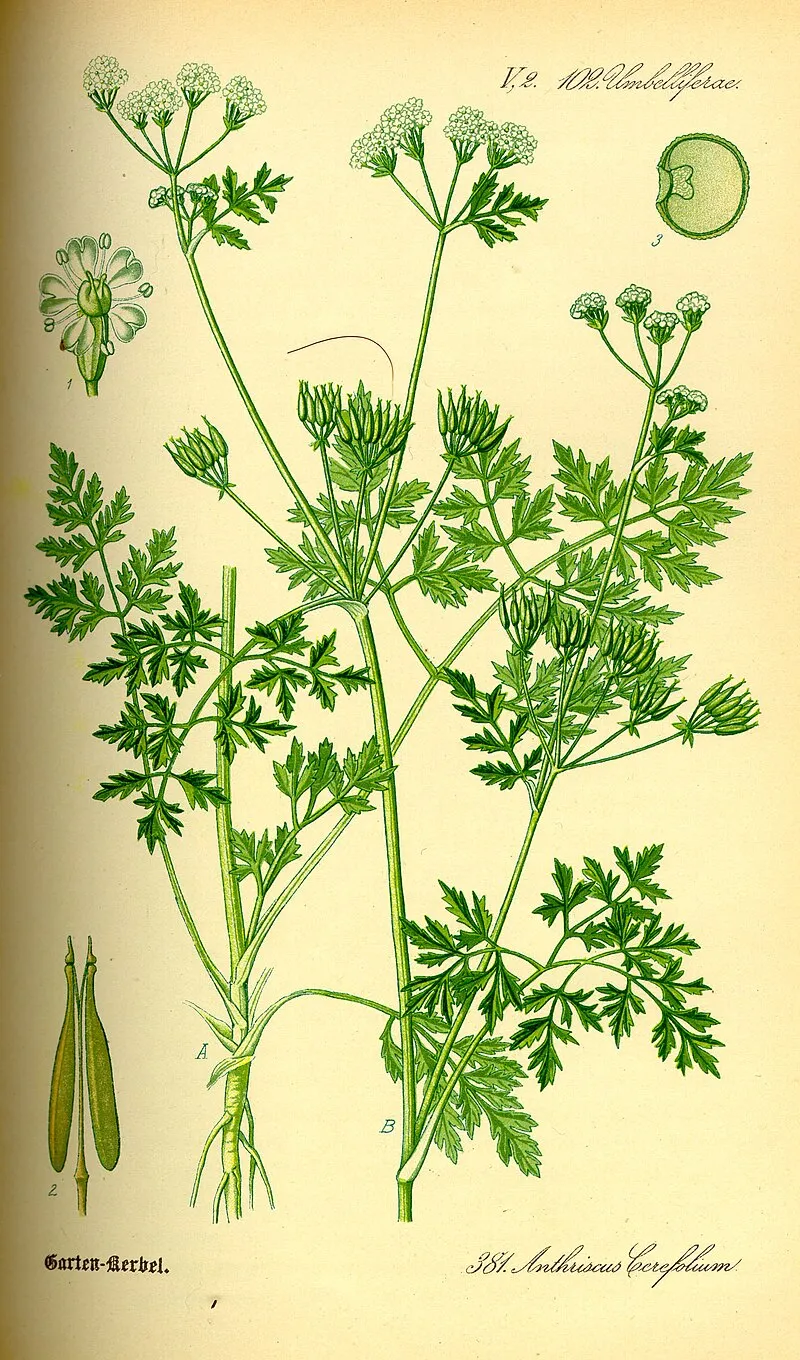
Chervil
HerbDelicate French herb with mild anise flavor. Hardy enough to withstand light frosts down to -5°C, chervil performs best when daytime temperatures stay between 10°C and 18°C. It needs partial shade, though it appreciates some direct light and regular watering to keep soil consistently moist — leaves are ready for picking in about 40-60 days. A kitchen essential that grows equally well on a sunny windowsill, a balcony pot, or a dedicated herb bed.
Bolts in heat -- grow in cool season or shade. Direct sow. Can be planted 2-3 weeks before the last expected frost, giving it a head start on the growing season. Aim for about 2.5 cm of water per week, adjusting for rainfall. Organic mulch around the base helps maintain even moisture.
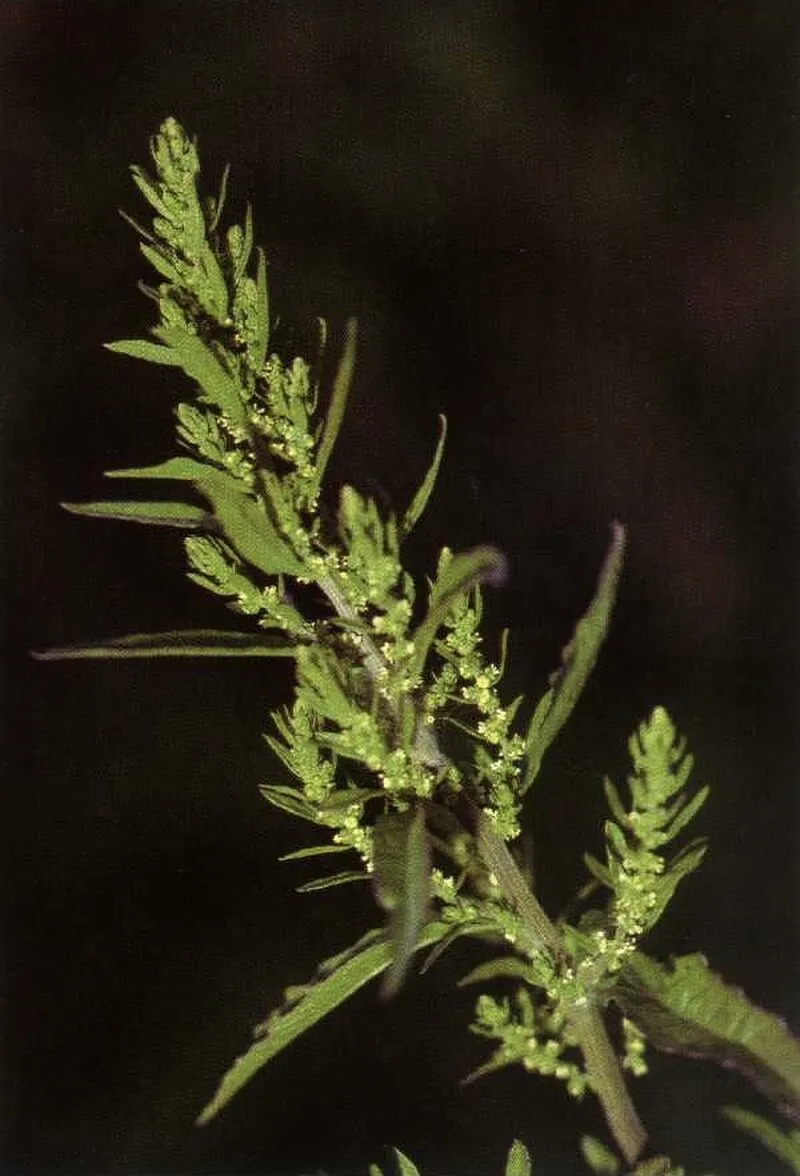
Epazote
HerbMexican herb essential for cooking black beans. A warmth-loving plant that does best between 18°C and 28°C, epazote adapts well to tropical and subtropical conditions but cannot tolerate frost. It needs full sun (6-8 hours of direct light daily) and minimal watering — it prefers dry conditions between drinks — leaves are ready for picking in about 45-60 days. Valued in cuisines worldwide, it is easy to grow and rewards regular harvesting with bushier, more productive plants.
Easy from seed. Self-seeds aggressively. Wait until soil warms to at least 18°C before transplanting outdoors — cold soil stunts growth and can invite root rot. Overwatering is the most common mistake. Let soil dry out between waterings and ensure drainage is excellent.
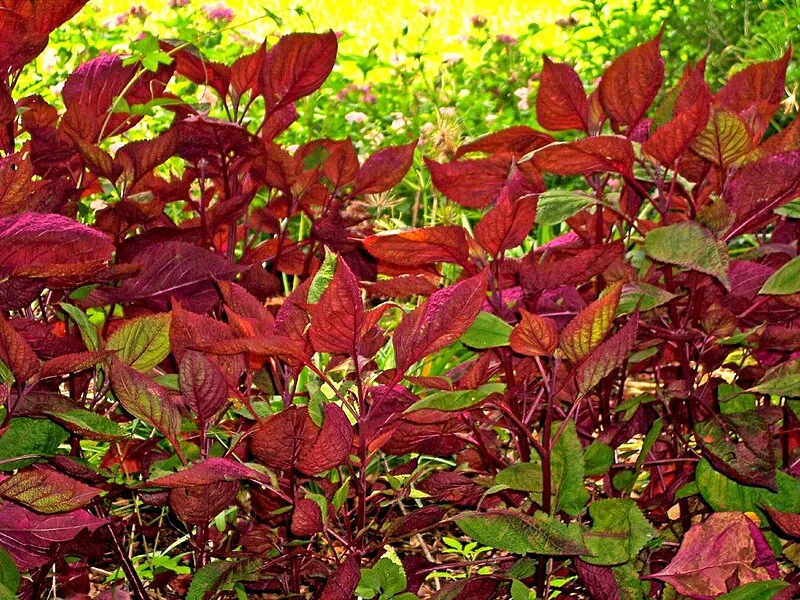
Perilla
HerbShiso -- Japanese herb with unique flavor. A warmth-loving plant that does best between 18°C and 28°C, perilla adapts well to tropical and subtropical conditions but cannot tolerate frost. It needs full sun to partial shade and regular watering to keep soil consistently moist — leaves are ready for picking in about 50-70 days. Perfect for container gardens and small spaces — just place it where it gets adequate light and harvest as needed.
Self-seeds readily. Essential in Japanese and Korean cuisine. Wait until soil warms to at least 18°C before transplanting outdoors — cold soil stunts growth and can invite root rot. Aim for about 2.5 cm of water per week, adjusting for rainfall. Organic mulch around the base helps maintain even moisture.
Frequently Asked Questions
What herbs grow best indoors?
The easiest herbs to grow indoors are basil, chives, mint, parsley, and thyme. They adapt well to containers and can thrive in a sunny south-facing window. Mint is particularly vigorous indoors. Rosemary and lavender prefer bright light and good airflow. Cilantro tends to bolt quickly indoors but can be grown in succession every few weeks for continuous harvest.
How much light do indoor herbs need?
Most culinary herbs need 6-8 hours of bright light daily. A south or west-facing windowsill is ideal. If you don't have a bright window, LED grow lights work extremely well — set them 6-12 inches above the plants and run them for 12-16 hours per day. Herbs in low light become leggy and lose flavor intensity, so adequate light is the single most important factor for success.
How do I keep indoor herbs alive long-term?
The keys to long-lived indoor herbs are good drainage (always use pots with drainage holes), adequate light, and regular harvesting. Harvest frequently to prevent bolting and encourage bushy growth. Water when the top inch of soil is dry — avoid both overwatering and letting the soil completely dry out. Fertilize monthly with a diluted liquid fertilizer during the growing season.