Step-by-Step Growing Guide
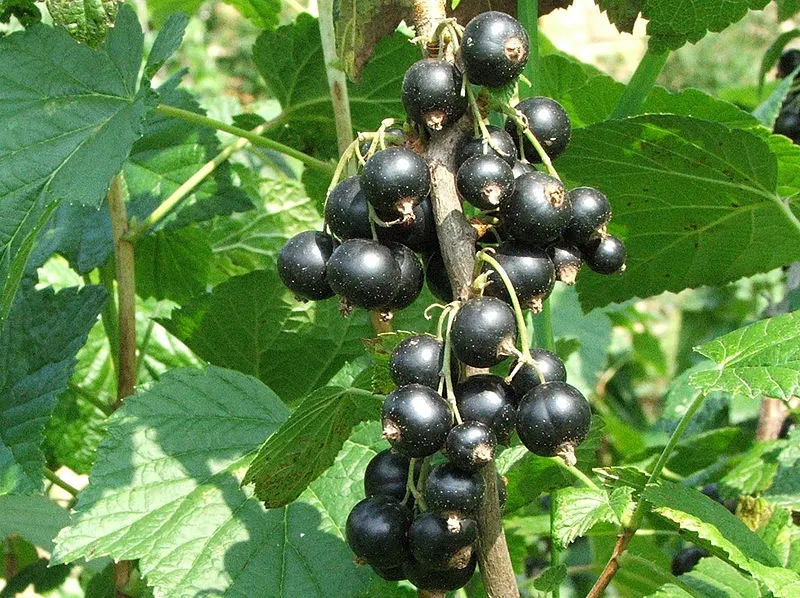
Black currant (Ribes nigrum) is one of the most cold-hardy and productive small fruits for temperate gardens. It thrives in deep, fertile, moisture-retentive soil with a pH of 6.0–6.5. Incorporate generous amounts of compost and aged manure before planting. Plant bushes 1.5 metres apart, setting the plant 5–7 cm deeper than it was in its pot to encourage multiple new stems from the buried portion — this is unique to black currant establishment. Water consistently, especially during fruit development; the crop is highly sensitive to drought stress during this period. Feed with a high-potassium fertiliser in spring and again after fruiting. Prune annually in autumn or winter by removing approximately one third of the oldest, darkest stems at ground level — black currants fruit on the previous year's growth, so maintaining a rotation of young productive wood is essential. In the USA, check local regulations as Ribes was historically restricted due to white pine blister rust concerns.