Gardening in Germany — Complete Planting Guide
Local climate data, USDA zones, frost dates, and month-by-month planting calendars for 6 cities in Germany. Based on real climate data from NOAA, FAO, and Open-Meteo.
Climate Overview for Germany
Germany spans USDA Hardiness Zones 5 through 6, reflecting a Oceanic climate. Growing seasons range from 210 to 230 frost-free days, and annual rainfall varies from 570 to 959mm across the country.
Best Plants for Germany
These plants are rated easy across every city we track in Germany
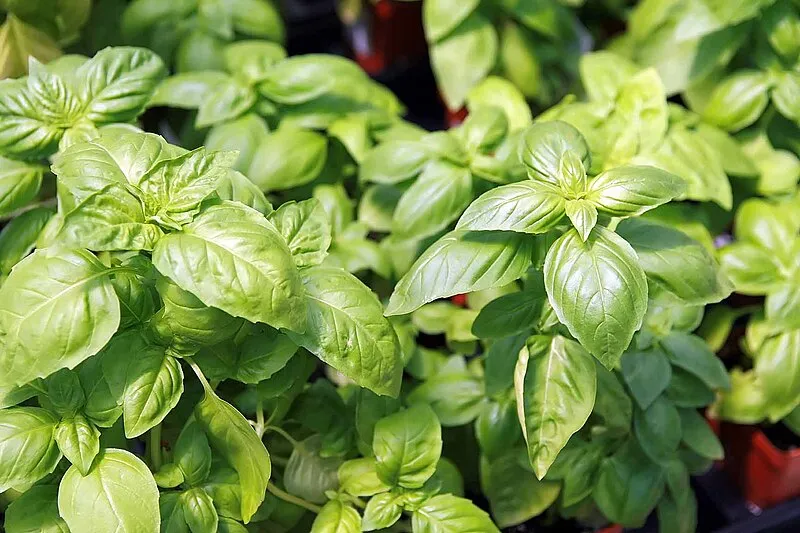
Basil
Herb50-75 days to harvest
easy in Germany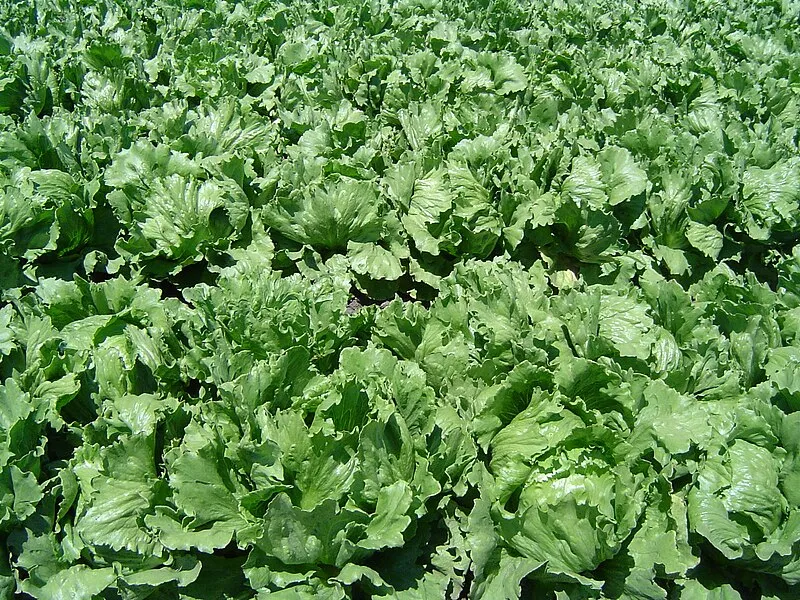
Lettuce
Vegetable30-60 days to harvest
easy in Germany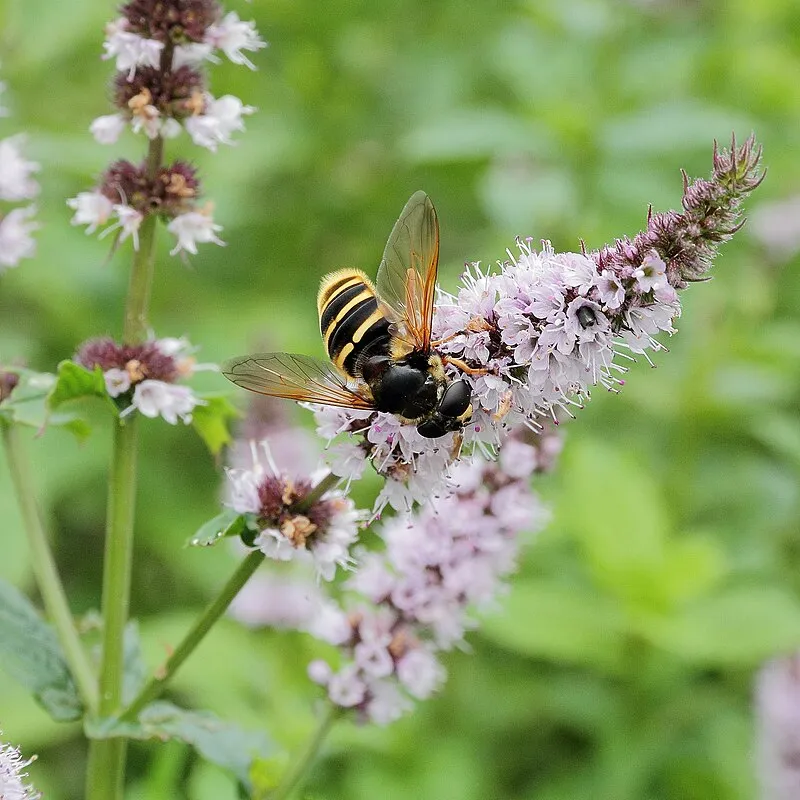
Mint
Herb60-90 days to harvest
easy in Germany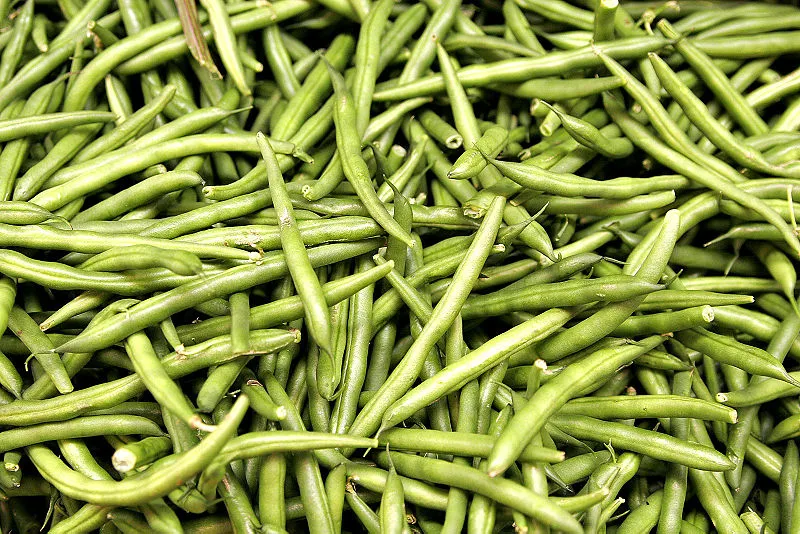
Green Bean
Vegetable50-60 days to harvest
easy in Germany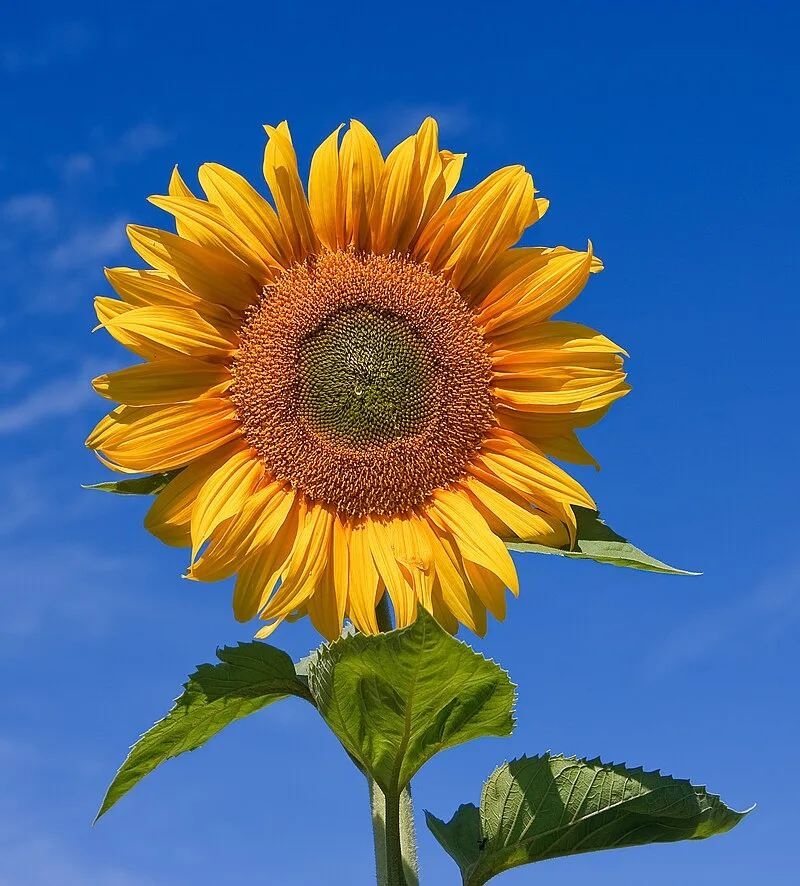
Sunflower
Flower70-100 days to harvest
easy in Germany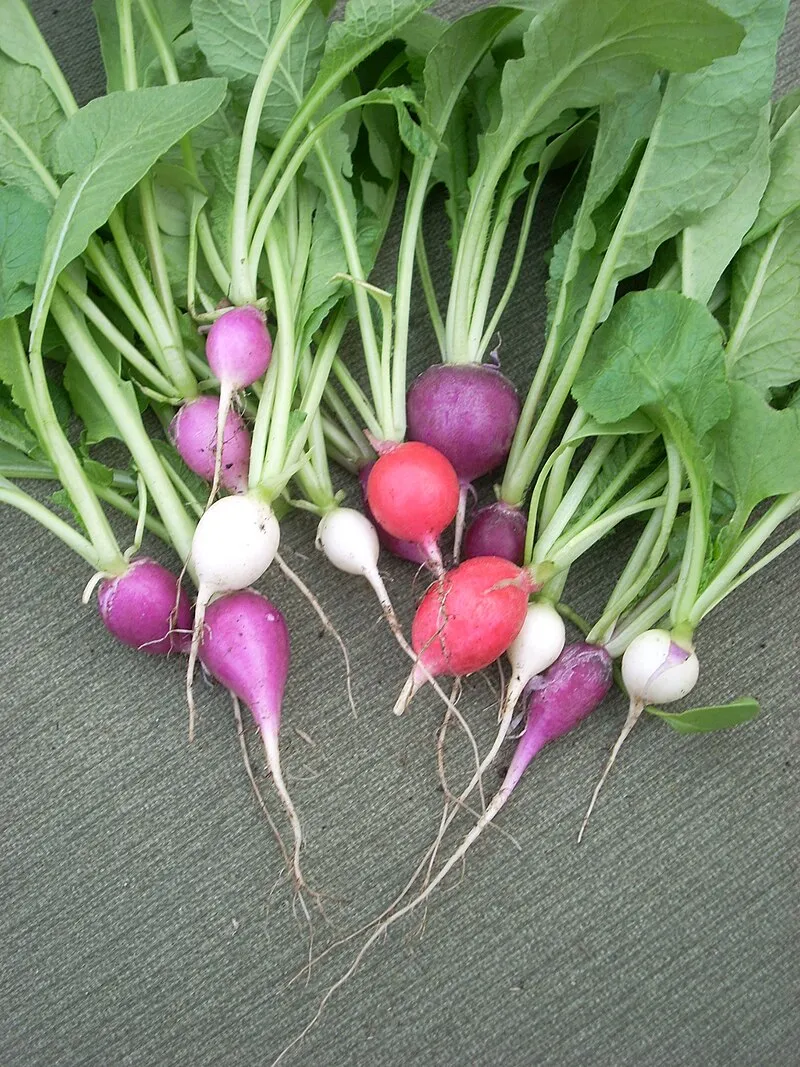
Radish
Vegetable22-30 days to harvest
easy in Germany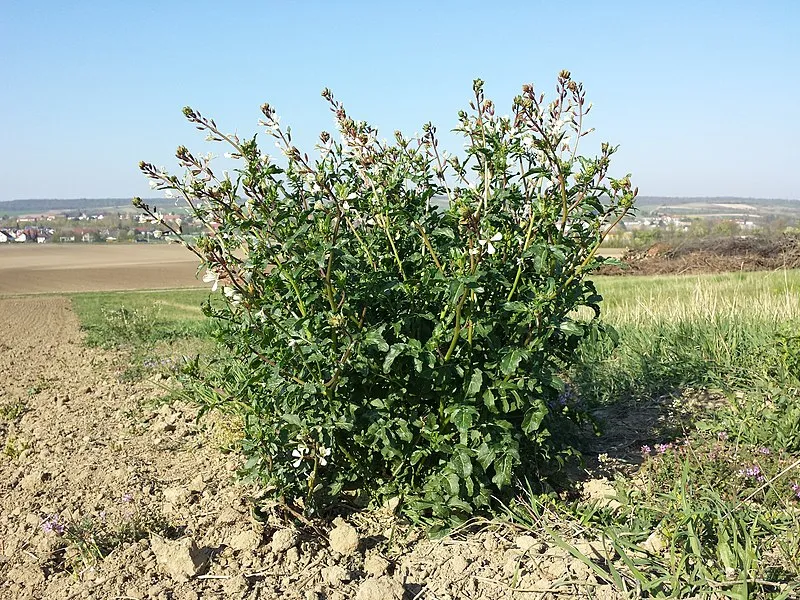
Arugula
Vegetable21-40 days to harvest
easy in Germany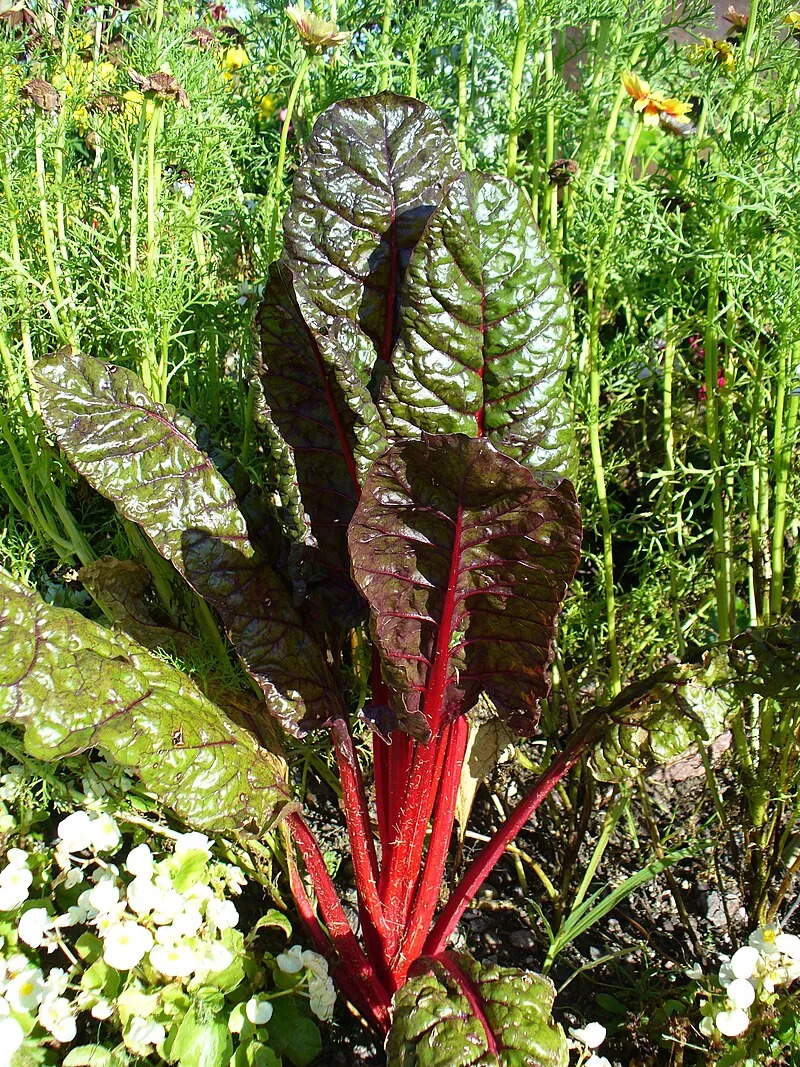
Swiss Chard
Vegetable50-60 days to harvest
easy in Germany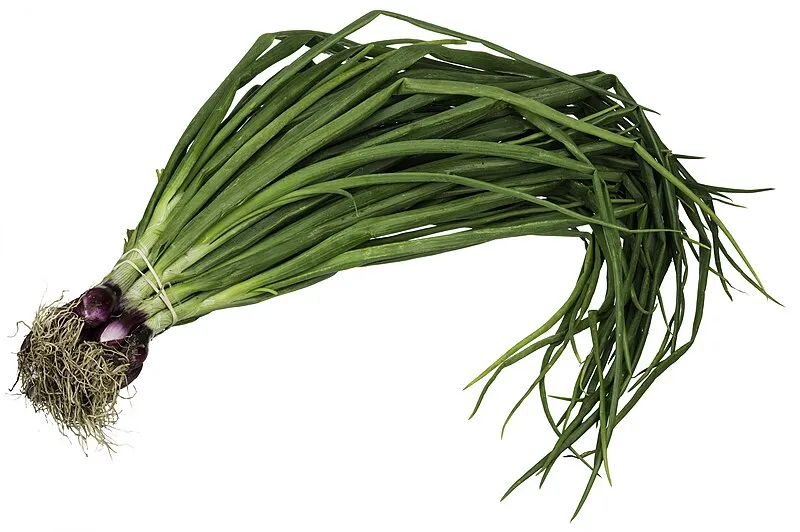
Green Onion
Vegetable20-30 days to harvest
easy in Germany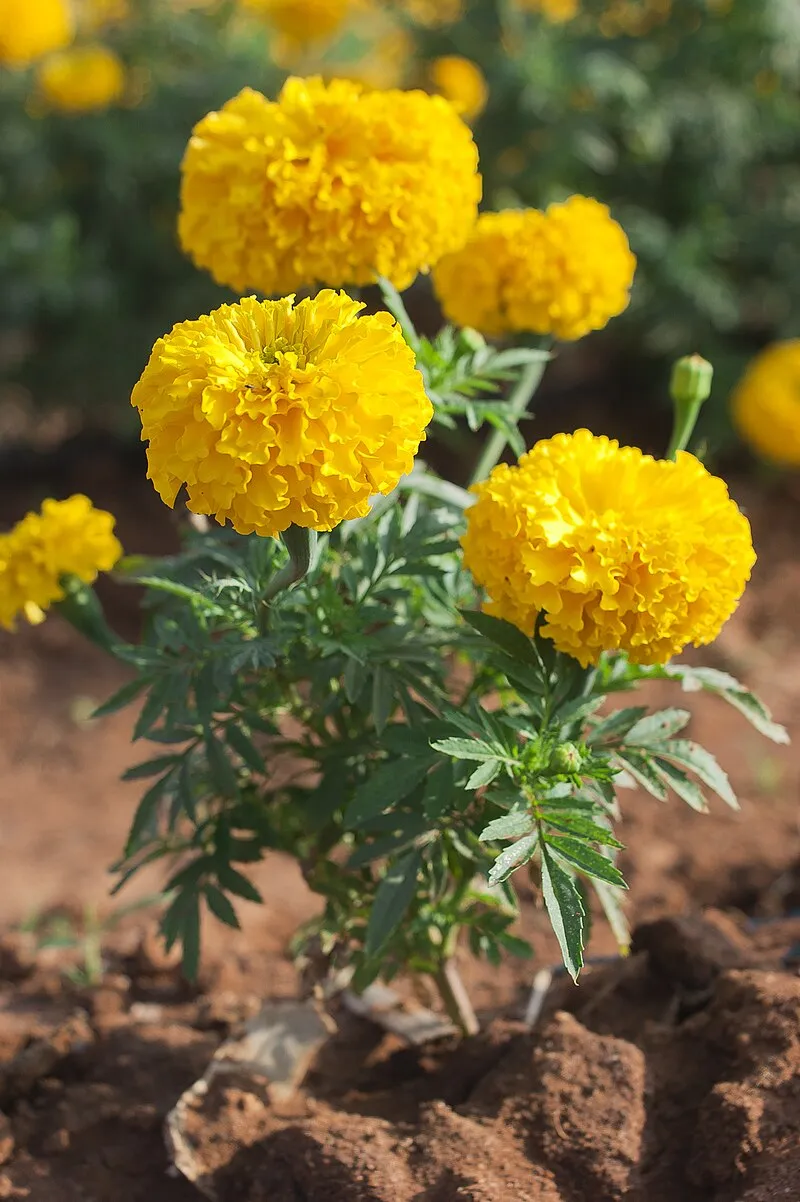
Marigold
Flower45-50 days to harvest
easy in Germany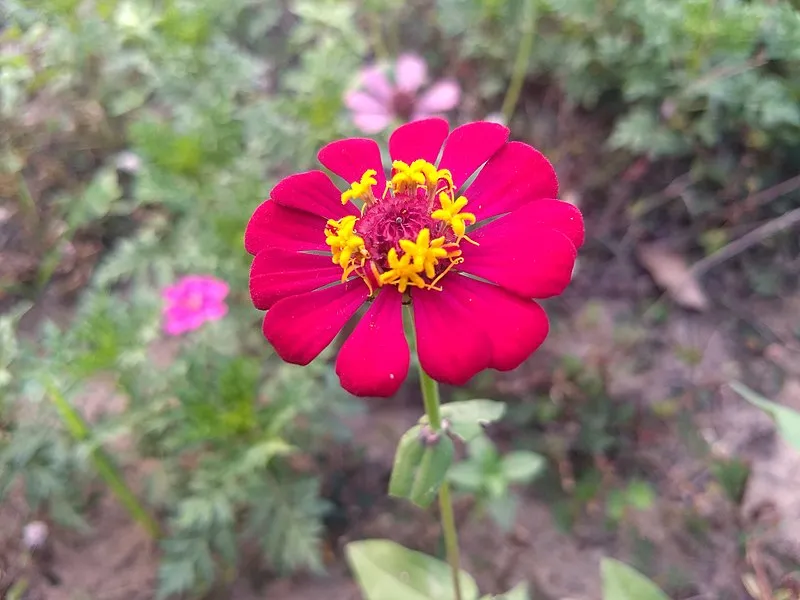
Zinnia
Flower60-70 days to harvest
easy in Germany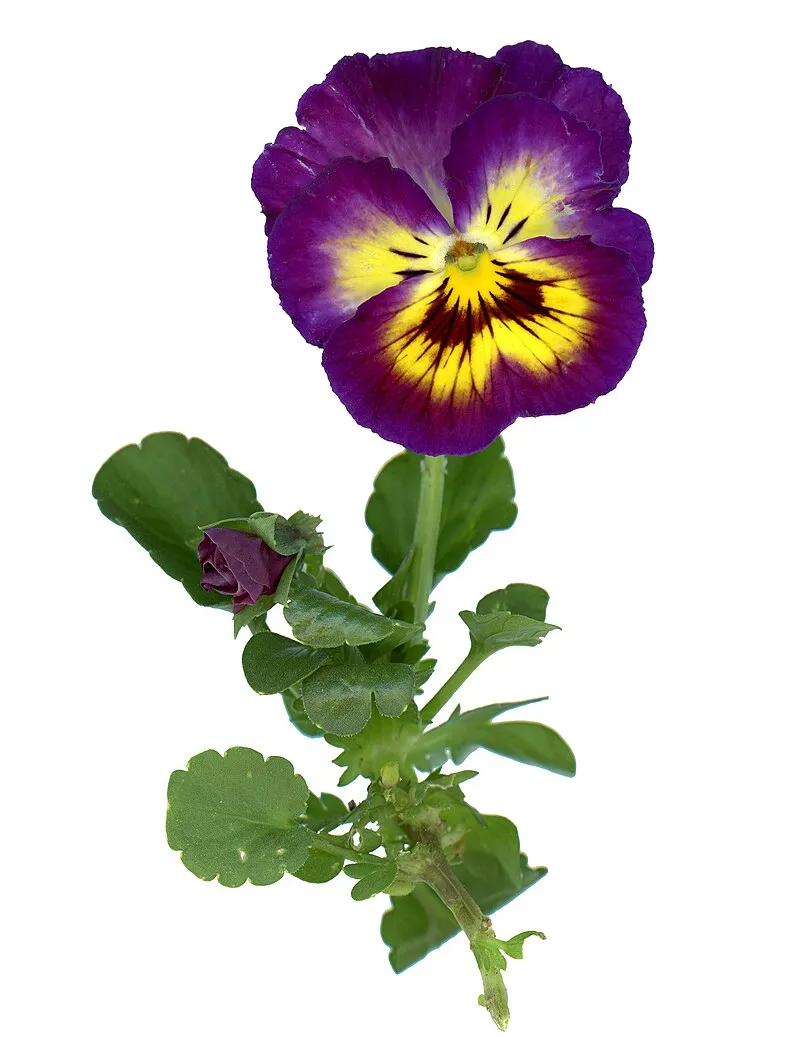
Pansy
Flower55-80 days to harvest
easy in Germany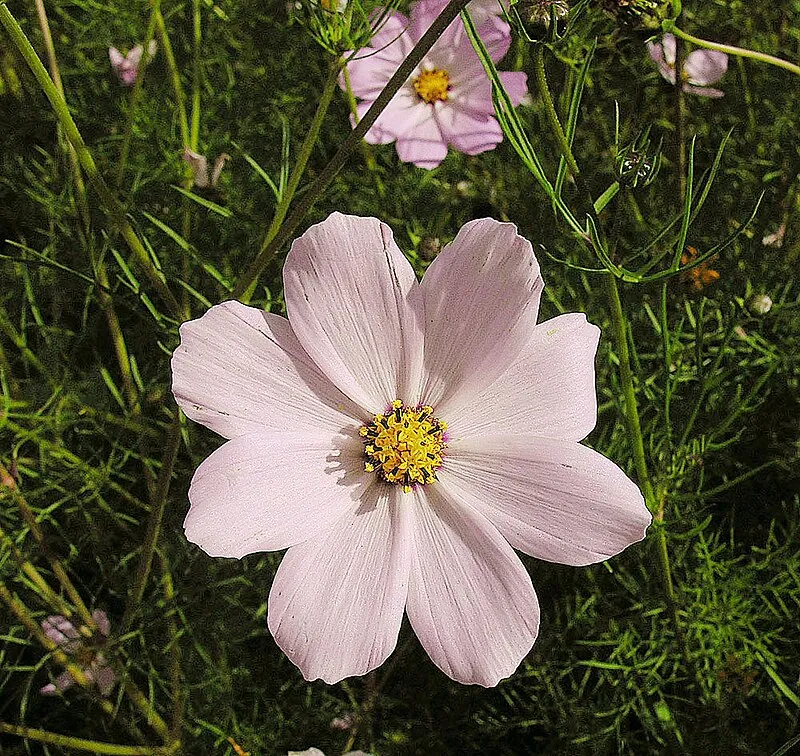
Cosmos
Flower50-60 days to harvest
easy in Germany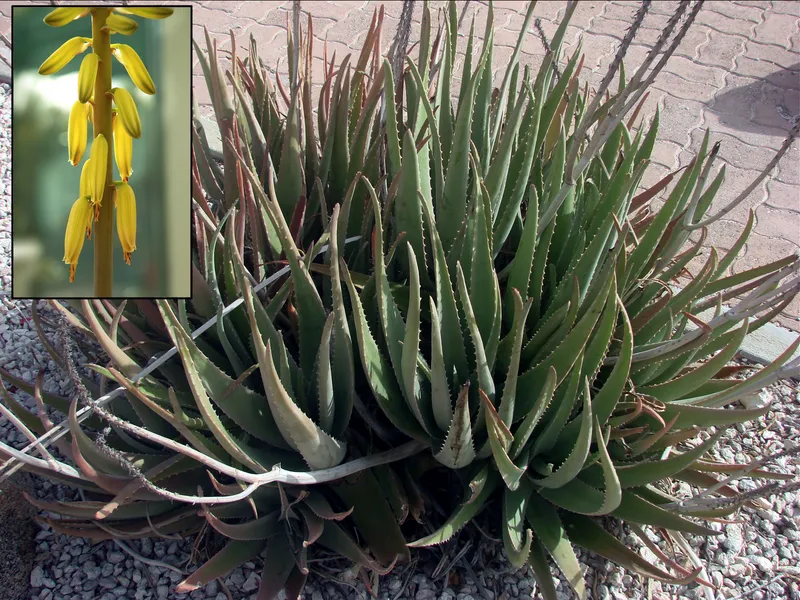
Aloe Vera
Herb365-730 days to harvest
easy in Germany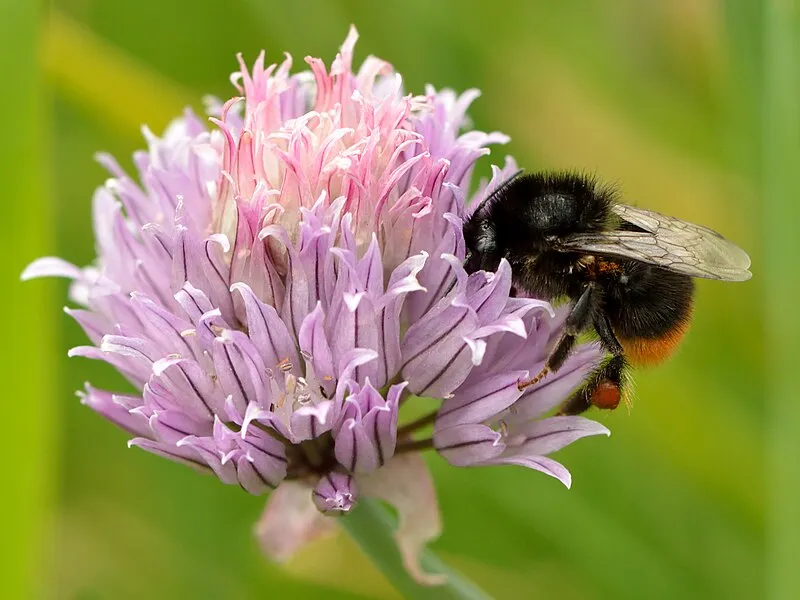
Chive
Herb60-90 days to harvest
easy in Germany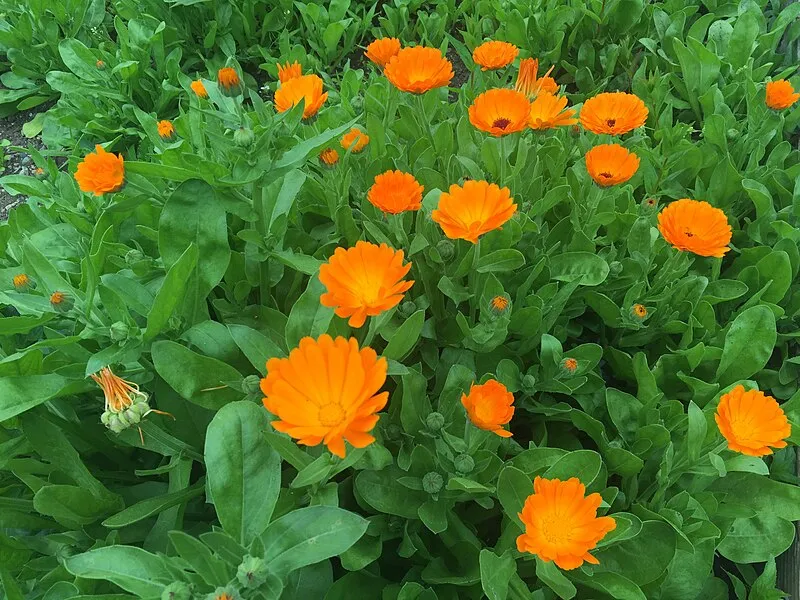
Calendula
Flower45-65 days to harvest
easy in Germany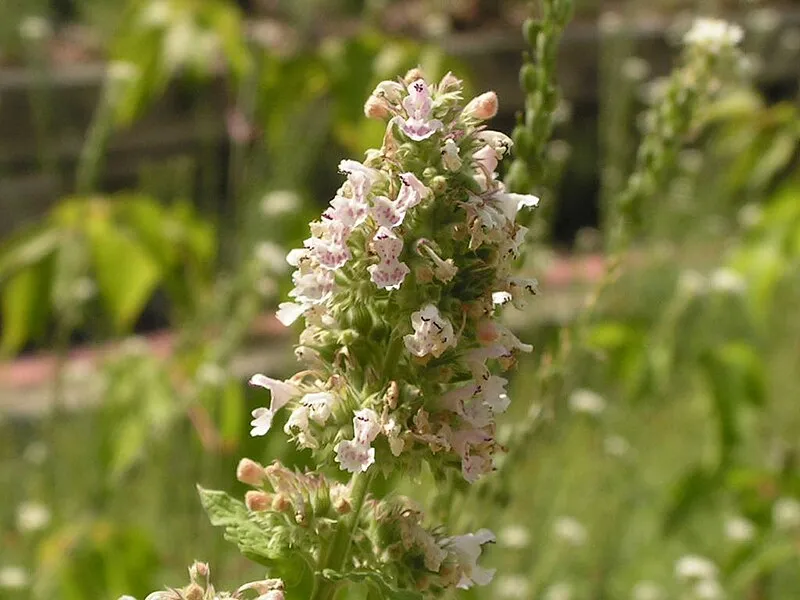
Catnip
Herb60-80 days to harvest
easy in Germany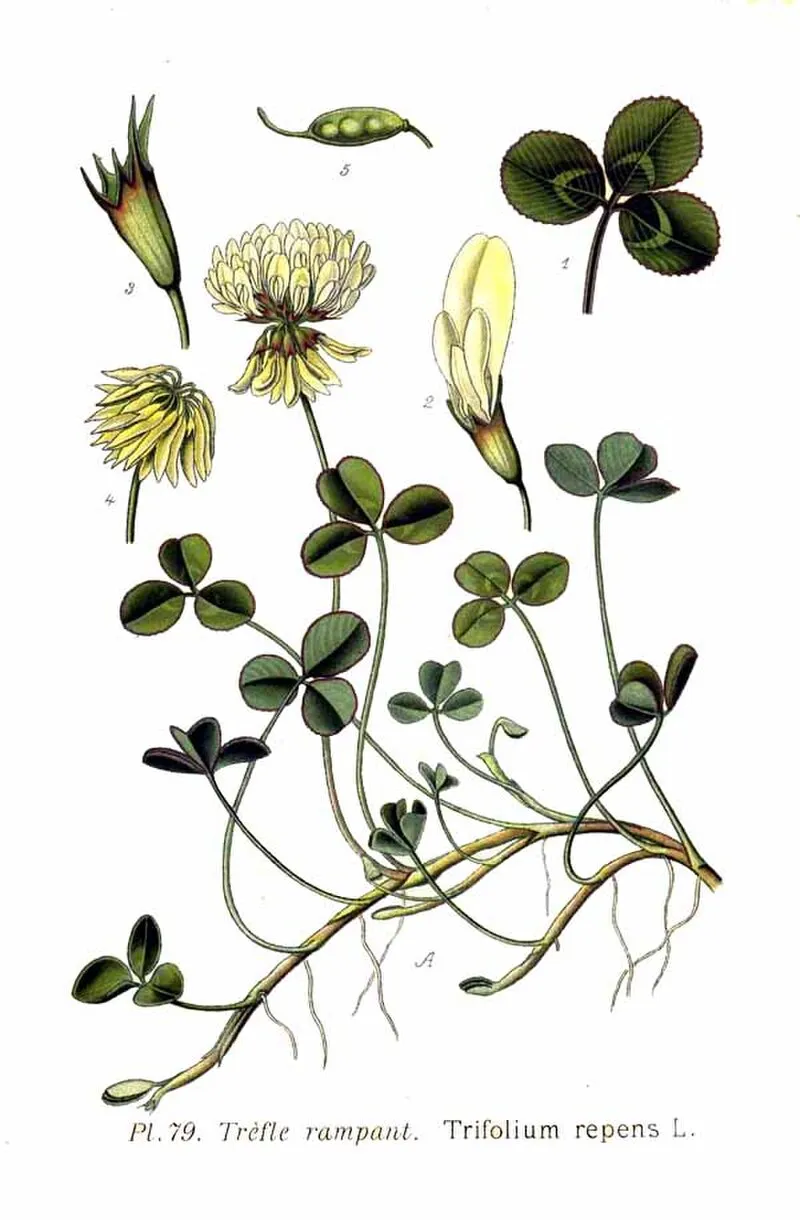
Clover
Herb60-90 days to harvest
easy in Germany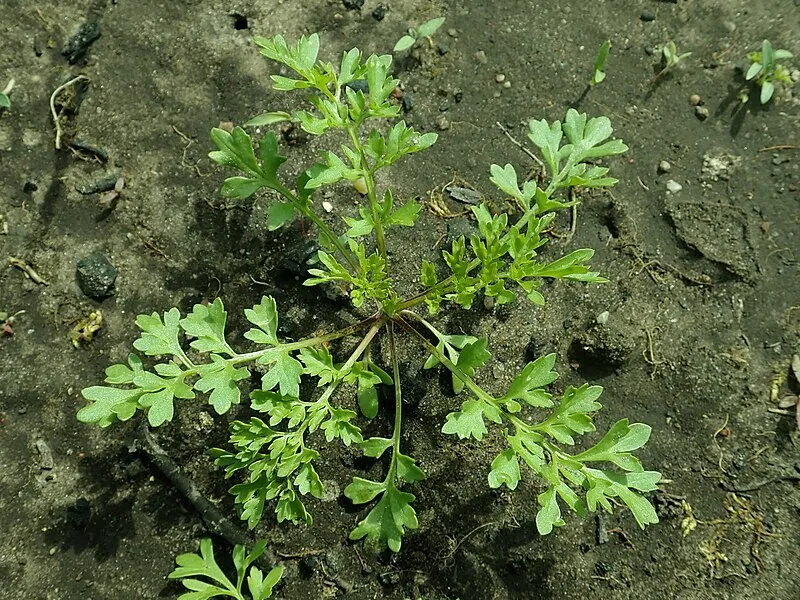
Cress
Vegetable7-14 days to harvest
easy in Germany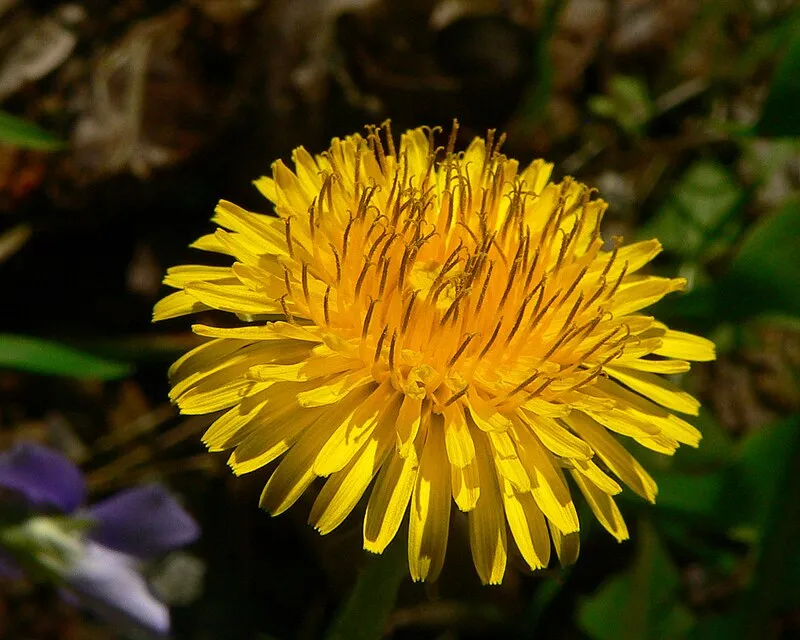
Dandelion
Vegetable45-60 days to harvest
easy in Germany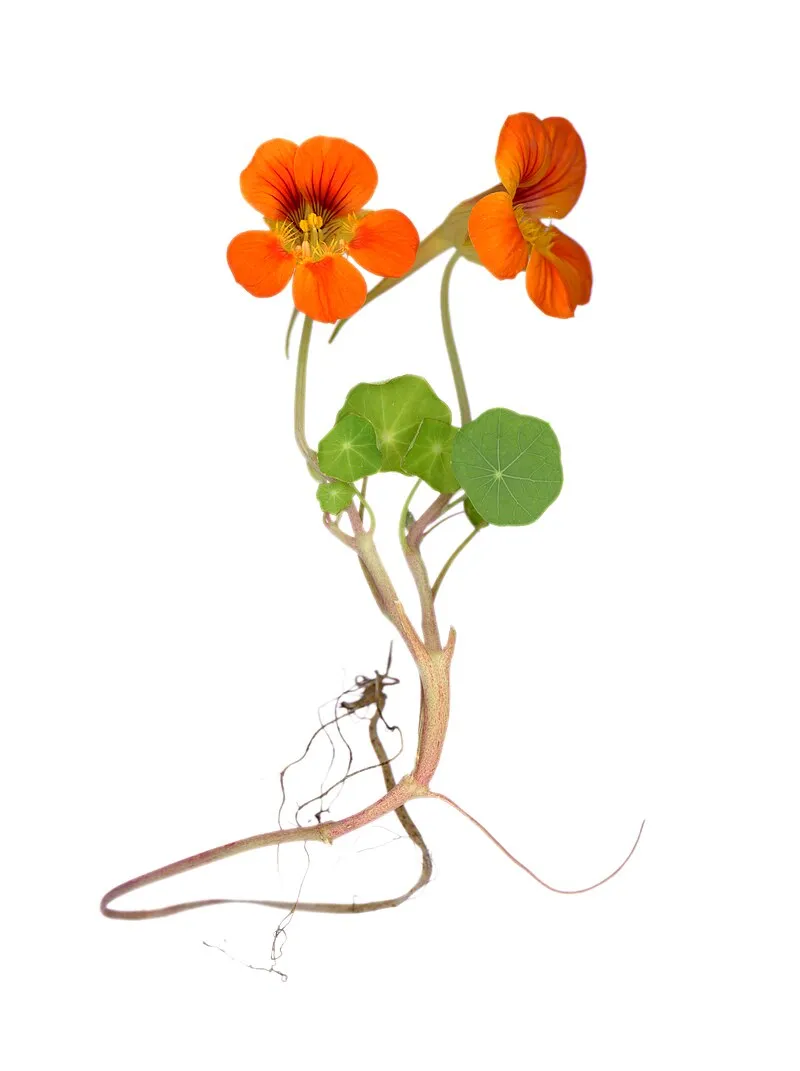
Nasturtium
Flower35-52 days to harvest
easy in Germany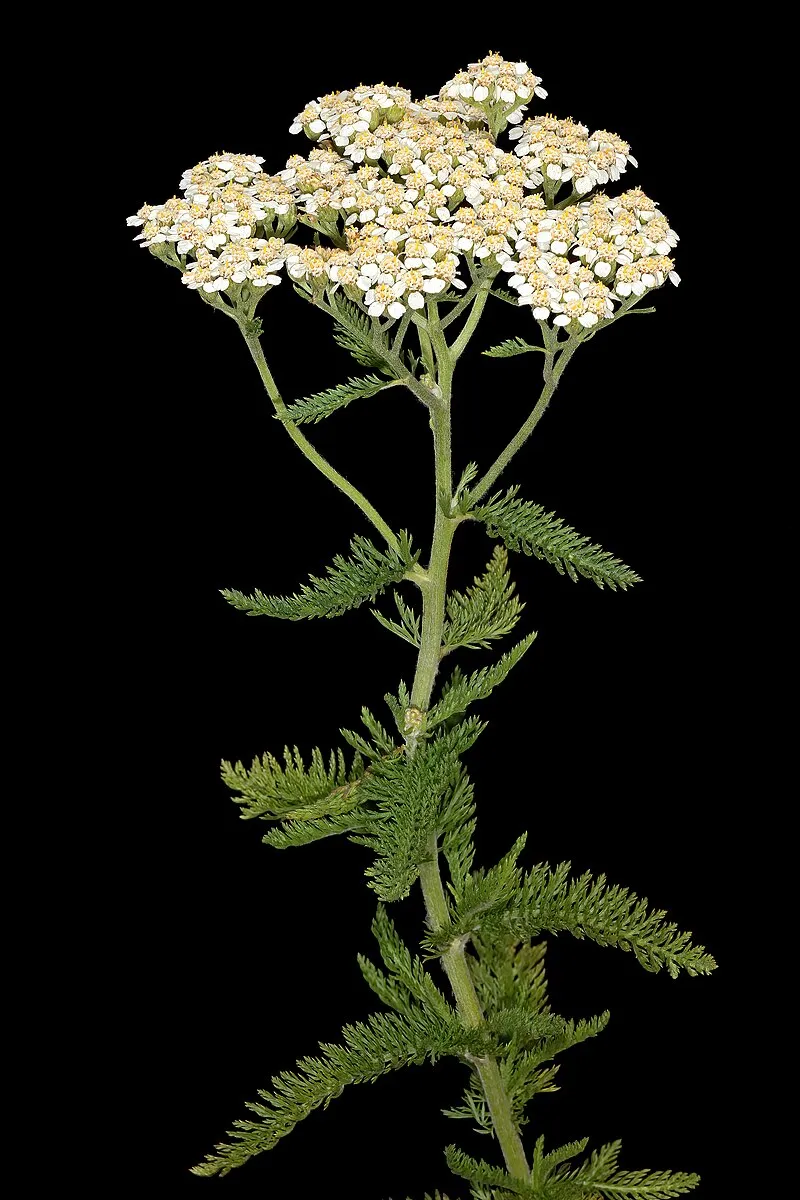
Yarrow
Flower60-90 days to harvest
easy in Germany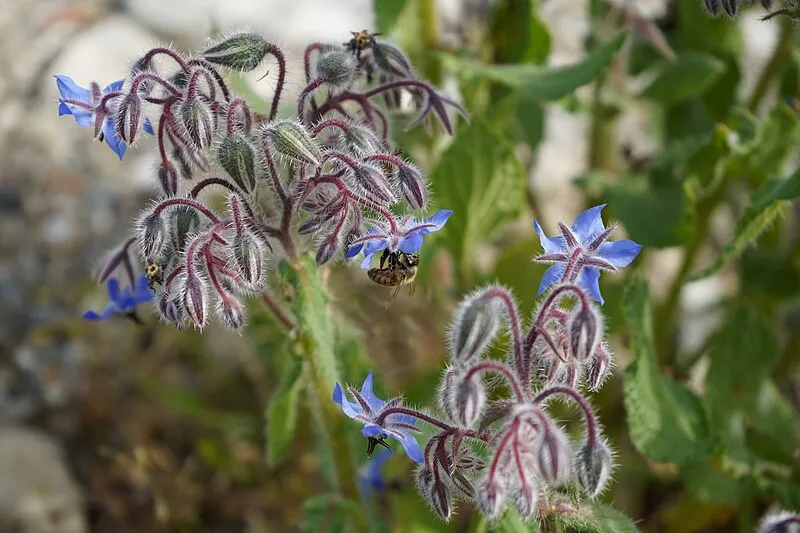
Borage
Herb50-60 days to harvest
easy in Germany
Mizuna
Vegetable21-40 days to harvest
easy in Germany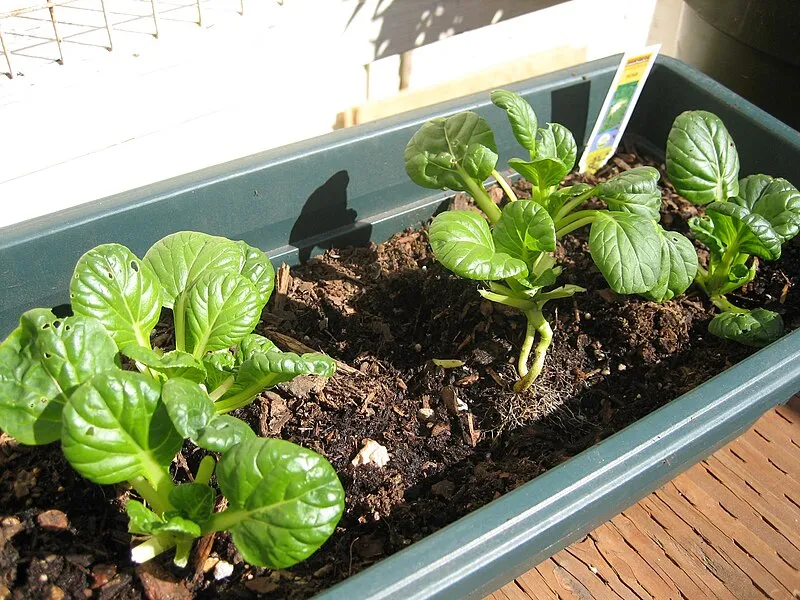
Tatsoi
Vegetable21-45 days to harvest
easy in Germany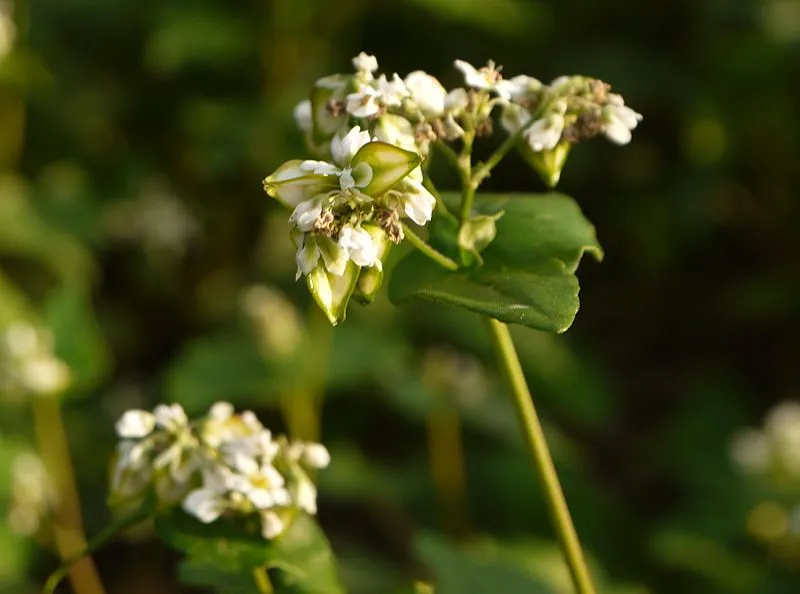
Buckwheat
Grain30-45 days to harvest
easy in GermanyCity-by-City Climate Comparison
Planting Guides by City
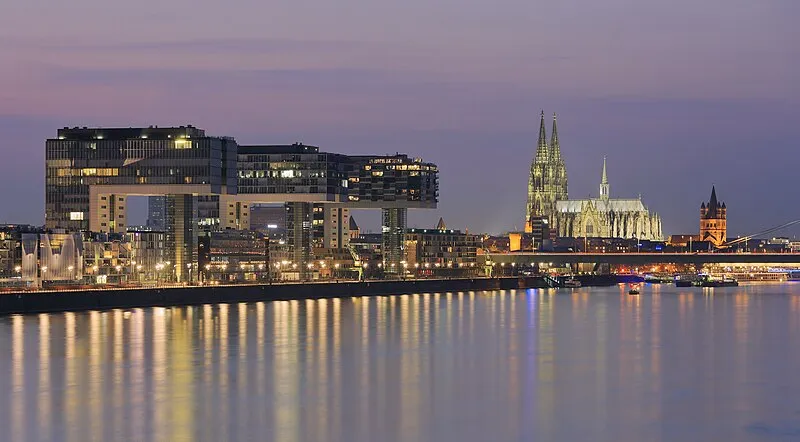
Cologne
Zone 6 · Oceanic
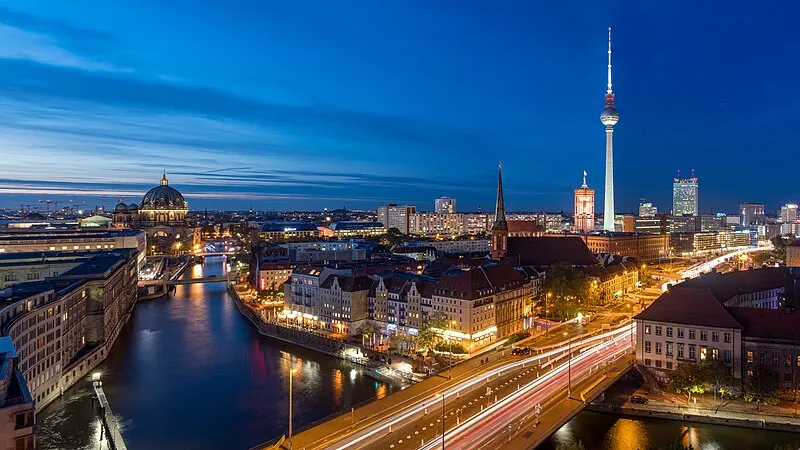
Berlin
Zone 5 · Oceanic
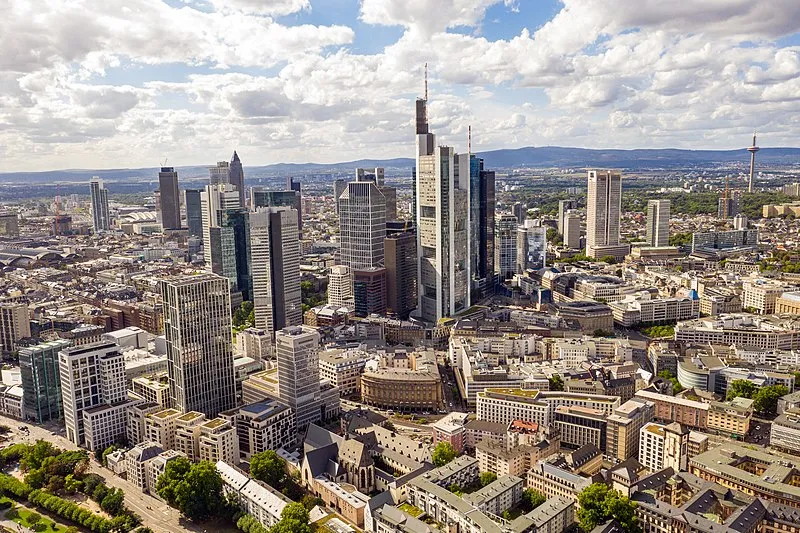
Frankfurt
Zone 6 · Oceanic
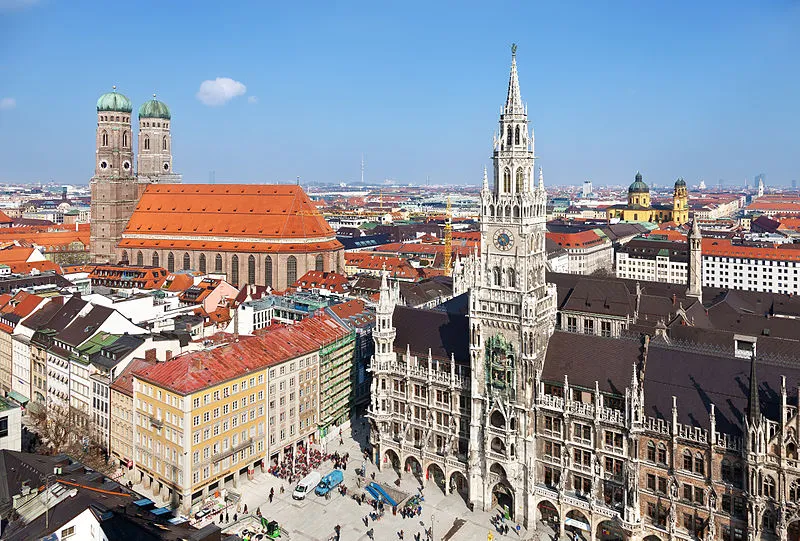
Munich
Zone 5 · Oceanic
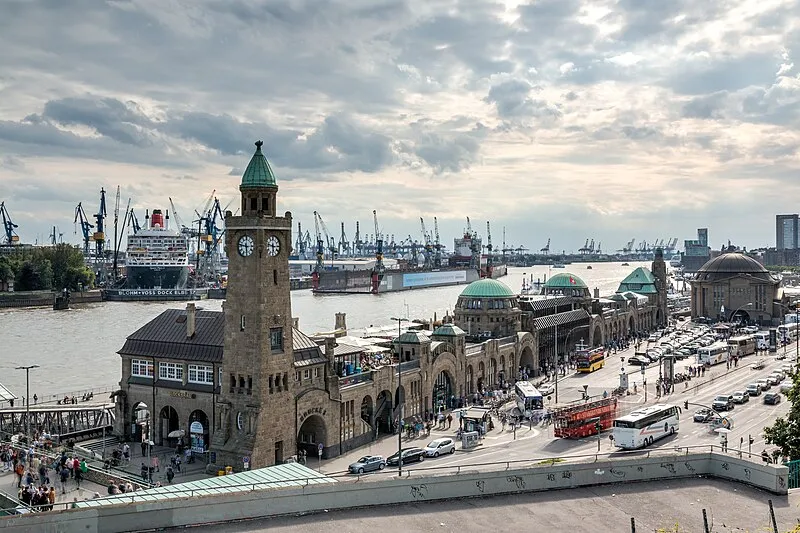
Hamburg
Zone 5 · Oceanic

Stuttgart
Zone 5 · Oceanic
Frequently Asked Questions about Gardening in Germany
What can I grow in Germany?
Plants that grow easily across all tracked cities in Germany include: Basil, Lettuce, Mint, Green Bean, Sunflower, Radish. These are rated "easy" in every city we cover in Germany. Your specific growing success also depends on local microclimate and soil conditions.
What USDA zones are in Germany?
Germany spans USDA Hardiness Zones 5 through 6. The specific zone for your area depends on elevation, latitude, proximity to the coast, and regional climate patterns.
When is the growing season in Germany?
The growing season in Germany varies by city. Frost-free growing periods range from 210 to 230 days per year across the 6 cities we track. Most gardens in Germany are active from spring through fall. Click on any city below for month-by-month planting calendars.
About This Data
Climate and planting data for Germany is based on real measurements from NOAA, FAO, and Open-Meteo. USDA hardiness zones and frost-free day counts are calculated from historical temperature records for each city. Planting difficulty ratings reflect local climate conditions for each specific location.