Best Shade-Tolerant Plants to Grow
These 56 plants thrive in partial shade or partial sun — perfect for north-facing gardens, spots under trees, or any area with limited direct sunlight.
Tips for Growing in Low Light
- Leafy greens and herbs are your best bet — they need less energy than fruiting plants
- Shade-grown plants often taste less bitter — ideal for lettuce, arugula, and spinach
- Shaded spots stay cooler and moist longer, meaning less frequent watering
- Watch for slugs and fungal issues — shade creates humid conditions they love
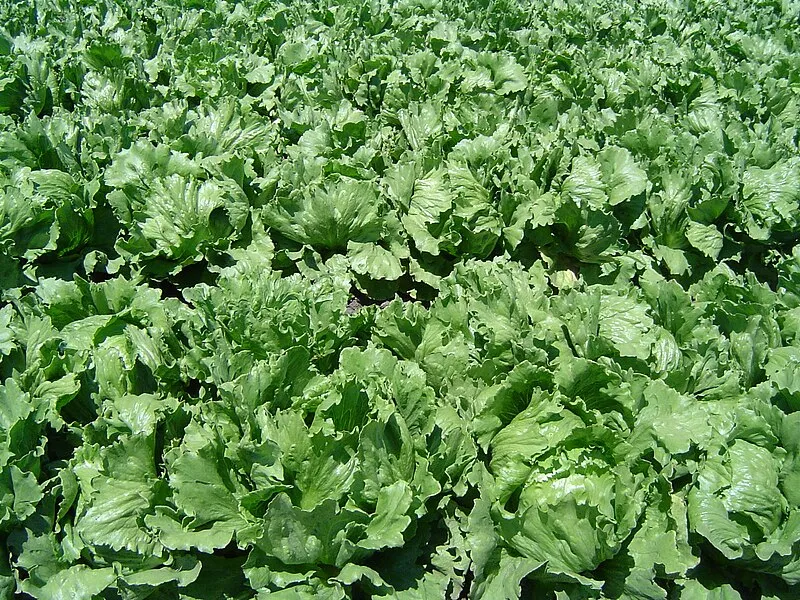
Lettuce
VegetableCool-season crop perfect for spring and fall. Hardy enough to withstand light frosts down to 2°C, lettuce performs best when daytime temperatures stay between 10°C and 20°C. Give it partial shade, though it appreciates some direct light and regular watering to keep soil consistently moist, and expect to harvest in roughly 30-60 days. Whether grown in raised beds, containers, or traditional plots, it produces well across a range of climates.
Sow successively every 2 weeks. Provide afternoon shade in warmer climates. Can be planted 2-3 weeks before the last expected frost, giving it a head start on the growing season. Aim for about 2.5 cm of water per week, adjusting for rainfall. Organic mulch around the base helps maintain even moisture.
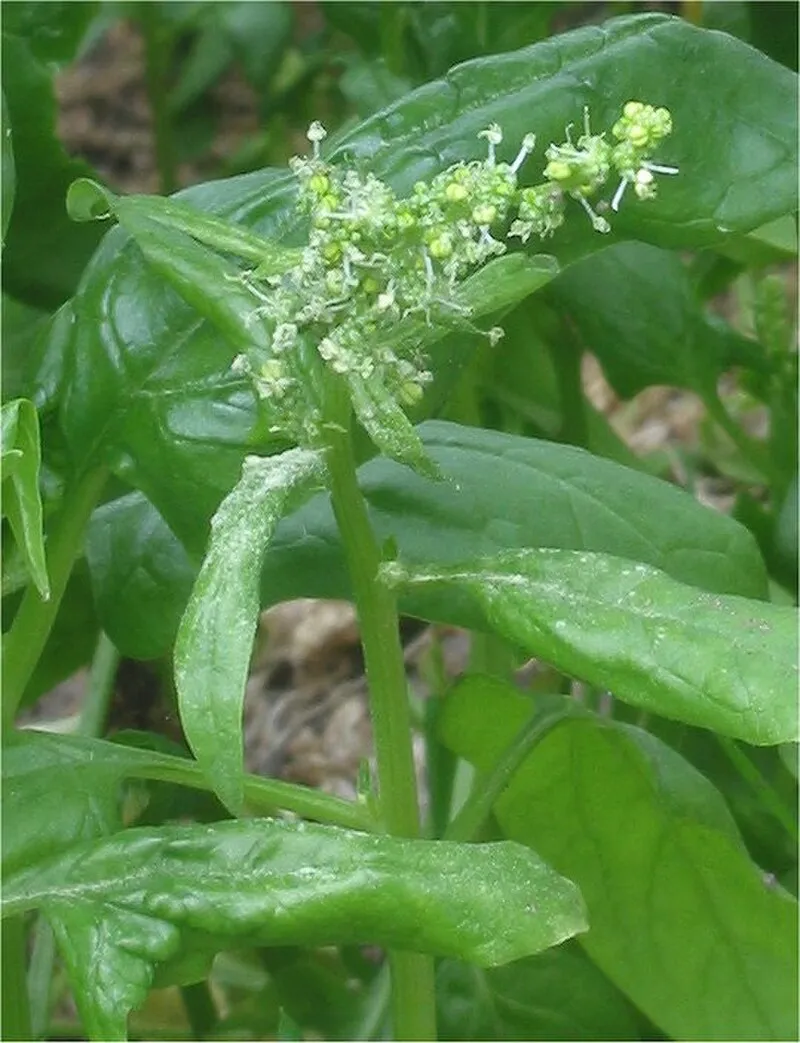
Spinach
VegetableNutrient-dense cool-season green. Hardy enough to withstand light frosts down to -5°C, spinach performs best when daytime temperatures stay between 5°C and 18°C. Give it partial shade, though it appreciates some direct light and regular watering to keep soil consistently moist, and expect to harvest in roughly 37-45 days. Whether grown in raised beds, containers, or traditional plots, it produces well across a range of climates.
Sow as soon as soil can be worked. Bolts quickly in heat -- grow in spring/fall. Can be planted 2-3 weeks before the last expected frost, giving it a head start on the growing season. Aim for about 2.5 cm of water per week, adjusting for rainfall. Organic mulch around the base helps maintain even moisture.
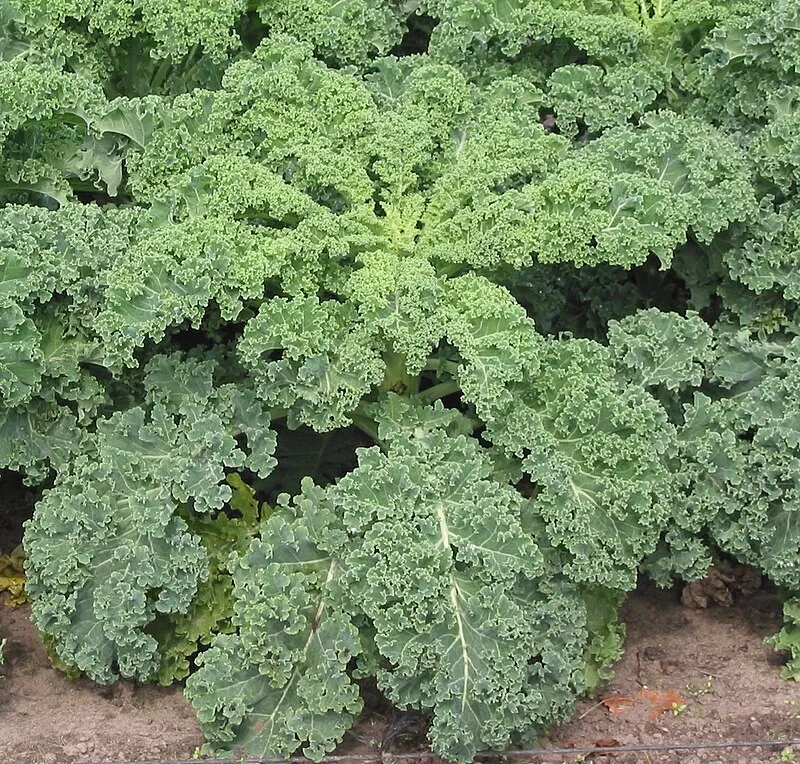
Kale
VegetableExtremely cold-hardy superfood. Hardy enough to withstand light frosts down to -10°C, kale performs best when daytime temperatures stay between 5°C and 20°C. Give it full sun to partial shade and regular watering to keep soil consistently moist, and expect to harvest in roughly 55-75 days. An excellent choice for beginner and experienced gardeners alike, thanks to its forgiving growing habits.
One of the hardiest garden crops. Can overwinter in many climates with mulch. Can be planted 2-3 weeks before the last expected frost, giving it a head start on the growing season. Aim for about 2.5 cm of water per week, adjusting for rainfall. Organic mulch around the base helps maintain even moisture.
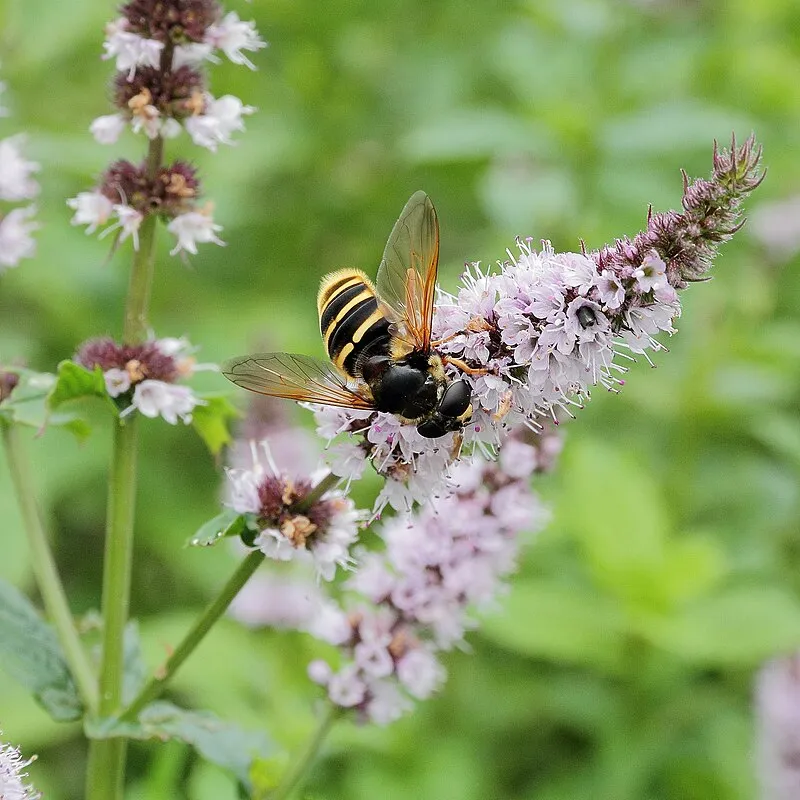
Mint
HerbVigorous herb that spreads aggressively. Remarkably adaptable, mint tolerates temperatures from -5°C to 30°C and thrives in both cool-temperate and tropical gardens. It needs partial shade, though it appreciates some direct light and regular watering to keep soil consistently moist — leaves are ready for picking in about 60-90 days. Fresh leaves from your own garden taste noticeably better than store-bought — and the plant practically grows itself.
Always grow in a pot -- it will take over your garden. Harvest often to control growth. Can be planted 2-3 weeks before the last expected frost, giving it a head start on the growing season. Aim for about 2.5 cm of water per week, adjusting for rainfall. Organic mulch around the base helps maintain even moisture.
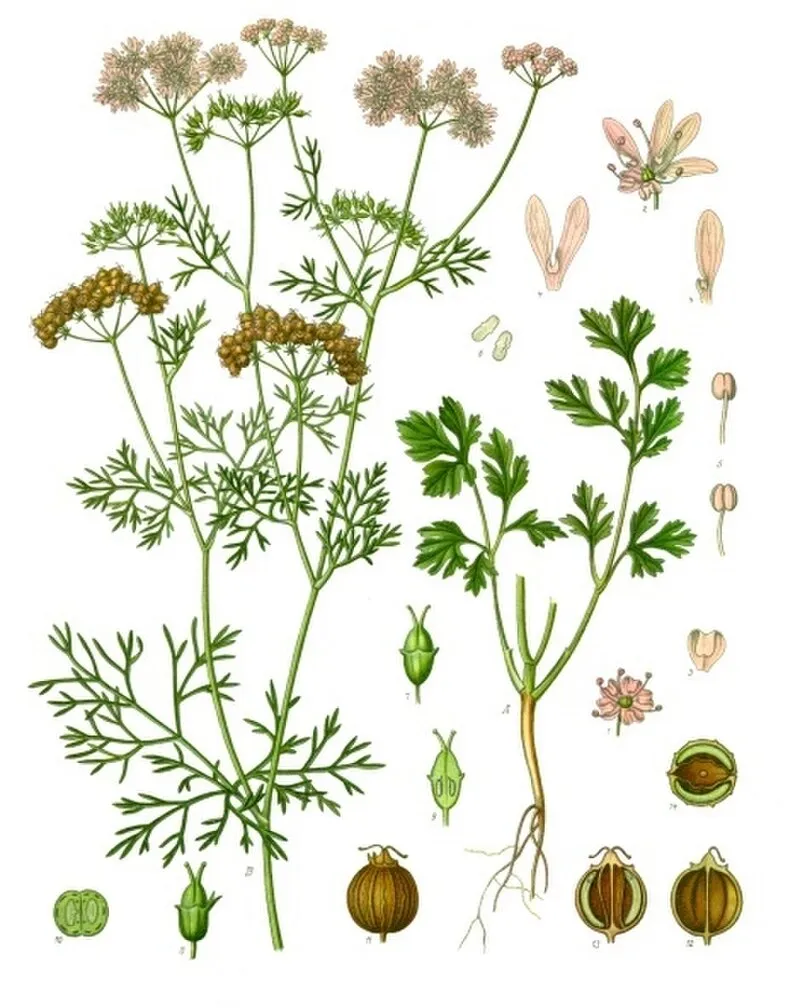
Cilantro
HerbCool-season herb essential in Mexican, Indian, and Thai cooking. Hardy enough to withstand light frosts down to 2°C, cilantro performs best when daytime temperatures stay between 10°C and 20°C. It needs full sun to partial shade and regular watering to keep soil consistently moist — leaves are ready for picking in about 45-70 days. Valued in cuisines worldwide, it is easy to grow and rewards regular harvesting with bushier, more productive plants.
Sow every 3 weeks for continuous harvest. In hot climates, grow in fall/winter only. Can be planted 2-3 weeks before the last expected frost, giving it a head start on the growing season. Aim for about 2.5 cm of water per week, adjusting for rainfall. Organic mulch around the base helps maintain even moisture.
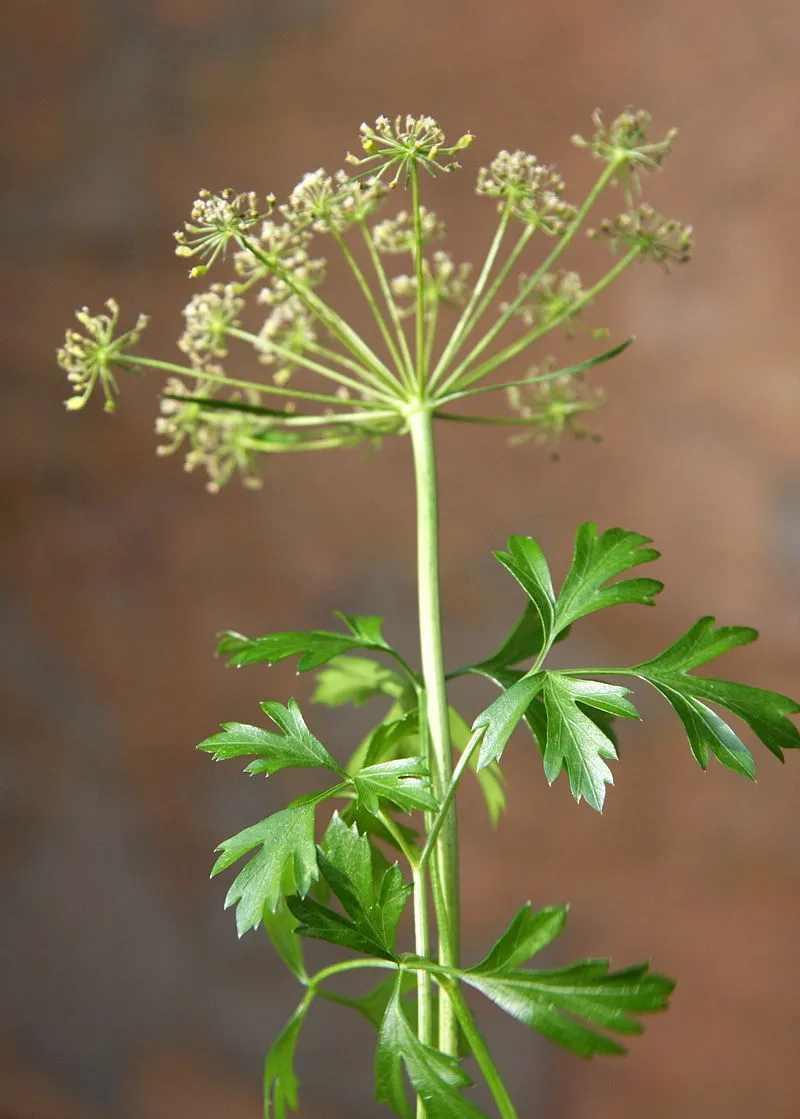
Parsley
HerbBiennial herb -- grows leaves year one, flowers year two. Hardy enough to withstand light frosts down to -5°C, parsley performs best when daytime temperatures stay between 10°C and 22°C. It needs full sun to partial shade and regular watering to keep soil consistently moist — leaves are ready for picking in about 70-90 days. Fresh leaves from your own garden taste noticeably better than store-bought — and the plant practically grows itself.
Slow to germinate (2-4 weeks). Soak seeds overnight to speed up. Can be planted 2-3 weeks before the last expected frost, giving it a head start on the growing season. Aim for about 2.5 cm of water per week, adjusting for rainfall. Organic mulch around the base helps maintain even moisture.
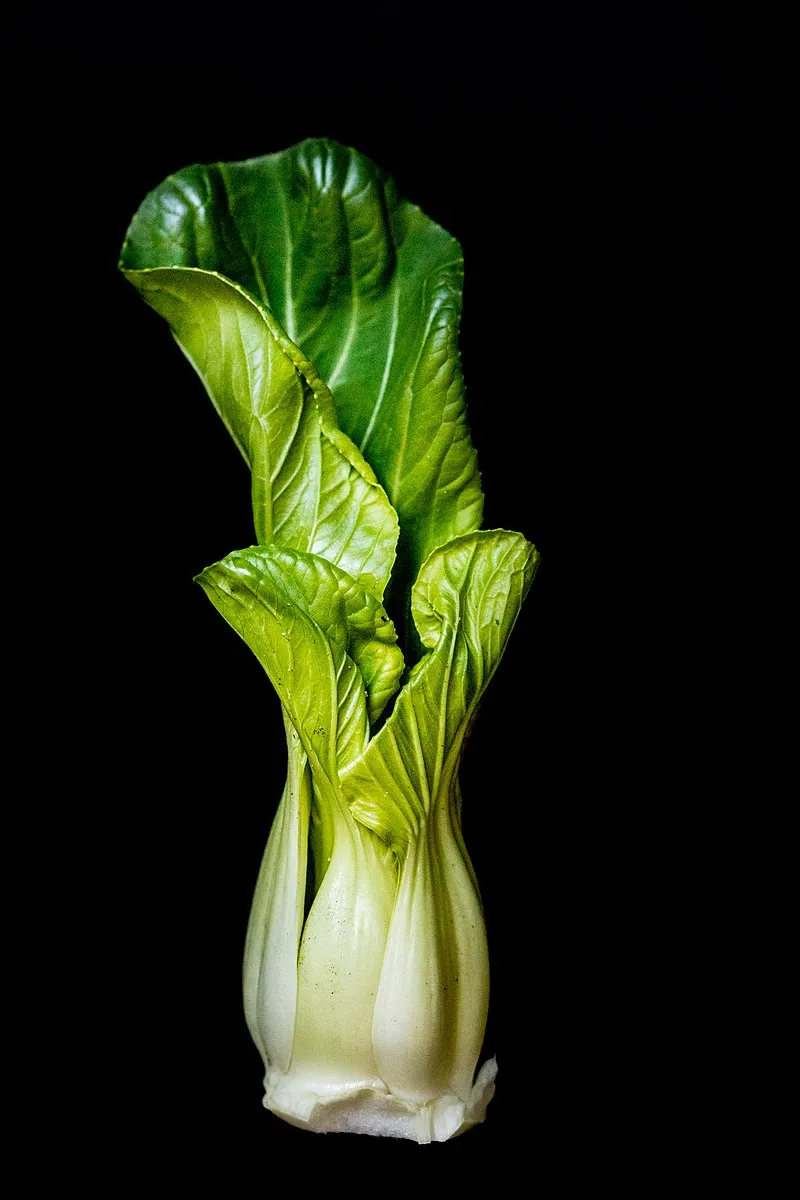
Bok Choy
VegetableFast-growing Asian green. Hardy enough to withstand light frosts down to 0°C, bok choy performs best when daytime temperatures stay between 10°C and 20°C. Give it partial shade, though it appreciates some direct light and regular watering to keep soil consistently moist, and expect to harvest in roughly 30-50 days. Widely grown in home gardens around the world, it adapts to a range of soil types and growing conditions.
Bolts in heat -- grow in spring/fall. Baby bok choy matures in 30 days. Can be planted 2-3 weeks before the last expected frost, giving it a head start on the growing season. Aim for about 2.5 cm of water per week, adjusting for rainfall. Organic mulch around the base helps maintain even moisture.
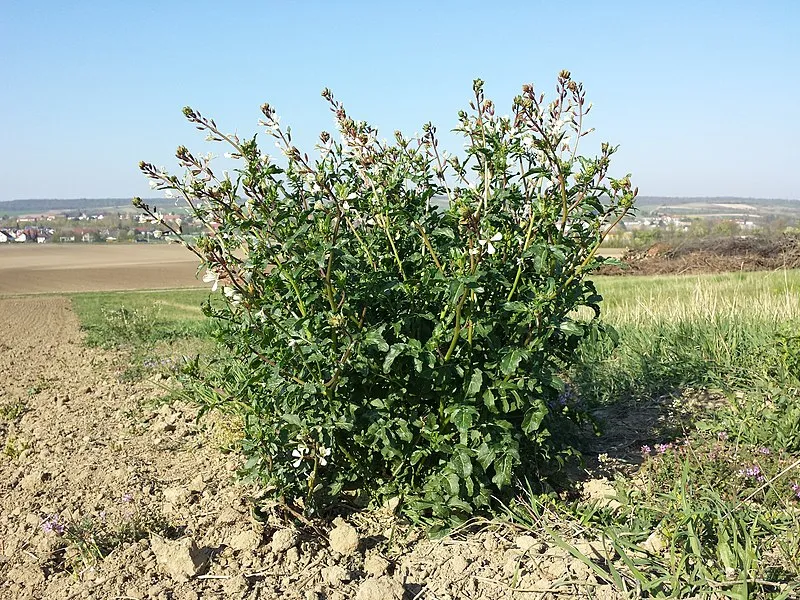
Arugula
VegetablePeppery salad green that grows fast in cool weather. Hardy enough to withstand light frosts down to 2°C, arugula performs best when daytime temperatures stay between 10°C and 18°C. Give it full sun to partial shade and regular watering to keep soil consistently moist, and expect to harvest in roughly 21-40 days. A staple of kitchen gardens and allotments, it rewards even first-time growers with a generous harvest.
Sow every 2-3 weeks for continuous harvest. Bolts quickly in heat. Can be planted 2-3 weeks before the last expected frost, giving it a head start on the growing season. Aim for about 2.5 cm of water per week, adjusting for rainfall. Organic mulch around the base helps maintain even moisture.
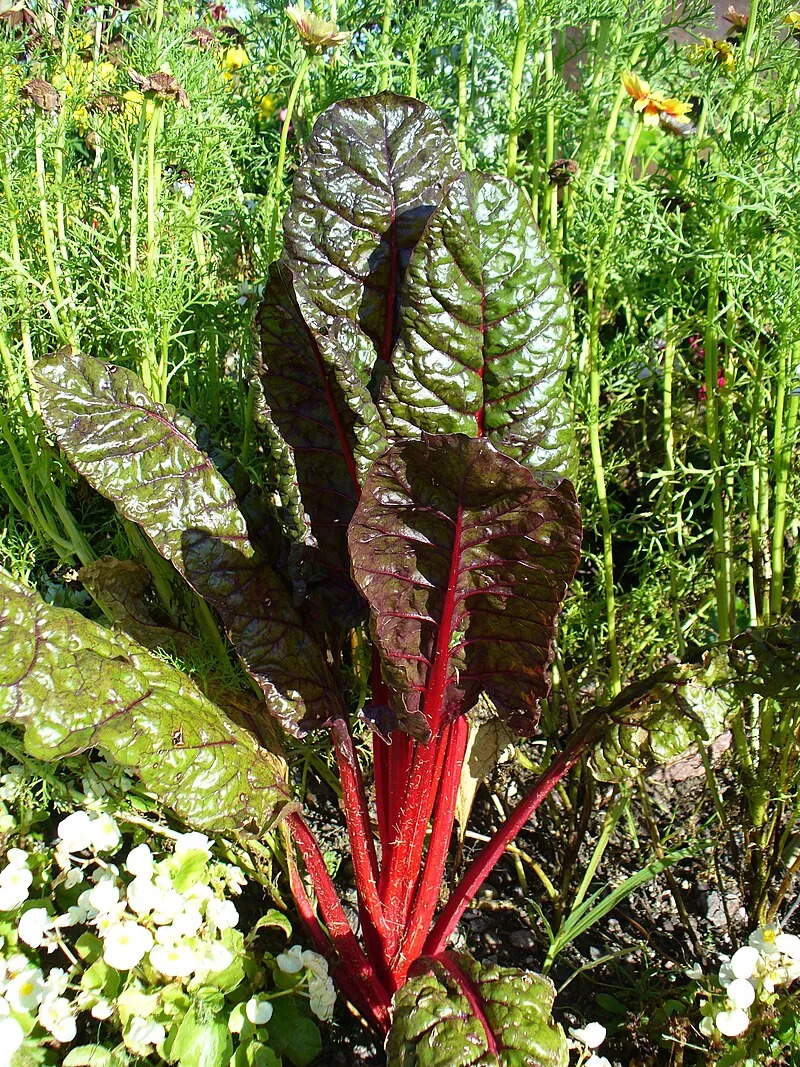
Swiss Chard
VegetableColorful, heat-tolerant green related to beets. Remarkably adaptable, swiss chard tolerates temperatures from -2°C to 30°C and thrives in both cool-temperate and tropical gardens. Give it full sun to partial shade and regular watering to keep soil consistently moist, and expect to harvest in roughly 50-60 days. Popular with home gardeners for its reliable yields and straightforward growing requirements.
Cut-and-come-again harvesting extends the season. More heat tolerant than spinach. Can be planted 2-3 weeks before the last expected frost, giving it a head start on the growing season. Aim for about 2.5 cm of water per week, adjusting for rainfall. Organic mulch around the base helps maintain even moisture.
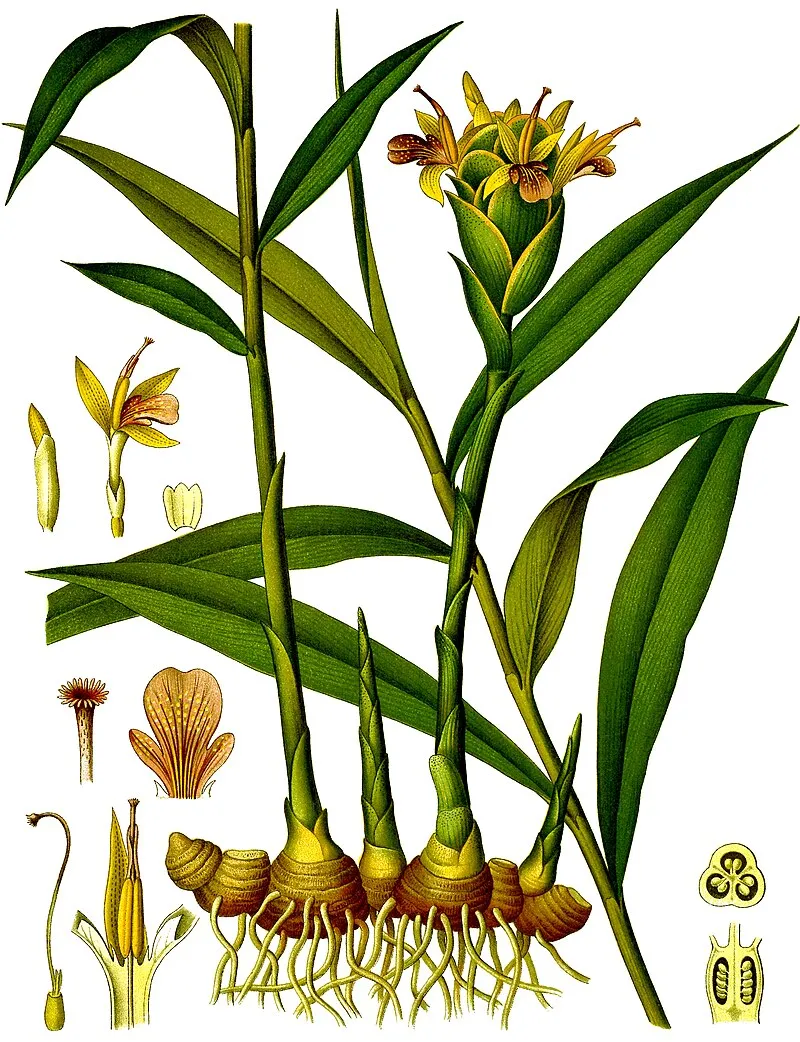
Ginger
HerbTropical rhizome with spicy, aromatic flavor. A warmth-loving plant that does best between 22°C and 30°C, ginger adapts well to tropical and subtropical conditions but cannot tolerate frost. It needs partial shade, though it appreciates some direct light and frequent watering — it is a thirsty plant that dislikes dry soil — leaves are ready for picking in about 240-300 days. A kitchen essential that grows equally well on a sunny windowsill, a balcony pot, or a dedicated herb bed.
Plant rhizome pieces with growth buds. Needs consistent warmth and humidity. Wait until soil warms to at least 22°C before transplanting outdoors — cold soil stunts growth and can invite root rot. Consistent moisture is critical. Mulch with straw or compost to retain soil moisture and keep roots cool during hot weather.
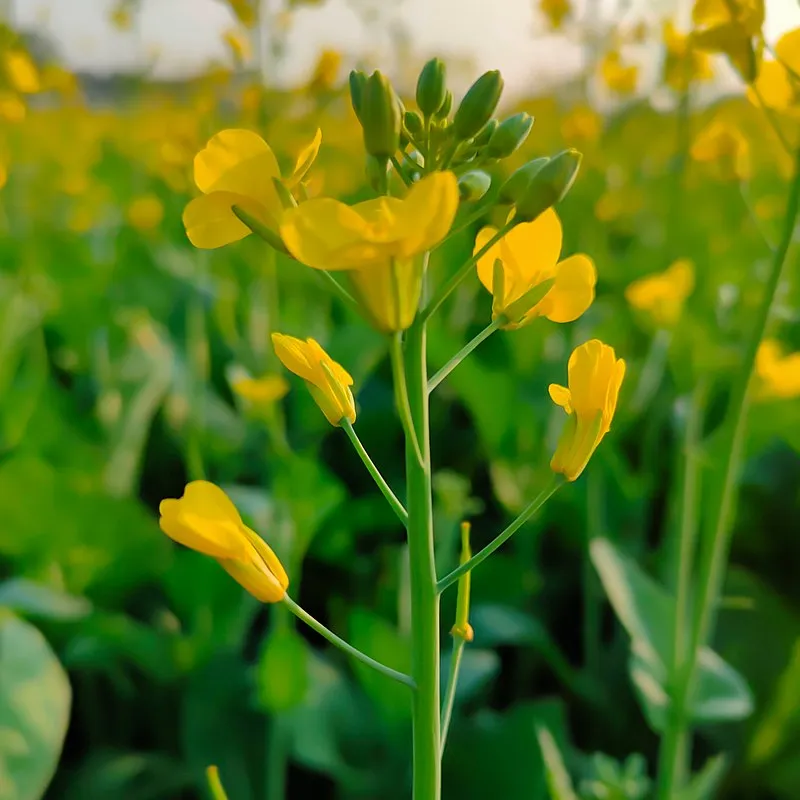
Mustard Greens
VegetableSpicy, peppery greens that grow fast in cool weather. Hardy enough to withstand light frosts down to 0°C, mustard greens performs best when daytime temperatures stay between 10°C and 20°C. Give it full sun to partial shade and regular watering to keep soil consistently moist, and expect to harvest in roughly 30-45 days. Whether grown in raised beds, containers, or traditional plots, it produces well across a range of climates.
Harvest young leaves for salads, mature leaves for cooking. Bolts in heat. Can be planted 2-3 weeks before the last expected frost, giving it a head start on the growing season. Aim for about 2.5 cm of water per week, adjusting for rainfall. Organic mulch around the base helps maintain even moisture.
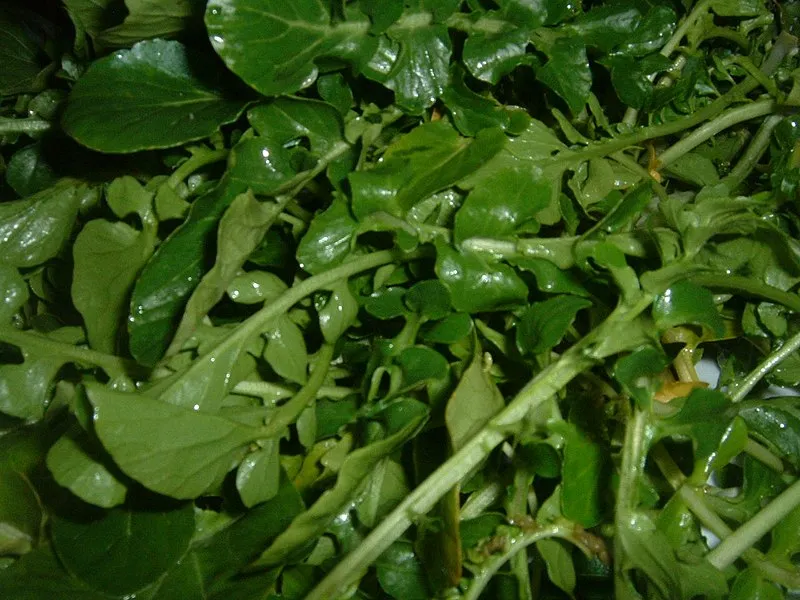
Watercress
VegetablePeppery aquatic green. Hardy enough to withstand light frosts down to 0°C, watercress performs best when daytime temperatures stay between 8°C and 16°C. Give it partial shade, though it appreciates some direct light and frequent watering — it is a thirsty plant that dislikes dry soil, and expect to harvest in roughly 30-50 days. Widely grown in home gardens around the world, it adapts to a range of soil types and growing conditions.
Keep soil constantly wet or grow in water. Excellent in containers with saucers of water. Can be planted 2-3 weeks before the last expected frost, giving it a head start on the growing season. Consistent moisture is critical. Mulch with straw or compost to retain soil moisture and keep roots cool during hot weather.
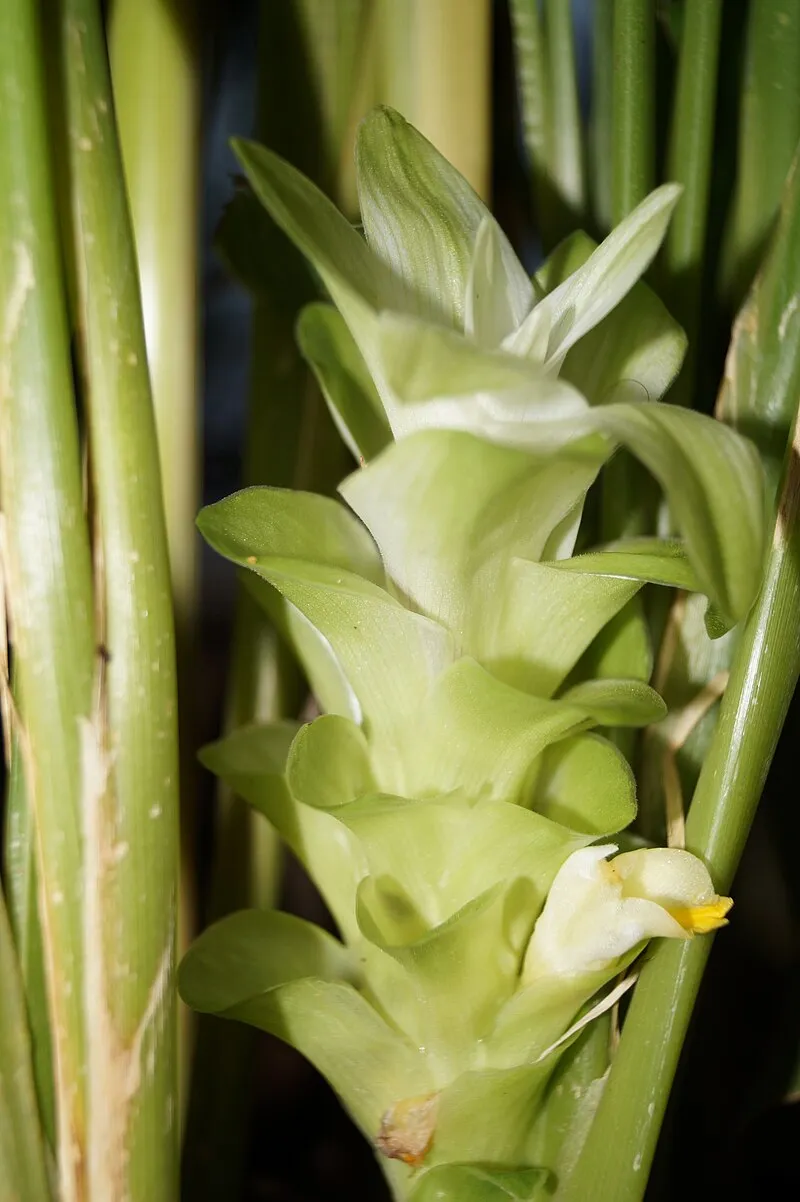
Turmeric
HerbGolden spice rhizome related to ginger. A warmth-loving plant that does best between 22°C and 30°C, turmeric adapts well to tropical and subtropical conditions but cannot tolerate frost. It needs partial shade, though it appreciates some direct light and regular watering to keep soil consistently moist — leaves are ready for picking in about 240-300 days. A kitchen essential that grows equally well on a sunny windowsill, a balcony pot, or a dedicated herb bed.
Similar growing needs to ginger. Harvest when leaves yellow. Wait until soil warms to at least 22°C before transplanting outdoors — cold soil stunts growth and can invite root rot. Aim for about 2.5 cm of water per week, adjusting for rainfall. Organic mulch around the base helps maintain even moisture.
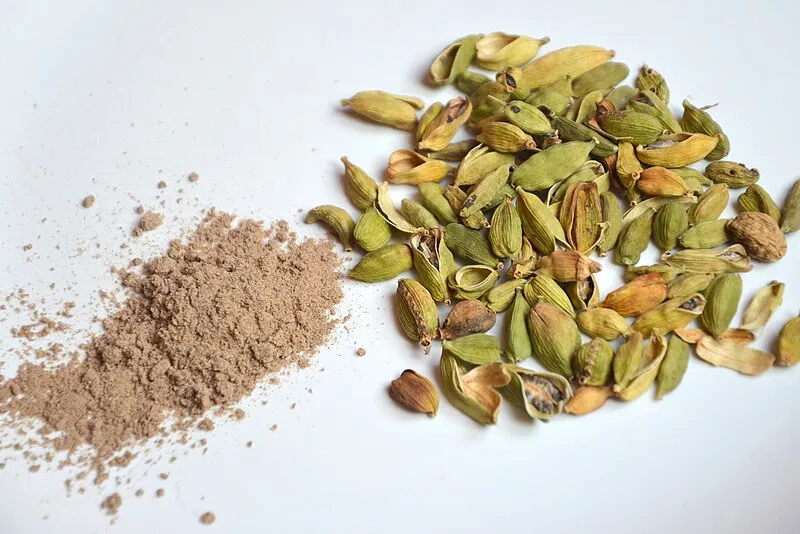
Cardamom
HerbExpensive tropical spice. A warmth-loving plant that does best between 22°C and 30°C, cardamom adapts well to tropical and subtropical conditions but cannot tolerate frost. It needs partial shade, though it appreciates some direct light and frequent watering — it is a thirsty plant that dislikes dry soil — leaves are ready for picking in about 730-1095 days. Valued in cuisines worldwide, it is easy to grow and rewards regular harvesting with bushier, more productive plants.
Needs shade, humidity, and warmth. Very slow to produce pods. Wait until soil warms to at least 22°C before transplanting outdoors — cold soil stunts growth and can invite root rot. Consistent moisture is critical. Mulch with straw or compost to retain soil moisture and keep roots cool during hot weather.
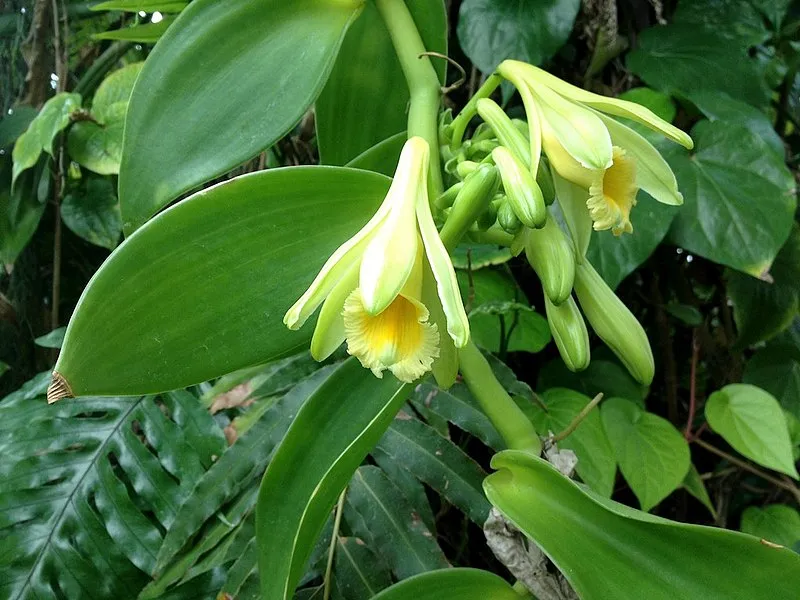
Vanilla
HerbTropical orchid vine. A warmth-loving plant that does best between 24°C and 30°C, vanilla adapts well to tropical and subtropical conditions but cannot tolerate frost. It needs partial shade, though it appreciates some direct light and regular watering to keep soil consistently moist — leaves are ready for picking in about 1095-1825 days. An aromatic addition to any garden, it dries and freezes well for year-round use in the kitchen.
Climbing orchid -- needs support. Hand-pollinate flowers. Wait until soil warms to at least 24°C before transplanting outdoors — cold soil stunts growth and can invite root rot. Aim for about 2.5 cm of water per week, adjusting for rainfall. Organic mulch around the base helps maintain even moisture.
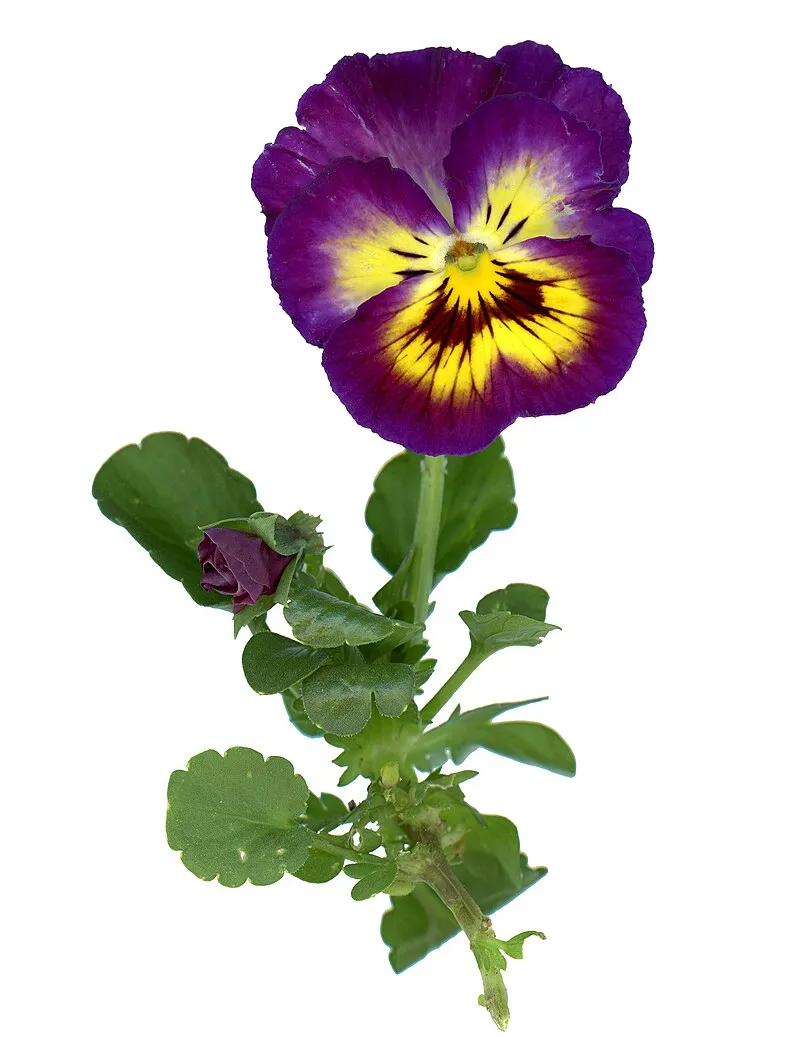
Pansy
FlowerCheerful cool-season flower with face-like markings. Hardy enough to withstand light frosts down to -10°C, pansy performs best when daytime temperatures stay between 5°C and 18°C. Plant in a spot with full sun to partial shade and provide regular watering to keep soil consistently moist. Expect blooms in approximately 55-80 days. An easy way to add dramatic colour to any garden, with minimal maintenance once established.
Plant in fall for winter/spring color. Deadhead for continuous blooms. Can be planted 2-3 weeks before the last expected frost, giving it a head start on the growing season. Aim for about 2.5 cm of water per week, adjusting for rainfall. Organic mulch around the base helps maintain even moisture.
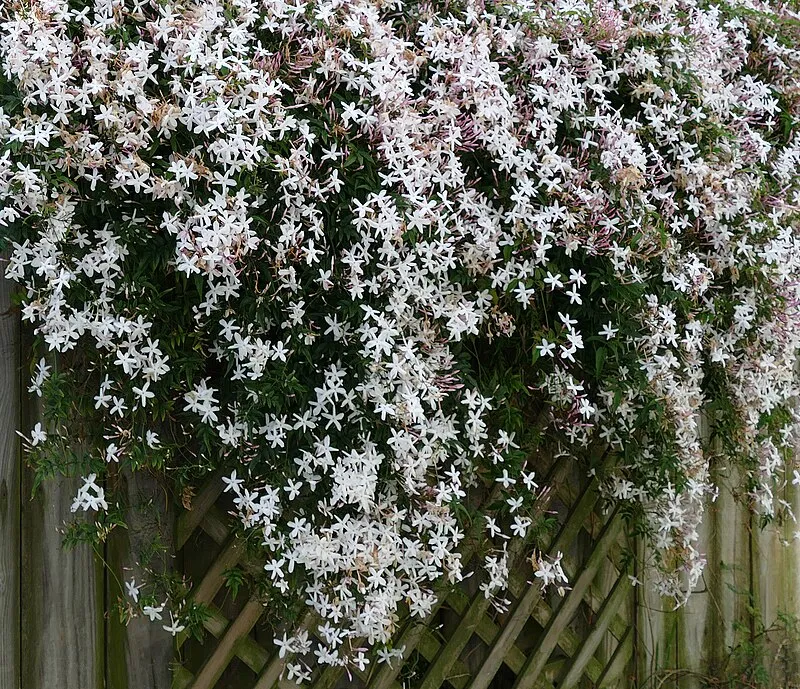
Jasmine
FlowerIntensely fragrant vine or shrub. A warmth-loving plant that does best between 18°C and 28°C, jasmine adapts well to tropical and subtropical conditions but cannot tolerate frost. Plant in a spot with full sun to partial shade and provide regular watering to keep soil consistently moist. Expect blooms in approximately 90-180 days. A magnet for pollinators, it supports bees, butterflies, and beneficial insects while brightening your garden.
Provide trellis for climbing types. Prune after flowering. Wait until soil warms to at least 18°C before transplanting outdoors — cold soil stunts growth and can invite root rot. Aim for about 2.5 cm of water per week, adjusting for rainfall. Organic mulch around the base helps maintain even moisture.
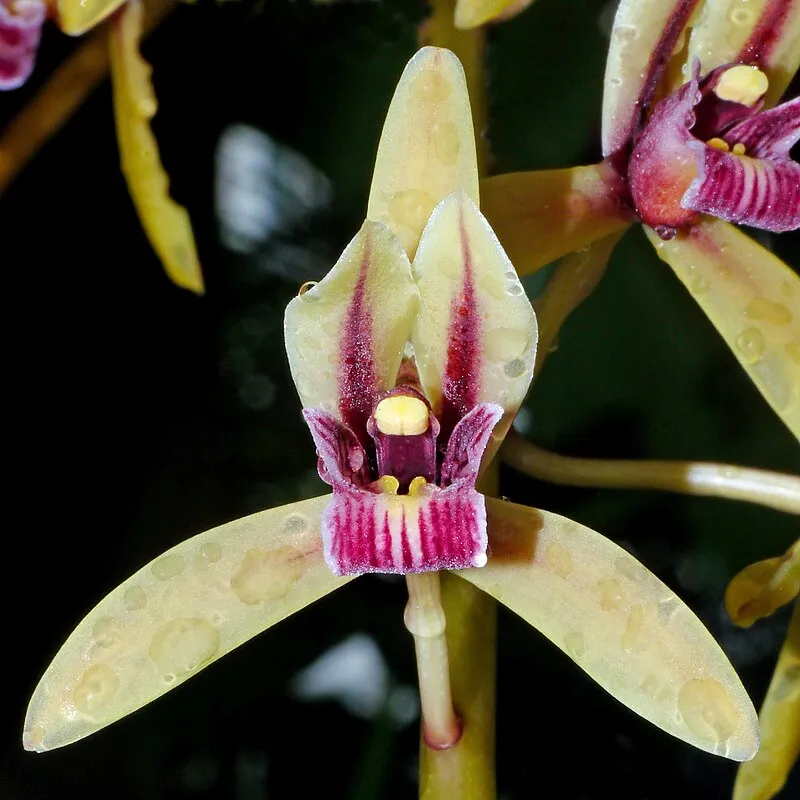
Orchid
FlowerExotic beauty. A warmth-loving plant that does best between 18°C and 28°C, orchid adapts well to tropical and subtropical conditions but cannot tolerate frost. Plant in a spot with partial shade, though it appreciates some direct light and provide minimal watering — it prefers dry conditions between drinks. Expect blooms in approximately 365-730 days. Valued as much for its cut-flower potential as for its garden presence — stems last well in a vase.
Don't overwater -- roots need air. Bright indirect light. Wait until soil warms to at least 18°C before transplanting outdoors — cold soil stunts growth and can invite root rot. Overwatering is the most common mistake. Let soil dry out between waterings and ensure drainage is excellent.

Bamboo
HerbFastest-growing plant on earth. Remarkably adaptable, bamboo tolerates temperatures from -15°C to 38°C and thrives in both cool-temperate and tropical gardens. It needs full sun to partial shade and regular watering to keep soil consistently moist — leaves are ready for picking in about 365-1095 days. A kitchen essential that grows equally well on a sunny windowsill, a balcony pot, or a dedicated herb bed.
USE CLUMPING varieties only -- running bamboo is extremely invasive. Can be planted 2-3 weeks before the last expected frost in your area, giving it a head start on the growing season. Can be planted 2-3 weeks before the last expected frost, giving it a head start on the growing season. Aim for about 2.5 cm of water per week, adjusting for rainfall. Organic mulch around the base helps maintain even moisture.
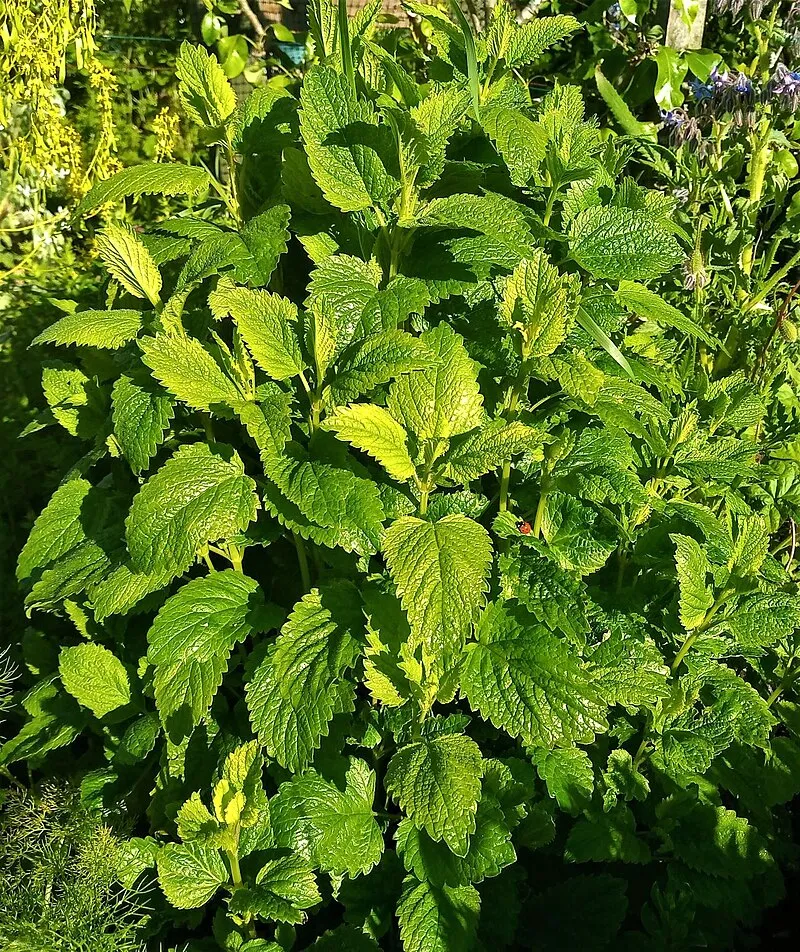
Lemon Balm
HerbLemony mint-family herb for teas and cooking. Hardy enough to withstand light frosts down to -10°C, lemon balm performs best when daytime temperatures stay between 12°C and 22°C. It needs full sun to partial shade and regular watering to keep soil consistently moist — leaves are ready for picking in about 60-70 days. Valued in cuisines worldwide, it is easy to grow and rewards regular harvesting with bushier, more productive plants.
Spreads like mint -- grow in containers. Cut back hard mid-season. Can be planted 2-3 weeks before the last expected frost, giving it a head start on the growing season. Aim for about 2.5 cm of water per week, adjusting for rainfall. Organic mulch around the base helps maintain even moisture.
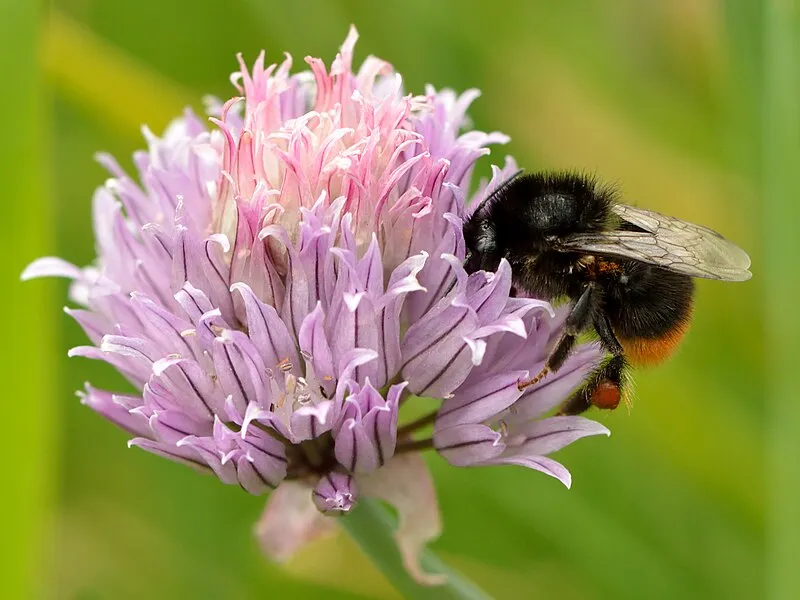
Chive
HerbHardy perennial allium. Hardy enough to withstand light frosts down to -15°C, chive performs best when daytime temperatures stay between 10°C and 22°C. It needs full sun to partial shade and regular watering to keep soil consistently moist — leaves are ready for picking in about 60-90 days. Fresh leaves from your own garden taste noticeably better than store-bought — and the plant practically grows itself.
Cut to 5cm above ground for regrowth. Divide clumps every 3 years. Can be planted 2-3 weeks before the last expected frost, giving it a head start on the growing season. Aim for about 2.5 cm of water per week, adjusting for rainfall. Organic mulch around the base helps maintain even moisture.
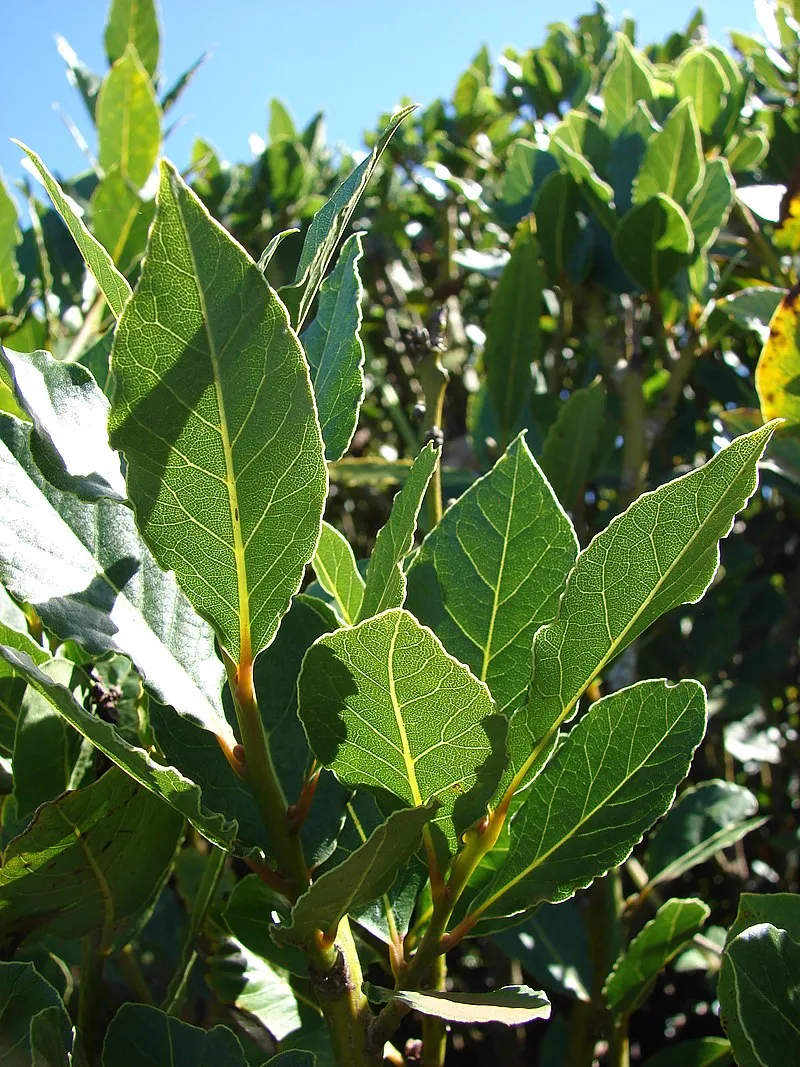
Bay Laurel
HerbEvergreen tree producing aromatic bay leaves essential in soups and stews. Remarkably adaptable, bay laurel tolerates temperatures from -5°C to 35°C and thrives in both cool-temperate and tropical gardens. It needs full sun to partial shade and moderate, even watering throughout the growing season — leaves are ready for picking in about 365-730 days. Perfect for container gardens and small spaces — just place it where it gets adequate light and harvest as needed.
Slow-growing -- excellent container plant. Harvest leaves year-round. Can be planted 2-3 weeks before the last expected frost, giving it a head start on the growing season. Water steadily but avoid soggy soil. A 5-cm layer of organic mulch helps balance moisture and suppress weeds.
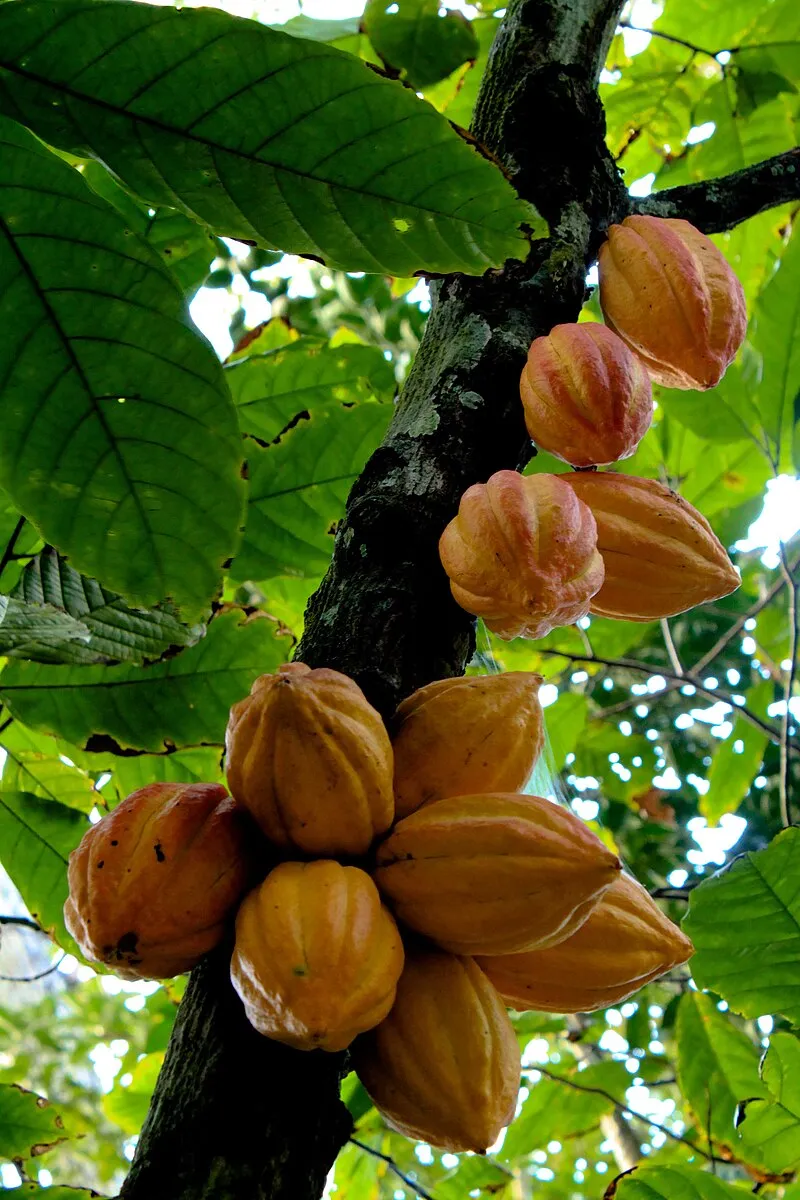
Cacao
FruitSource of chocolate. A warmth-loving plant that does best between 24°C and 30°C, cacao adapts well to tropical and subtropical conditions but cannot tolerate frost. Give it partial shade, though it appreciates some direct light and frequent watering — it is a thirsty plant that dislikes dry soil, and expect to harvest in roughly 1095-1825 days. Patience pays off — once established, it produces reliably season after season with proper care.
Needs constant warmth, humidity, and shade. Only viable in true tropical climates. Wait until soil warms to at least 24°C before transplanting outdoors — cold soil stunts growth and can invite root rot. Consistent moisture is critical. Mulch with straw or compost to retain soil moisture and keep roots cool during hot weather.
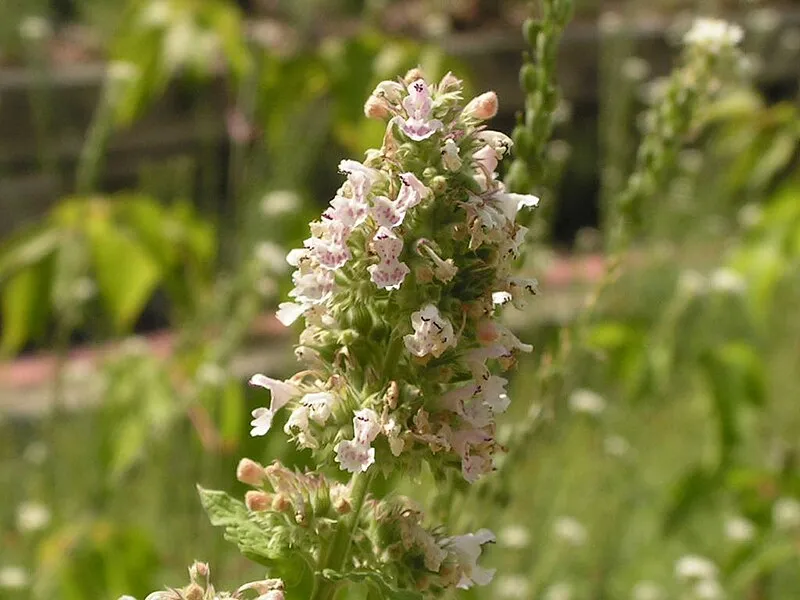
Catnip
HerbMint-family herb that drives cats wild. Hardy enough to withstand light frosts down to -15°C, catnip performs best when daytime temperatures stay between 12°C and 24°C. It needs full sun to partial shade and moderate, even watering throughout the growing season — leaves are ready for picking in about 60-80 days. An aromatic addition to any garden, it dries and freezes well for year-round use in the kitchen.
Very vigorous -- contain or it spreads. Cats will roll in it. Can be planted 2-3 weeks before the last expected frost, giving it a head start on the growing season. Water steadily but avoid soggy soil. A 5-cm layer of organic mulch helps balance moisture and suppress weeds.
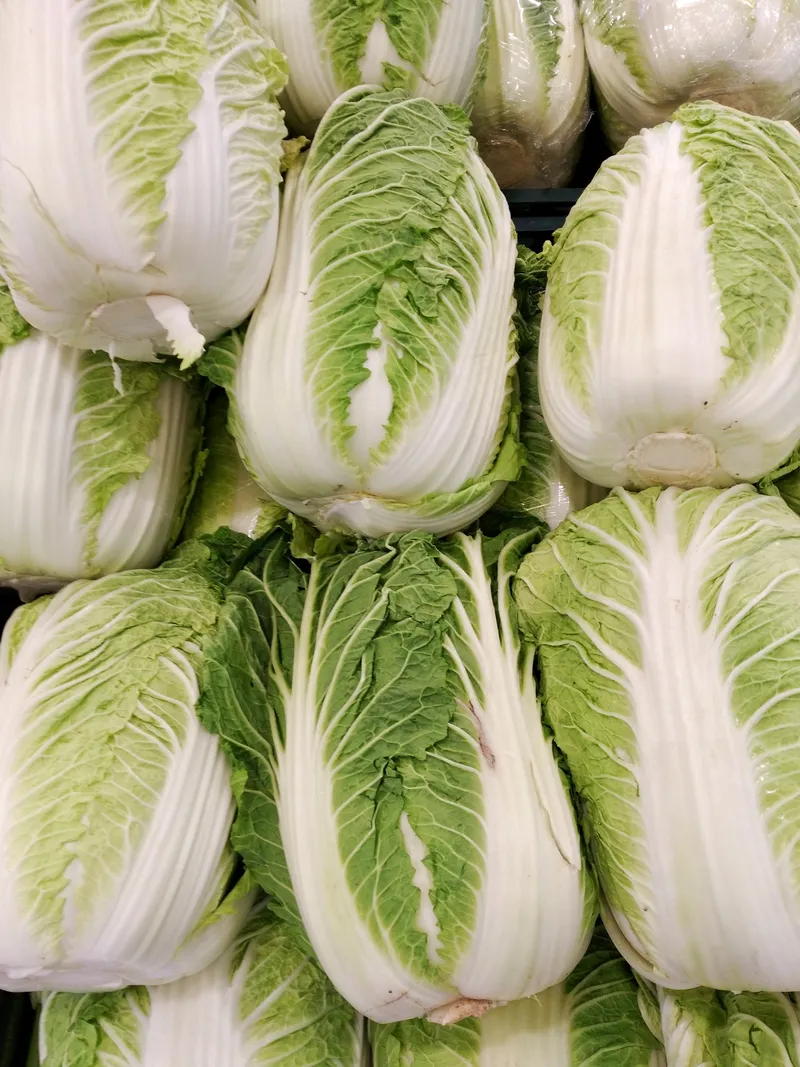
Chinese Cabbage
VegetableNapa cabbage with mild, sweet flavor. Hardy enough to withstand light frosts down to 0°C, chinese cabbage performs best when daytime temperatures stay between 12°C and 20°C. Give it full sun to partial shade and regular watering to keep soil consistently moist, and expect to harvest in roughly 50-70 days. Whether grown in raised beds, containers, or traditional plots, it produces well across a range of climates.
Bolts quickly in heat -- grow in spring or fall. Needs consistent moisture. Can be planted 2-3 weeks before the last expected frost, giving it a head start on the growing season. Aim for about 2.5 cm of water per week, adjusting for rainfall. Organic mulch around the base helps maintain even moisture.
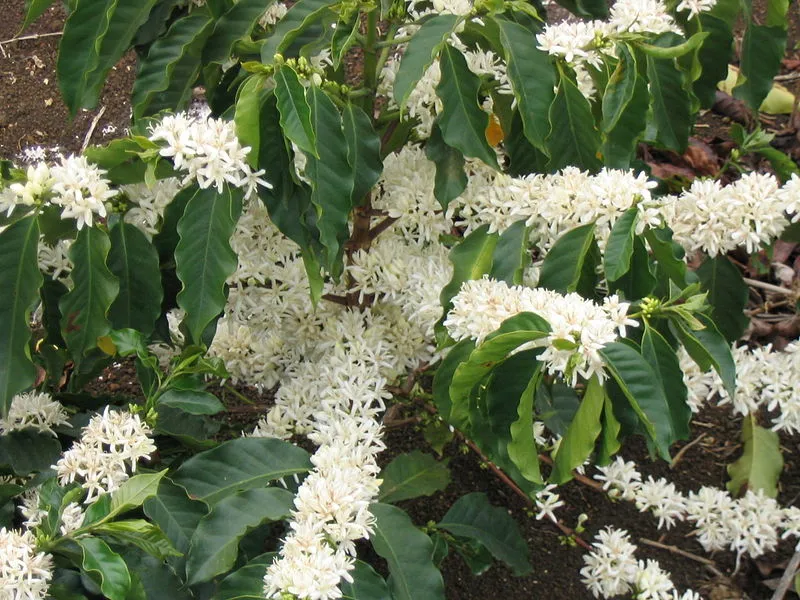
Coffee Plant
FruitTropical shrub producing coffee cherries. A warmth-loving plant that does best between 20°C and 28°C, coffee plant adapts well to tropical and subtropical conditions but cannot tolerate frost. Give it partial shade, though it appreciates some direct light and regular watering to keep soil consistently moist, and expect to harvest in roughly 1095-1460 days. Well worth the space it takes — a single productive plant can supply a household through the season.
Needs consistent warmth and humidity. Grows well indoors near bright window. Wait until soil warms to at least 20°C before transplanting outdoors — cold soil stunts growth and can invite root rot. Aim for about 2.5 cm of water per week, adjusting for rainfall. Organic mulch around the base helps maintain even moisture.
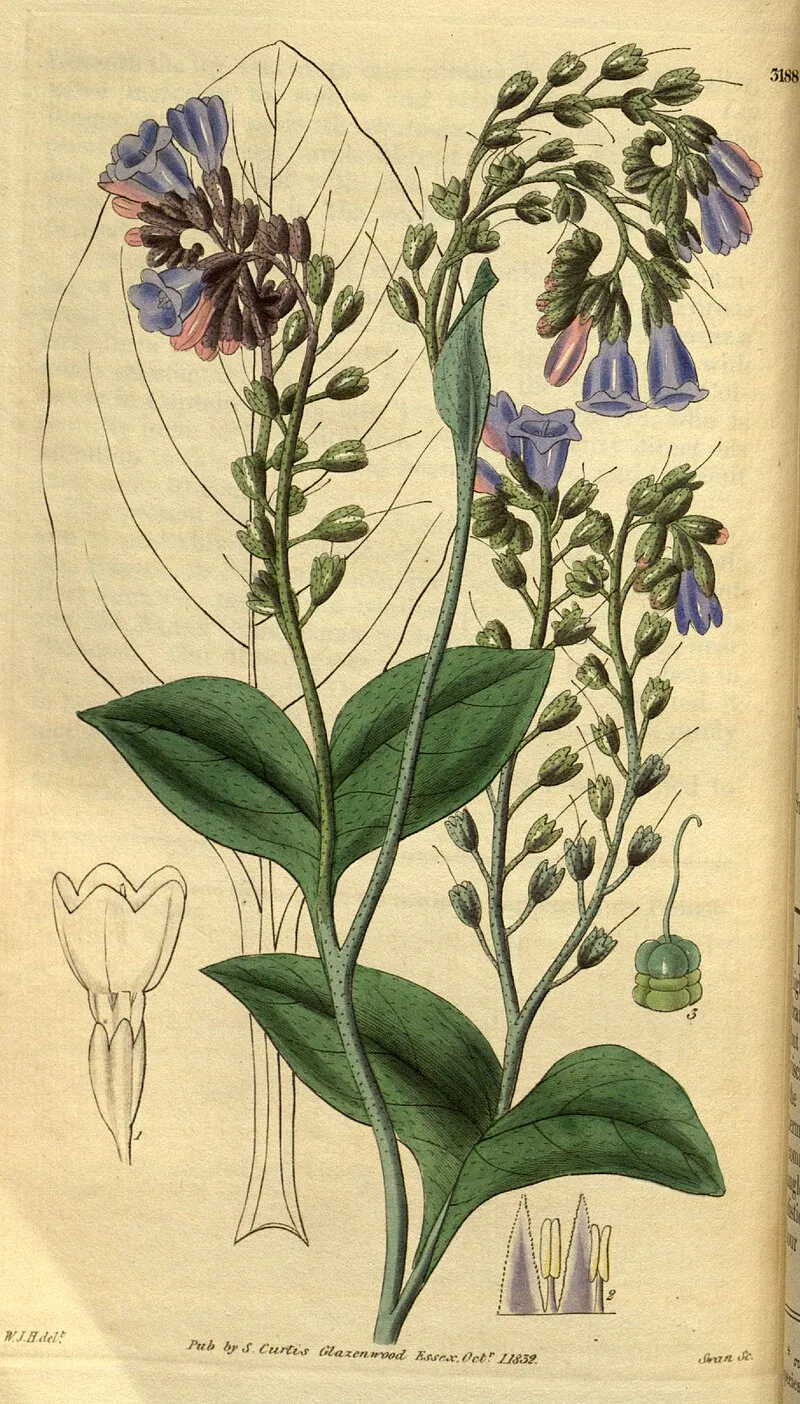
Comfrey
HerbDeep-rooted herb used as compost activator and mulch. Hardy enough to withstand light frosts down to -15°C, comfrey performs best when daytime temperatures stay between 12°C and 24°C. It needs full sun to partial shade and regular watering to keep soil consistently moist — leaves are ready for picking in about 60-90 days. A kitchen essential that grows equally well on a sunny windowsill, a balcony pot, or a dedicated herb bed.
Plant Bocking 14 variety (non-spreading). Chop and drop as mulch 4-5 times per season. Can be planted 2-3 weeks before the last expected frost, giving it a head start on the growing season. Aim for about 2.5 cm of water per week, adjusting for rainfall. Organic mulch around the base helps maintain even moisture.
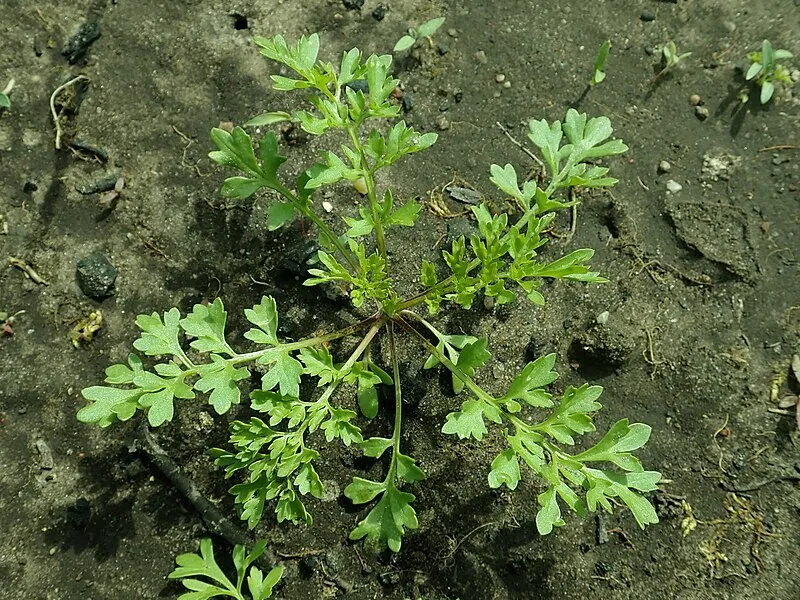
Cress
VegetableFastest food crop -- ready in a week. Hardy enough to withstand light frosts down to 0°C, cress performs best when daytime temperatures stay between 8°C and 18°C. Give it partial shade, though it appreciates some direct light and frequent watering — it is a thirsty plant that dislikes dry soil, and expect to harvest in roughly 7-14 days. Popular with home gardeners for its reliable yields and straightforward growing requirements.
Grow on damp paper towels or soil. Succession sow weekly. Can be planted 2-3 weeks before the last expected frost, giving it a head start on the growing season. Consistent moisture is critical. Mulch with straw or compost to retain soil moisture and keep roots cool during hot weather.
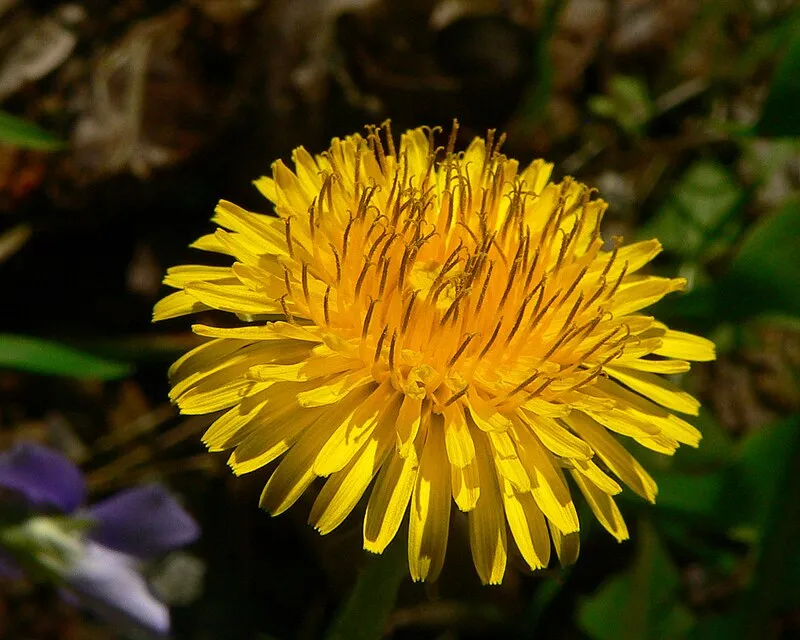
Dandelion
VegetableUnderrated superfood green. Hardy enough to withstand light frosts down to -15°C, dandelion performs best when daytime temperatures stay between 10°C and 22°C. Give it full sun to partial shade and moderate, even watering throughout the growing season, and expect to harvest in roughly 45-60 days. An excellent choice for beginner and experienced gardeners alike, thanks to its forgiving growing habits.
Cultivated varieties are less bitter. Blanch by covering to sweeten leaves. Can be planted 2-3 weeks before the last expected frost, giving it a head start on the growing season. Water steadily but avoid soggy soil. A 5-cm layer of organic mulch helps balance moisture and suppress weeds.
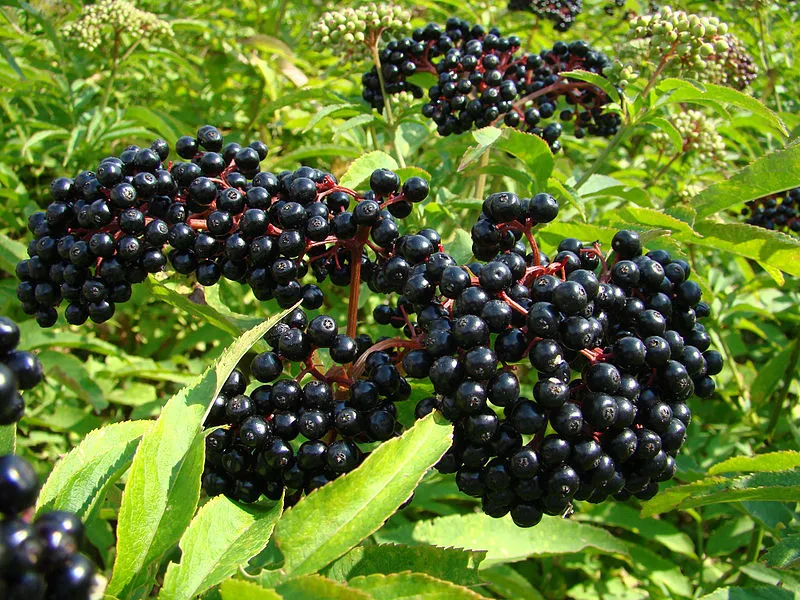
Elderberry
FruitHardy shrub with immune-boosting berries for syrups, jams, and wine. Hardy enough to withstand light frosts down to -20°C, elderberry performs best when daytime temperatures stay between 15°C and 25°C. Give it full sun to partial shade and regular watering to keep soil consistently moist, and expect to harvest in roughly 365-730 days. Patience pays off — once established, it produces reliably season after season with proper care.
Plant 2 varieties for cross-pollination. Cook berries before eating. Can be planted 2-3 weeks before the last expected frost, giving it a head start on the growing season. Aim for about 2.5 cm of water per week, adjusting for rainfall. Organic mulch around the base helps maintain even moisture.
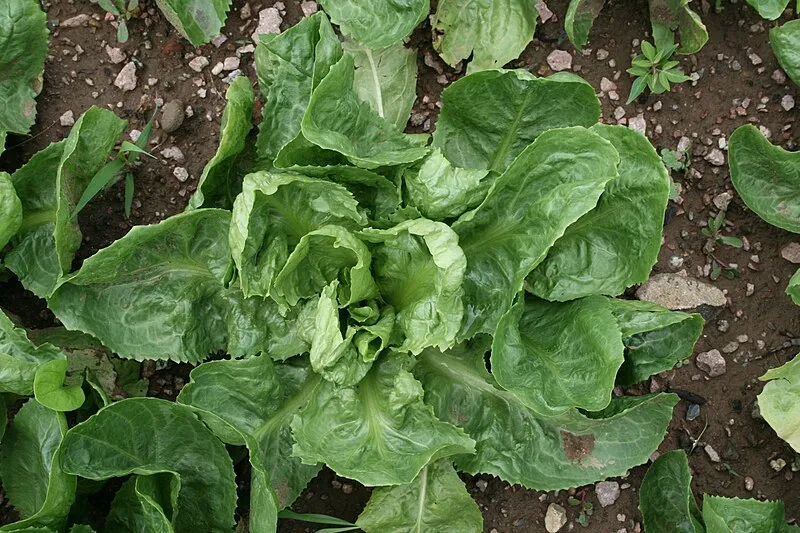
Endive
VegetableBitter salad green with curly leaves. Hardy enough to withstand light frosts down to -2°C, endive performs best when daytime temperatures stay between 10°C and 20°C. Give it full sun to partial shade and regular watering to keep soil consistently moist, and expect to harvest in roughly 45-85 days. Whether grown in raised beds, containers, or traditional plots, it produces well across a range of climates.
Cover center with plate or pot to blanch. Cool-season crop like lettuce. Can be planted 2-3 weeks before the last expected frost, giving it a head start on the growing season. Aim for about 2.5 cm of water per week, adjusting for rainfall. Organic mulch around the base helps maintain even moisture.
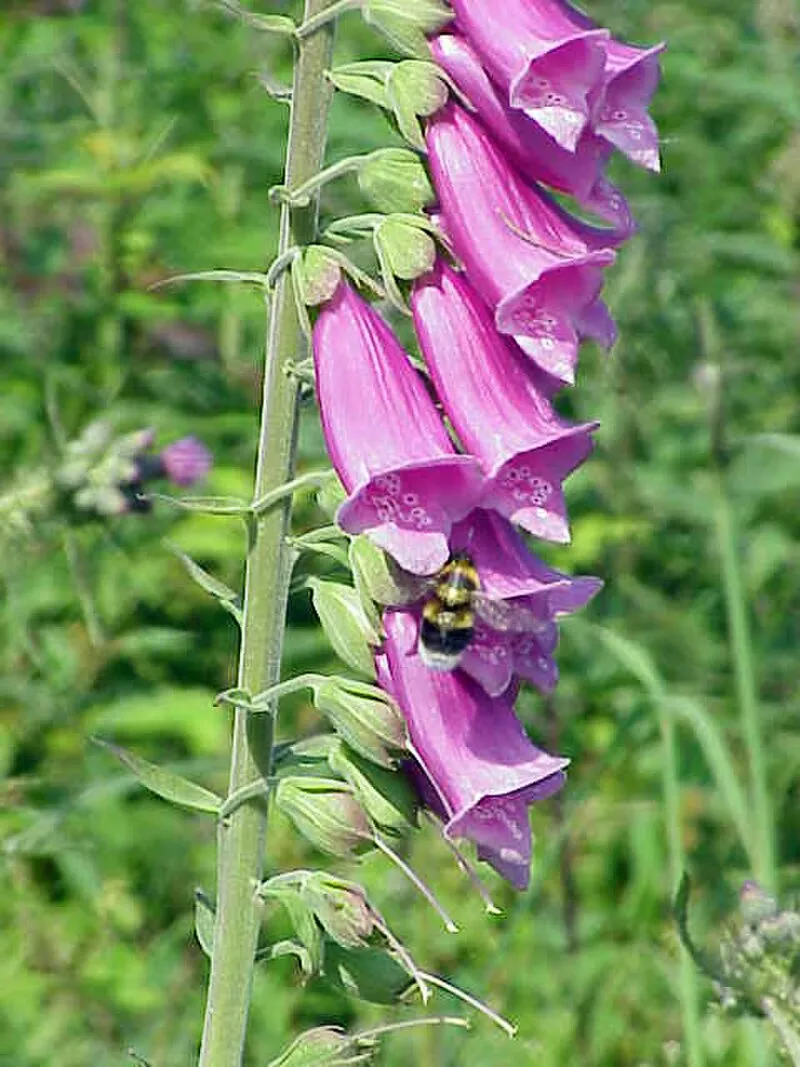
Foxglove
FlowerTall, stately biennial with tubular flowers. Hardy enough to withstand light frosts down to -15°C, foxglove performs best when daytime temperatures stay between 10°C and 22°C. Plant in a spot with partial shade, though it appreciates some direct light and provide regular watering to keep soil consistently moist. Expect blooms in approximately 365-545 days. An easy way to add dramatic colour to any garden, with minimal maintenance once established.
WARNING: All parts are toxic if ingested. Beautiful but keep away from children and pets. Can be planted 2-3 weeks before the last expected frost, giving it a head start on the growing season. Aim for about 2.5 cm of water per week, adjusting for rainfall. Organic mulch around the base helps maintain even moisture.
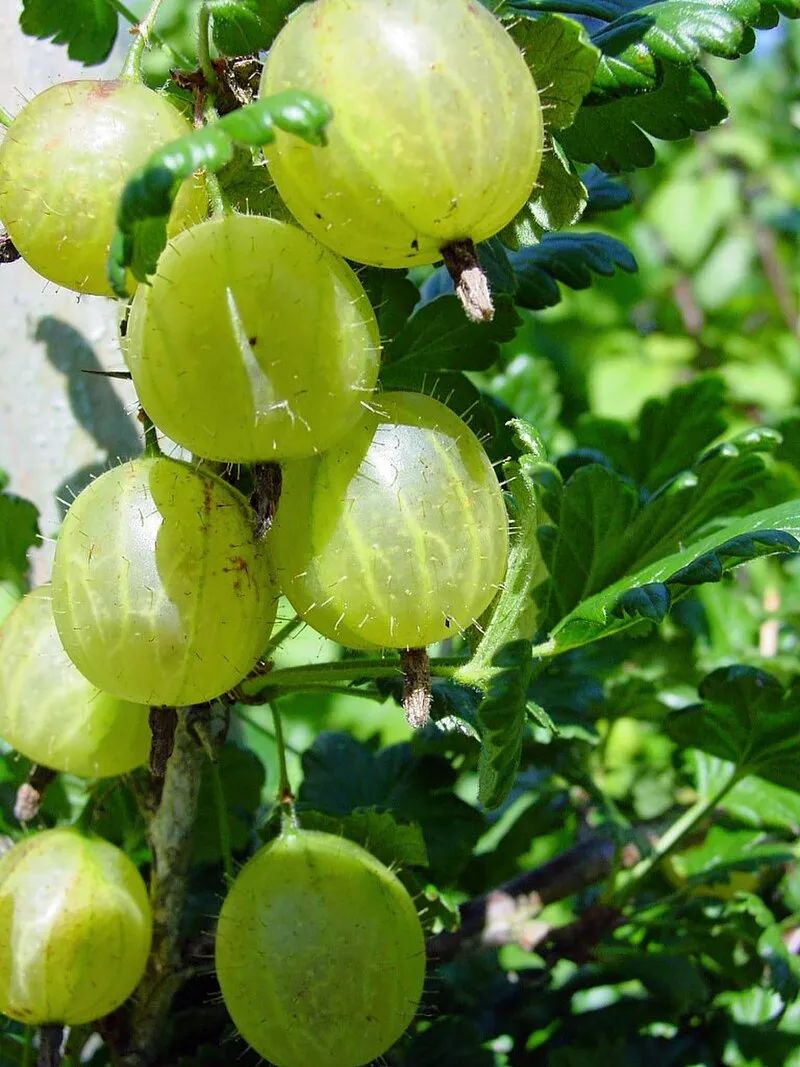
Gooseberry
FruitTart berry bush perfect for jams and pies. Hardy enough to withstand light frosts down to -20°C, gooseberry performs best when daytime temperatures stay between 12°C and 22°C. Give it full sun to partial shade and regular watering to keep soil consistently moist, and expect to harvest in roughly 365-730 days. A favourite of home orchardists and fruit gardeners, it can be trained, pruned, and shaped to fit most spaces.
Prune to open center for air circulation. Excellent for cold climates. Can be planted 2-3 weeks before the last expected frost, giving it a head start on the growing season. Aim for about 2.5 cm of water per week, adjusting for rainfall. Organic mulch around the base helps maintain even moisture.
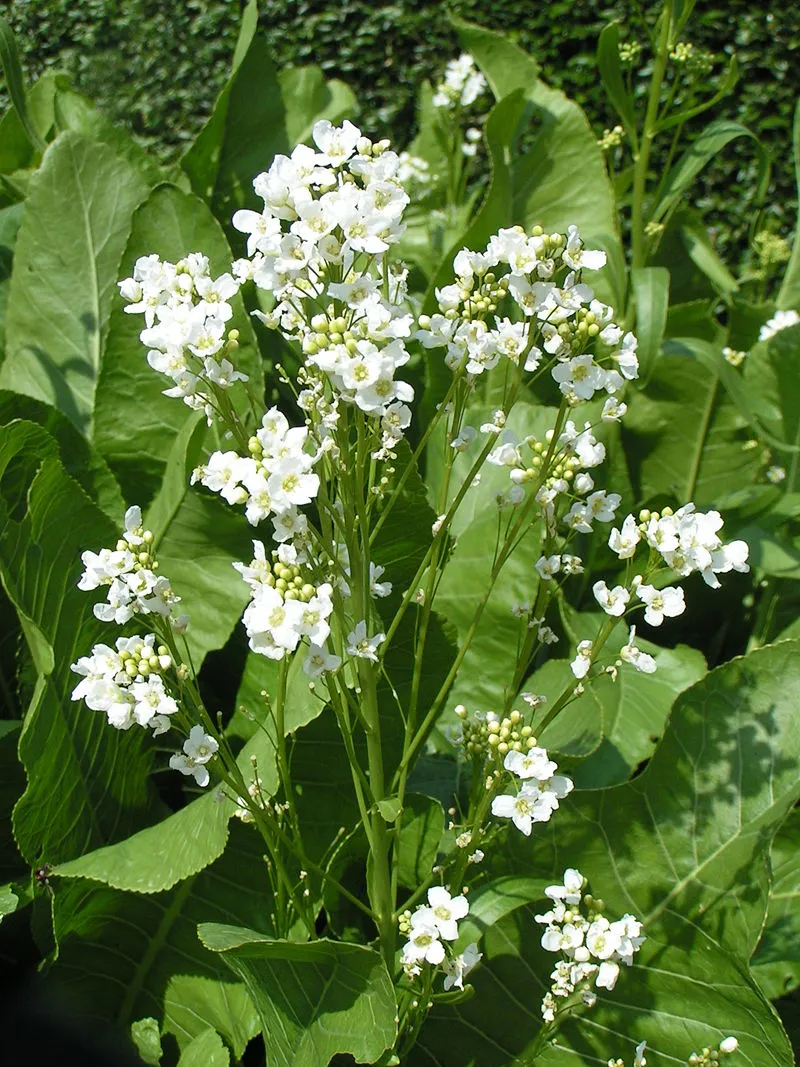
Horseradish
VegetablePungent root condiment. Hardy enough to withstand light frosts down to -20°C, horseradish performs best when daytime temperatures stay between 10°C and 22°C. Give it full sun to partial shade and regular watering to keep soil consistently moist, and expect to harvest in roughly 140-160 days. A staple of kitchen gardens and allotments, it rewards even first-time growers with a generous harvest.
Plant root cuttings at 45-degree angle. Contain in bottomless bucket. Can be planted 2-3 weeks before the last expected frost, giving it a head start on the growing season. Aim for about 2.5 cm of water per week, adjusting for rainfall. Organic mulch around the base helps maintain even moisture.
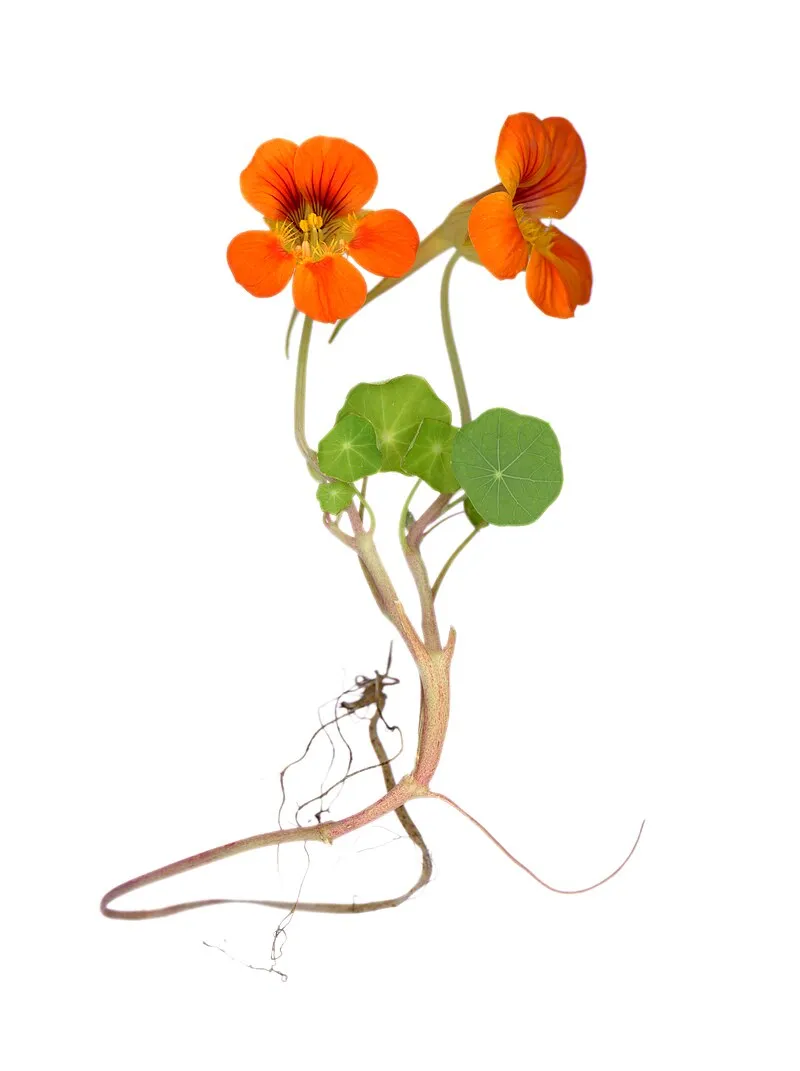
Nasturtium
FlowerEdible flower with peppery flavor. A warmth-loving plant that does best between 15°C and 25°C, nasturtium adapts well to tropical and subtropical conditions but cannot tolerate frost. Plant in a spot with full sun to partial shade and provide minimal watering — it prefers dry conditions between drinks. Expect blooms in approximately 35-52 days. An easy way to add dramatic colour to any garden, with minimal maintenance once established.
Poor soil produces more flowers. Seeds are large and easy for kids. Wait until soil warms to at least 15°C before transplanting outdoors — cold soil stunts growth and can invite root rot. Overwatering is the most common mistake. Let soil dry out between waterings and ensure drainage is excellent.
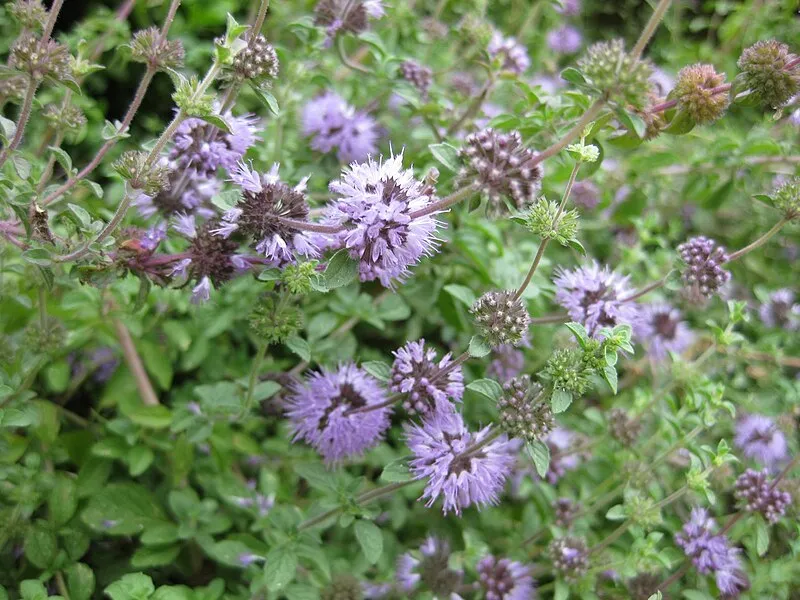
Pennyroyal
HerbCreeping mint-family herb used as natural insect repellent. Hardy enough to withstand light frosts down to -10°C, pennyroyal performs best when daytime temperatures stay between 12°C and 22°C. It needs full sun to partial shade and regular watering to keep soil consistently moist — leaves are ready for picking in about 60-90 days. A kitchen essential that grows equally well on a sunny windowsill, a balcony pot, or a dedicated herb bed.
Repels fleas and mosquitoes. Ground cover between pavers. Can be planted 2-3 weeks before the last expected frost, giving it a head start on the growing season. Aim for about 2.5 cm of water per week, adjusting for rainfall. Organic mulch around the base helps maintain even moisture.
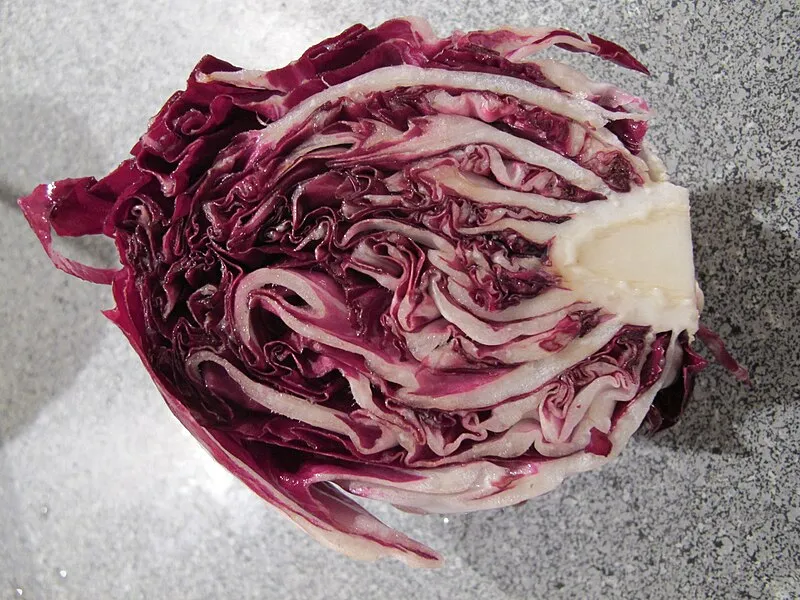
Radicchio
VegetableBitter Italian chicory with stunning red leaves and white ribs. Hardy enough to withstand light frosts down to -5°C, radicchio performs best when daytime temperatures stay between 10°C and 18°C. Give it full sun to partial shade and regular watering to keep soil consistently moist, and expect to harvest in roughly 60-80 days. Popular with home gardeners for its reliable yields and straightforward growing requirements.
Fall-planted heads are best. Cold brings out red color. Can be planted 2-3 weeks before the last expected frost, giving it a head start on the growing season. Aim for about 2.5 cm of water per week, adjusting for rainfall. Organic mulch around the base helps maintain even moisture.
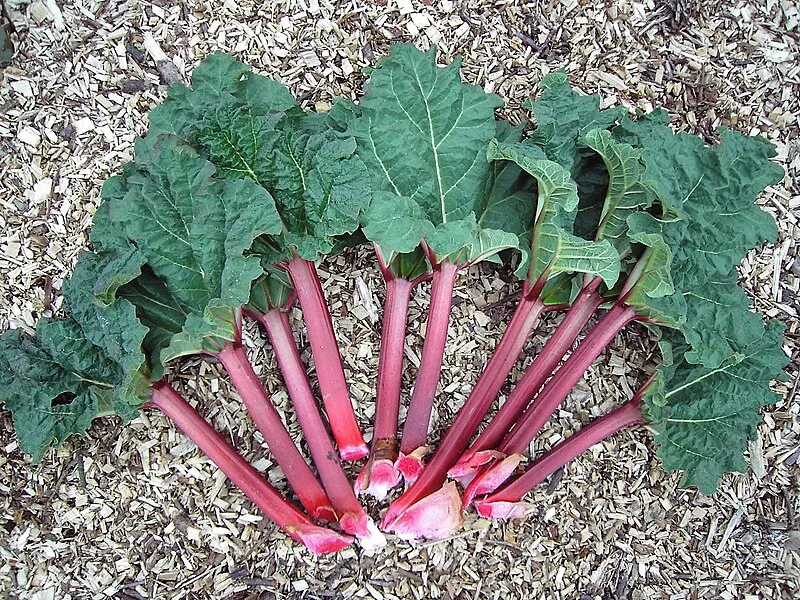
Rhubarb
VegetablePerennial with tart edible stalks for pies and jams. Hardy enough to withstand light frosts down to -20°C, rhubarb performs best when daytime temperatures stay between 10°C and 20°C. Give it full sun to partial shade and regular watering to keep soil consistently moist, and expect to harvest in roughly 365-730 days. Whether grown in raised beds, containers, or traditional plots, it produces well across a range of climates.
Don't harvest first year. Only eat stalks -- leaves are poisonous. Can be planted 2-3 weeks before the last expected frost, giving it a head start on the growing season. Aim for about 2.5 cm of water per week, adjusting for rainfall. Organic mulch around the base helps maintain even moisture.
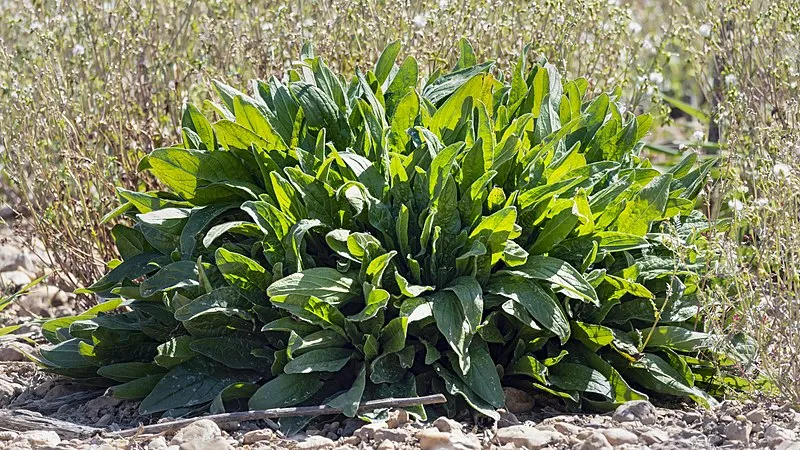
Sorrel
HerbTangy, lemony perennial green. Hardy enough to withstand light frosts down to -15°C, sorrel performs best when daytime temperatures stay between 10°C and 22°C. It needs full sun to partial shade and regular watering to keep soil consistently moist — leaves are ready for picking in about 40-60 days. An aromatic addition to any garden, it dries and freezes well for year-round use in the kitchen.
Perennial that returns yearly. Remove flower stalks to prolong leaf harvest. Can be planted 2-3 weeks before the last expected frost, giving it a head start on the growing season. Aim for about 2.5 cm of water per week, adjusting for rainfall. Organic mulch around the base helps maintain even moisture.
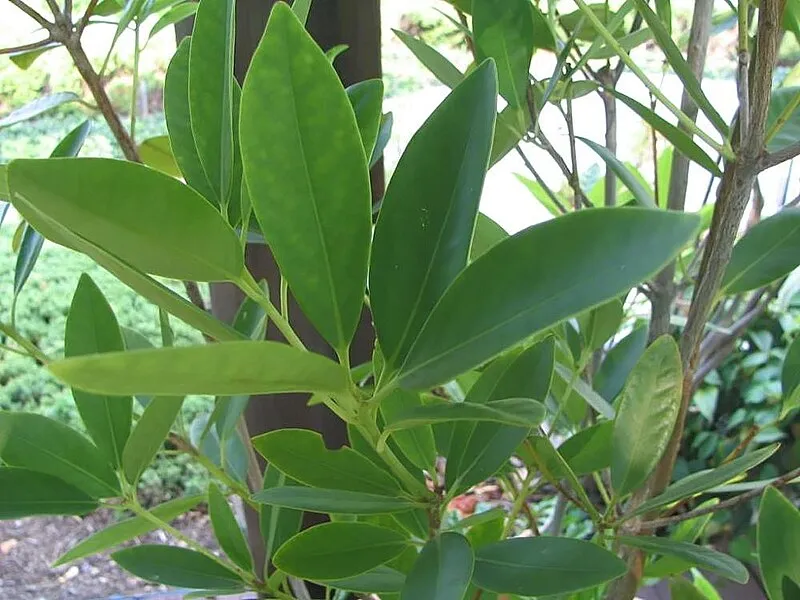
Star Anise
SpiceTropical evergreen tree producing star-shaped spice pods. A warmth-loving plant that does best between 20°C and 30°C, star anise adapts well to tropical and subtropical conditions but cannot tolerate frost. It needs full sun to partial shade and regular watering to keep soil consistently moist — leaves are ready for picking in about 1825-2555 days. A kitchen essential that grows equally well on a sunny windowsill, a balcony pot, or a dedicated herb bed.
Very slow to produce. Tropical/subtropical only. Wait until soil warms to at least 20°C before transplanting outdoors — cold soil stunts growth and can invite root rot. Aim for about 2.5 cm of water per week, adjusting for rainfall. Organic mulch around the base helps maintain even moisture.
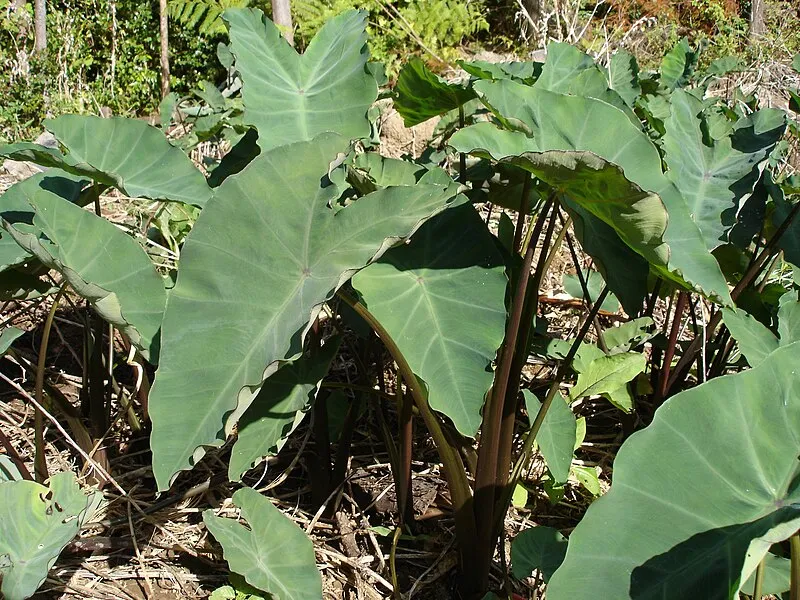
Taro
VegetableTropical root staple. A warmth-loving plant that does best between 22°C and 30°C, taro adapts well to tropical and subtropical conditions but cannot tolerate frost. Give it partial shade, though it appreciates some direct light and frequent watering — it is a thirsty plant that dislikes dry soil, and expect to harvest in roughly 180-240 days. An excellent choice for beginner and experienced gardeners alike, thanks to its forgiving growing habits.
Loves wet conditions -- grow in bog or heavy soil. Corms must be cooked thoroughly. Wait until soil warms to at least 22°C before transplanting outdoors — cold soil stunts growth and can invite root rot. Consistent moisture is critical. Mulch with straw or compost to retain soil moisture and keep roots cool during hot weather.
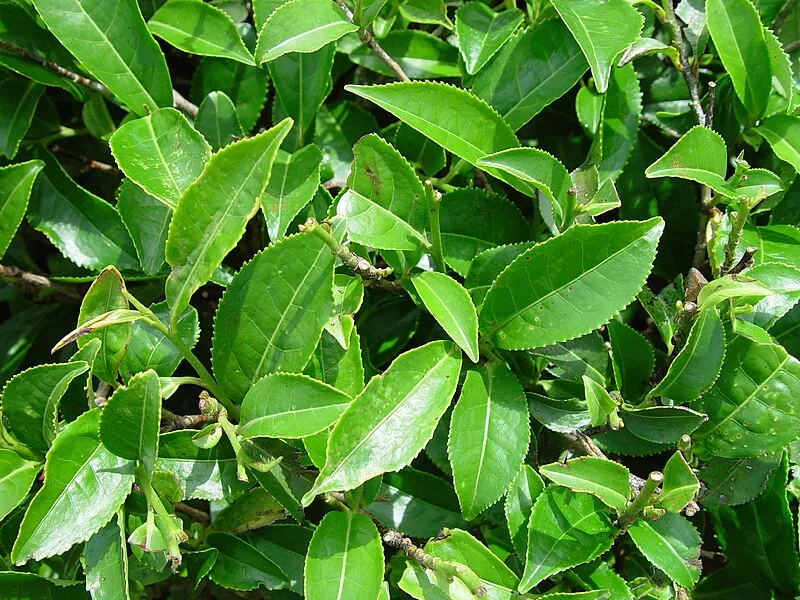
Tea Plant
HerbCamellia sinensis -- source of all true tea (green, black, oolong, white). Remarkably adaptable, tea plant tolerates temperatures from -5°C to 32°C and thrives in both cool-temperate and tropical gardens. It needs partial shade, though it appreciates some direct light and regular watering to keep soil consistently moist — leaves are ready for picking in about 1095-1825 days. Fresh leaves from your own garden taste noticeably better than store-bought — and the plant practically grows itself.
Needs acidic soil. Harvest top 2 leaves and bud. Can be planted 2-3 weeks before the last expected frost, giving it a head start on the growing season. Aim for about 2.5 cm of water per week, adjusting for rainfall. Organic mulch around the base helps maintain even moisture.
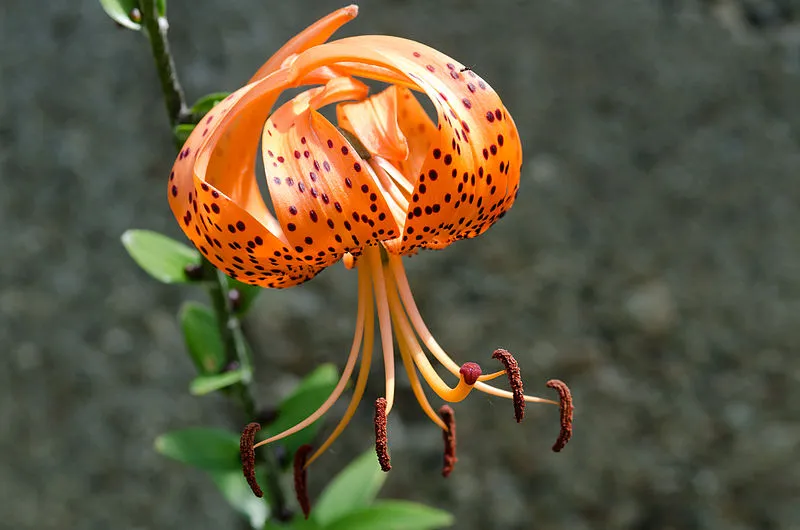
Tiger Lily
FlowerBold orange spotted lily. Hardy enough to withstand light frosts down to -20°C, tiger lily performs best when daytime temperatures stay between 15°C and 25°C. Plant in a spot with full sun to partial shade and provide moderate, even watering throughout the growing season. Expect blooms in approximately 90-120 days. Adds colour and life to borders, beds, and containers from spring through autumn.
Plant bulbs in fall. Multiplies readily. Can be planted 2-3 weeks before the last expected frost, giving it a head start on the growing season. Water steadily but avoid soggy soil. A 5-cm layer of organic mulch helps balance moisture and suppress weeds.
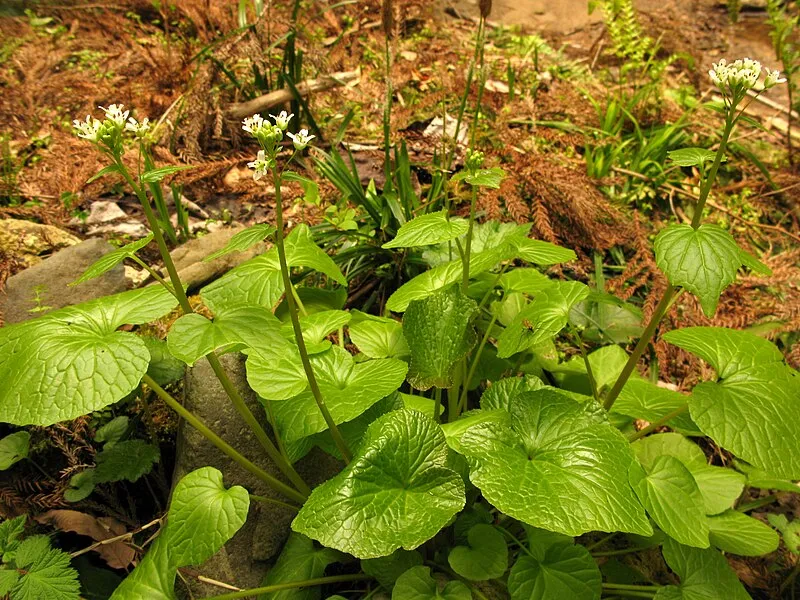
Wasabi
SpiceNotoriously difficult to grow Japanese condiment. Best suited for moderate climates, wasabi grows optimally between 10°C and 18°C and can handle temperatures from 5°C to 22°C. It needs partial shade, though it appreciates some direct light and frequent watering — it is a thirsty plant that dislikes dry soil — leaves are ready for picking in about 545-730 days. Perfect for container gardens and small spaces — just place it where it gets adequate light and harvest as needed.
One of the hardest plants to grow. Needs cool stream or constantly moist shade. Wait until soil warms to at least 10°C before transplanting outdoors — cold soil stunts growth and can invite root rot. Consistent moisture is critical. Mulch with straw or compost to retain soil moisture and keep roots cool during hot weather.
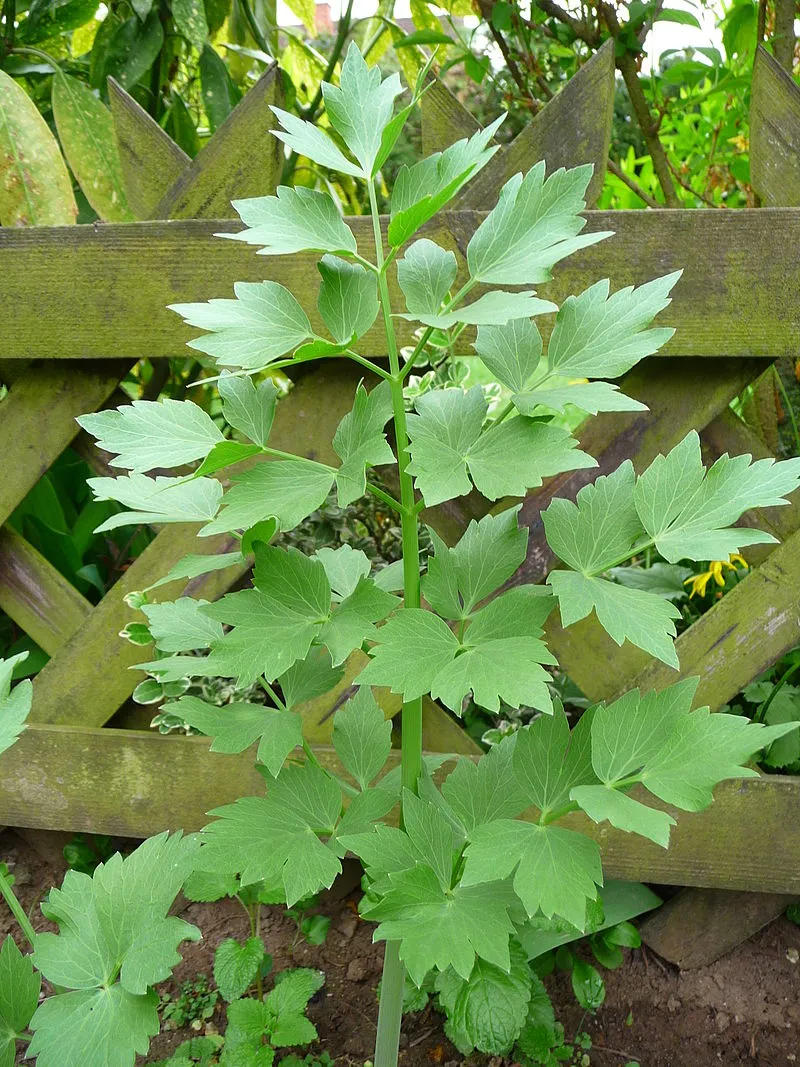
Lovage
HerbTall perennial herb with intense celery flavor. Hardy enough to withstand light frosts down to -15°C, lovage performs best when daytime temperatures stay between 12°C and 22°C. It needs full sun to partial shade and regular watering to keep soil consistently moist — leaves are ready for picking in about 60-90 days. Perfect for container gardens and small spaces — just place it where it gets adequate light and harvest as needed.
Grows very large (2m). Use like celery in cooking. Can be planted 2-3 weeks before the last expected frost, giving it a head start on the growing season. Aim for about 2.5 cm of water per week, adjusting for rainfall. Organic mulch around the base helps maintain even moisture.
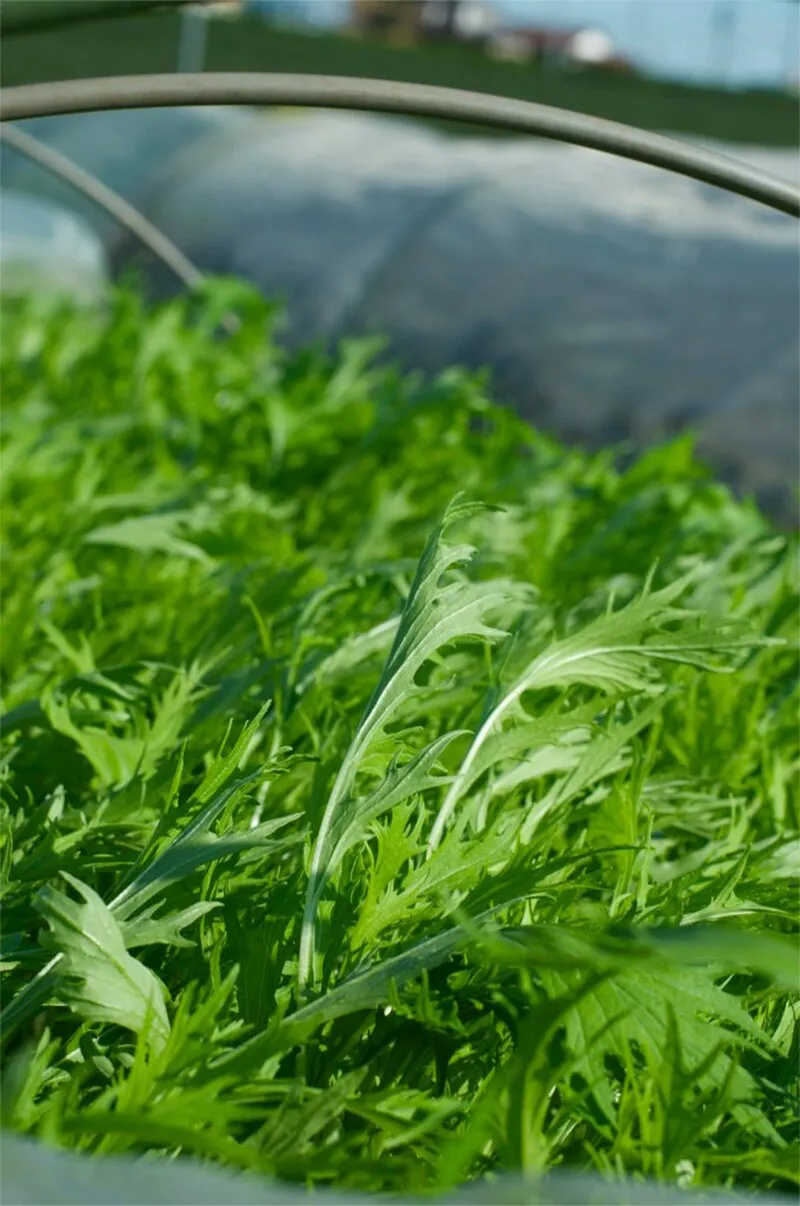
Mizuna
VegetableJapanese mustard green with feathery leaves and mild, peppery flavor. Hardy enough to withstand light frosts down to -5°C, mizuna performs best when daytime temperatures stay between 10°C and 20°C. Give it full sun to partial shade and regular watering to keep soil consistently moist, and expect to harvest in roughly 21-40 days. An excellent choice for beginner and experienced gardeners alike, thanks to its forgiving growing habits.
Very fast-growing. Cut-and-come-again harvesting. Can be planted 2-3 weeks before the last expected frost, giving it a head start on the growing season. Aim for about 2.5 cm of water per week, adjusting for rainfall. Organic mulch around the base helps maintain even moisture.
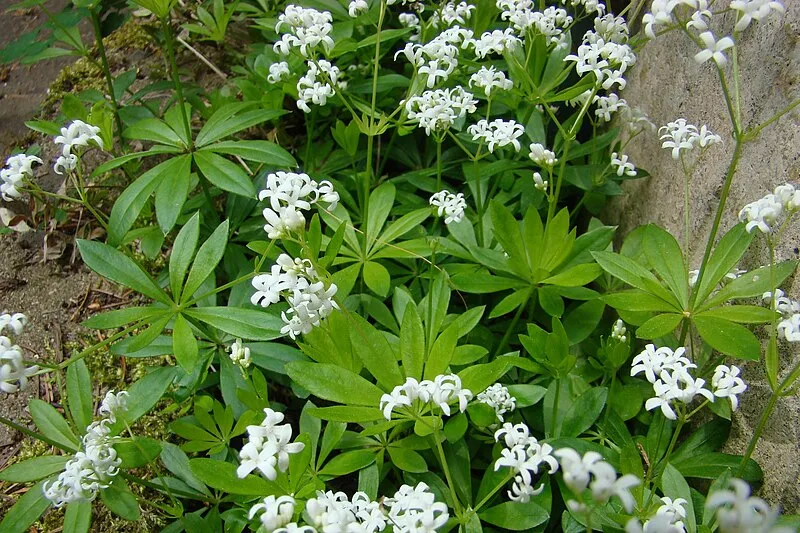
Sweet Woodruff
HerbShade-loving groundcover with vanilla-scented leaves. Hardy enough to withstand light frosts down to -20°C, sweet woodruff performs best when daytime temperatures stay between 10°C and 20°C. It needs partial shade, though it appreciates some direct light and regular watering to keep soil consistently moist — leaves are ready for picking in about 365-545 days. Valued in cuisines worldwide, it is easy to grow and rewards regular harvesting with bushier, more productive plants.
Perfect shade garden groundcover. Spreads by runners. Can be planted 2-3 weeks before the last expected frost, giving it a head start on the growing season. Aim for about 2.5 cm of water per week, adjusting for rainfall. Organic mulch around the base helps maintain even moisture.
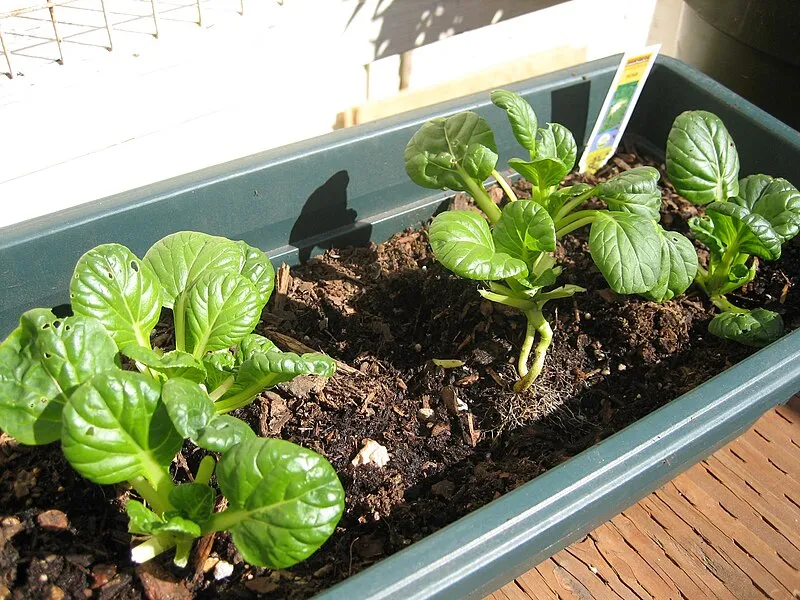
Tatsoi
VegetableAsian rosette green with spoon-shaped leaves. Hardy enough to withstand light frosts down to -10°C, tatsoi performs best when daytime temperatures stay between 10°C and 20°C. Give it full sun to partial shade and regular watering to keep soil consistently moist, and expect to harvest in roughly 21-45 days. Whether grown in raised beds, containers, or traditional plots, it produces well across a range of climates.
Very cold-hardy -- grows under snow. Fast-growing. Can be planted 2-3 weeks before the last expected frost, giving it a head start on the growing season. Aim for about 2.5 cm of water per week, adjusting for rainfall. Organic mulch around the base helps maintain even moisture.
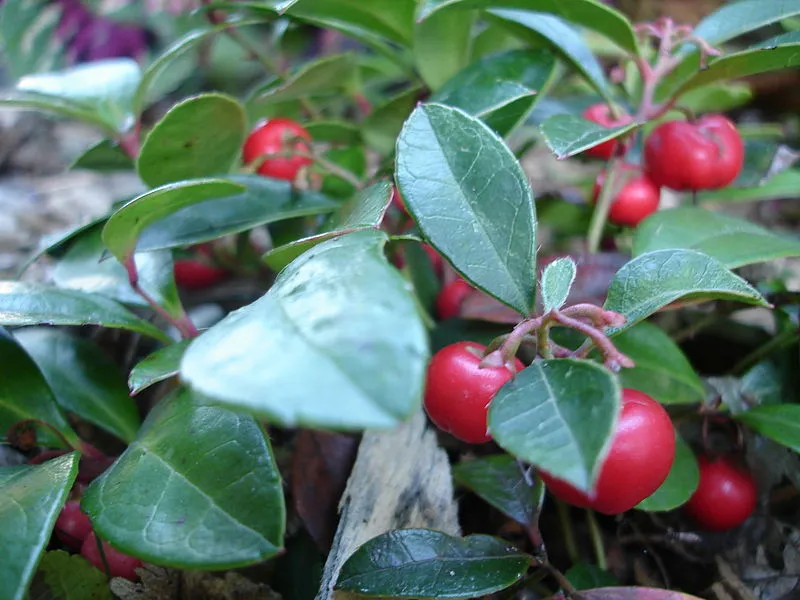
Wintergreen
HerbLow-growing evergreen with minty leaves and red berries. Hardy enough to withstand light frosts down to -30°C, wintergreen performs best when daytime temperatures stay between 10°C and 20°C. It needs partial shade, though it appreciates some direct light and regular watering to keep soil consistently moist — leaves are ready for picking in about 365-730 days. Valued in cuisines worldwide, it is easy to grow and rewards regular harvesting with bushier, more productive plants.
Needs acidic soil. Slow-spreading groundcover. Can be planted 2-3 weeks before the last expected frost, giving it a head start on the growing season. Aim for about 2.5 cm of water per week, adjusting for rainfall. Organic mulch around the base helps maintain even moisture.
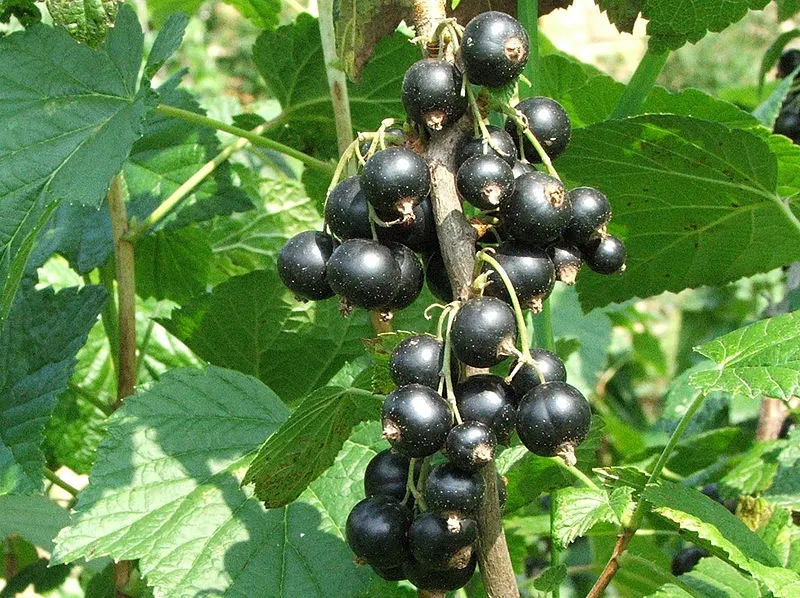
Black Currant
FruitIntensely flavored berry for jams, syrups, and cassis liqueur. Hardy enough to withstand light frosts down to -30°C, black currant performs best when daytime temperatures stay between 12°C and 22°C. Give it full sun to partial shade and regular watering to keep soil consistently moist, and expect to harvest in roughly 365-730 days. Growing your own means harvesting at perfect ripeness, something commercial growers simply cannot match.
Prune out oldest wood annually. Extremely cold-hardy. Can be planted 2-3 weeks before the last expected frost, giving it a head start on the growing season. Aim for about 2.5 cm of water per week, adjusting for rainfall. Organic mulch around the base helps maintain even moisture.
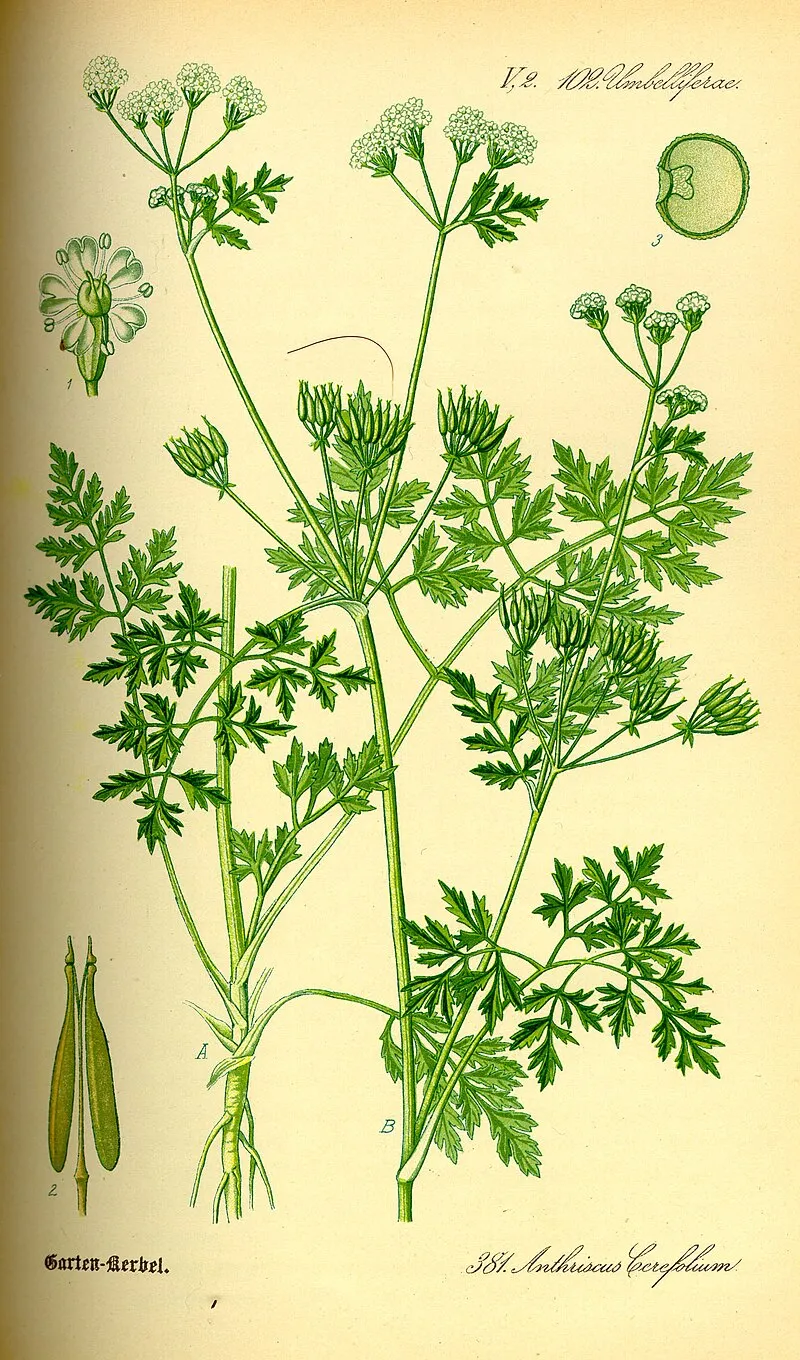
Chervil
HerbDelicate French herb with mild anise flavor. Hardy enough to withstand light frosts down to -5°C, chervil performs best when daytime temperatures stay between 10°C and 18°C. It needs partial shade, though it appreciates some direct light and regular watering to keep soil consistently moist — leaves are ready for picking in about 40-60 days. A kitchen essential that grows equally well on a sunny windowsill, a balcony pot, or a dedicated herb bed.
Bolts in heat -- grow in cool season or shade. Direct sow. Can be planted 2-3 weeks before the last expected frost, giving it a head start on the growing season. Aim for about 2.5 cm of water per week, adjusting for rainfall. Organic mulch around the base helps maintain even moisture.
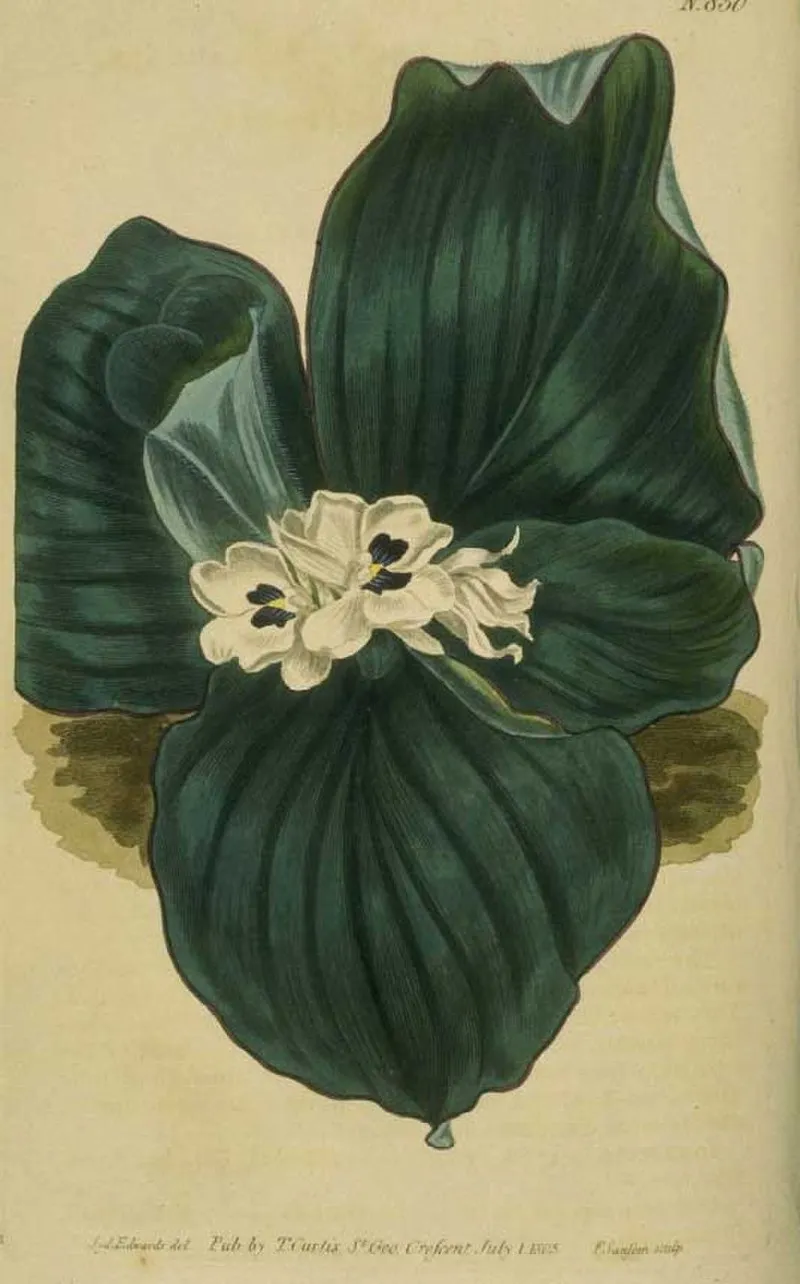
Galangal
SpiceGinger-like rhizome essential in Thai cooking. A warmth-loving plant that does best between 22°C and 30°C, galangal adapts well to tropical and subtropical conditions but cannot tolerate frost. It needs partial shade, though it appreciates some direct light and regular watering to keep soil consistently moist — leaves are ready for picking in about 240-365 days. Perfect for container gardens and small spaces — just place it where it gets adequate light and harvest as needed.
Grow like ginger but harder rhizome. Needs tropical warmth and humidity. Wait until soil warms to at least 22°C before transplanting outdoors — cold soil stunts growth and can invite root rot. Aim for about 2.5 cm of water per week, adjusting for rainfall. Organic mulch around the base helps maintain even moisture.
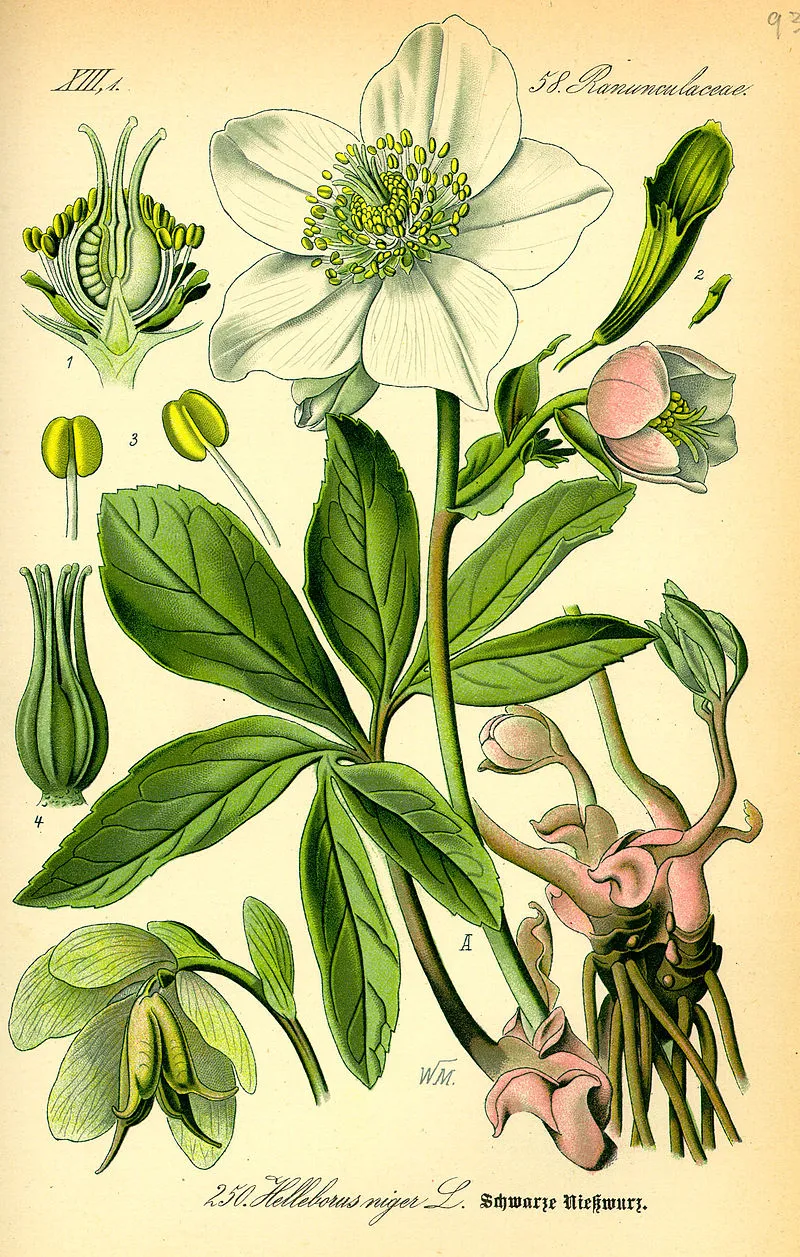
Hellebore
FlowerChristmas/Lenten rose -- blooms in late winter when nothing else does. Hardy enough to withstand light frosts down to -20°C, hellebore performs best when daytime temperatures stay between 8°C and 18°C. Plant in a spot with partial shade, though it appreciates some direct light and provide regular watering to keep soil consistently moist. Expect blooms in approximately 365-730 days. Valued as much for its cut-flower potential as for its garden presence — stems last well in a vase.
Shade-loving perennial. Cut old leaves in late winter. Can be planted 2-3 weeks before the last expected frost, giving it a head start on the growing season. Aim for about 2.5 cm of water per week, adjusting for rainfall. Organic mulch around the base helps maintain even moisture.
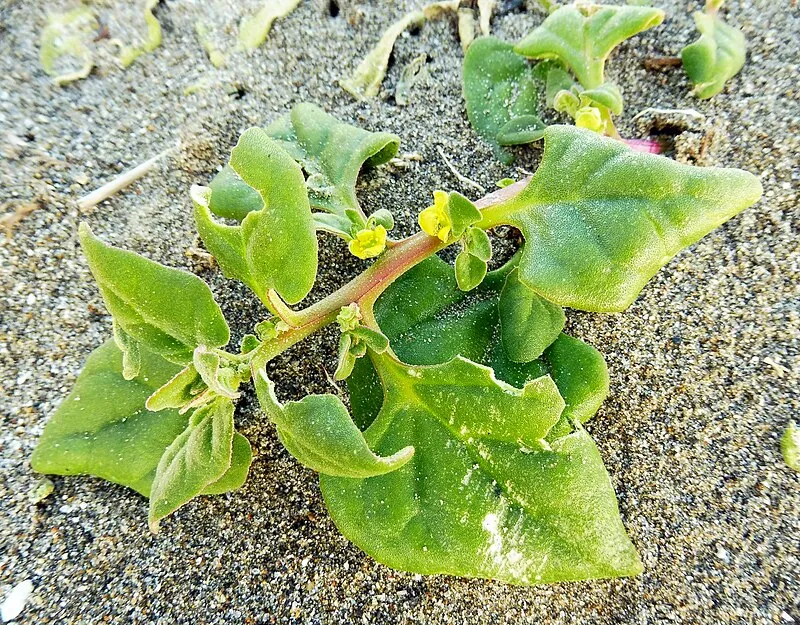
New Zealand Spinach
VegetableHeat-tolerant spinach alternative. A warmth-loving plant that does best between 18°C and 28°C, new zealand spinach adapts well to tropical and subtropical conditions but cannot tolerate frost. Give it full sun to partial shade and moderate, even watering throughout the growing season, and expect to harvest in roughly 55-70 days. Popular with home gardeners for its reliable yields and straightforward growing requirements.
Soak seeds overnight. Tolerates heat, drought, and salt. Wait until soil warms to at least 18°C before transplanting outdoors — cold soil stunts growth and can invite root rot. Water steadily but avoid soggy soil. A 5-cm layer of organic mulch helps balance moisture and suppress weeds.
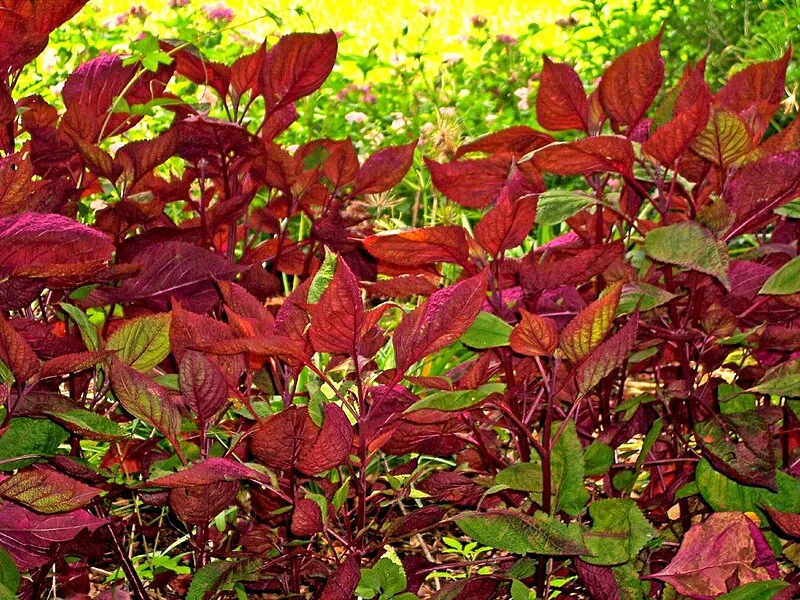
Perilla
HerbShiso -- Japanese herb with unique flavor. A warmth-loving plant that does best between 18°C and 28°C, perilla adapts well to tropical and subtropical conditions but cannot tolerate frost. It needs full sun to partial shade and regular watering to keep soil consistently moist — leaves are ready for picking in about 50-70 days. Perfect for container gardens and small spaces — just place it where it gets adequate light and harvest as needed.
Self-seeds readily. Essential in Japanese and Korean cuisine. Wait until soil warms to at least 18°C before transplanting outdoors — cold soil stunts growth and can invite root rot. Aim for about 2.5 cm of water per week, adjusting for rainfall. Organic mulch around the base helps maintain even moisture.
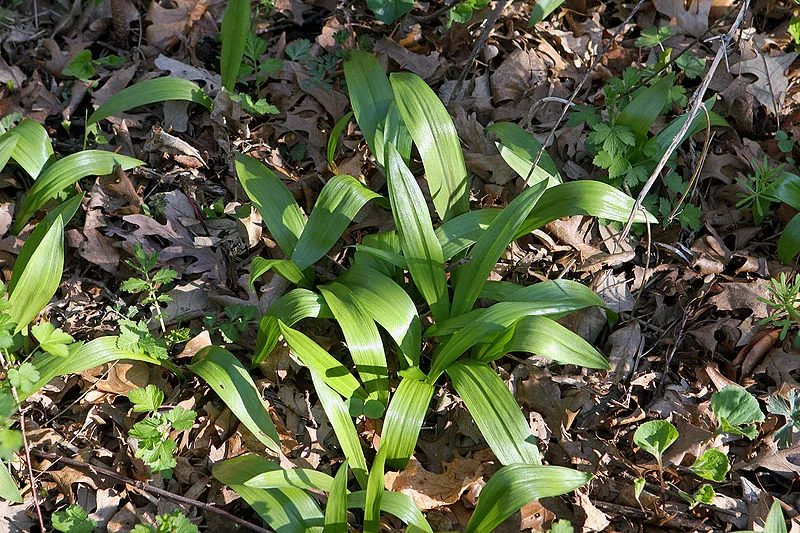
Ramps
VegetableWild leek -- prized spring ephemeral with garlicky flavor. Hardy enough to withstand light frosts down to -20°C, ramps performs best when daytime temperatures stay between 10°C and 18°C. Give it partial shade, though it appreciates some direct light and regular watering to keep soil consistently moist, and expect to harvest in roughly 365-1095 days. An excellent choice for beginner and experienced gardeners alike, thanks to its forgiving growing habits.
Very slow to establish -- be patient. Forest floor conditions. Can be planted 2-3 weeks before the last expected frost, giving it a head start on the growing season. Aim for about 2.5 cm of water per week, adjusting for rainfall. Organic mulch around the base helps maintain even moisture.
Frequently Asked Questions
What vegetables grow in shade?
Leafy greens are the best vegetables for shade. Lettuce, spinach, kale, arugula, bok choy, and Swiss chard all thrive with just 3-4 hours of sunlight. Herbs like mint, cilantro, and parsley also tolerate partial shade. Avoid fruiting vegetables like tomatoes, peppers, and squash in shady spots — they need full sun.
How much sun is 'partial shade'?
Partial shade means 2-4 hours of direct sunlight per day, often with dappled light the rest of the time. Partial sun means 3-6 hours. North-facing gardens, spots under trees, or areas between buildings often fall into these categories. Many shade-tolerant plants actually prefer these conditions in hot climates, where full sun would scorch them.
Can I grow food plants in full shade?
Very few edible plants grow in full shade (less than 2 hours of sunlight). Some herbs like mint and lemon balm can manage. Most edible plants need at least some direct sunlight to grow and produce harvests. If you have a deeply shaded space, consider growing ornamental shade plants and locating edibles elsewhere.