Plants You Can Grow Year-Round
In tropical cities like Singapore, Bangkok, and Miami, these 80 plants can be planted any month of the year. No waiting for spring — grow continuously and harvest more.
Tropical Growing Advantages
- No frost means no waiting — start planting any day of the year
- Stagger plantings monthly for non-stop harvests throughout the year
- Perennial crops like lemongrass, turmeric, and moringa grow indefinitely once established
- Use the rainy season to your advantage — many tropical plants thrive with consistent rainfall
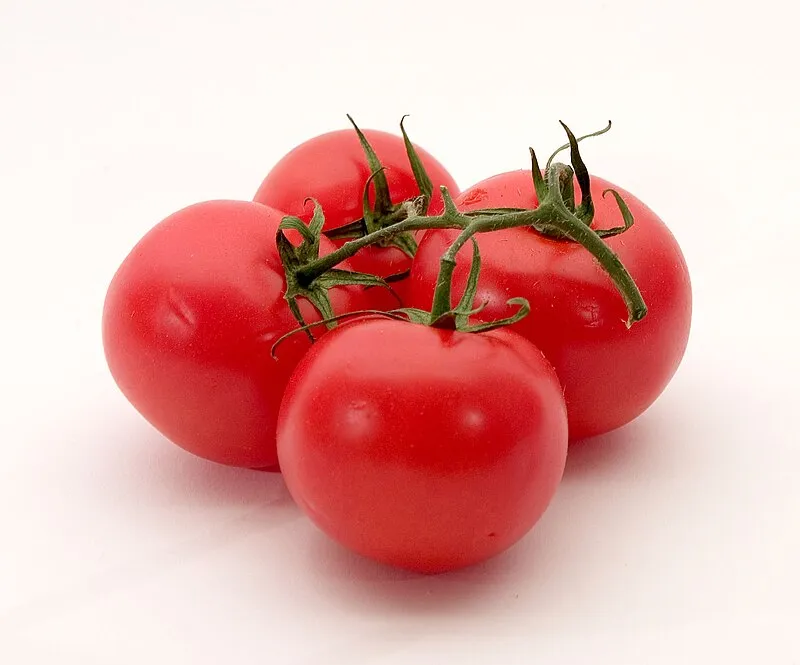
Tomato
VegetableThe world's most popular garden vegetable. A warmth-loving plant that does best between 18°C and 27°C, tomato adapts well to tropical and subtropical conditions but cannot tolerate frost. Give it full sun (6-8 hours of direct light daily) and regular watering to keep soil consistently moist, and expect to harvest in roughly 60-85 days. A staple of kitchen gardens and allotments, it rewards even first-time growers with a generous harvest.
Start indoors 6-8 weeks before last frost. Needs staking or caging. Wait until soil warms to at least 18°C before transplanting outdoors — cold soil stunts growth and can invite root rot. Aim for about 2.5 cm of water per week, adjusting for rainfall. Organic mulch around the base helps maintain even moisture.
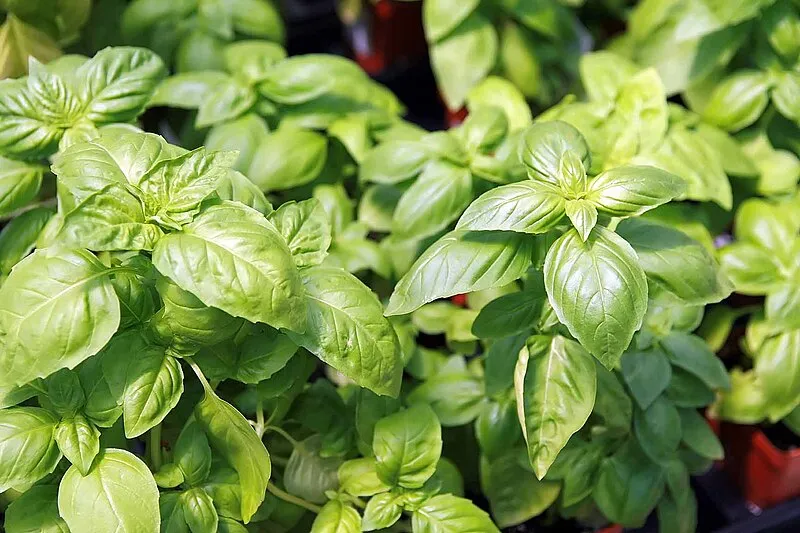
Basil
HerbEssential culinary herb with fragrant leaves. A warmth-loving plant that does best between 20°C and 30°C, basil adapts well to tropical and subtropical conditions but cannot tolerate frost. It needs full sun (6-8 hours of direct light daily) and regular watering to keep soil consistently moist — leaves are ready for picking in about 50-75 days. Valued in cuisines worldwide, it is easy to grow and rewards regular harvesting with bushier, more productive plants.
Pinch flower buds to encourage leaf growth. Harvest from top down. Wait until soil warms to at least 20°C before transplanting outdoors — cold soil stunts growth and can invite root rot. Aim for about 2.5 cm of water per week, adjusting for rainfall. Organic mulch around the base helps maintain even moisture.
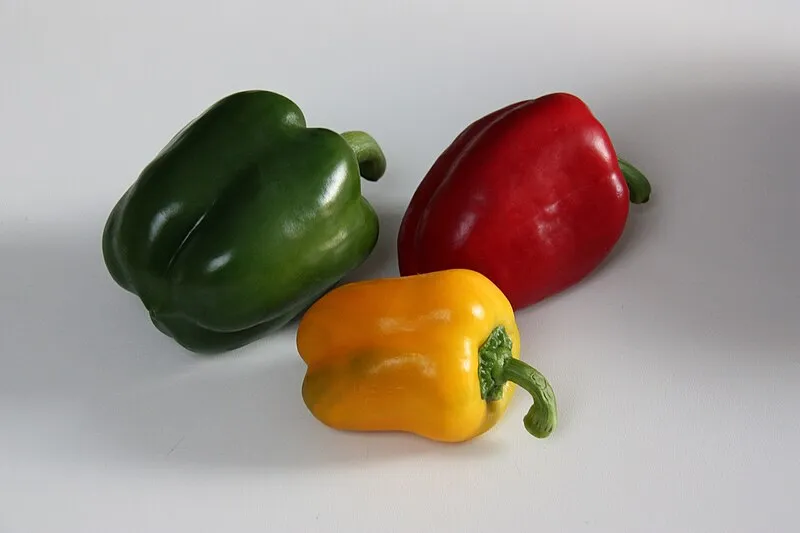
Pepper
VegetableHeat-loving plants ranging from sweet bell peppers to fiery chilies. A warmth-loving plant that does best between 20°C and 30°C, pepper adapts well to tropical and subtropical conditions but cannot tolerate frost. Give it full sun (6-8 hours of direct light daily) and moderate, even watering throughout the growing season, and expect to harvest in roughly 60-90 days. Widely grown in home gardens around the world, it adapts to a range of soil types and growing conditions.
Start indoors 8-10 weeks before last frost. Mulch heavily. Wait until soil warms to at least 20°C before transplanting outdoors — cold soil stunts growth and can invite root rot. Water steadily but avoid soggy soil. A 5-cm layer of organic mulch helps balance moisture and suppress weeds.
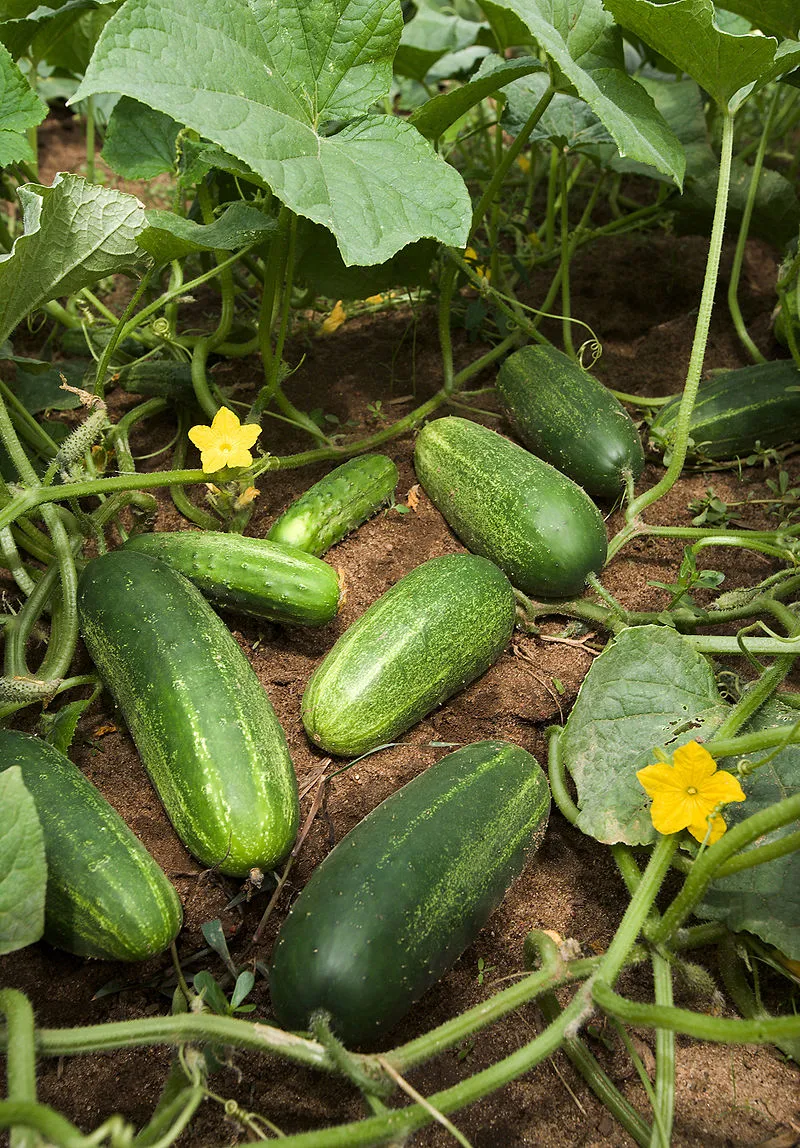
Cucumber
VegetableFast-growing vine that produces abundantly in warm weather. A warmth-loving plant that does best between 20°C and 30°C, cucumber adapts well to tropical and subtropical conditions but cannot tolerate frost. Give it full sun (6-8 hours of direct light daily) and frequent watering — it is a thirsty plant that dislikes dry soil, and expect to harvest in roughly 50-70 days. A staple of kitchen gardens and allotments, it rewards even first-time growers with a generous harvest.
Provide trellis for climbing varieties. Pick frequently to encourage production. Wait until soil warms to at least 20°C before transplanting outdoors — cold soil stunts growth and can invite root rot. Consistent moisture is critical. Mulch with straw or compost to retain soil moisture and keep roots cool during hot weather.
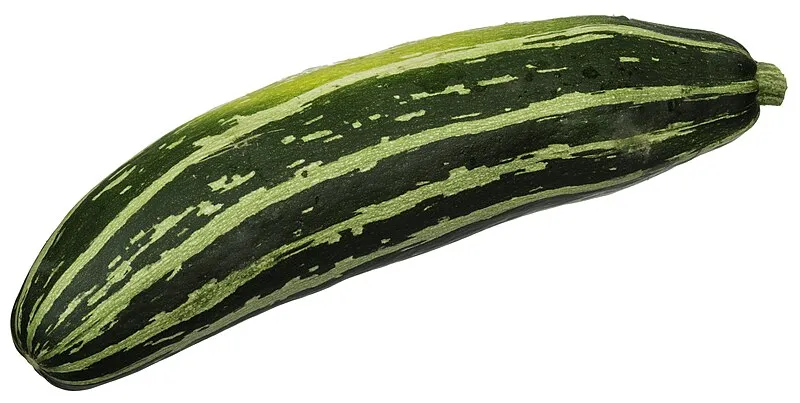
Zucchini
VegetableProlific summer squash -- one plant can feed a family. A warmth-loving plant that does best between 18°C and 27°C, zucchini adapts well to tropical and subtropical conditions but cannot tolerate frost. Give it full sun (6-8 hours of direct light daily) and regular watering to keep soil consistently moist, and expect to harvest in roughly 45-60 days. Popular with home gardeners for its reliable yields and straightforward growing requirements.
Harvest when 15-20cm long for best flavor. Check daily -- they grow fast. Wait until soil warms to at least 18°C before transplanting outdoors — cold soil stunts growth and can invite root rot. Aim for about 2.5 cm of water per week, adjusting for rainfall. Organic mulch around the base helps maintain even moisture.
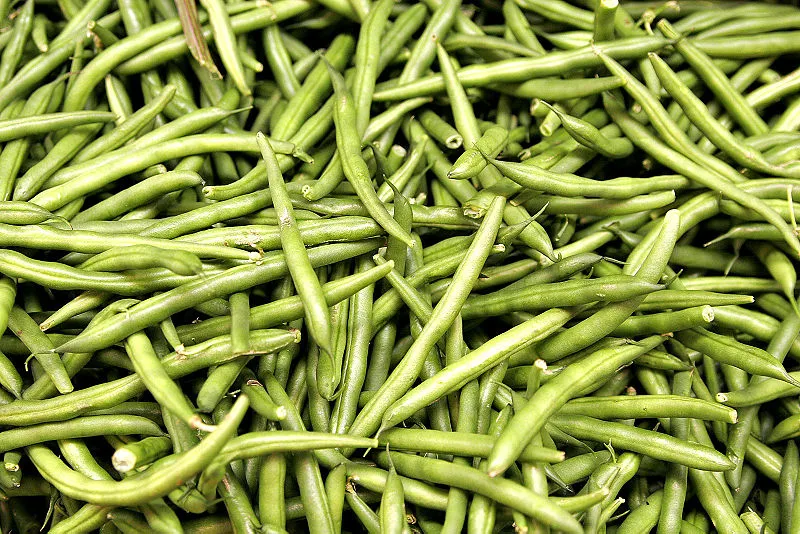
Green Bean
VegetableEasy warm-season crop. A warmth-loving plant that does best between 18°C and 27°C, green bean adapts well to tropical and subtropical conditions but cannot tolerate frost. Give it full sun (6-8 hours of direct light daily) and regular watering to keep soil consistently moist, and expect to harvest in roughly 50-60 days. Whether grown in raised beds, containers, or traditional plots, it produces well across a range of climates.
Sow directly after last frost. Pick frequently to keep plants producing. Wait until soil warms to at least 18°C before transplanting outdoors — cold soil stunts growth and can invite root rot. Aim for about 2.5 cm of water per week, adjusting for rainfall. Organic mulch around the base helps maintain even moisture.
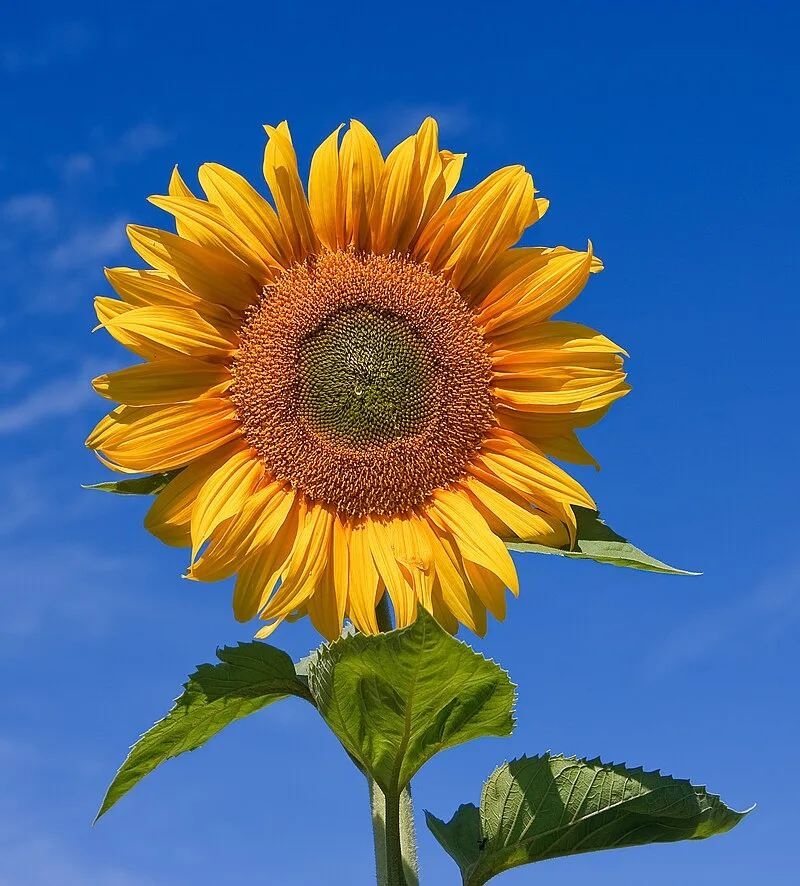
Sunflower
FlowerIconic warm-season flower. A warmth-loving plant that does best between 18°C and 28°C, sunflower adapts well to tropical and subtropical conditions but cannot tolerate frost. Plant in a spot with full sun (6-8 hours of direct light daily) and provide moderate, even watering throughout the growing season. Expect blooms in approximately 70-100 days. Valued as much for its cut-flower potential as for its garden presence — stems last well in a vase.
Sow directly -- taproots don't transplant well. Great for kids to grow. Wait until soil warms to at least 18°C before transplanting outdoors — cold soil stunts growth and can invite root rot. Water steadily but avoid soggy soil. A 5-cm layer of organic mulch helps balance moisture and suppress weeds.
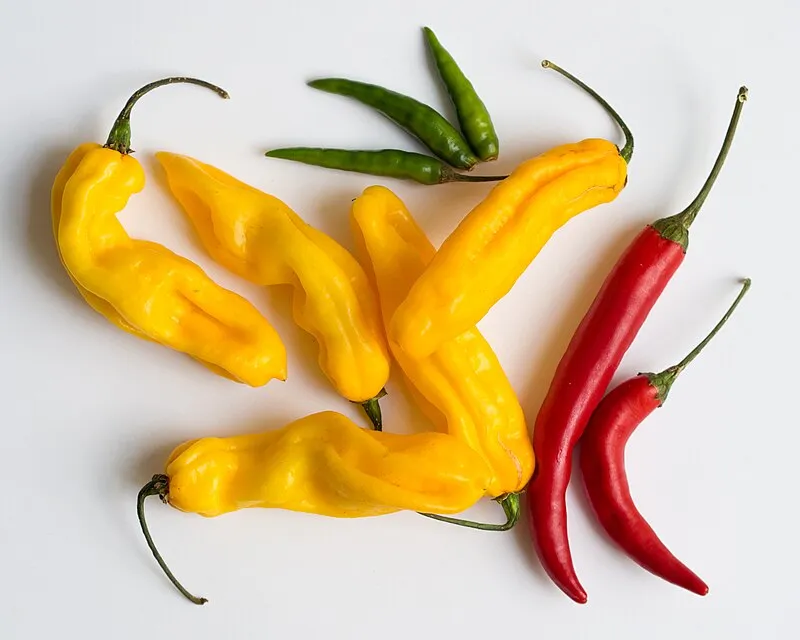
Chili Pepper
VegetableFrom mild jalapenos to scorching habaneros. A warmth-loving plant that does best between 22°C and 32°C, chili pepper adapts well to tropical and subtropical conditions but cannot tolerate frost. Give it full sun (6-8 hours of direct light daily) and moderate, even watering throughout the growing season, and expect to harvest in roughly 60-120 days. A staple of kitchen gardens and allotments, it rewards even first-time growers with a generous harvest.
Stress (less water, more sun) increases heat level. Start indoors 10+ weeks before last frost. Wait until soil warms to at least 22°C before transplanting outdoors — cold soil stunts growth and can invite root rot. Water steadily but avoid soggy soil. A 5-cm layer of organic mulch helps balance moisture and suppress weeds.
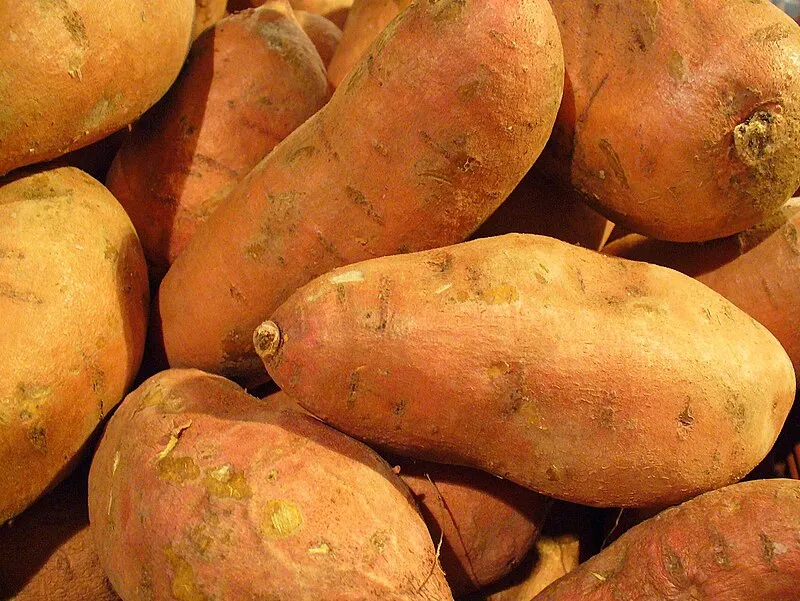
Sweet Potato
VegetableTropical root vegetable. A warmth-loving plant that does best between 22°C and 30°C, sweet potato adapts well to tropical and subtropical conditions but cannot tolerate frost. Give it full sun (6-8 hours of direct light daily) and moderate, even watering throughout the growing season, and expect to harvest in roughly 90-170 days. Whether grown in raised beds, containers, or traditional plots, it produces well across a range of climates.
Grow from slips (sprouts), not seeds. Needs warm soil to form tubers. Wait until soil warms to at least 22°C before transplanting outdoors — cold soil stunts growth and can invite root rot. Water steadily but avoid soggy soil. A 5-cm layer of organic mulch helps balance moisture and suppress weeds.
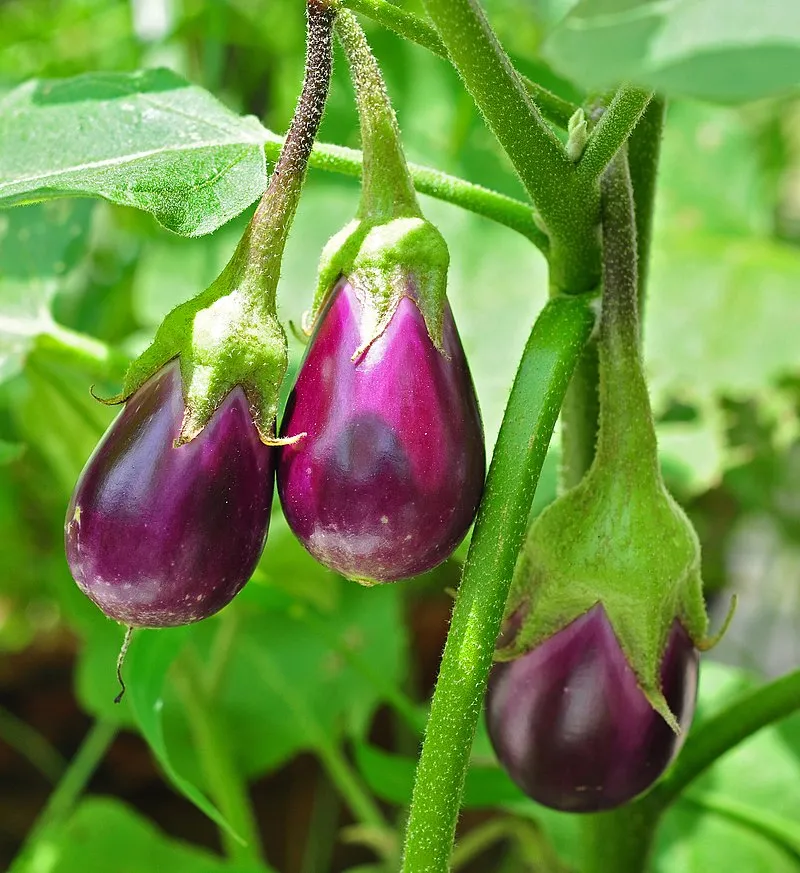
Eggplant
VegetableHeat-loving nightshade. A warmth-loving plant that does best between 22°C and 30°C, eggplant adapts well to tropical and subtropical conditions but cannot tolerate frost. Give it full sun (6-8 hours of direct light daily) and regular watering to keep soil consistently moist, and expect to harvest in roughly 65-80 days. A staple of kitchen gardens and allotments, it rewards even first-time growers with a generous harvest.
Start indoors 8 weeks before last frost. Needs warm soil -- use black mulch. Wait until soil warms to at least 22°C before transplanting outdoors — cold soil stunts growth and can invite root rot. Aim for about 2.5 cm of water per week, adjusting for rainfall. Organic mulch around the base helps maintain even moisture.
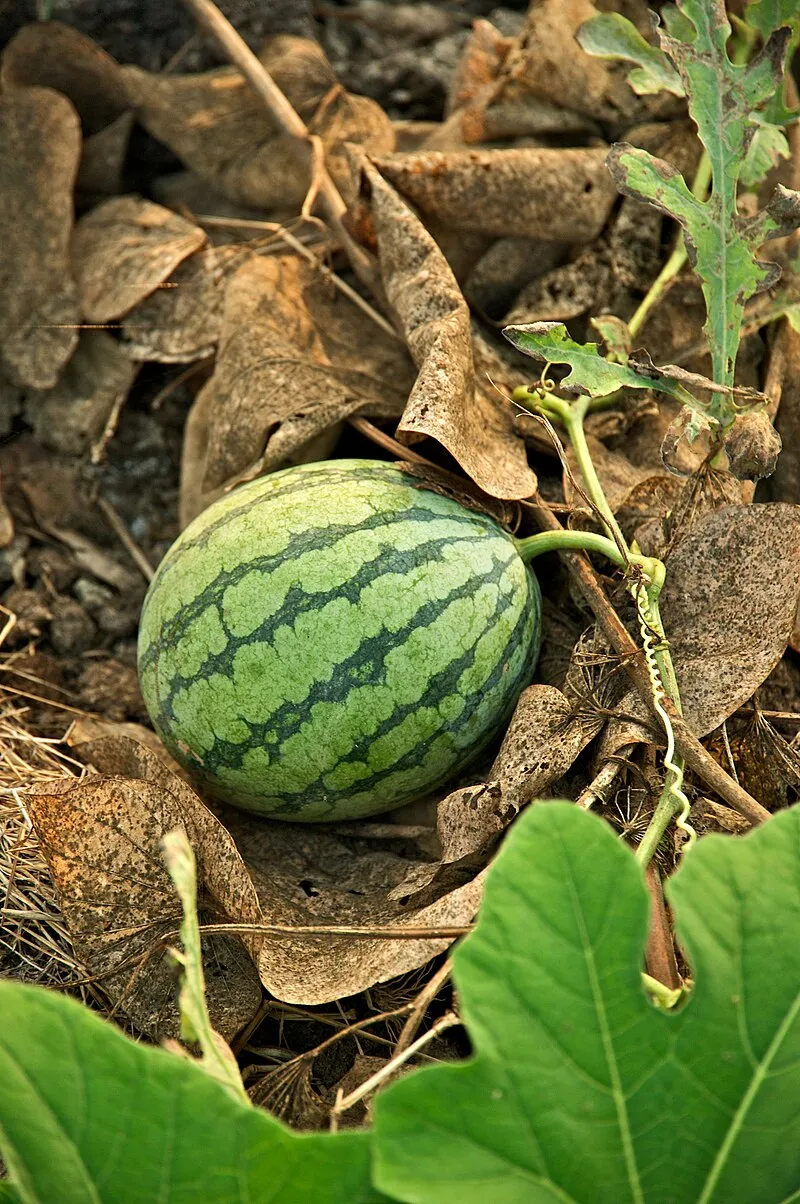
Watermelon
FruitSummer's iconic fruit. A warmth-loving plant that does best between 24°C and 30°C, watermelon adapts well to tropical and subtropical conditions but cannot tolerate frost. Give it full sun (6-8 hours of direct light daily) and regular watering to keep soil consistently moist, and expect to harvest in roughly 70-90 days. A favourite of home orchardists and fruit gardeners, it can be trained, pruned, and shaped to fit most spaces.
Needs at least 3 months of warm weather. Reduce watering as fruit ripens for sweeter taste. Wait until soil warms to at least 24°C before transplanting outdoors — cold soil stunts growth and can invite root rot. Aim for about 2.5 cm of water per week, adjusting for rainfall. Organic mulch around the base helps maintain even moisture.
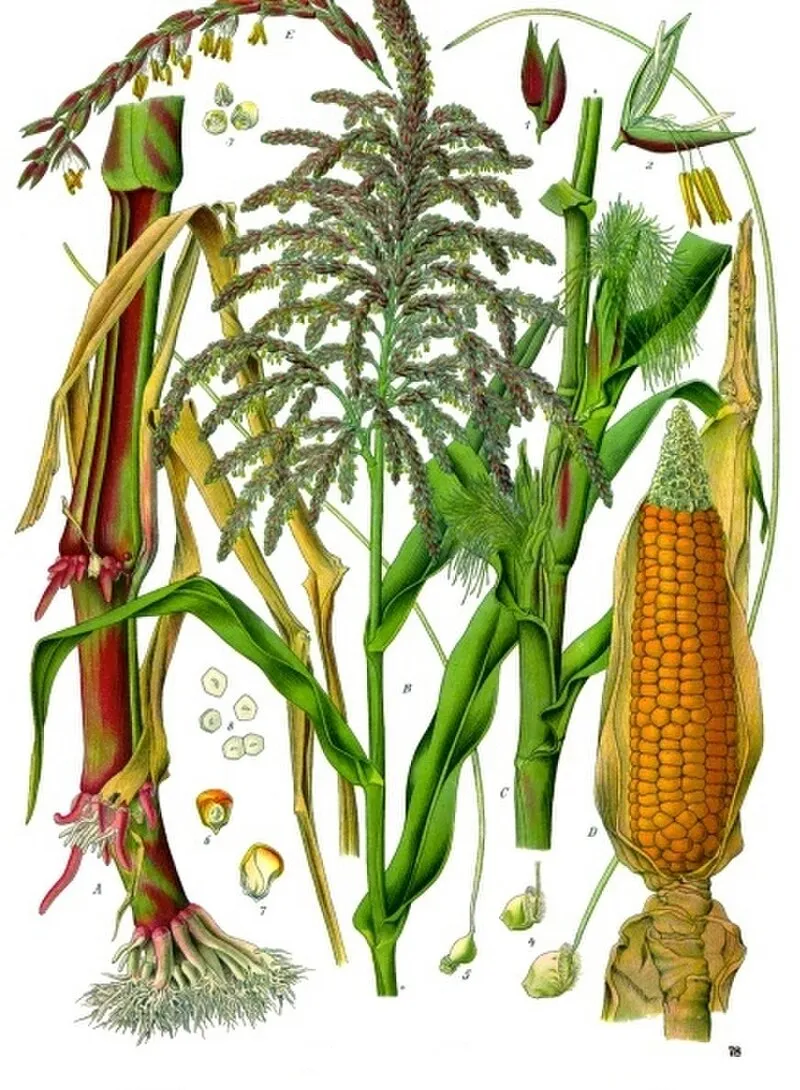
Corn
VegetablePlant in blocks (not rows) for wind pollination. A warmth-loving plant that does best between 18°C and 30°C, corn adapts well to tropical and subtropical conditions but cannot tolerate frost. Give it full sun (6-8 hours of direct light daily) and regular watering to keep soil consistently moist, and expect to harvest in roughly 60-100 days. An excellent choice for beginner and experienced gardeners alike, thanks to its forgiving growing habits.
Minimum 4x4 block for pollination. Heavy feeder -- needs nitrogen-rich soil. Wait until soil warms to at least 18°C before transplanting outdoors — cold soil stunts growth and can invite root rot. Aim for about 2.5 cm of water per week, adjusting for rainfall. Organic mulch around the base helps maintain even moisture.
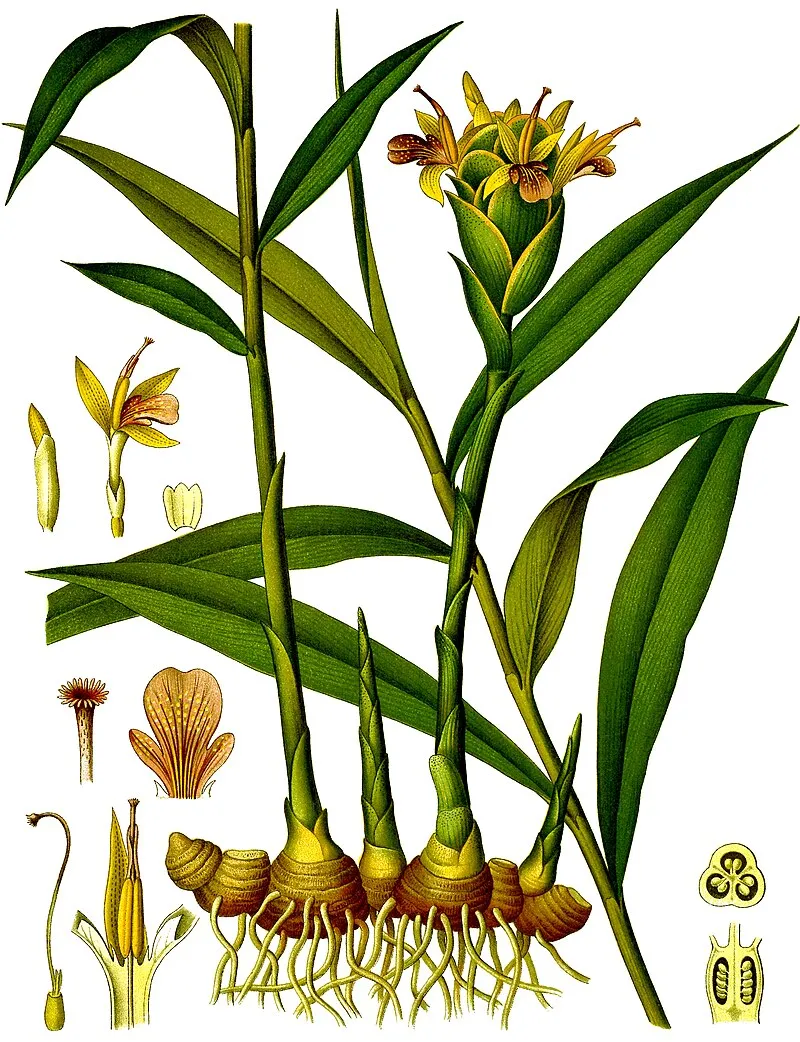
Ginger
HerbTropical rhizome with spicy, aromatic flavor. A warmth-loving plant that does best between 22°C and 30°C, ginger adapts well to tropical and subtropical conditions but cannot tolerate frost. It needs partial shade, though it appreciates some direct light and frequent watering — it is a thirsty plant that dislikes dry soil — leaves are ready for picking in about 240-300 days. A kitchen essential that grows equally well on a sunny windowsill, a balcony pot, or a dedicated herb bed.
Plant rhizome pieces with growth buds. Needs consistent warmth and humidity. Wait until soil warms to at least 22°C before transplanting outdoors — cold soil stunts growth and can invite root rot. Consistent moisture is critical. Mulch with straw or compost to retain soil moisture and keep roots cool during hot weather.
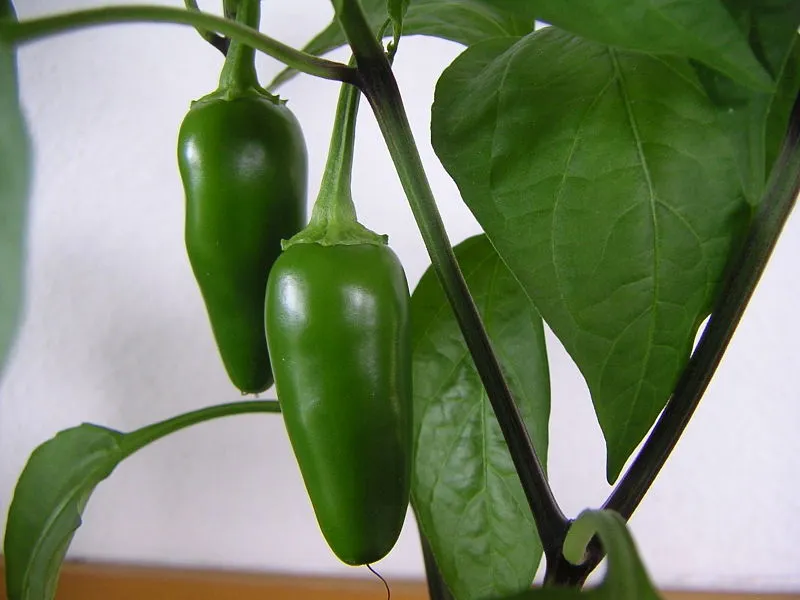
Jalapeno
VegetablePopular medium-heat chili. A warmth-loving plant that does best between 22°C and 30°C, jalapeno adapts well to tropical and subtropical conditions but cannot tolerate frost. Give it full sun (6-8 hours of direct light daily) and moderate, even watering throughout the growing season, and expect to harvest in roughly 70-80 days. Whether grown in raised beds, containers, or traditional plots, it produces well across a range of climates.
Start indoors 8 weeks before last frost. Red jalapenos are riper and hotter than green. Wait until soil warms to at least 22°C before transplanting outdoors — cold soil stunts growth and can invite root rot. Water steadily but avoid soggy soil. A 5-cm layer of organic mulch helps balance moisture and suppress weeds.
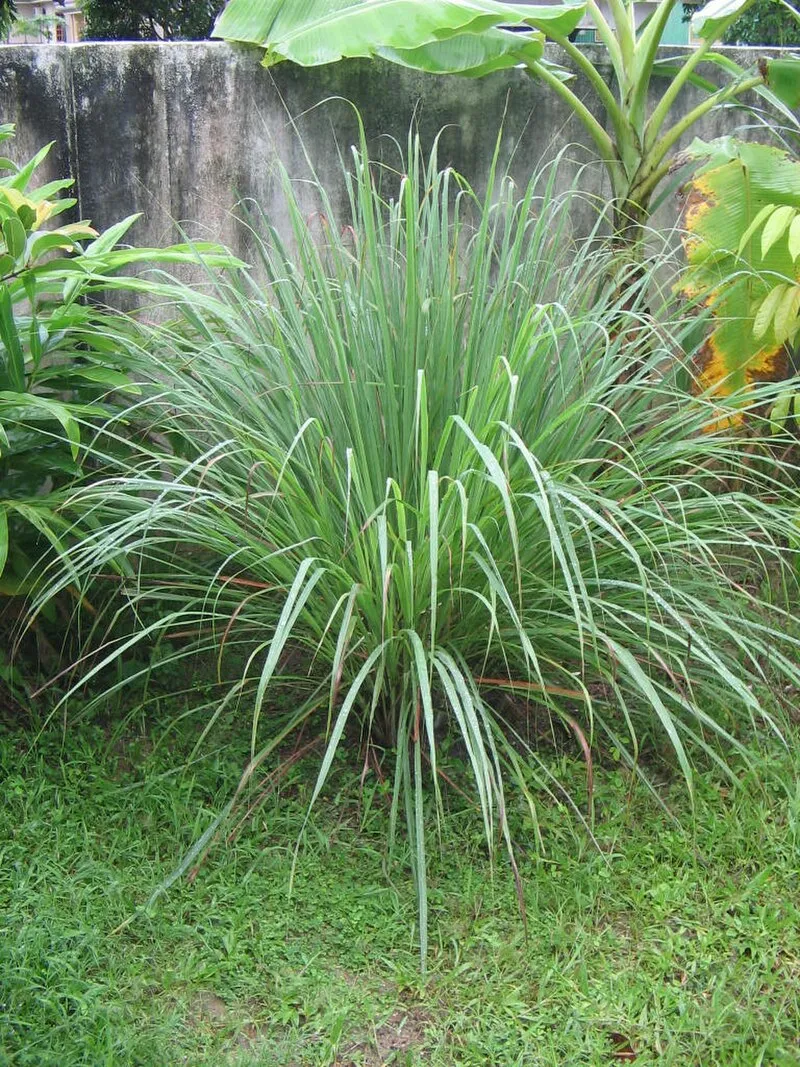
Lemongrass
HerbTropical grass with intense citrus flavor. A warmth-loving plant that does best between 22°C and 32°C, lemongrass adapts well to tropical and subtropical conditions but cannot tolerate frost. It needs full sun (6-8 hours of direct light daily) and regular watering to keep soil consistently moist — leaves are ready for picking in about 75-100 days. A kitchen essential that grows equally well on a sunny windowsill, a balcony pot, or a dedicated herb bed.
Root store-bought stalks in water. Bring indoors before frost. Wait until soil warms to at least 22°C before transplanting outdoors — cold soil stunts growth and can invite root rot. Aim for about 2.5 cm of water per week, adjusting for rainfall. Organic mulch around the base helps maintain even moisture.
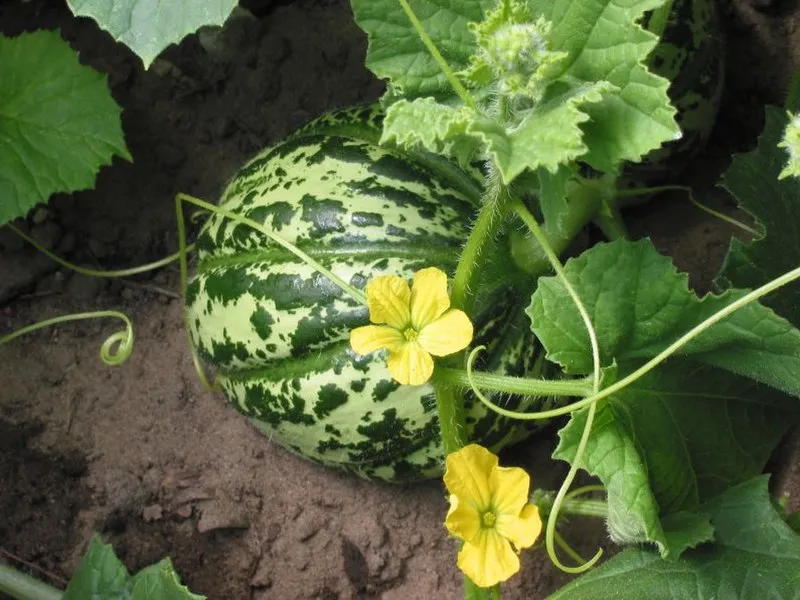
Cantaloupe
FruitSweet, fragrant melon that needs long, hot summers. A warmth-loving plant that does best between 22°C and 30°C, cantaloupe adapts well to tropical and subtropical conditions but cannot tolerate frost. Give it full sun (6-8 hours of direct light daily) and regular watering to keep soil consistently moist, and expect to harvest in roughly 80-100 days. Patience pays off — once established, it produces reliably season after season with proper care.
Needs at least 3 months of warm weather. Place melons on straw to prevent rot. Wait until soil warms to at least 22°C before transplanting outdoors — cold soil stunts growth and can invite root rot. Aim for about 2.5 cm of water per week, adjusting for rainfall. Organic mulch around the base helps maintain even moisture.
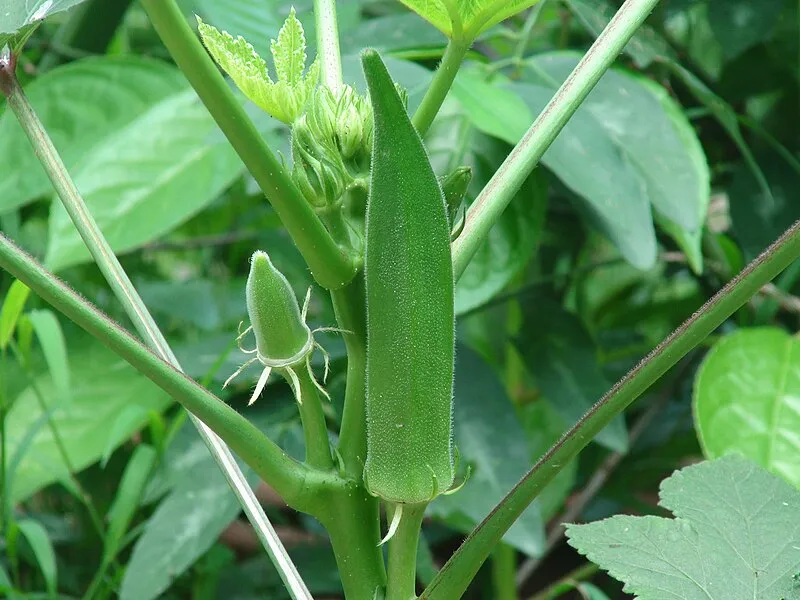
Okra
VegetableHeat-loving Southern staple. A warmth-loving plant that does best between 24°C and 32°C, okra adapts well to tropical and subtropical conditions but cannot tolerate frost. Give it full sun (6-8 hours of direct light daily) and moderate, even watering throughout the growing season, and expect to harvest in roughly 50-65 days. An excellent choice for beginner and experienced gardeners alike, thanks to its forgiving growing habits.
Soak seeds overnight. Harvest pods at 7-10cm -- they get tough quickly. Wait until soil warms to at least 24°C before transplanting outdoors — cold soil stunts growth and can invite root rot. Water steadily but avoid soggy soil. A 5-cm layer of organic mulch helps balance moisture and suppress weeds.
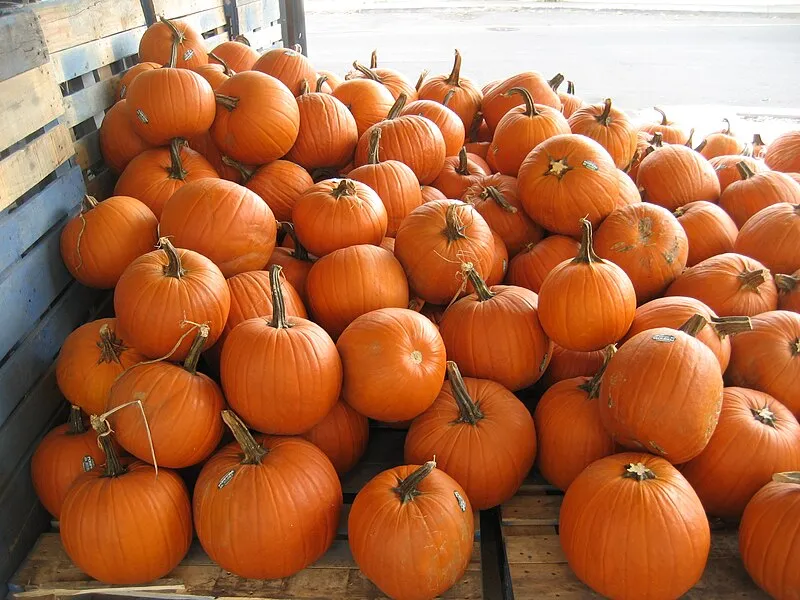
Pumpkin
VegetableClassic fall crop. A warmth-loving plant that does best between 18°C and 30°C, pumpkin adapts well to tropical and subtropical conditions but cannot tolerate frost. Give it full sun (6-8 hours of direct light daily) and regular watering to keep soil consistently moist, and expect to harvest in roughly 90-120 days. Popular with home gardeners for its reliable yields and straightforward growing requirements.
Direct sow after soil warms. Pinch vine tips after fruit sets. Wait until soil warms to at least 18°C before transplanting outdoors — cold soil stunts growth and can invite root rot. Aim for about 2.5 cm of water per week, adjusting for rainfall. Organic mulch around the base helps maintain even moisture.
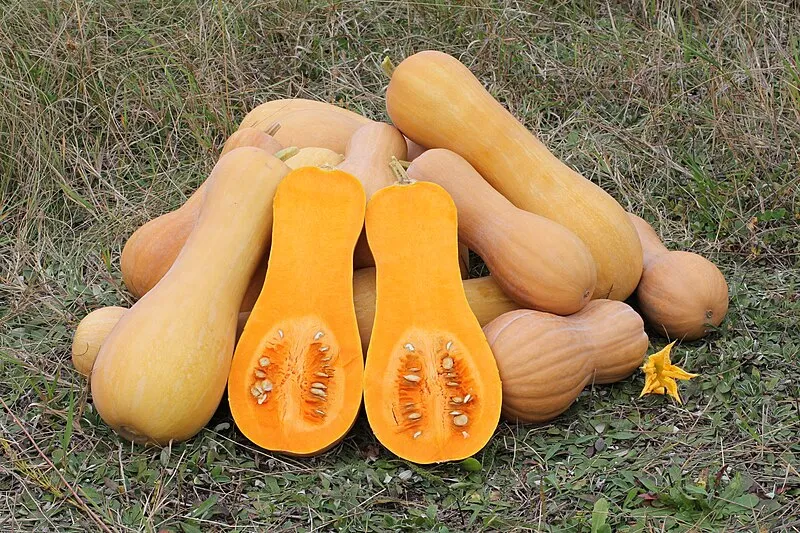
Butternut Squash
VegetableSweet, nutty winter squash. A warmth-loving plant that does best between 18°C and 30°C, butternut squash adapts well to tropical and subtropical conditions but cannot tolerate frost. Give it full sun (6-8 hours of direct light daily) and regular watering to keep soil consistently moist, and expect to harvest in roughly 90-110 days. A staple of kitchen gardens and allotments, it rewards even first-time growers with a generous harvest.
Needs long warm season. Cure in sun for 10 days after harvest. Wait until soil warms to at least 18°C before transplanting outdoors — cold soil stunts growth and can invite root rot. Aim for about 2.5 cm of water per week, adjusting for rainfall. Organic mulch around the base helps maintain even moisture.
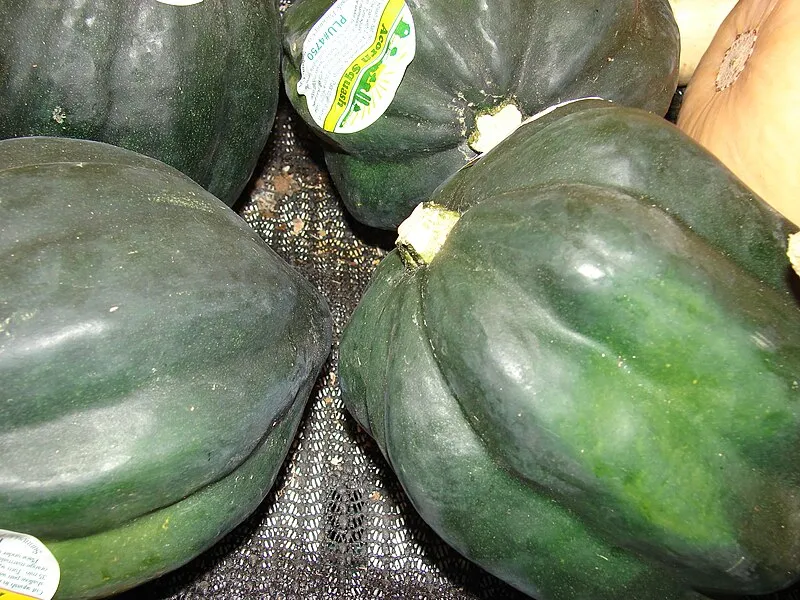
Acorn Squash
VegetableSmall, ribbed winter squash. A warmth-loving plant that does best between 18°C and 28°C, acorn squash adapts well to tropical and subtropical conditions but cannot tolerate frost. Give it full sun (6-8 hours of direct light daily) and regular watering to keep soil consistently moist, and expect to harvest in roughly 80-100 days. Popular with home gardeners for its reliable yields and straightforward growing requirements.
Harvest when skin is hard and dark green. Leave 5cm of stem attached for storage. Wait until soil warms to at least 18°C before transplanting outdoors — cold soil stunts growth and can invite root rot. Aim for about 2.5 cm of water per week, adjusting for rainfall. Organic mulch around the base helps maintain even moisture.
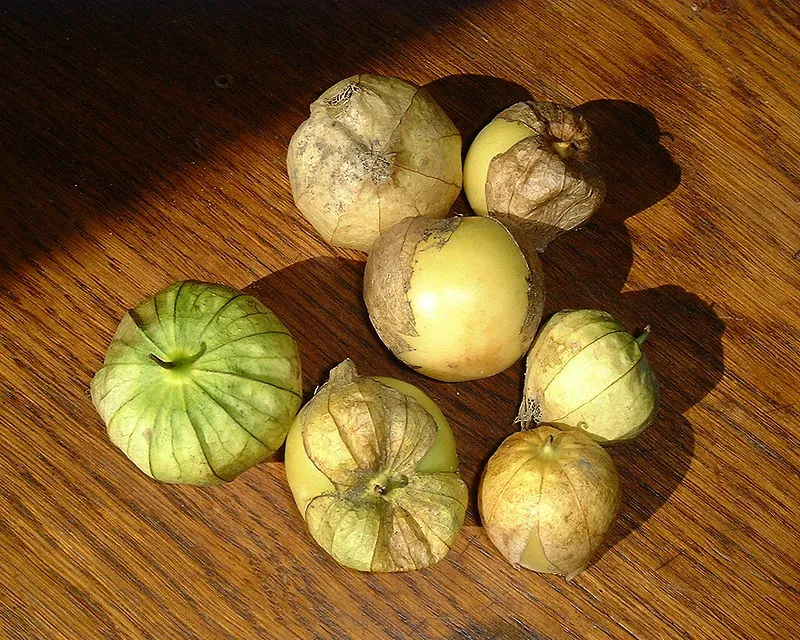
Tomatillo
VegetableEssential for salsa verde. A warmth-loving plant that does best between 18°C and 27°C, tomatillo adapts well to tropical and subtropical conditions but cannot tolerate frost. Give it full sun (6-8 hours of direct light daily) and moderate, even watering throughout the growing season, and expect to harvest in roughly 60-80 days. Whether grown in raised beds, containers, or traditional plots, it produces well across a range of climates.
Needs 2+ plants for cross-pollination. Harvest when husks split. Wait until soil warms to at least 18°C before transplanting outdoors — cold soil stunts growth and can invite root rot. Water steadily but avoid soggy soil. A 5-cm layer of organic mulch helps balance moisture and suppress weeds.
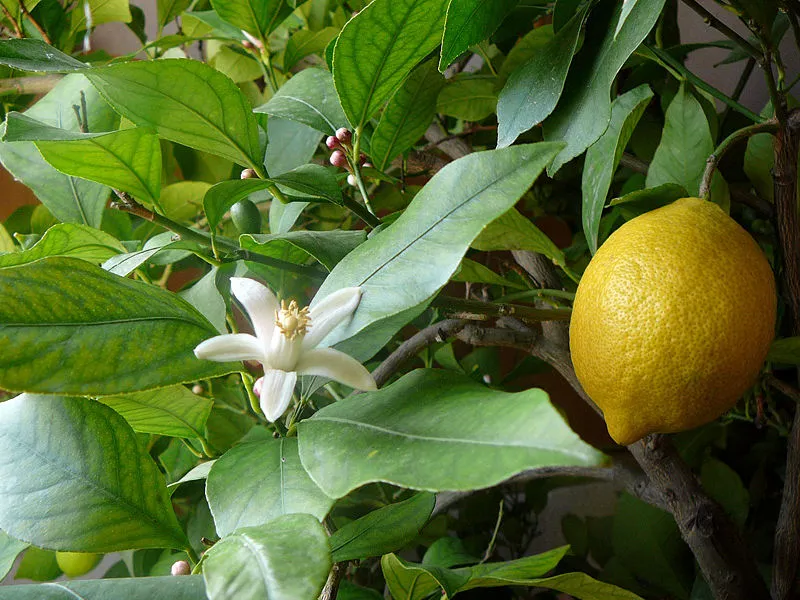
Lemon
FruitEvergreen citrus tree. A warmth-loving plant that does best between 18°C and 30°C, lemon adapts well to tropical and subtropical conditions but cannot tolerate frost. Give it full sun (6-8 hours of direct light daily) and regular watering to keep soil consistently moist, and expect to harvest in roughly 365-730 days. A favourite of home orchardists and fruit gardeners, it can be trained, pruned, and shaped to fit most spaces.
Bring containers indoors below 4C. Feed with citrus fertilizer. Wait until soil warms to at least 18°C before transplanting outdoors — cold soil stunts growth and can invite root rot. Aim for about 2.5 cm of water per week, adjusting for rainfall. Organic mulch around the base helps maintain even moisture.
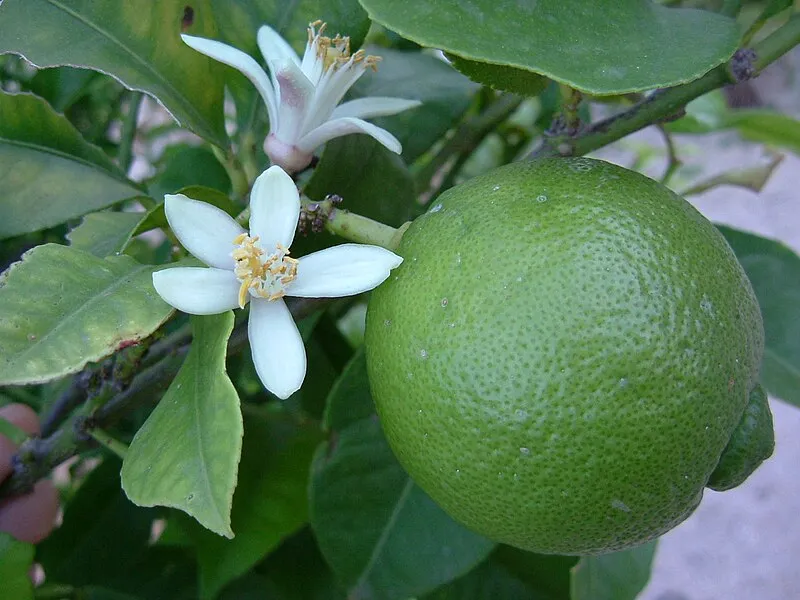
Lime
FruitTropical citrus. A warmth-loving plant that does best between 20°C and 32°C, lime adapts well to tropical and subtropical conditions but cannot tolerate frost. Give it full sun (6-8 hours of direct light daily) and regular watering to keep soil consistently moist, and expect to harvest in roughly 365-730 days. Growing your own means harvesting at perfect ripeness, something commercial growers simply cannot match.
More cold-sensitive than lemons. Excellent container plant. Wait until soil warms to at least 20°C before transplanting outdoors — cold soil stunts growth and can invite root rot. Aim for about 2.5 cm of water per week, adjusting for rainfall. Organic mulch around the base helps maintain even moisture.
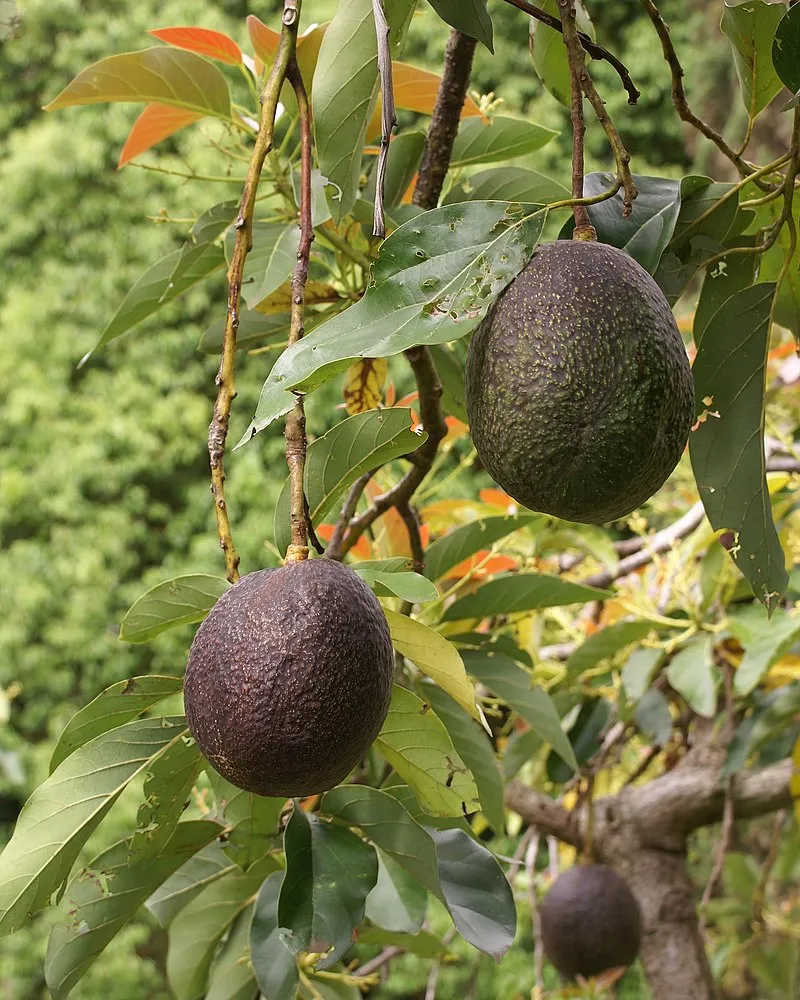
Avocado
FruitTropical tree fruit. A warmth-loving plant that does best between 18°C and 28°C, avocado adapts well to tropical and subtropical conditions but cannot tolerate frost. Give it full sun (6-8 hours of direct light daily) and regular watering to keep soil consistently moist, and expect to harvest in roughly 1095-1825 days. Well worth the space it takes — a single productive plant can supply a household through the season.
Grafted trees fruit much sooner. Needs well-drained soil. Wait until soil warms to at least 18°C before transplanting outdoors — cold soil stunts growth and can invite root rot. Aim for about 2.5 cm of water per week, adjusting for rainfall. Organic mulch around the base helps maintain even moisture.
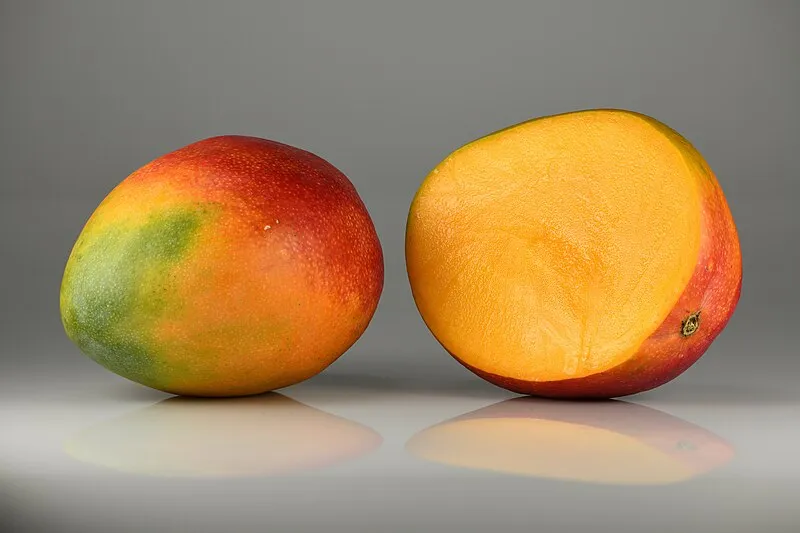
Mango
FruitKing of tropical fruits. A warmth-loving plant that does best between 24°C and 35°C, mango adapts well to tropical and subtropical conditions but cannot tolerate frost. Give it full sun (6-8 hours of direct light daily) and moderate, even watering throughout the growing season, and expect to harvest in roughly 1095-1825 days. The flavour of home-grown fruit, picked at peak ripeness, is incomparably better than anything from a supermarket.
Needs frost-free tropical or subtropical climate. Dwarf varieties for smaller spaces. Wait until soil warms to at least 24°C before transplanting outdoors — cold soil stunts growth and can invite root rot. Water steadily but avoid soggy soil. A 5-cm layer of organic mulch helps balance moisture and suppress weeds.
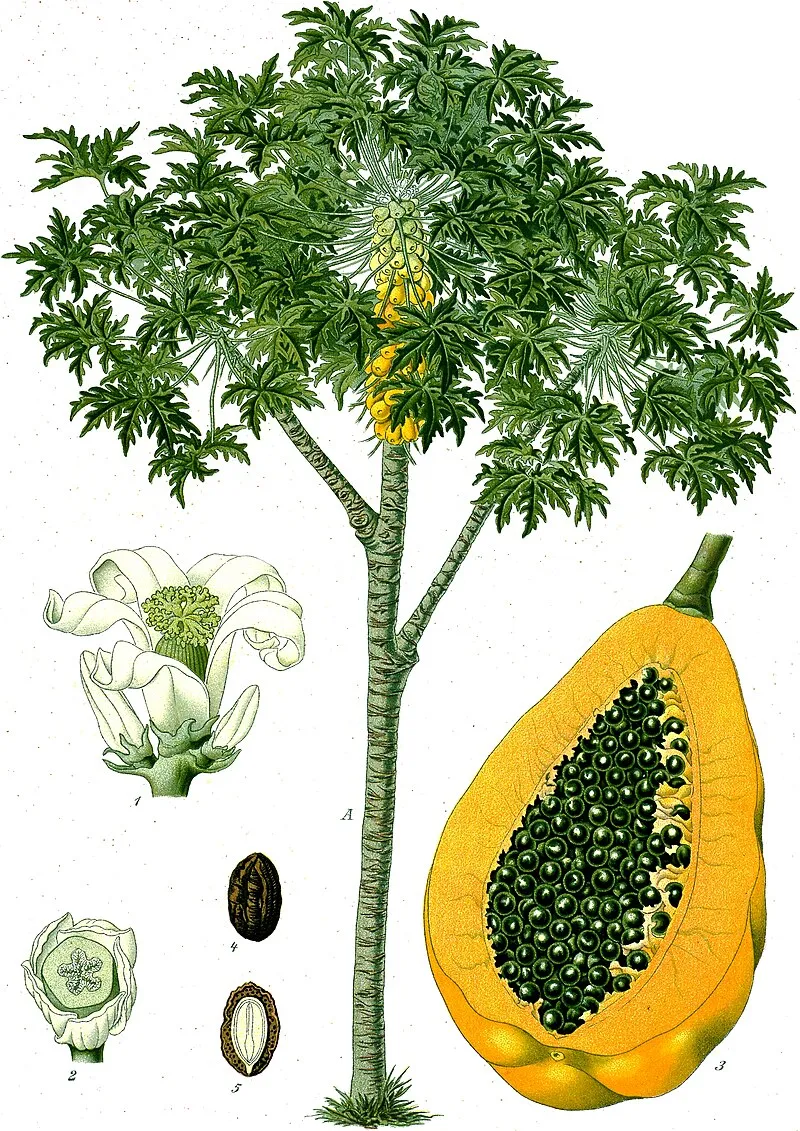
Papaya
FruitFast-growing tropical fruit. A warmth-loving plant that does best between 22°C and 32°C, papaya adapts well to tropical and subtropical conditions but cannot tolerate frost. Give it full sun (6-8 hours of direct light daily) and regular watering to keep soil consistently moist, and expect to harvest in roughly 270-365 days. Patience pays off — once established, it produces reliably season after season with proper care.
Very frost-sensitive. Needs well-drained soil. Wait until soil warms to at least 22°C before transplanting outdoors — cold soil stunts growth and can invite root rot. Aim for about 2.5 cm of water per week, adjusting for rainfall. Organic mulch around the base helps maintain even moisture.
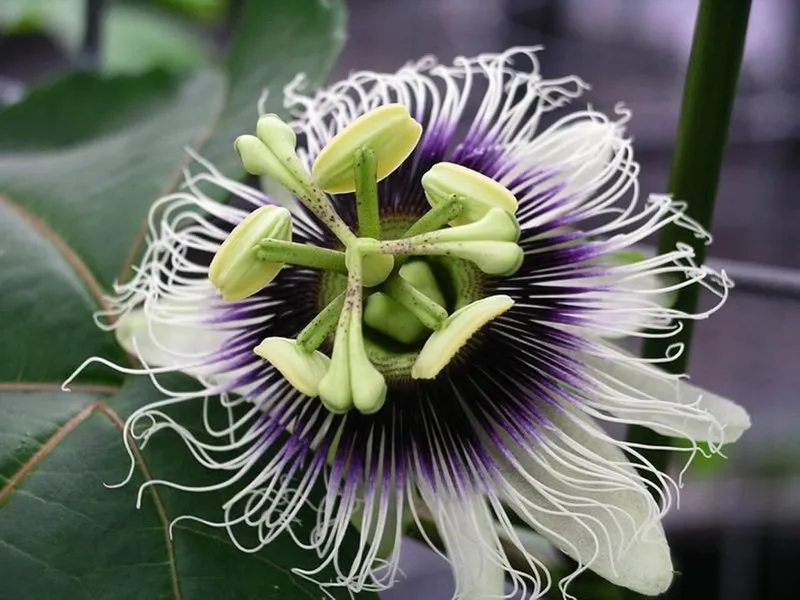
Passion Fruit
FruitTropical climbing vine with exotic flowers and tangy fruit. A warmth-loving plant that does best between 20°C and 30°C, passion fruit adapts well to tropical and subtropical conditions but cannot tolerate frost. Give it full sun (6-8 hours of direct light daily) and regular watering to keep soil consistently moist, and expect to harvest in roughly 365-545 days. A favourite of home orchardists and fruit gardeners, it can be trained, pruned, and shaped to fit most spaces.
Needs strong trellis or fence. Prune after fruiting. Wait until soil warms to at least 20°C before transplanting outdoors — cold soil stunts growth and can invite root rot. Aim for about 2.5 cm of water per week, adjusting for rainfall. Organic mulch around the base helps maintain even moisture.
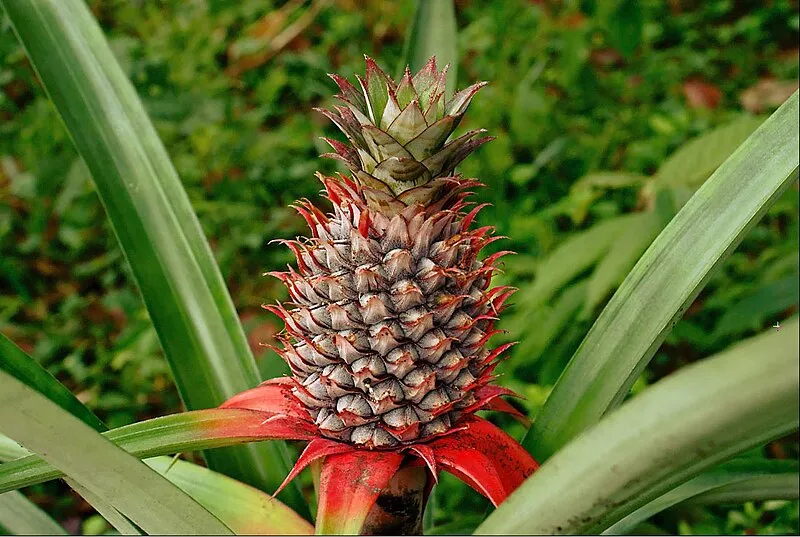
Pineapple
FruitTropical bromeliad. A warmth-loving plant that does best between 22°C and 32°C, pineapple adapts well to tropical and subtropical conditions but cannot tolerate frost. Give it full sun (6-8 hours of direct light daily) and minimal watering — it prefers dry conditions between drinks, and expect to harvest in roughly 545-730 days. Growing your own means harvesting at perfect ripeness, something commercial growers simply cannot match.
Root the crown. Takes 18-24 months to fruit. Wait until soil warms to at least 22°C before transplanting outdoors — cold soil stunts growth and can invite root rot. Overwatering is the most common mistake. Let soil dry out between waterings and ensure drainage is excellent.
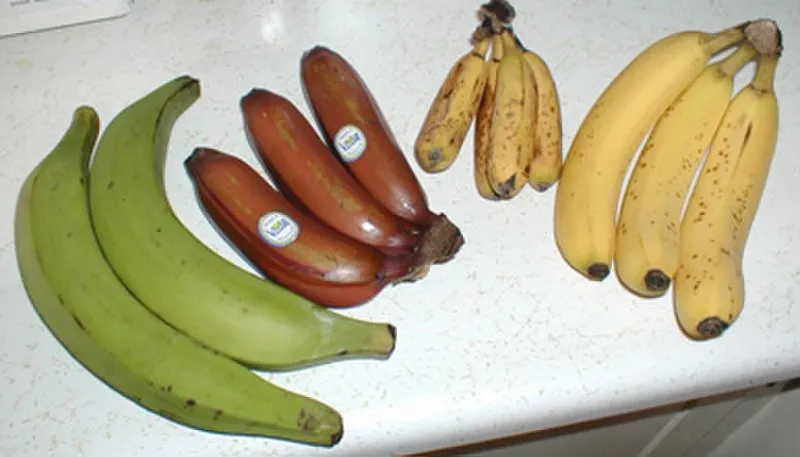
Banana
FruitTropical herbaceous plant (not a tree). A warmth-loving plant that does best between 22°C and 32°C, banana adapts well to tropical and subtropical conditions but cannot tolerate frost. Give it full sun (6-8 hours of direct light daily) and frequent watering — it is a thirsty plant that dislikes dry soil, and expect to harvest in roughly 270-365 days. Well worth the space it takes — a single productive plant can supply a household through the season.
Needs constant warmth, moisture, and feeding. Cut back after fruiting. Wait until soil warms to at least 22°C before transplanting outdoors — cold soil stunts growth and can invite root rot. Consistent moisture is critical. Mulch with straw or compost to retain soil moisture and keep roots cool during hot weather.
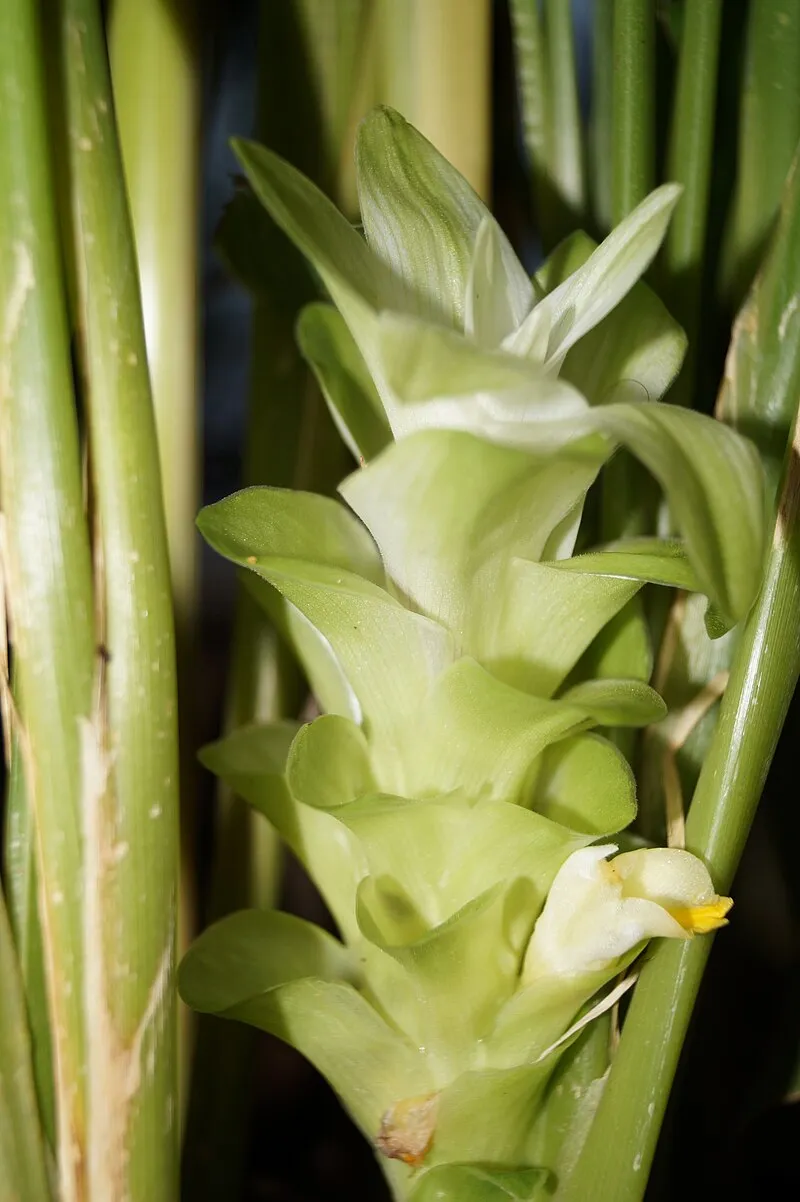
Turmeric
HerbGolden spice rhizome related to ginger. A warmth-loving plant that does best between 22°C and 30°C, turmeric adapts well to tropical and subtropical conditions but cannot tolerate frost. It needs partial shade, though it appreciates some direct light and regular watering to keep soil consistently moist — leaves are ready for picking in about 240-300 days. A kitchen essential that grows equally well on a sunny windowsill, a balcony pot, or a dedicated herb bed.
Similar growing needs to ginger. Harvest when leaves yellow. Wait until soil warms to at least 22°C before transplanting outdoors — cold soil stunts growth and can invite root rot. Aim for about 2.5 cm of water per week, adjusting for rainfall. Organic mulch around the base helps maintain even moisture.
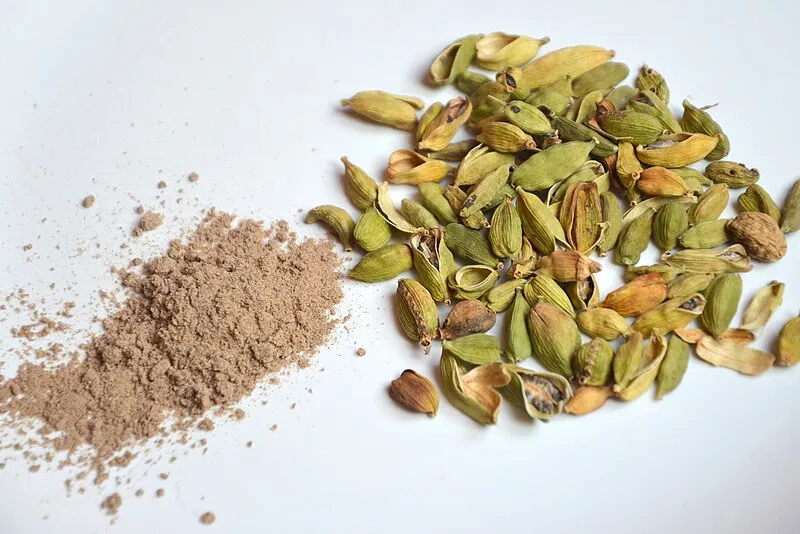
Cardamom
HerbExpensive tropical spice. A warmth-loving plant that does best between 22°C and 30°C, cardamom adapts well to tropical and subtropical conditions but cannot tolerate frost. It needs partial shade, though it appreciates some direct light and frequent watering — it is a thirsty plant that dislikes dry soil — leaves are ready for picking in about 730-1095 days. Valued in cuisines worldwide, it is easy to grow and rewards regular harvesting with bushier, more productive plants.
Needs shade, humidity, and warmth. Very slow to produce pods. Wait until soil warms to at least 22°C before transplanting outdoors — cold soil stunts growth and can invite root rot. Consistent moisture is critical. Mulch with straw or compost to retain soil moisture and keep roots cool during hot weather.
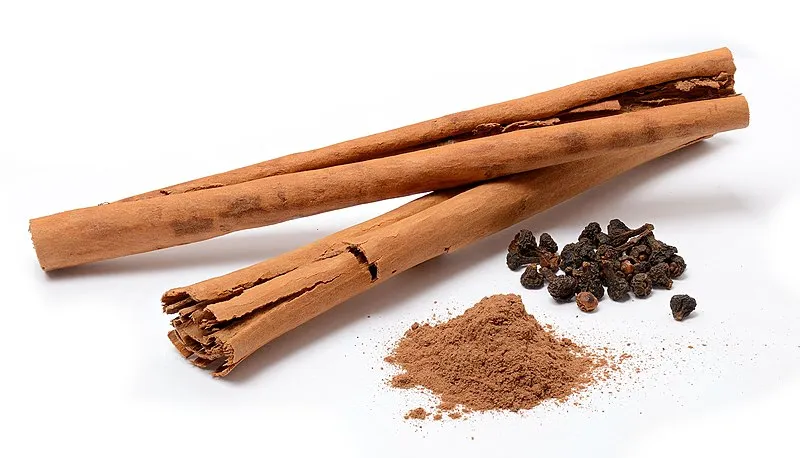
Cinnamon
HerbTropical tree -- the bark is harvested as the spice. A warmth-loving plant that does best between 24°C and 32°C, cinnamon adapts well to tropical and subtropical conditions but cannot tolerate frost. It needs full sun (6-8 hours of direct light daily) and regular watering to keep soil consistently moist — leaves are ready for picking in about 730-1095 days. Perfect for container gardens and small spaces — just place it where it gets adequate light and harvest as needed.
Grow from cuttings. Strip bark from 2-year-old branches. Wait until soil warms to at least 24°C before transplanting outdoors — cold soil stunts growth and can invite root rot. Aim for about 2.5 cm of water per week, adjusting for rainfall. Organic mulch around the base helps maintain even moisture.
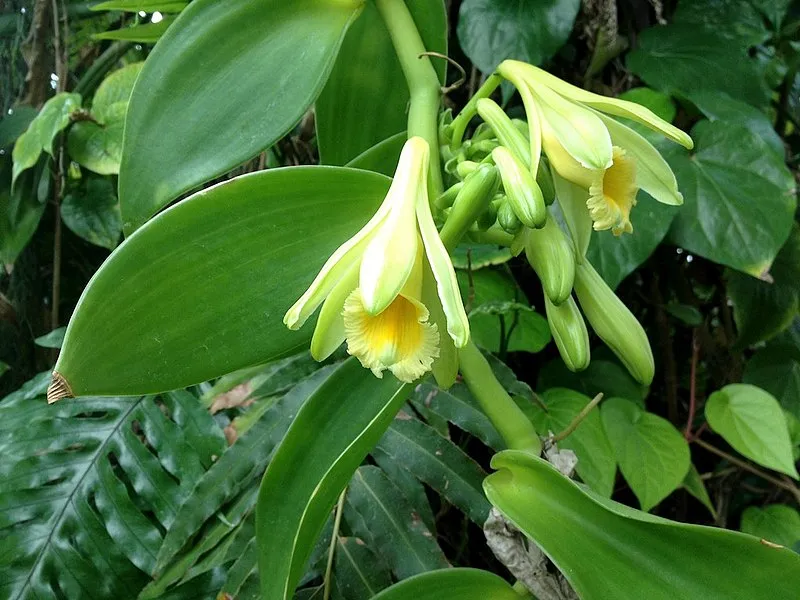
Vanilla
HerbTropical orchid vine. A warmth-loving plant that does best between 24°C and 30°C, vanilla adapts well to tropical and subtropical conditions but cannot tolerate frost. It needs partial shade, though it appreciates some direct light and regular watering to keep soil consistently moist — leaves are ready for picking in about 1095-1825 days. An aromatic addition to any garden, it dries and freezes well for year-round use in the kitchen.
Climbing orchid -- needs support. Hand-pollinate flowers. Wait until soil warms to at least 24°C before transplanting outdoors — cold soil stunts growth and can invite root rot. Aim for about 2.5 cm of water per week, adjusting for rainfall. Organic mulch around the base helps maintain even moisture.
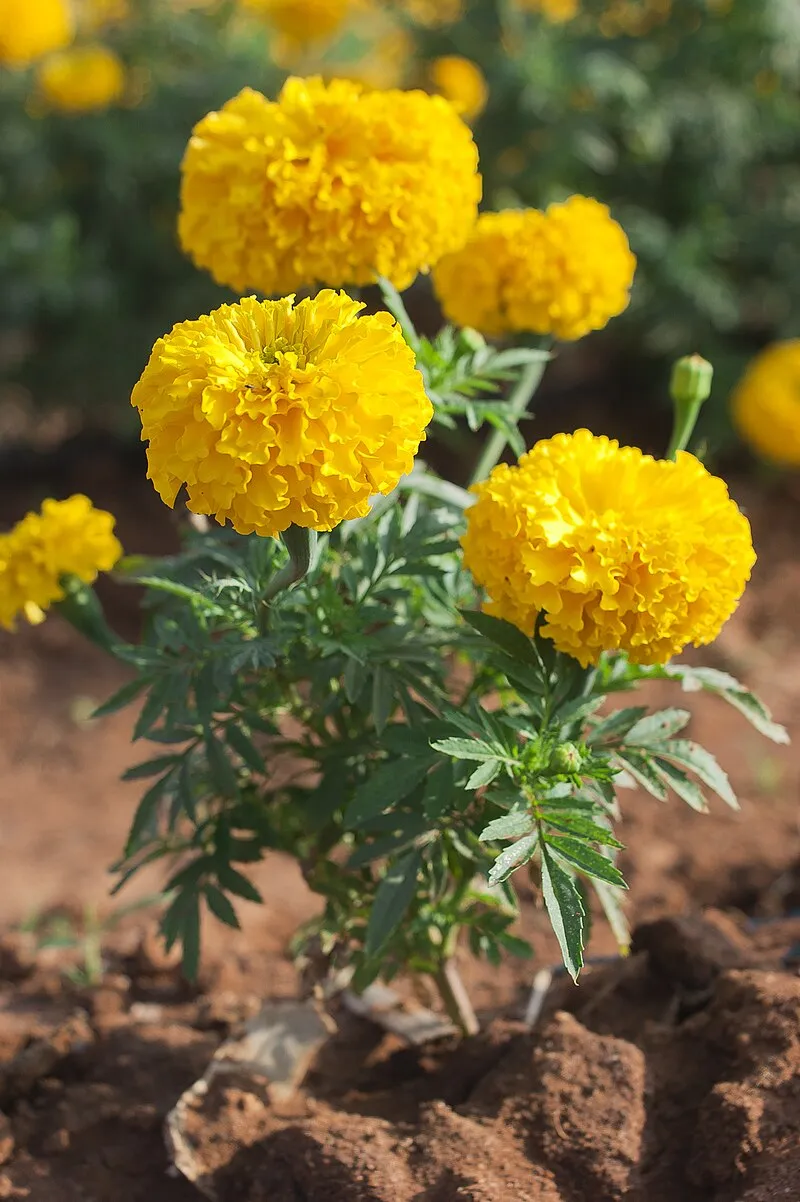
Marigold
FlowerCheerful annual that repels pests. A warmth-loving plant that does best between 18°C and 28°C, marigold adapts well to tropical and subtropical conditions but cannot tolerate frost. Plant in a spot with full sun (6-8 hours of direct light daily) and provide moderate, even watering throughout the growing season. Expect blooms in approximately 45-50 days. Adds colour and life to borders, beds, and containers from spring through autumn.
Deadhead spent flowers for continuous bloom. Plant near tomatoes. Wait until soil warms to at least 18°C before transplanting outdoors — cold soil stunts growth and can invite root rot. Water steadily but avoid soggy soil. A 5-cm layer of organic mulch helps balance moisture and suppress weeds.
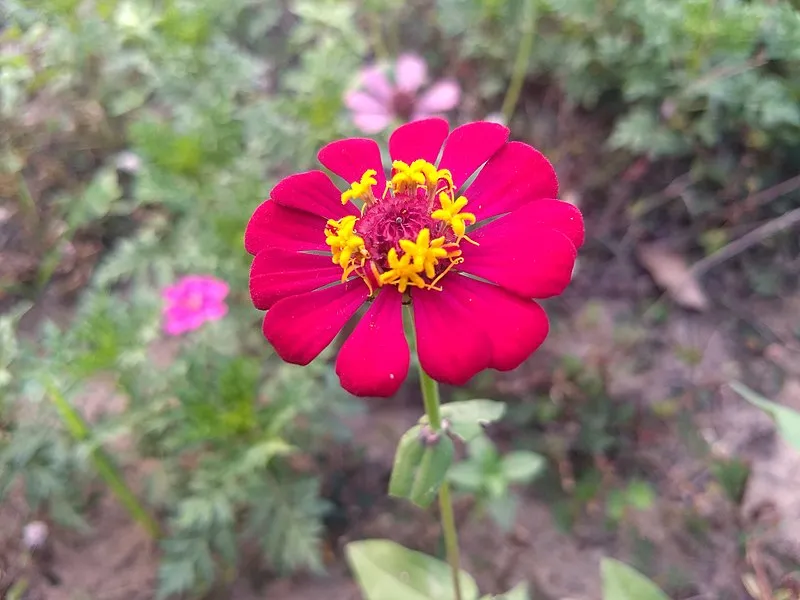
Zinnia
FlowerVibrant cut flower in every color. A warmth-loving plant that does best between 18°C and 28°C, zinnia adapts well to tropical and subtropical conditions but cannot tolerate frost. Plant in a spot with full sun (6-8 hours of direct light daily) and provide moderate, even watering throughout the growing season. Expect blooms in approximately 60-70 days. A magnet for pollinators, it supports bees, butterflies, and beneficial insects while brightening your garden.
Sow directly after frost. Space for air circulation to prevent mildew. Wait until soil warms to at least 18°C before transplanting outdoors — cold soil stunts growth and can invite root rot. Water steadily but avoid soggy soil. A 5-cm layer of organic mulch helps balance moisture and suppress weeds.
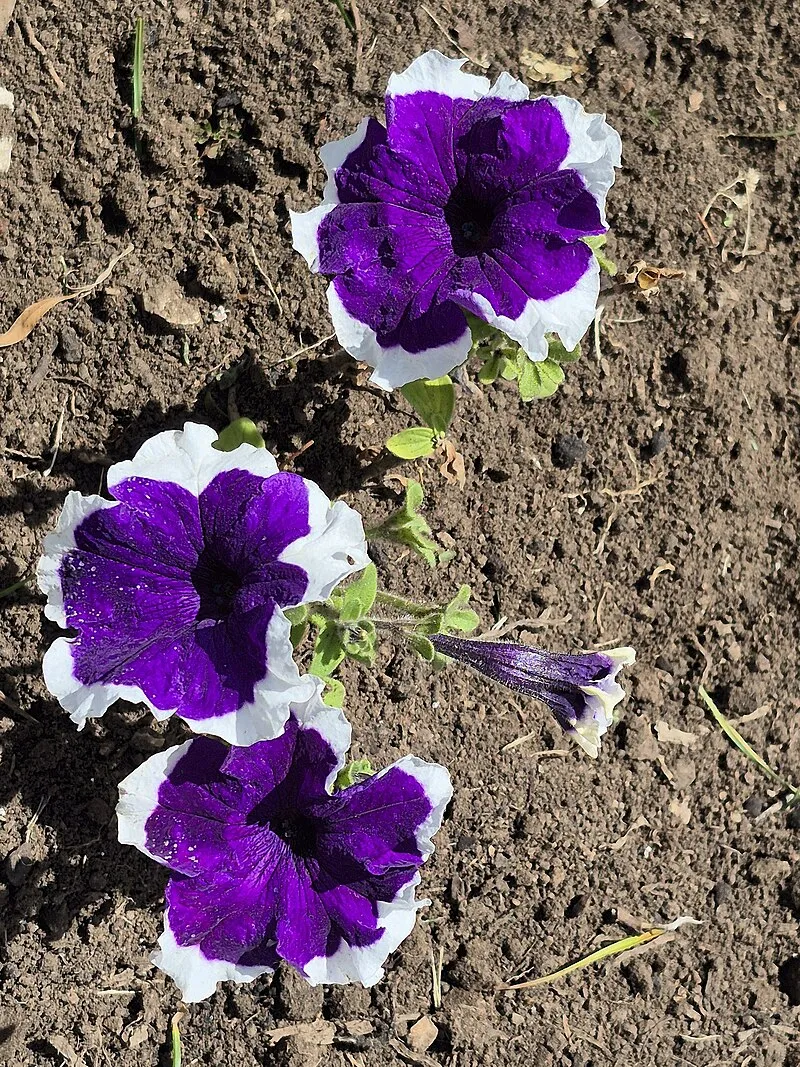
Petunia
FlowerProlific trailing annual. A warmth-loving plant that does best between 15°C and 25°C, petunia adapts well to tropical and subtropical conditions but cannot tolerate frost. Plant in a spot with full sun (6-8 hours of direct light daily) and provide regular watering to keep soil consistently moist. Expect blooms in approximately 55-70 days. Valued as much for its cut-flower potential as for its garden presence — stems last well in a vase.
Deadhead or use self-cleaning varieties. Feed weekly for best blooms. Wait until soil warms to at least 15°C before transplanting outdoors — cold soil stunts growth and can invite root rot. Aim for about 2.5 cm of water per week, adjusting for rainfall. Organic mulch around the base helps maintain even moisture.
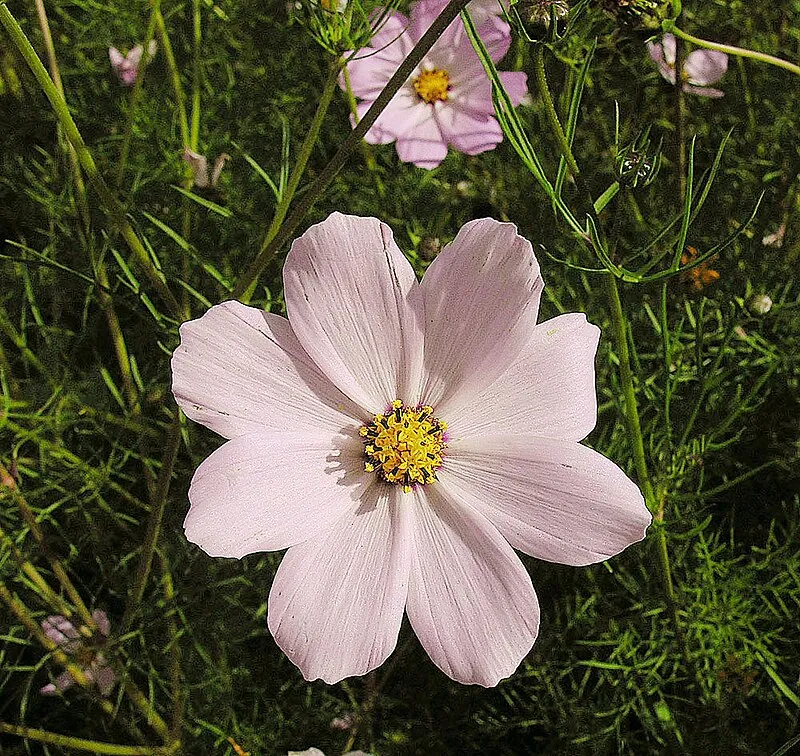
Cosmos
FlowerAiry, delicate flowers on tall stems. A warmth-loving plant that does best between 15°C and 28°C, cosmos adapts well to tropical and subtropical conditions but cannot tolerate frost. Plant in a spot with full sun (6-8 hours of direct light daily) and provide minimal watering — it prefers dry conditions between drinks. Expect blooms in approximately 50-60 days. A magnet for pollinators, it supports bees, butterflies, and beneficial insects while brightening your garden.
Direct sow. Thrives on neglect -- don't fertilize. Wait until soil warms to at least 15°C before transplanting outdoors — cold soil stunts growth and can invite root rot. Overwatering is the most common mistake. Let soil dry out between waterings and ensure drainage is excellent.
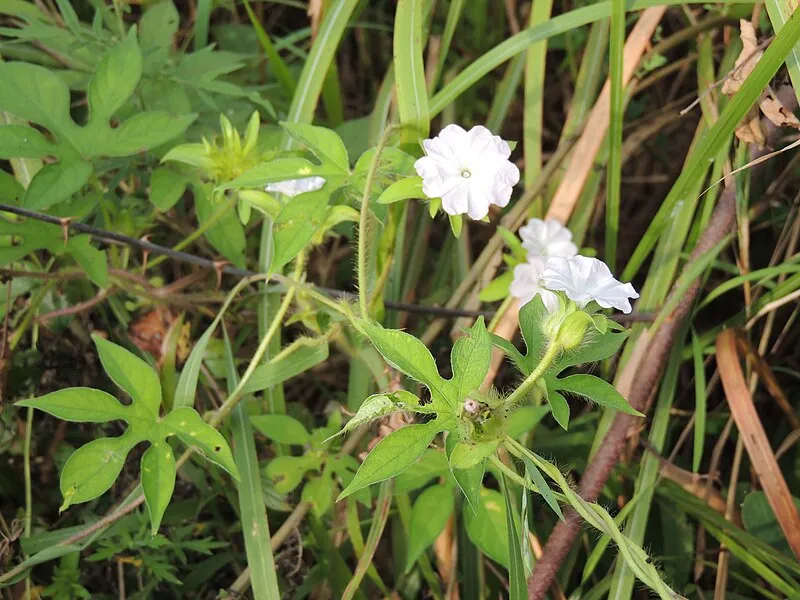
Morning Glory
FlowerFast-growing climbing vine with trumpet flowers that open each morning. A warmth-loving plant that does best between 18°C and 28°C, morning glory adapts well to tropical and subtropical conditions but cannot tolerate frost. Plant in a spot with full sun (6-8 hours of direct light daily) and provide moderate, even watering throughout the growing season. Expect blooms in approximately 60-90 days. Valued as much for its cut-flower potential as for its garden presence — stems last well in a vase.
Nick or soak seeds. Provide trellis. Wait until soil warms to at least 18°C before transplanting outdoors — cold soil stunts growth and can invite root rot. Water steadily but avoid soggy soil. A 5-cm layer of organic mulch helps balance moisture and suppress weeds.
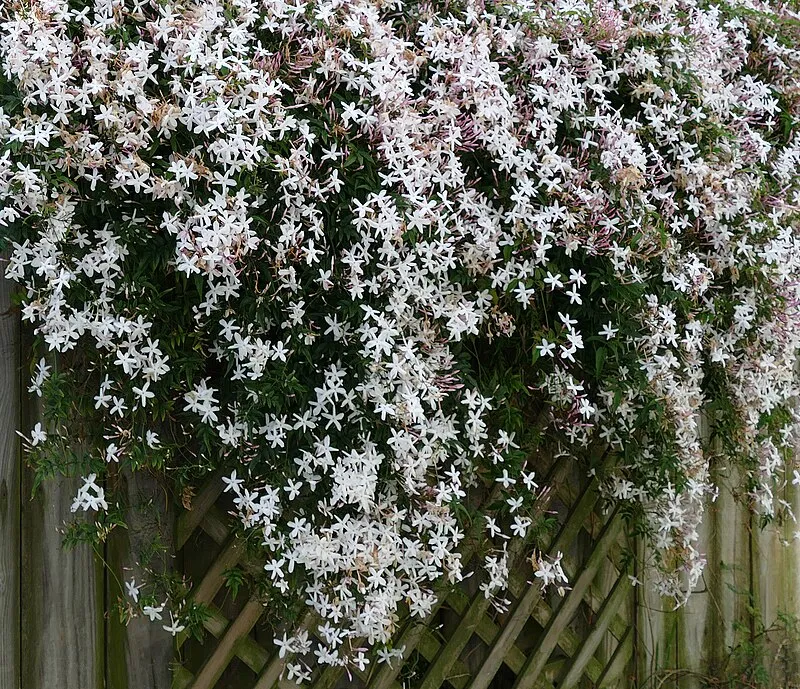
Jasmine
FlowerIntensely fragrant vine or shrub. A warmth-loving plant that does best between 18°C and 28°C, jasmine adapts well to tropical and subtropical conditions but cannot tolerate frost. Plant in a spot with full sun to partial shade and provide regular watering to keep soil consistently moist. Expect blooms in approximately 90-180 days. A magnet for pollinators, it supports bees, butterflies, and beneficial insects while brightening your garden.
Provide trellis for climbing types. Prune after flowering. Wait until soil warms to at least 18°C before transplanting outdoors — cold soil stunts growth and can invite root rot. Aim for about 2.5 cm of water per week, adjusting for rainfall. Organic mulch around the base helps maintain even moisture.
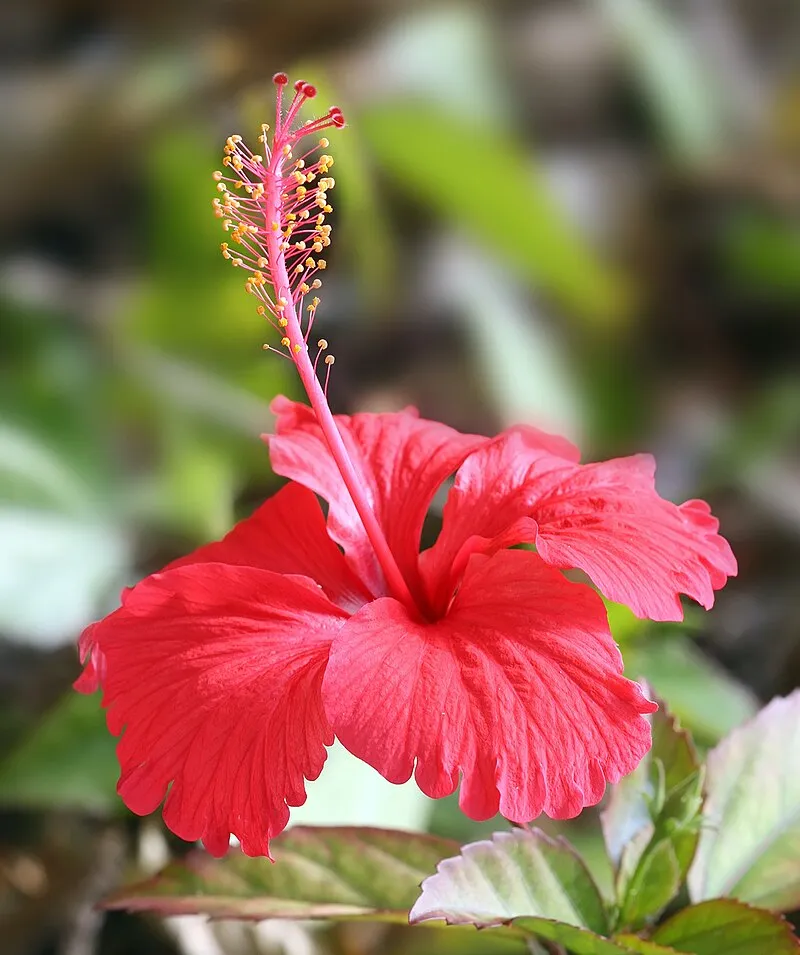
Hibiscus
FlowerTropical showstopper with dinner-plate sized flowers. A warmth-loving plant that does best between 20°C and 32°C, hibiscus adapts well to tropical and subtropical conditions but cannot tolerate frost. Plant in a spot with full sun (6-8 hours of direct light daily) and provide regular watering to keep soil consistently moist. Expect blooms in approximately 90-180 days. Works beautifully in mixed borders, cottage gardens, or standalone containers on patios and balconies.
Tropical types must come indoors in winter. Wait until soil warms to at least 20°C before transplanting outdoors — cold soil stunts growth and invites root rot. Wait until soil warms to at least 20°C before transplanting outdoors — cold soil stunts growth and can invite root rot. Aim for about 2.5 cm of water per week, adjusting for rainfall. Organic mulch around the base helps maintain even moisture.
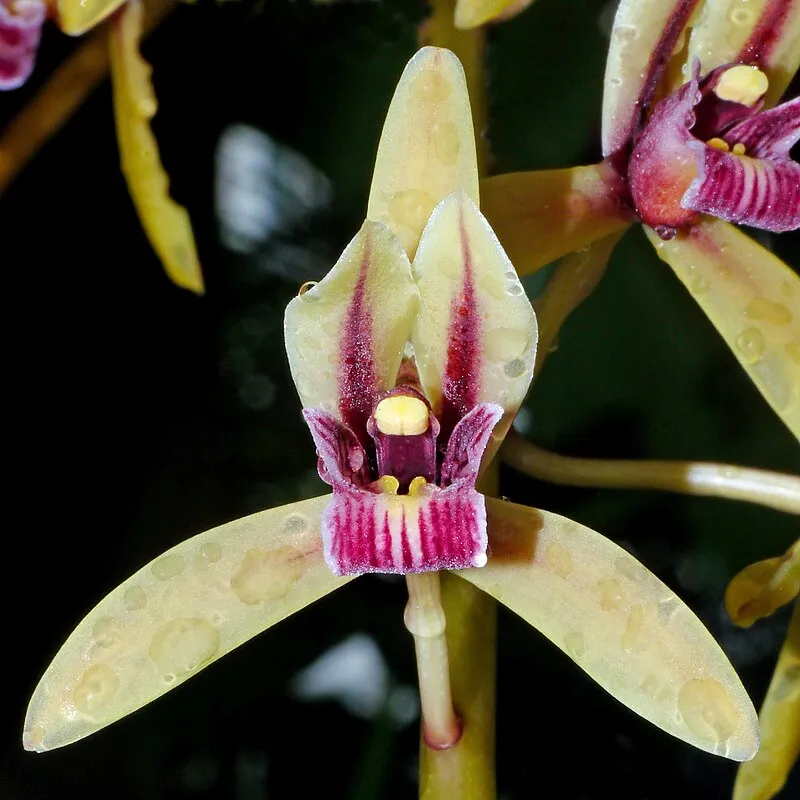
Orchid
FlowerExotic beauty. A warmth-loving plant that does best between 18°C and 28°C, orchid adapts well to tropical and subtropical conditions but cannot tolerate frost. Plant in a spot with partial shade, though it appreciates some direct light and provide minimal watering — it prefers dry conditions between drinks. Expect blooms in approximately 365-730 days. Valued as much for its cut-flower potential as for its garden presence — stems last well in a vase.
Don't overwater -- roots need air. Bright indirect light. Wait until soil warms to at least 18°C before transplanting outdoors — cold soil stunts growth and can invite root rot. Overwatering is the most common mistake. Let soil dry out between waterings and ensure drainage is excellent.
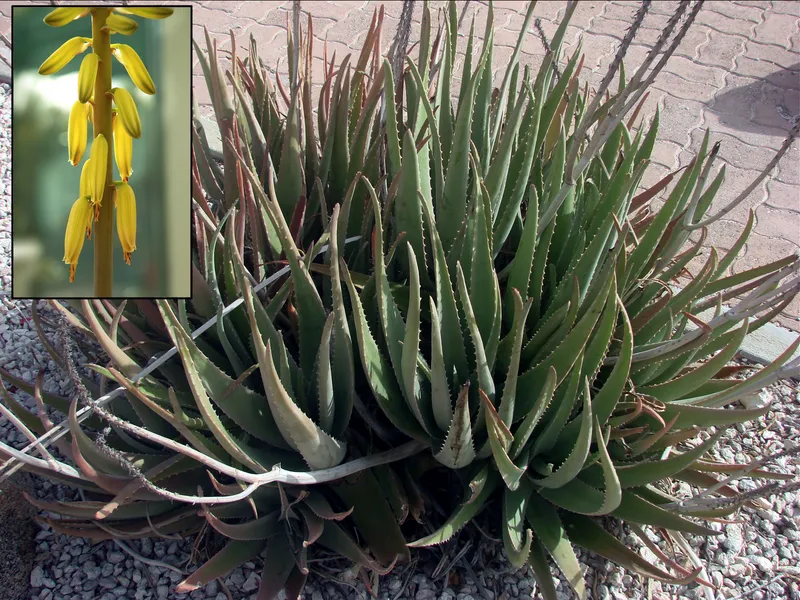
Aloe Vera
HerbMedicinal succulent. A warmth-loving plant that does best between 18°C and 30°C, aloe vera adapts well to tropical and subtropical conditions but cannot tolerate frost. It needs full sun (6-8 hours of direct light daily) and minimal watering — it prefers dry conditions between drinks — leaves are ready for picking in about 365-730 days. Fresh leaves from your own garden taste noticeably better than store-bought — and the plant practically grows itself.
Needs excellent drainage. Water sparingly. Wait until soil warms to at least 18°C before transplanting outdoors — cold soil stunts growth and can invite root rot. Overwatering is the most common mistake. Let soil dry out between waterings and ensure drainage is excellent.
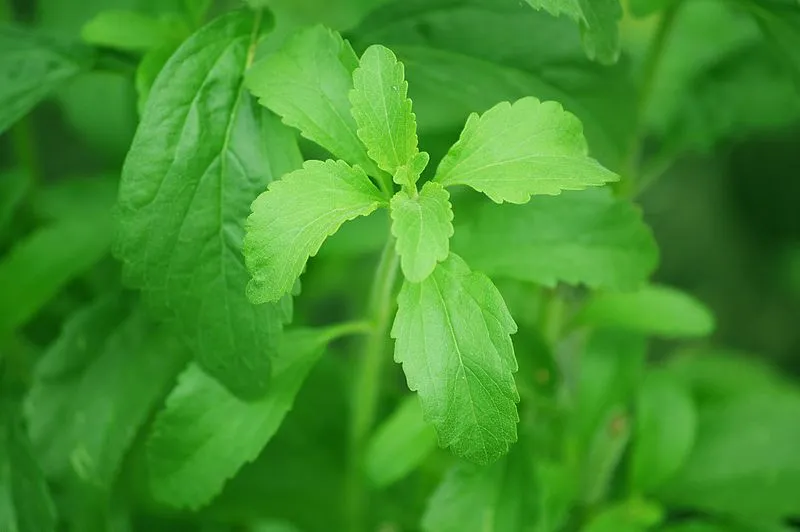
Stevia
HerbNatural sweetener plant -- leaves are 30x sweeter than sugar. A warmth-loving plant that does best between 18°C and 28°C, stevia adapts well to tropical and subtropical conditions but cannot tolerate frost. It needs full sun (6-8 hours of direct light daily) and regular watering to keep soil consistently moist — leaves are ready for picking in about 60-90 days. Perfect for container gardens and small spaces — just place it where it gets adequate light and harvest as needed.
Harvest leaves before flowering for best sweetness. Wait until soil warms to at least 18°C before transplanting outdoors — cold soil stunts growth and invites root rot. Wait until soil warms to at least 18°C before transplanting outdoors — cold soil stunts growth and can invite root rot. Aim for about 2.5 cm of water per week, adjusting for rainfall. Organic mulch around the base helps maintain even moisture.
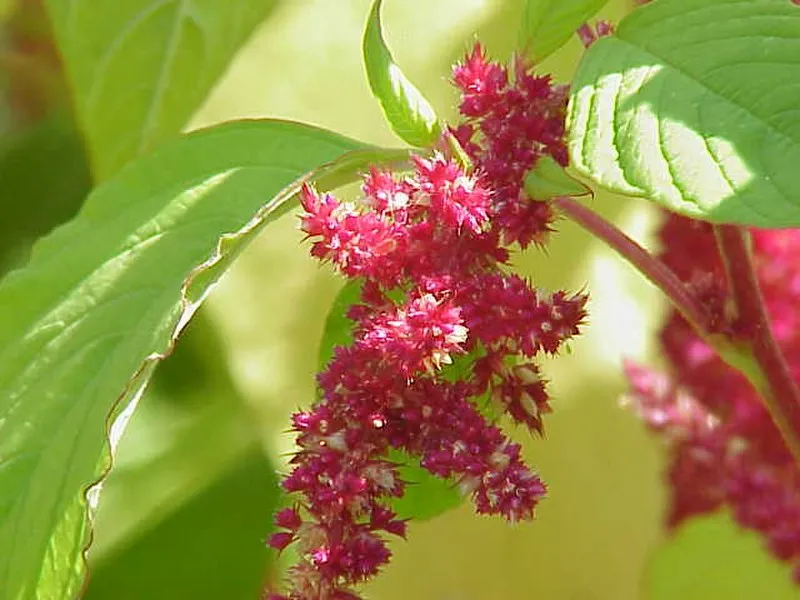
Amaranth
GrainAncient grain with nutritious seeds and edible leaves. A warmth-loving plant that does best between 20°C and 30°C, amaranth adapts well to tropical and subtropical conditions but cannot tolerate frost. Requires full sun (6-8 hours of direct light daily) with moderate, even watering throughout the growing season. Plan for about 90-120 days from planting to maturity. An adaptable plant that performs well across a wide range of garden settings and growing conditions.
Direct sow after last frost. Drought-tolerant once established. Wait until soil warms to at least 20°C before transplanting outdoors — cold soil stunts growth and can invite root rot. Water steadily but avoid soggy soil. A 5-cm layer of organic mulch helps balance moisture and suppress weeds.
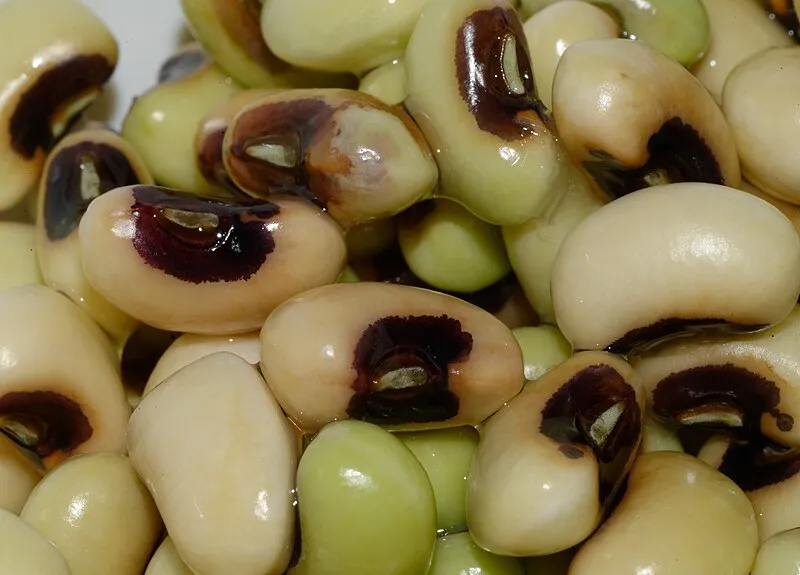
Black-Eyed Pea
VegetableHeat-loving legume that fixes nitrogen in soil. A warmth-loving plant that does best between 22°C and 32°C, black-eyed pea adapts well to tropical and subtropical conditions but cannot tolerate frost. Give it full sun (6-8 hours of direct light daily) and moderate, even watering throughout the growing season, and expect to harvest in roughly 60-90 days. An excellent choice for beginner and experienced gardeners alike, thanks to its forgiving growing habits.
Direct sow after soil warms. Drought-tolerant once established. Wait until soil warms to at least 22°C before transplanting outdoors — cold soil stunts growth and can invite root rot. Water steadily but avoid soggy soil. A 5-cm layer of organic mulch helps balance moisture and suppress weeds.
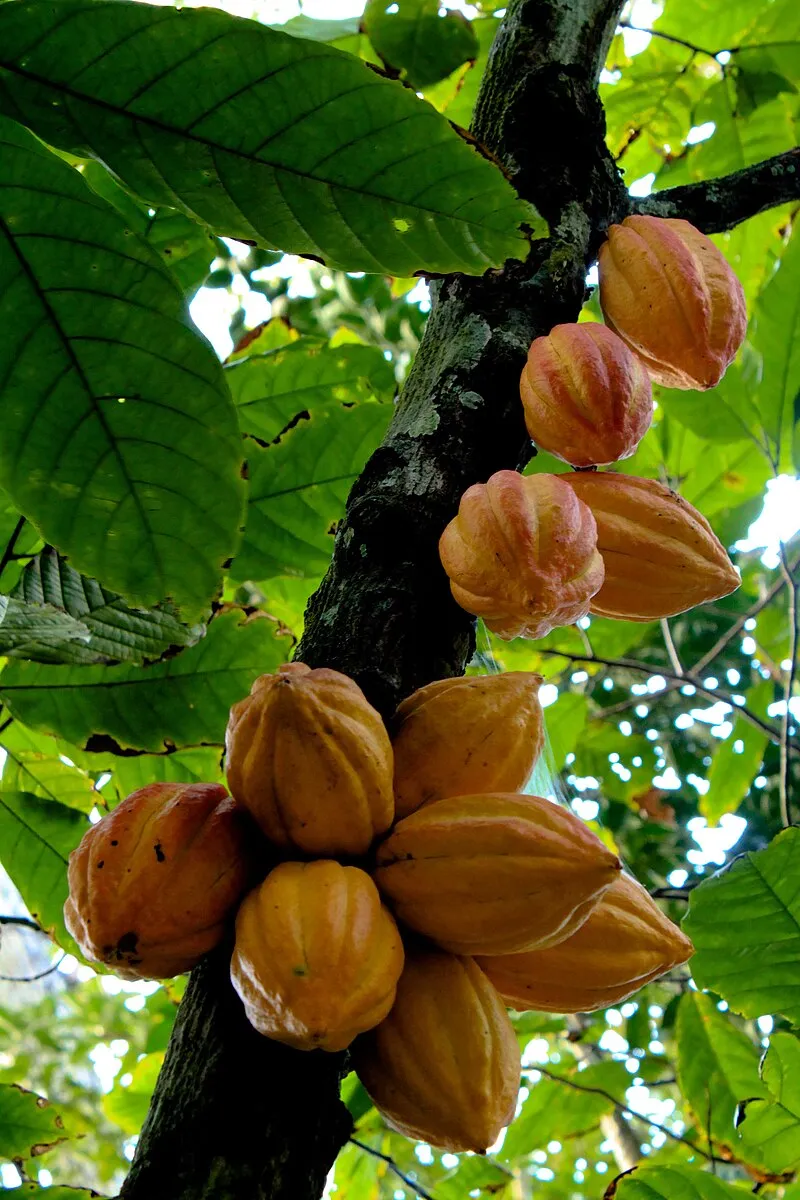
Cacao
FruitSource of chocolate. A warmth-loving plant that does best between 24°C and 30°C, cacao adapts well to tropical and subtropical conditions but cannot tolerate frost. Give it partial shade, though it appreciates some direct light and frequent watering — it is a thirsty plant that dislikes dry soil, and expect to harvest in roughly 1095-1825 days. Patience pays off — once established, it produces reliably season after season with proper care.
Needs constant warmth, humidity, and shade. Only viable in true tropical climates. Wait until soil warms to at least 24°C before transplanting outdoors — cold soil stunts growth and can invite root rot. Consistent moisture is critical. Mulch with straw or compost to retain soil moisture and keep roots cool during hot weather.
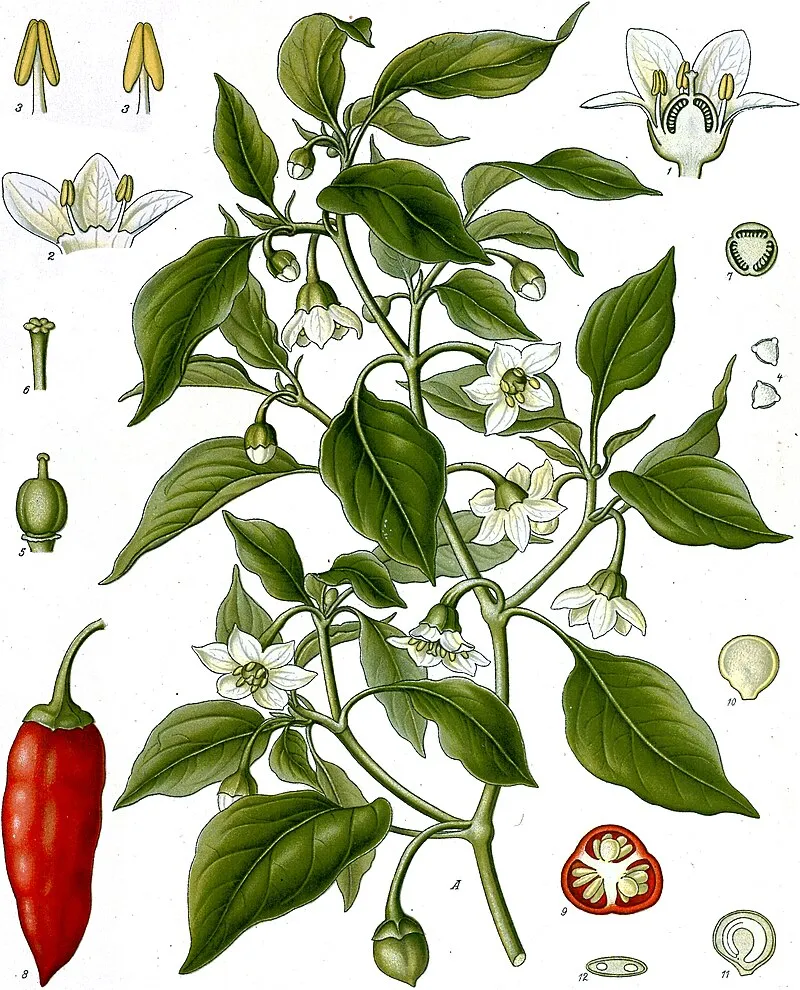
Cayenne Pepper
SpiceFiery hot pepper dried and ground into cayenne powder. A warmth-loving plant that does best between 22°C and 32°C, cayenne pepper adapts well to tropical and subtropical conditions but cannot tolerate frost. It needs full sun (6-8 hours of direct light daily) and moderate, even watering throughout the growing season — leaves are ready for picking in about 70-100 days. Fresh leaves from your own garden taste noticeably better than store-bought — and the plant practically grows itself.
Start indoors 10 weeks early. Let peppers turn full red before picking. Wait until soil warms to at least 22°C before transplanting outdoors — cold soil stunts growth and can invite root rot. Water steadily but avoid soggy soil. A 5-cm layer of organic mulch helps balance moisture and suppress weeds.
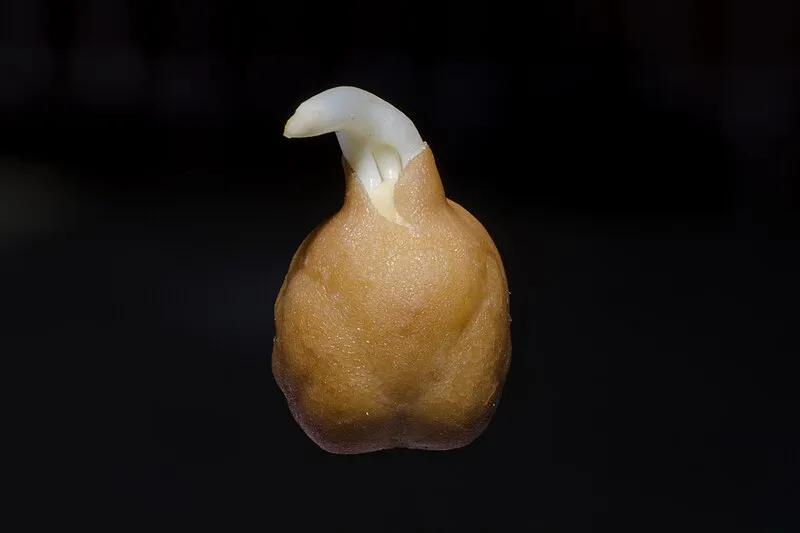
Chickpea
GrainAncient legume for hummus and curries. A warmth-loving plant that does best between 15°C and 28°C, chickpea adapts well to tropical and subtropical conditions but cannot tolerate frost. Requires full sun (6-8 hours of direct light daily) with minimal watering — it prefers dry conditions between drinks. Plan for about 90-120 days from planting to maturity. An adaptable plant that performs well across a wide range of garden settings and growing conditions.
Needs long warm season. Drought-tolerant. Wait until soil warms to at least 15°C before transplanting outdoors — cold soil stunts growth and can invite root rot. Overwatering is the most common mistake. Let soil dry out between waterings and ensure drainage is excellent.
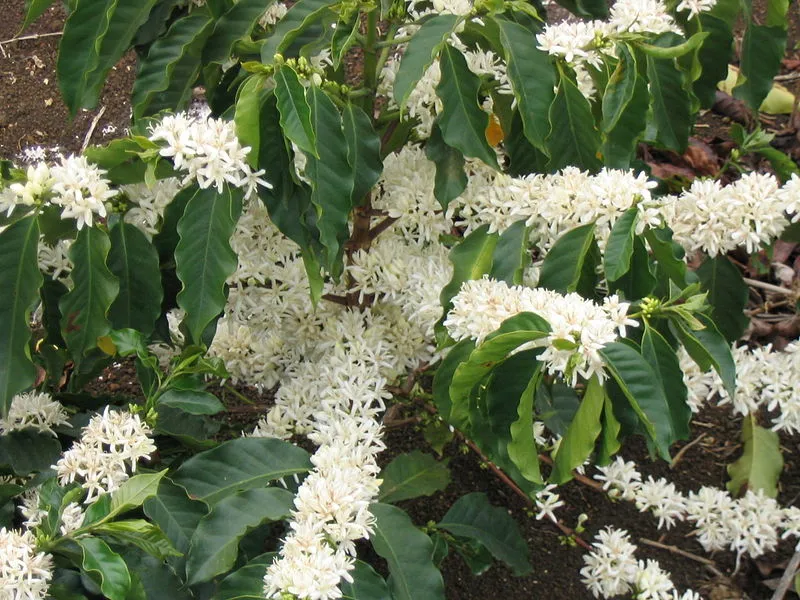
Coffee Plant
FruitTropical shrub producing coffee cherries. A warmth-loving plant that does best between 20°C and 28°C, coffee plant adapts well to tropical and subtropical conditions but cannot tolerate frost. Give it partial shade, though it appreciates some direct light and regular watering to keep soil consistently moist, and expect to harvest in roughly 1095-1460 days. Well worth the space it takes — a single productive plant can supply a household through the season.
Needs consistent warmth and humidity. Grows well indoors near bright window. Wait until soil warms to at least 20°C before transplanting outdoors — cold soil stunts growth and can invite root rot. Aim for about 2.5 cm of water per week, adjusting for rainfall. Organic mulch around the base helps maintain even moisture.
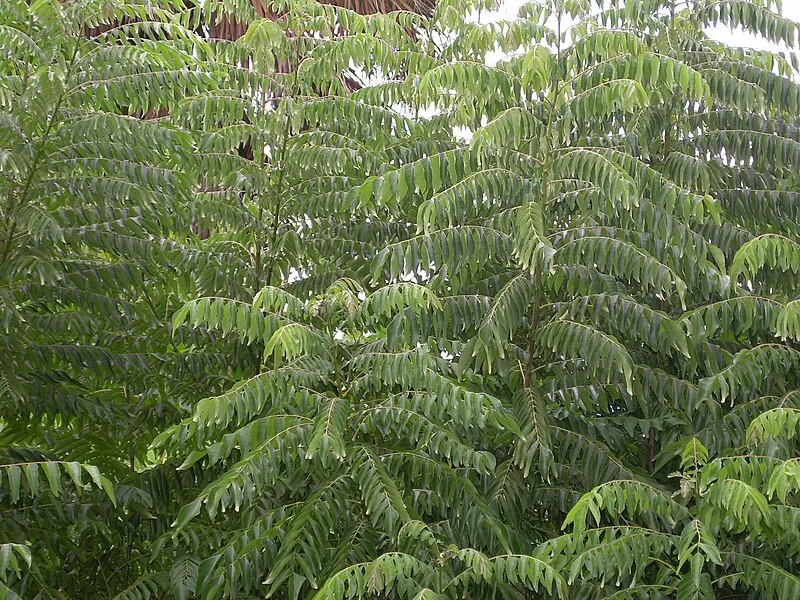
Curry Leaf
HerbEssential herb in South Indian cuisine. A warmth-loving plant that does best between 20°C and 32°C, curry leaf adapts well to tropical and subtropical conditions but cannot tolerate frost. It needs full sun (6-8 hours of direct light daily) and regular watering to keep soil consistently moist — leaves are ready for picking in about 365-730 days. Perfect for container gardens and small spaces — just place it where it gets adequate light and harvest as needed.
Bring indoors in winter. Use fresh leaves -- dried lose flavor. Wait until soil warms to at least 20°C before transplanting outdoors — cold soil stunts growth and can invite root rot. Aim for about 2.5 cm of water per week, adjusting for rainfall. Organic mulch around the base helps maintain even moisture.
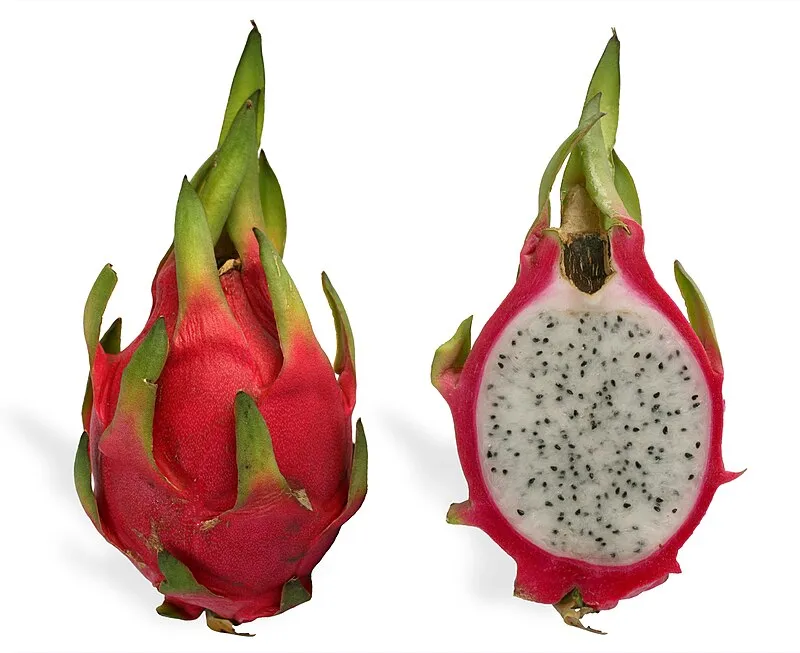
Dragon Fruit
FruitStunning cactus fruit with pink skin and speckled flesh. A warmth-loving plant that does best between 22°C and 32°C, dragon fruit adapts well to tropical and subtropical conditions but cannot tolerate frost. Give it full sun (6-8 hours of direct light daily) and moderate, even watering throughout the growing season, and expect to harvest in roughly 365-730 days. Well worth the space it takes — a single productive plant can supply a household through the season.
Needs strong trellis. Self-pollinate for better yields. Wait until soil warms to at least 22°C before transplanting outdoors — cold soil stunts growth and can invite root rot. Water steadily but avoid soggy soil. A 5-cm layer of organic mulch helps balance moisture and suppress weeds.
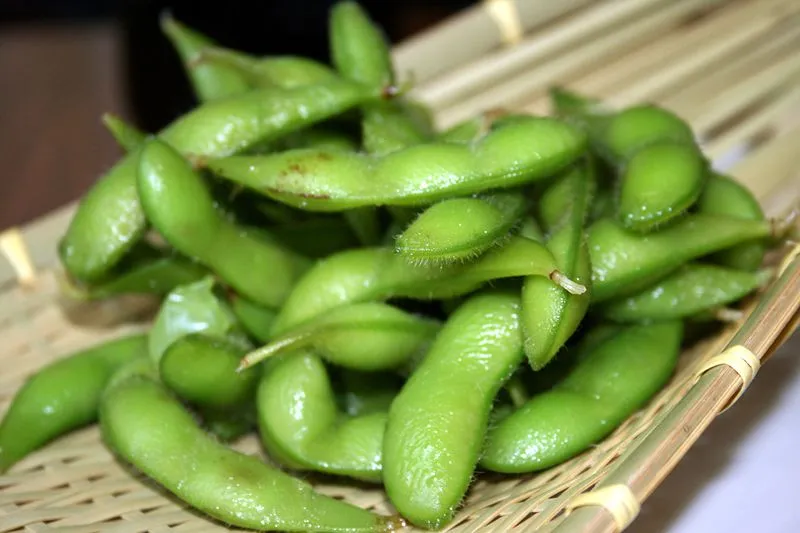
Edamame
VegetableYoung green soybeans. A warmth-loving plant that does best between 20°C and 30°C, edamame adapts well to tropical and subtropical conditions but cannot tolerate frost. Give it full sun (6-8 hours of direct light daily) and regular watering to keep soil consistently moist, and expect to harvest in roughly 80-100 days. A staple of kitchen gardens and allotments, it rewards even first-time growers with a generous harvest.
Harvest when pods are plump but still green. Bush varieties don't need staking. Wait until soil warms to at least 20°C before transplanting outdoors — cold soil stunts growth and can invite root rot. Aim for about 2.5 cm of water per week, adjusting for rainfall. Organic mulch around the base helps maintain even moisture.
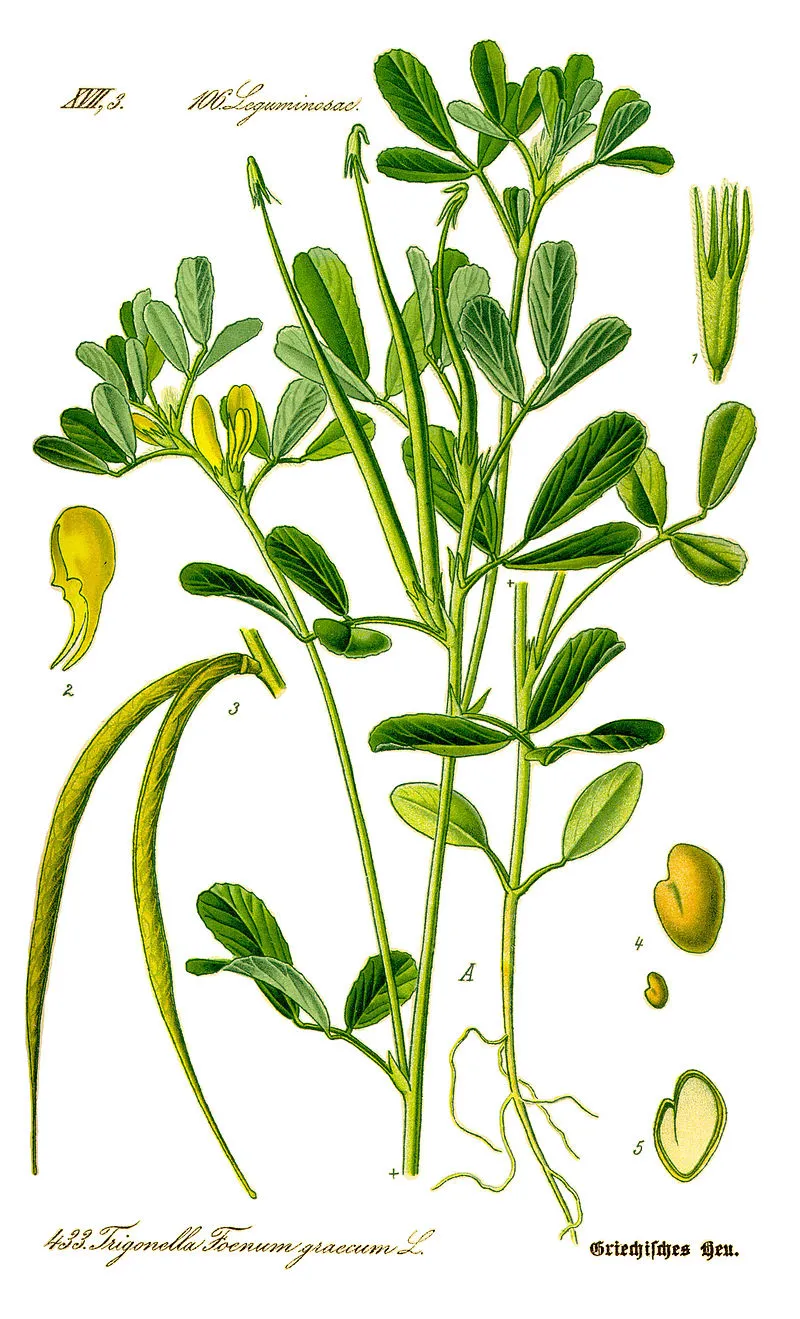
Fenugreek
HerbHerb with maple-scented leaves and seeds. A warmth-loving plant that does best between 15°C and 28°C, fenugreek adapts well to tropical and subtropical conditions but cannot tolerate frost. It needs full sun (6-8 hours of direct light daily) and moderate, even watering throughout the growing season — leaves are ready for picking in about 60-90 days. An aromatic addition to any garden, it dries and freezes well for year-round use in the kitchen.
Direct sow. Both leaves (methi) and seeds are used. Wait until soil warms to at least 15°C before transplanting outdoors — cold soil stunts growth and can invite root rot. Water steadily but avoid soggy soil. A 5-cm layer of organic mulch helps balance moisture and suppress weeds.
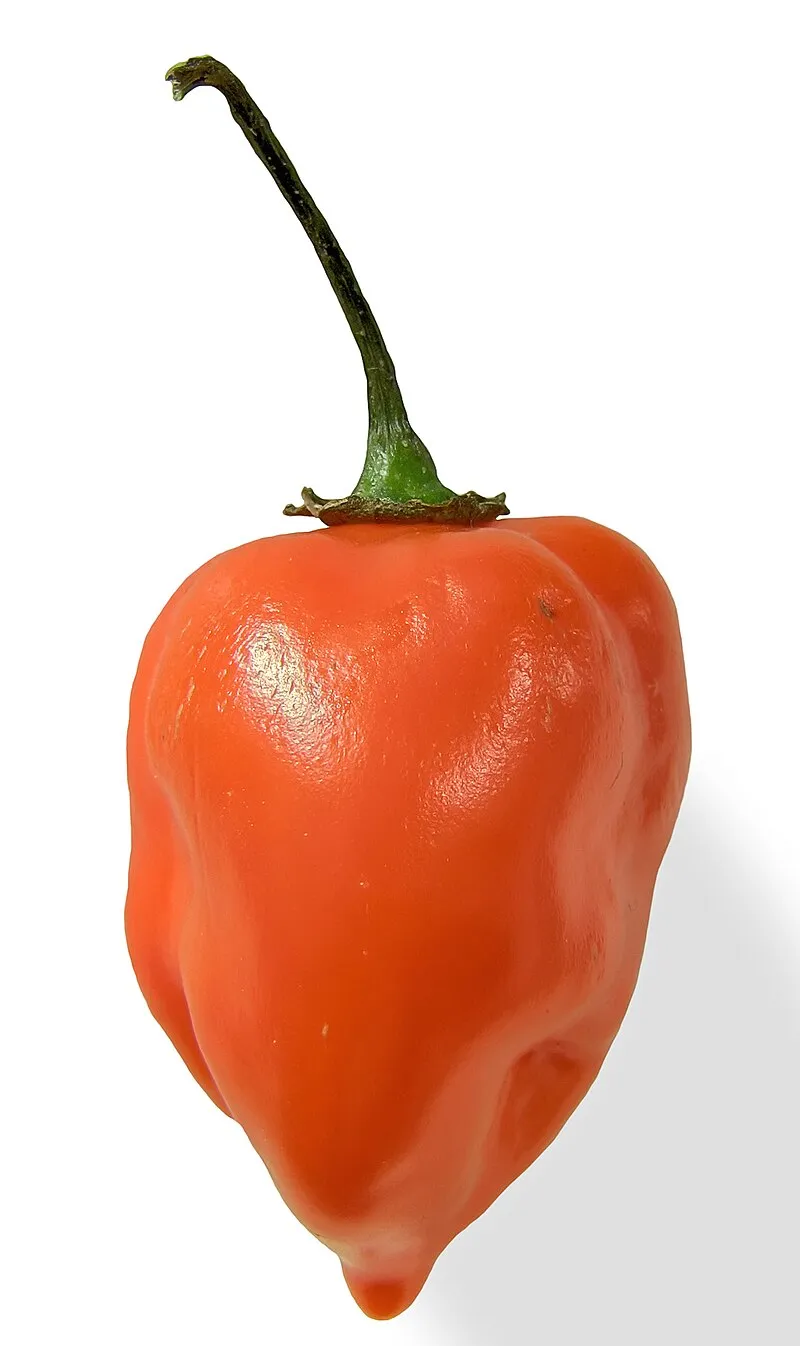
Habanero
SpiceExtremely hot pepper (100,000-350,000 Scoville). A warmth-loving plant that does best between 24°C and 34°C, habanero adapts well to tropical and subtropical conditions but cannot tolerate frost. It needs full sun (6-8 hours of direct light daily) and moderate, even watering throughout the growing season — leaves are ready for picking in about 90-120 days. An aromatic addition to any garden, it dries and freezes well for year-round use in the kitchen.
Start indoors 12 weeks early. Wear gloves when handling. Wait until soil warms to at least 24°C before transplanting outdoors — cold soil stunts growth and can invite root rot. Water steadily but avoid soggy soil. A 5-cm layer of organic mulch helps balance moisture and suppress weeds.
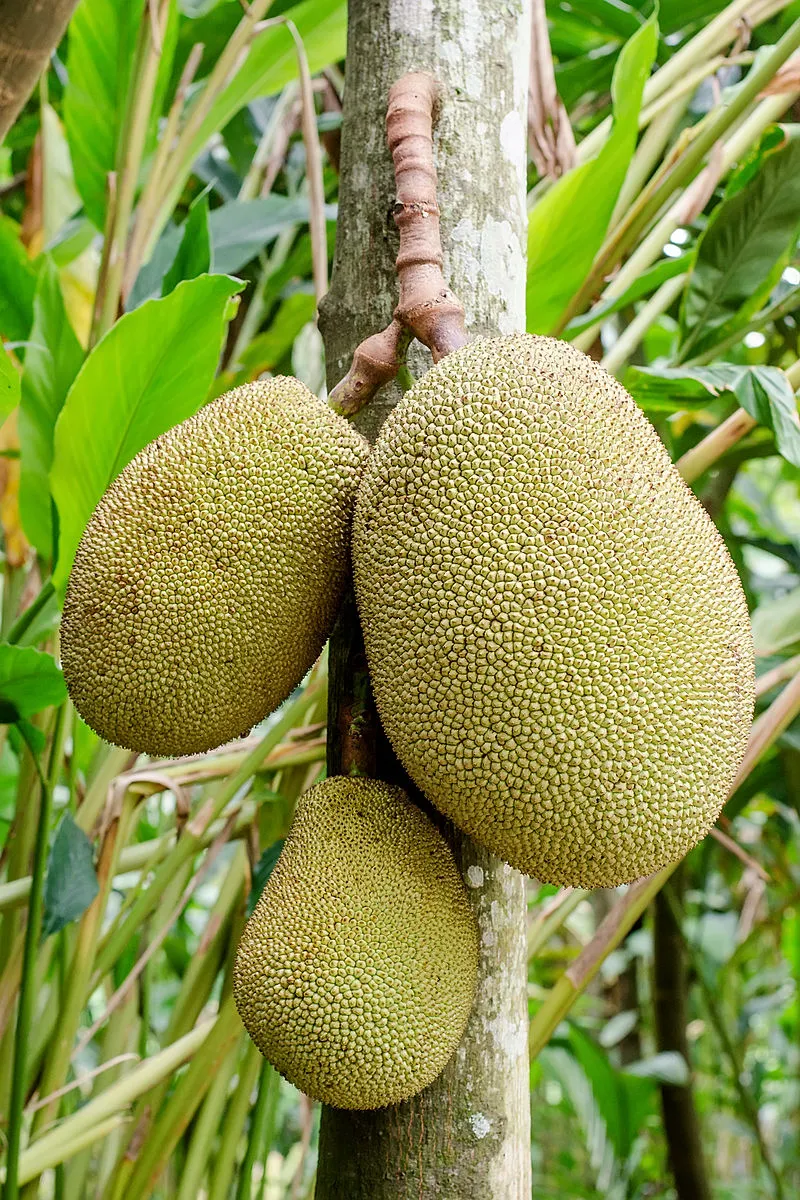
Jackfruit
FruitLargest tree fruit in the world -- can weigh 35kg. A warmth-loving plant that does best between 24°C and 32°C, jackfruit adapts well to tropical and subtropical conditions but cannot tolerate frost. Give it full sun (6-8 hours of direct light daily) and regular watering to keep soil consistently moist, and expect to harvest in roughly 1095-1825 days. A favourite of home orchardists and fruit gardeners, it can be trained, pruned, and shaped to fit most spaces.
Strictly tropical. Large tree -- needs space. Wait until soil warms to at least 24°C before transplanting outdoors — cold soil stunts growth and can invite root rot. Aim for about 2.5 cm of water per week, adjusting for rainfall. Organic mulch around the base helps maintain even moisture.
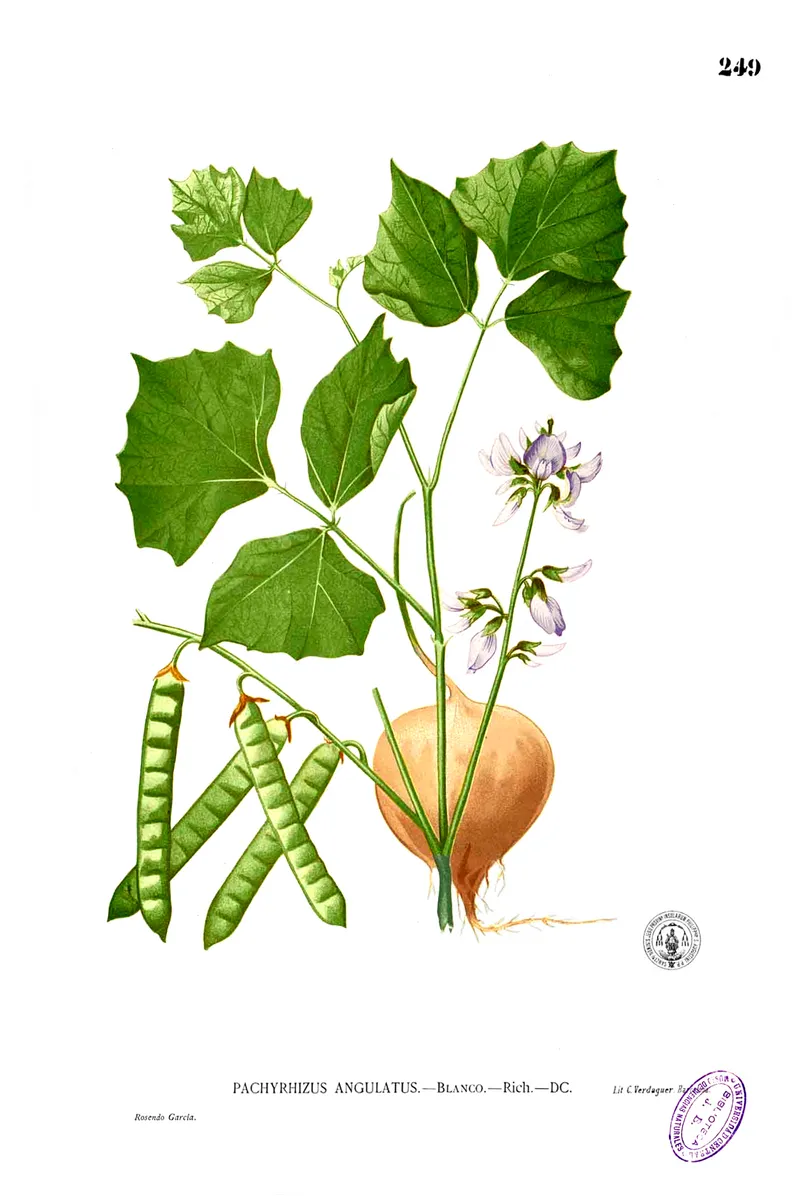
Jicama
VegetableCrispy, sweet root vegetable eaten raw in salads. A warmth-loving plant that does best between 22°C and 30°C, jicama adapts well to tropical and subtropical conditions but cannot tolerate frost. Give it full sun (6-8 hours of direct light daily) and regular watering to keep soil consistently moist, and expect to harvest in roughly 120-180 days. An excellent choice for beginner and experienced gardeners alike, thanks to its forgiving growing habits.
Only the root is edible -- seeds, leaves, and pods are toxic. Needs 5+ months warmth. Wait until soil warms to at least 22°C before transplanting outdoors — cold soil stunts growth and can invite root rot. Aim for about 2.5 cm of water per week, adjusting for rainfall. Organic mulch around the base helps maintain even moisture.
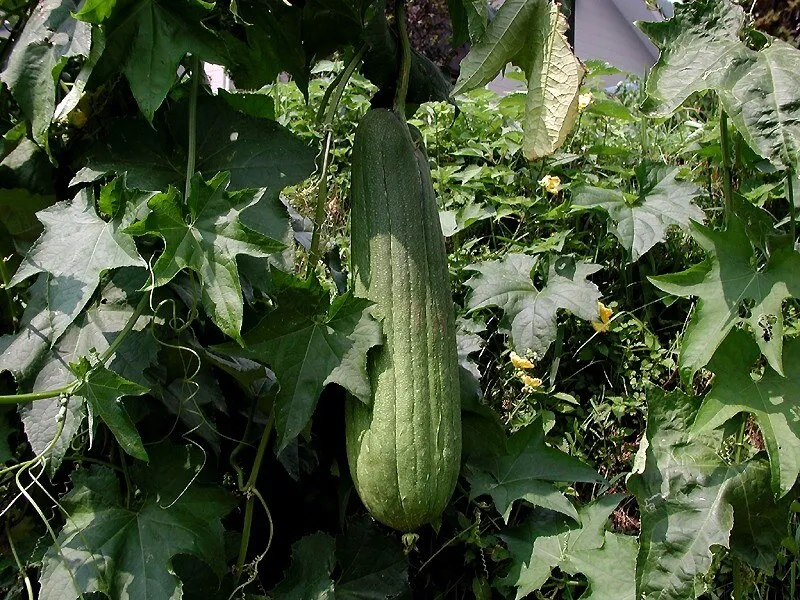
Luffa
VegetableTropical gourd -- eat young like zucchini, or dry for natural sponges. A warmth-loving plant that does best between 22°C and 32°C, luffa adapts well to tropical and subtropical conditions but cannot tolerate frost. Give it full sun (6-8 hours of direct light daily) and regular watering to keep soil consistently moist, and expect to harvest in roughly 90-120 days. An excellent choice for beginner and experienced gardeners alike, thanks to its forgiving growing habits.
Needs long warm season (150+ days). Strong trellis required. Wait until soil warms to at least 22°C before transplanting outdoors — cold soil stunts growth and can invite root rot. Aim for about 2.5 cm of water per week, adjusting for rainfall. Organic mulch around the base helps maintain even moisture.
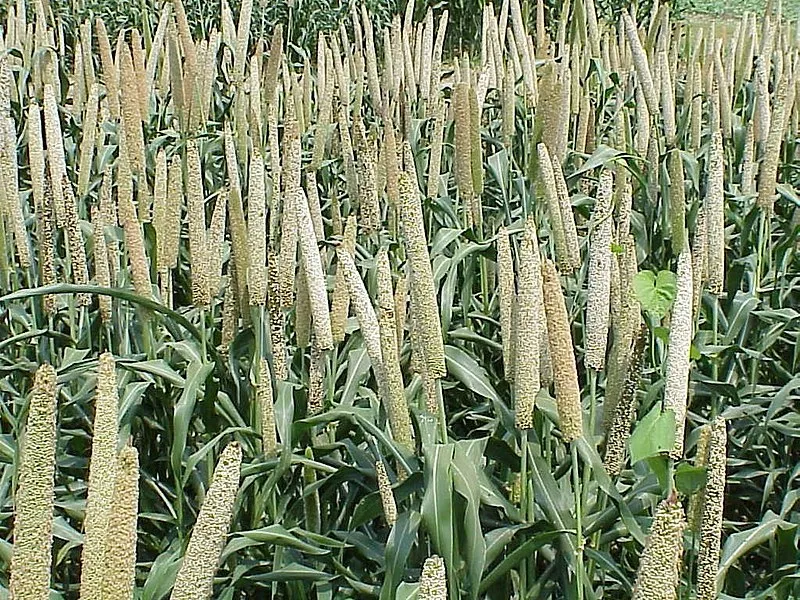
Millet
GrainAncient drought-tolerant grain. A warmth-loving plant that does best between 22°C and 32°C, millet adapts well to tropical and subtropical conditions but cannot tolerate frost. Requires full sun (6-8 hours of direct light daily) with minimal watering — it prefers dry conditions between drinks. Plan for about 60-90 days from planting to maturity. Well suited to home cultivation, it thrives with basic care and rewards consistent attention.
Extremely drought-tolerant. Grows in poor soil. Wait until soil warms to at least 22°C before transplanting outdoors — cold soil stunts growth and can invite root rot. Overwatering is the most common mistake. Let soil dry out between waterings and ensure drainage is excellent.
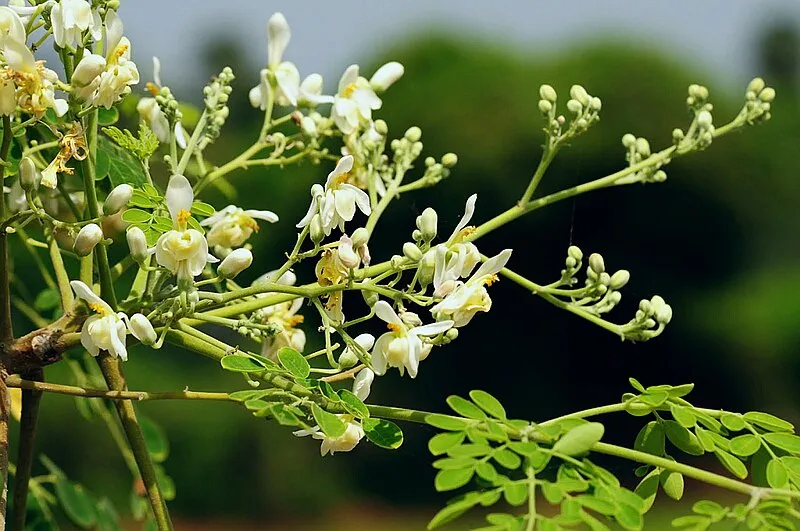
Moringa
VegetableMiracle tree -- leaves are incredibly nutritious. A warmth-loving plant that does best between 24°C and 35°C, moringa adapts well to tropical and subtropical conditions but cannot tolerate frost. Give it full sun (6-8 hours of direct light daily) and minimal watering — it prefers dry conditions between drinks, and expect to harvest in roughly 90-180 days. Whether grown in raised beds, containers, or traditional plots, it produces well across a range of climates.
Grows from cuttings or seeds. Drought-tolerant. Wait until soil warms to at least 24°C before transplanting outdoors — cold soil stunts growth and can invite root rot. Overwatering is the most common mistake. Let soil dry out between waterings and ensure drainage is excellent.
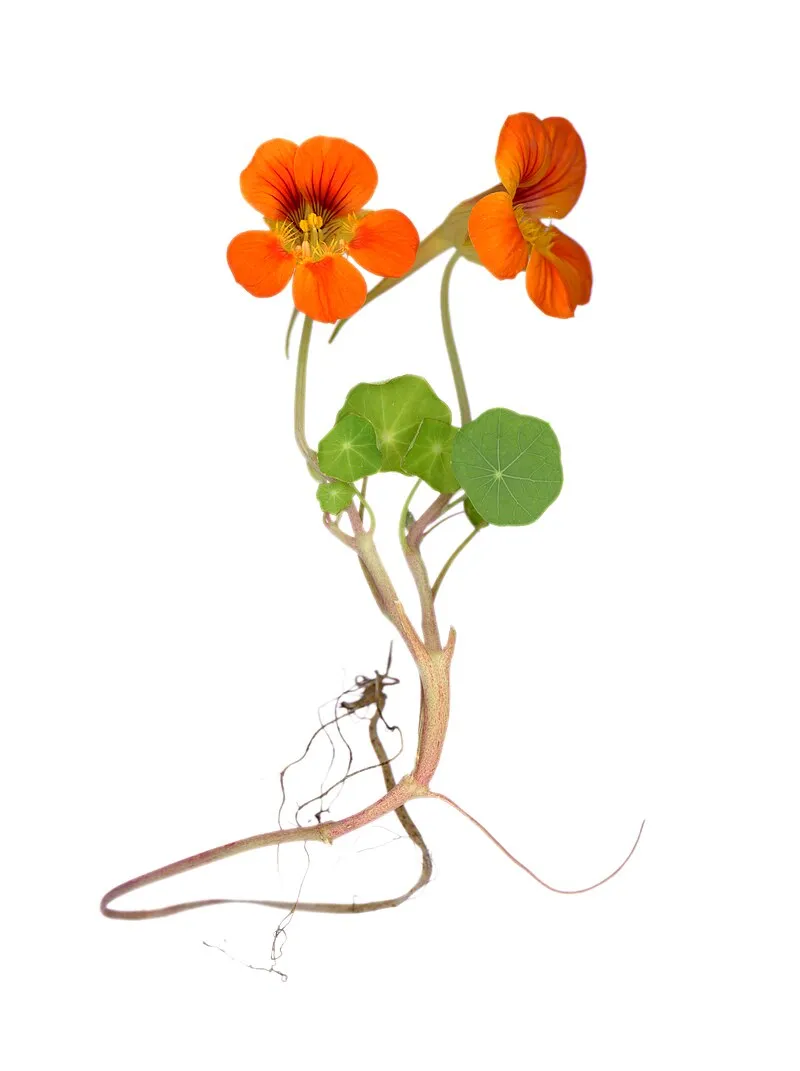
Nasturtium
FlowerEdible flower with peppery flavor. A warmth-loving plant that does best between 15°C and 25°C, nasturtium adapts well to tropical and subtropical conditions but cannot tolerate frost. Plant in a spot with full sun to partial shade and provide minimal watering — it prefers dry conditions between drinks. Expect blooms in approximately 35-52 days. An easy way to add dramatic colour to any garden, with minimal maintenance once established.
Poor soil produces more flowers. Seeds are large and easy for kids. Wait until soil warms to at least 15°C before transplanting outdoors — cold soil stunts growth and can invite root rot. Overwatering is the most common mistake. Let soil dry out between waterings and ensure drainage is excellent.
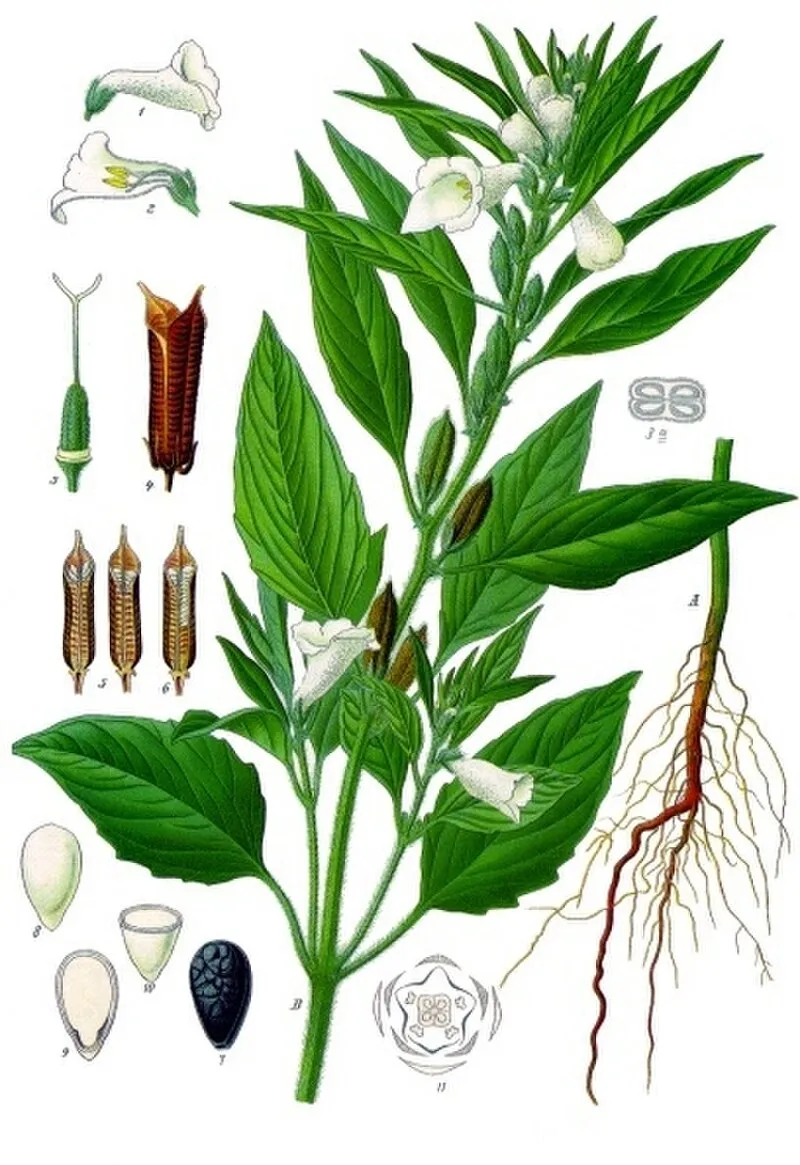
Sesame
GrainAncient oilseed crop producing tiny, flavorful seeds. A warmth-loving plant that does best between 22°C and 32°C, sesame adapts well to tropical and subtropical conditions but cannot tolerate frost. Requires full sun (6-8 hours of direct light daily) with minimal watering — it prefers dry conditions between drinks. Plan for about 90-120 days from planting to maturity. Well suited to home cultivation, it thrives with basic care and rewards consistent attention.
Needs long hot season. Harvest when lower pods start to open. Wait until soil warms to at least 22°C before transplanting outdoors — cold soil stunts growth and can invite root rot. Overwatering is the most common mistake. Let soil dry out between waterings and ensure drainage is excellent.
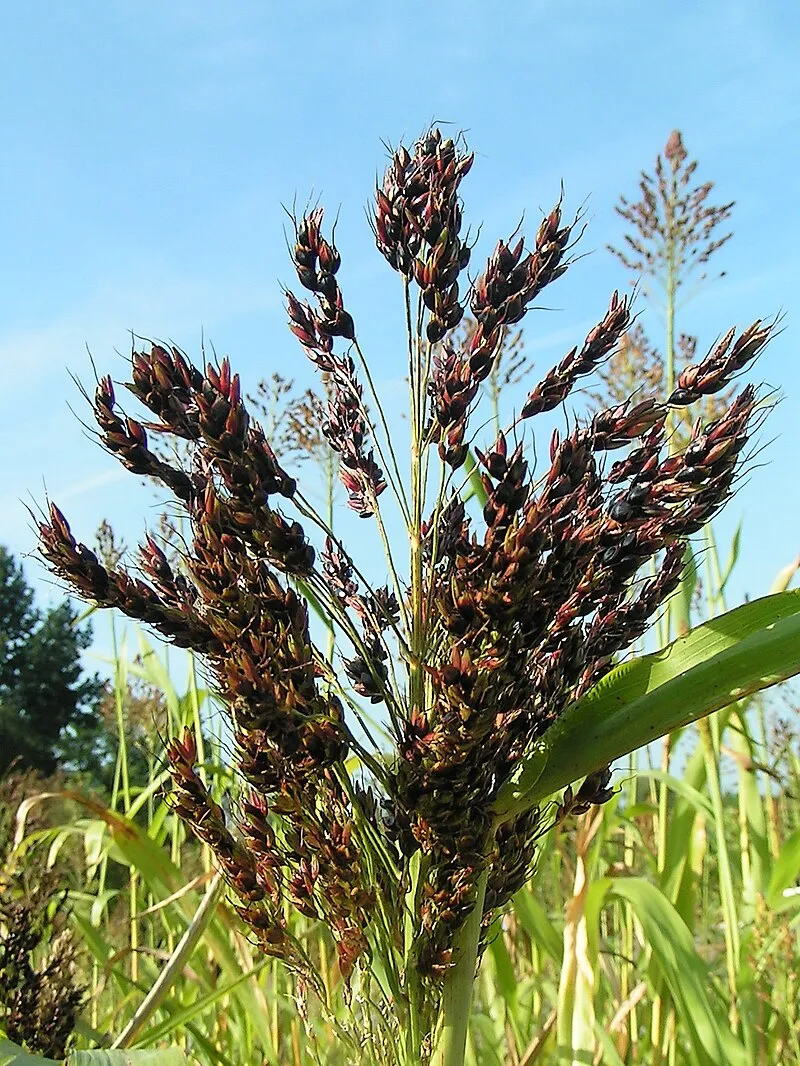
Sorghum
GrainHeat and drought-tolerant grain. A warmth-loving plant that does best between 22°C and 32°C, sorghum adapts well to tropical and subtropical conditions but cannot tolerate frost. Requires full sun (6-8 hours of direct light daily) with minimal watering — it prefers dry conditions between drinks. Plan for about 90-120 days from planting to maturity. A worthwhile addition to any garden, combining low maintenance with satisfying results.
More drought-tolerant than corn. Direct sow when soil is warm. Wait until soil warms to at least 22°C before transplanting outdoors — cold soil stunts growth and can invite root rot. Overwatering is the most common mistake. Let soil dry out between waterings and ensure drainage is excellent.
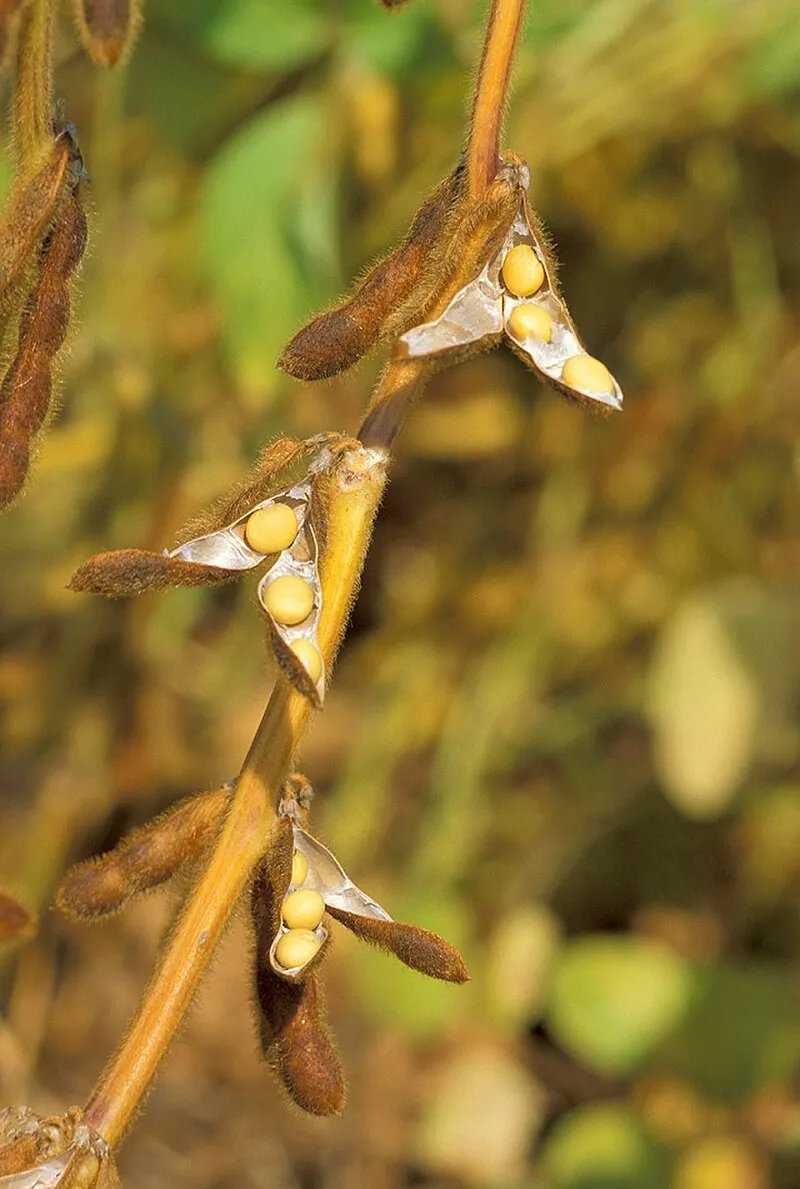
Soybean
GrainWorld's most important legume. A warmth-loving plant that does best between 20°C and 30°C, soybean adapts well to tropical and subtropical conditions but cannot tolerate frost. Requires full sun (6-8 hours of direct light daily) with regular watering to keep soil consistently moist. Plan for about 80-120 days from planting to maturity. With straightforward growing requirements, it is accessible to gardeners of all experience levels.
Inoculate seeds with nitrogen-fixing bacteria. Bush types don't need support. Wait until soil warms to at least 20°C before transplanting outdoors — cold soil stunts growth and can invite root rot. Aim for about 2.5 cm of water per week, adjusting for rainfall. Organic mulch around the base helps maintain even moisture.
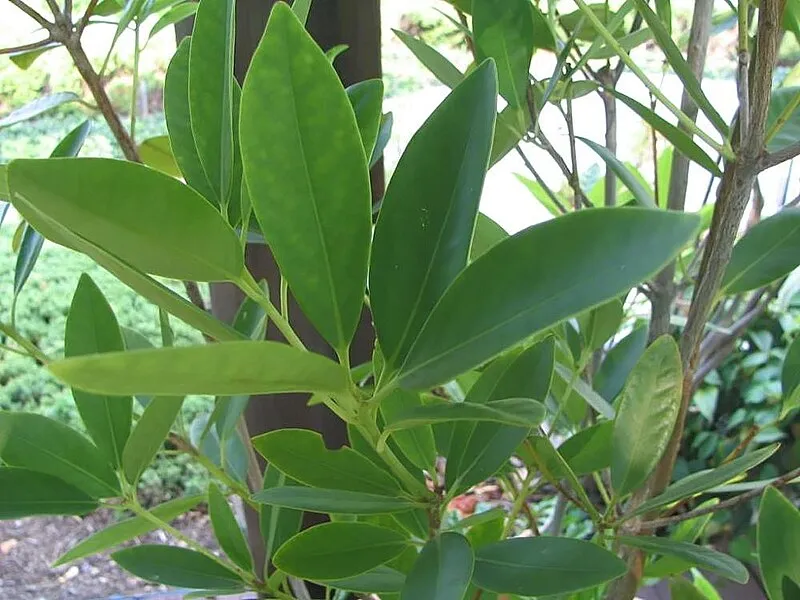
Star Anise
SpiceTropical evergreen tree producing star-shaped spice pods. A warmth-loving plant that does best between 20°C and 30°C, star anise adapts well to tropical and subtropical conditions but cannot tolerate frost. It needs full sun to partial shade and regular watering to keep soil consistently moist — leaves are ready for picking in about 1825-2555 days. A kitchen essential that grows equally well on a sunny windowsill, a balcony pot, or a dedicated herb bed.
Very slow to produce. Tropical/subtropical only. Wait until soil warms to at least 20°C before transplanting outdoors — cold soil stunts growth and can invite root rot. Aim for about 2.5 cm of water per week, adjusting for rainfall. Organic mulch around the base helps maintain even moisture.
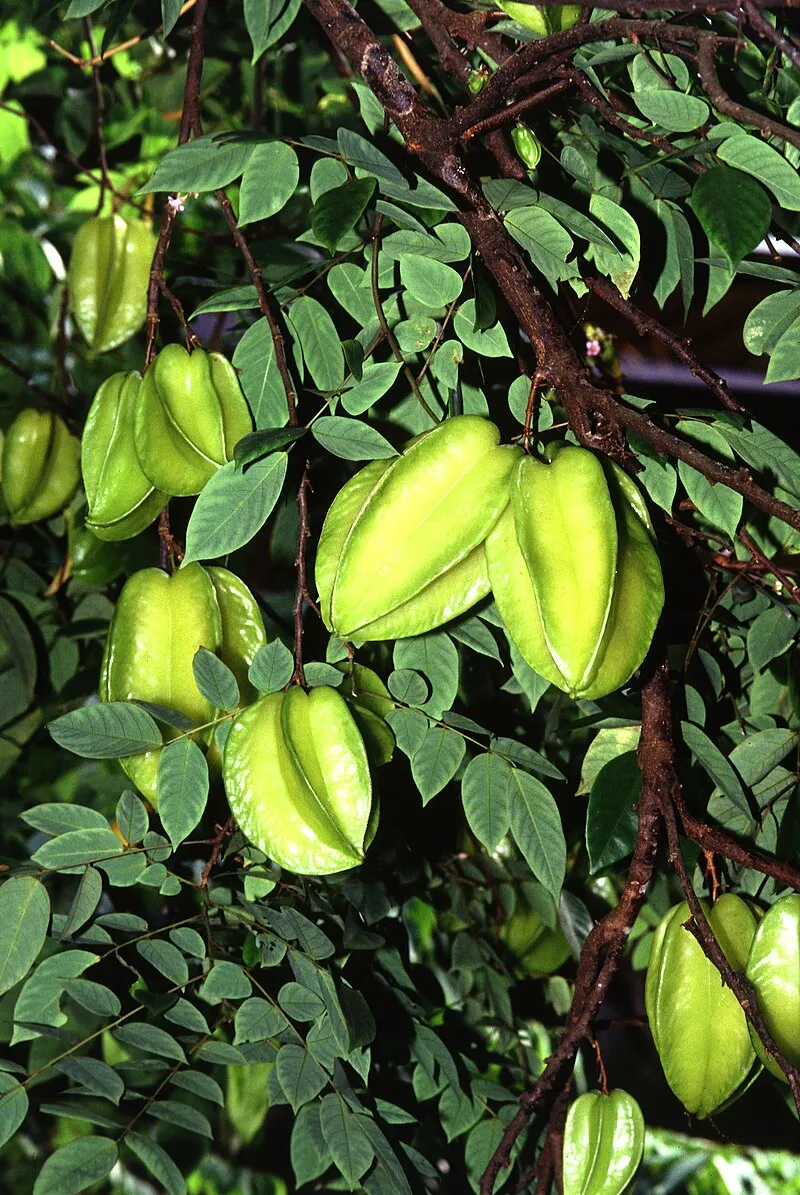
Star Fruit
FruitTropical tree with waxy, star-shaped fruit when sliced. A warmth-loving plant that does best between 22°C and 30°C, star fruit adapts well to tropical and subtropical conditions but cannot tolerate frost. Give it full sun (6-8 hours of direct light daily) and regular watering to keep soil consistently moist, and expect to harvest in roughly 730-1460 days. Patience pays off — once established, it produces reliably season after season with proper care.
Strictly tropical -- no frost tolerance. Compact tree good for small gardens. Wait until soil warms to at least 22°C before transplanting outdoors — cold soil stunts growth and can invite root rot. Aim for about 2.5 cm of water per week, adjusting for rainfall. Organic mulch around the base helps maintain even moisture.
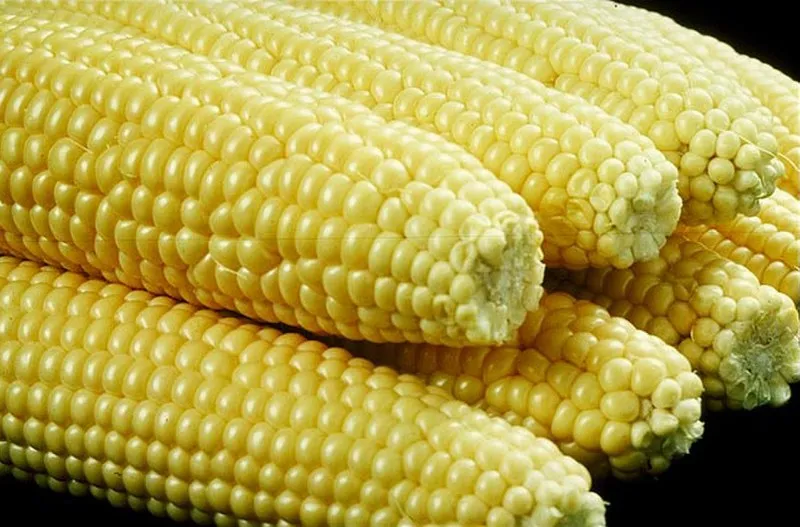
Sweet Corn
VegetableGarden-fresh corn is incredibly sweet. A warmth-loving plant that does best between 18°C and 30°C, sweet corn adapts well to tropical and subtropical conditions but cannot tolerate frost. Give it full sun (6-8 hours of direct light daily) and regular watering to keep soil consistently moist, and expect to harvest in roughly 60-100 days. Whether grown in raised beds, containers, or traditional plots, it produces well across a range of climates.
Super-sweet varieties are sweetest. Eat within hours of picking for peak flavor. Wait until soil warms to at least 18°C before transplanting outdoors — cold soil stunts growth and can invite root rot. Aim for about 2.5 cm of water per week, adjusting for rainfall. Organic mulch around the base helps maintain even moisture.
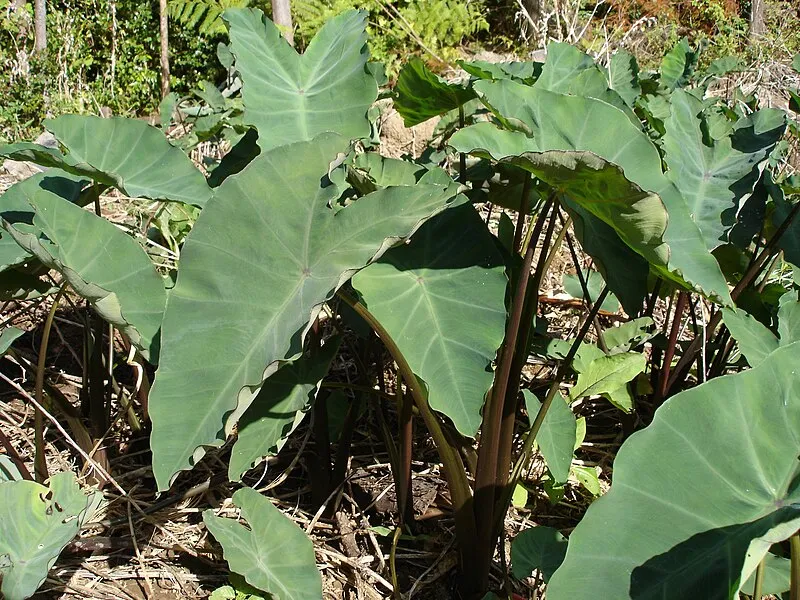
Taro
VegetableTropical root staple. A warmth-loving plant that does best between 22°C and 30°C, taro adapts well to tropical and subtropical conditions but cannot tolerate frost. Give it partial shade, though it appreciates some direct light and frequent watering — it is a thirsty plant that dislikes dry soil, and expect to harvest in roughly 180-240 days. An excellent choice for beginner and experienced gardeners alike, thanks to its forgiving growing habits.
Loves wet conditions -- grow in bog or heavy soil. Corms must be cooked thoroughly. Wait until soil warms to at least 22°C before transplanting outdoors — cold soil stunts growth and can invite root rot. Consistent moisture is critical. Mulch with straw or compost to retain soil moisture and keep roots cool during hot weather.
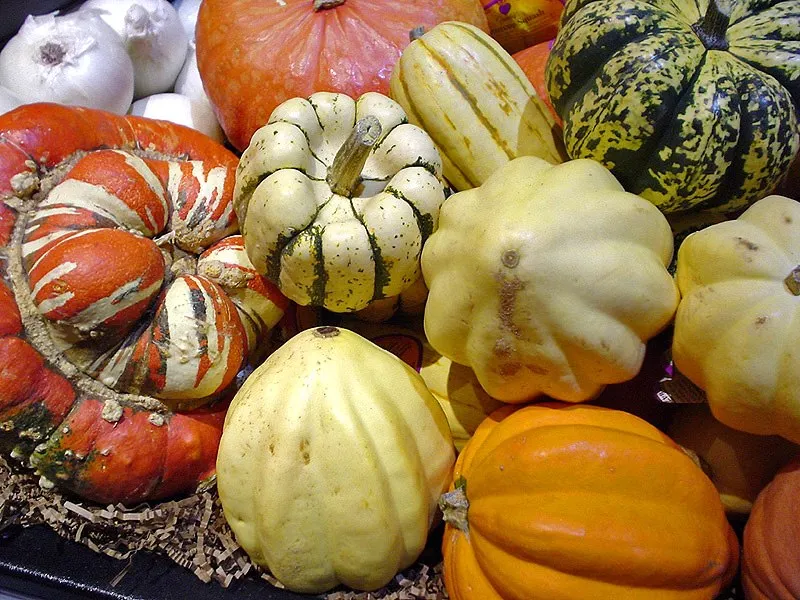
Winter Squash
VegetableHard-shelled squash that stores for months. A warmth-loving plant that does best between 18°C and 28°C, winter squash adapts well to tropical and subtropical conditions but cannot tolerate frost. Give it full sun (6-8 hours of direct light daily) and regular watering to keep soil consistently moist, and expect to harvest in roughly 80-110 days. An excellent choice for beginner and experienced gardeners alike, thanks to its forgiving growing habits.
Cure in sun for 10 days after harvest. Store in cool dry place for months. Wait until soil warms to at least 18°C before transplanting outdoors — cold soil stunts growth and can invite root rot. Aim for about 2.5 cm of water per week, adjusting for rainfall. Organic mulch around the base helps maintain even moisture.
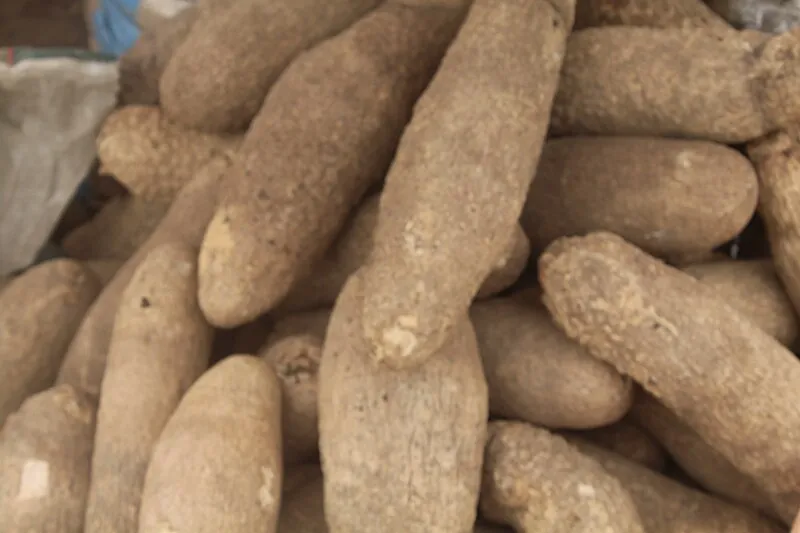
Yam
VegetableTrue tropical yam -- not to be confused with sweet potato. A warmth-loving plant that does best between 24°C and 32°C, yam adapts well to tropical and subtropical conditions but cannot tolerate frost. Give it full sun (6-8 hours of direct light daily) and regular watering to keep soil consistently moist, and expect to harvest in roughly 180-365 days. Widely grown in home gardens around the world, it adapts to a range of soil types and growing conditions.
Needs long warm season. Different from sweet potato. Wait until soil warms to at least 24°C before transplanting outdoors — cold soil stunts growth and can invite root rot. Aim for about 2.5 cm of water per week, adjusting for rainfall. Organic mulch around the base helps maintain even moisture.
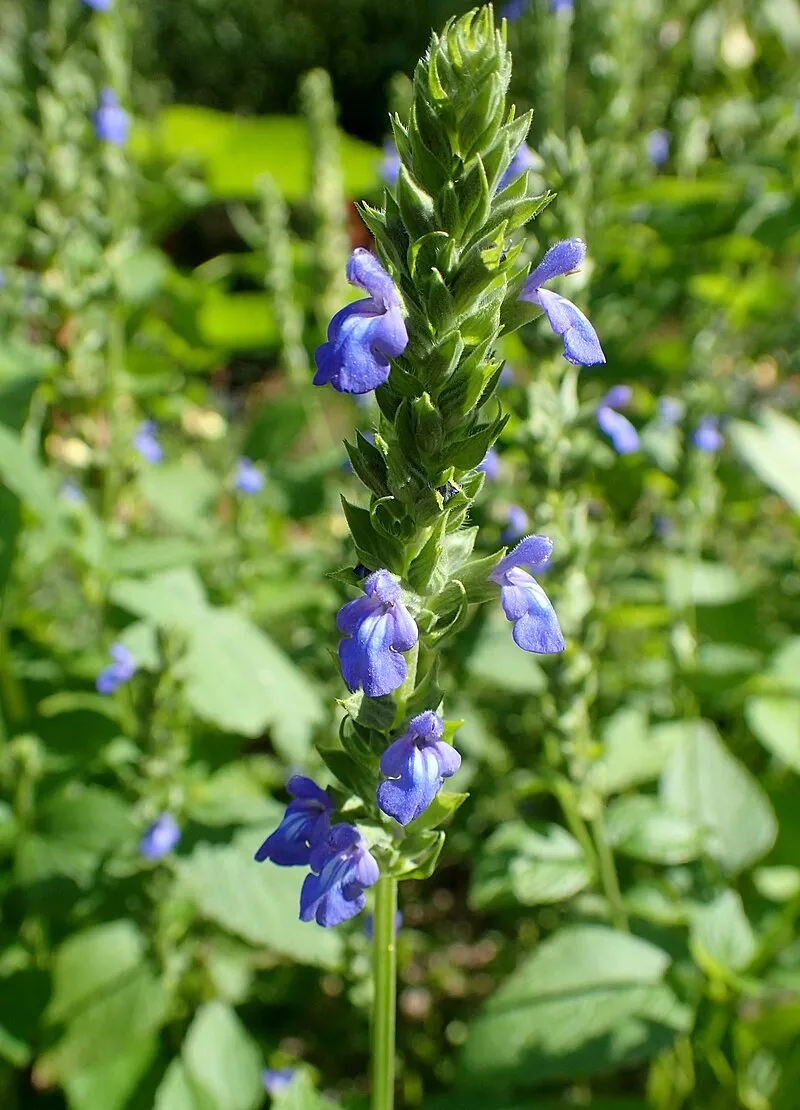
Chia
GrainAztec superfood producing omega-3 rich seeds. A warmth-loving plant that does best between 18°C and 28°C, chia adapts well to tropical and subtropical conditions but cannot tolerate frost. Requires full sun (6-8 hours of direct light daily) with minimal watering — it prefers dry conditions between drinks. Plan for about 90-120 days from planting to maturity. A worthwhile addition to any garden, combining low maintenance with satisfying results.
Needs long season. Harvest when most flowers have dried. Wait until soil warms to at least 18°C before transplanting outdoors — cold soil stunts growth and can invite root rot. Overwatering is the most common mistake. Let soil dry out between waterings and ensure drainage is excellent.
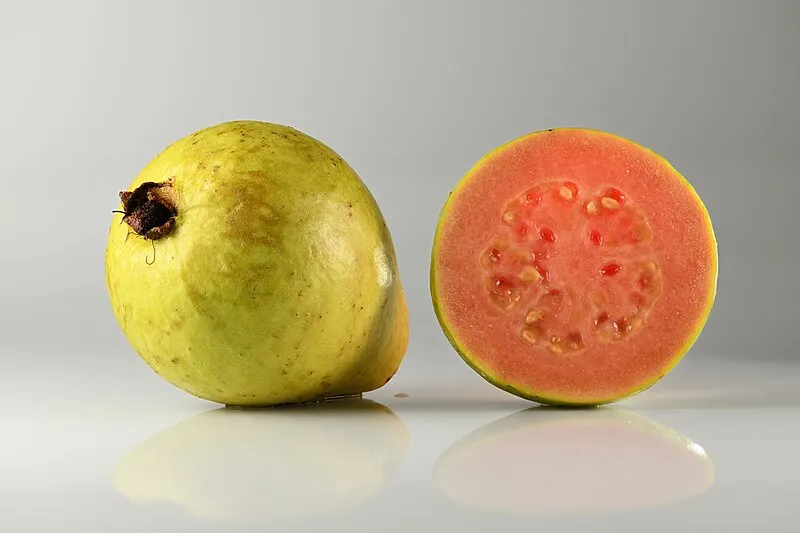
Guava
FruitTropical fruit tree with aromatic fruit. A warmth-loving plant that does best between 22°C and 30°C, guava adapts well to tropical and subtropical conditions but cannot tolerate frost. Give it full sun (6-8 hours of direct light daily) and regular watering to keep soil consistently moist, and expect to harvest in roughly 365-730 days. The flavour of home-grown fruit, picked at peak ripeness, is incomparably better than anything from a supermarket.
Can fruit in 2-3 years. Prune for shape. Wait until soil warms to at least 22°C before transplanting outdoors — cold soil stunts growth and can invite root rot. Aim for about 2.5 cm of water per week, adjusting for rainfall. Organic mulch around the base helps maintain even moisture.
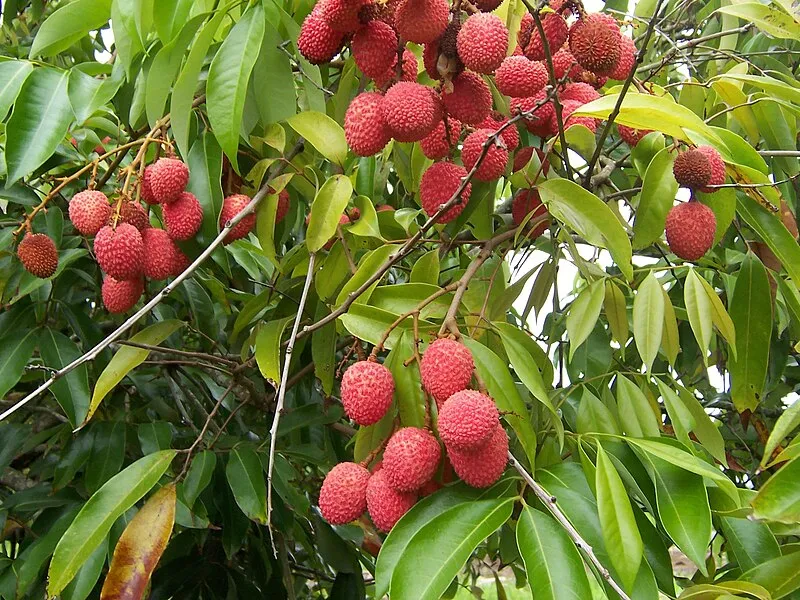
Lychee
FruitPrized tropical fruit with floral aroma and translucent flesh in rough red shell. A warmth-loving plant that does best between 22°C and 30°C, lychee adapts well to tropical and subtropical conditions but cannot tolerate frost. Give it full sun (6-8 hours of direct light daily) and regular watering to keep soil consistently moist, and expect to harvest in roughly 1825-3650 days. Patience pays off — once established, it produces reliably season after season with proper care.
Needs warm humid climate. Very slow to fruit from seed -- buy grafted trees. Wait until soil warms to at least 22°C before transplanting outdoors — cold soil stunts growth and can invite root rot. Aim for about 2.5 cm of water per week, adjusting for rainfall. Organic mulch around the base helps maintain even moisture.
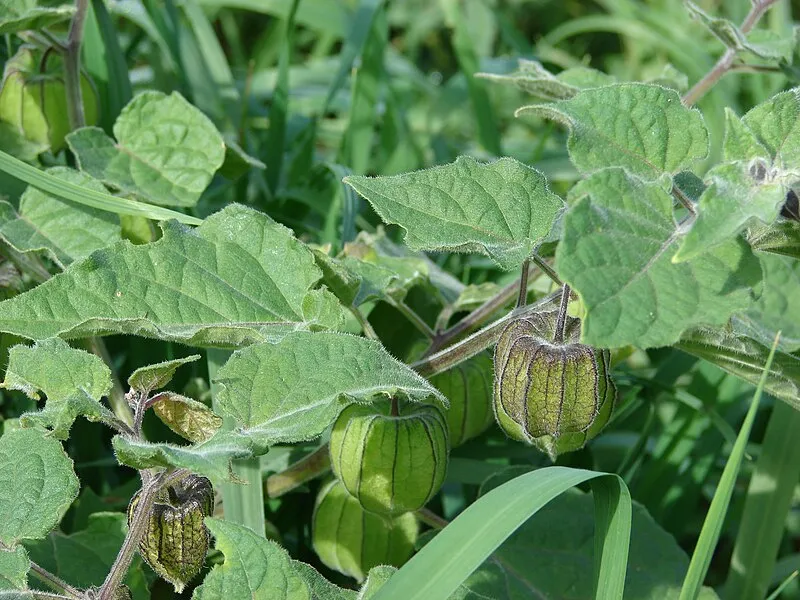
Physalis
FruitGround cherry / cape gooseberry with sweet fruit in papery husks. A warmth-loving plant that does best between 15°C and 25°C, physalis adapts well to tropical and subtropical conditions but cannot tolerate frost. Give it full sun (6-8 hours of direct light daily) and regular watering to keep soil consistently moist, and expect to harvest in roughly 70-90 days. The flavour of home-grown fruit, picked at peak ripeness, is incomparably better than anything from a supermarket.
Related to tomatillo. Fruit drops when ripe. Wait until soil warms to at least 15°C before transplanting outdoors — cold soil stunts growth and can invite root rot. Aim for about 2.5 cm of water per week, adjusting for rainfall. Organic mulch around the base helps maintain even moisture.
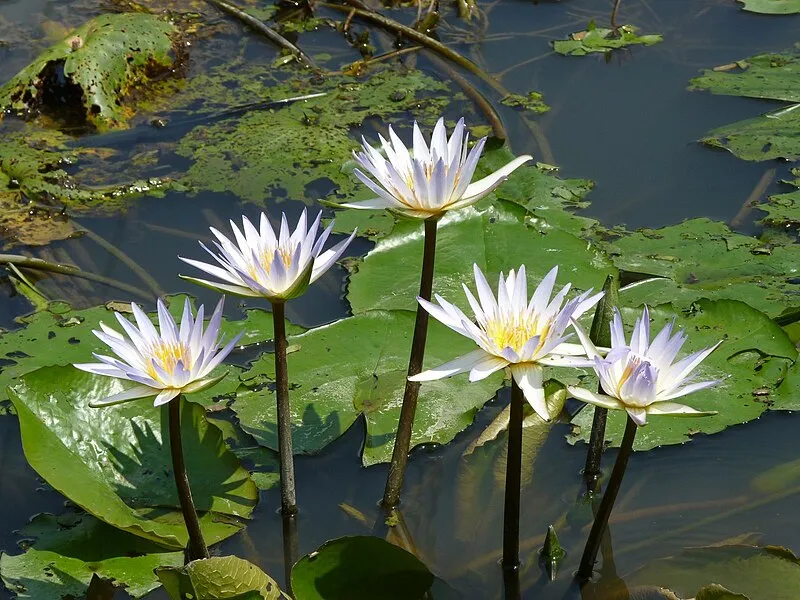
Waterlily
FlowerAquatic perennial for ponds and water features. A warmth-loving plant that does best between 18°C and 28°C, waterlily adapts well to tropical and subtropical conditions but cannot tolerate frost. Plant in a spot with full sun (6-8 hours of direct light daily) and provide frequent watering — it is a thirsty plant that dislikes dry soil. Expect blooms in approximately 90-180 days. An easy way to add dramatic colour to any garden, with minimal maintenance once established.
Needs still, warm water and full sun. Plant in aquatic baskets. Wait until soil warms to at least 18°C before transplanting outdoors — cold soil stunts growth and can invite root rot. Consistent moisture is critical. Mulch with straw or compost to retain soil moisture and keep roots cool during hot weather.
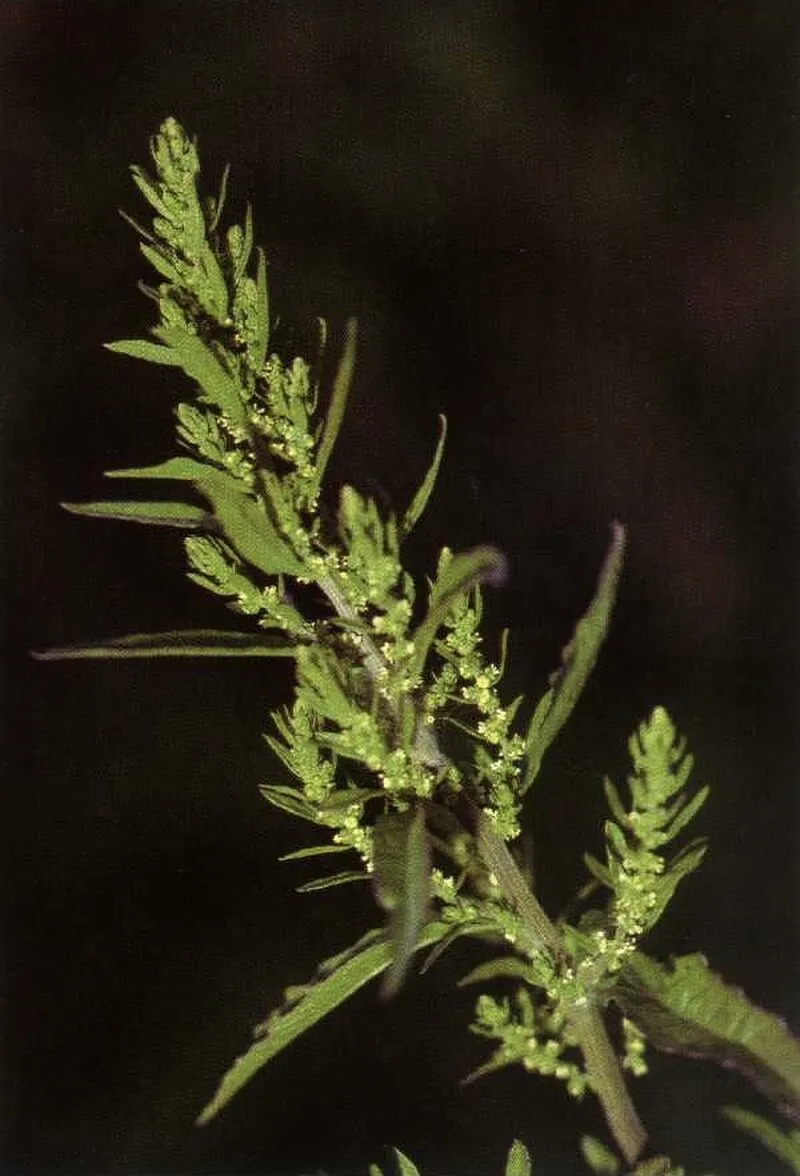
Epazote
HerbMexican herb essential for cooking black beans. A warmth-loving plant that does best between 18°C and 28°C, epazote adapts well to tropical and subtropical conditions but cannot tolerate frost. It needs full sun (6-8 hours of direct light daily) and minimal watering — it prefers dry conditions between drinks — leaves are ready for picking in about 45-60 days. Valued in cuisines worldwide, it is easy to grow and rewards regular harvesting with bushier, more productive plants.
Easy from seed. Self-seeds aggressively. Wait until soil warms to at least 18°C before transplanting outdoors — cold soil stunts growth and can invite root rot. Overwatering is the most common mistake. Let soil dry out between waterings and ensure drainage is excellent.
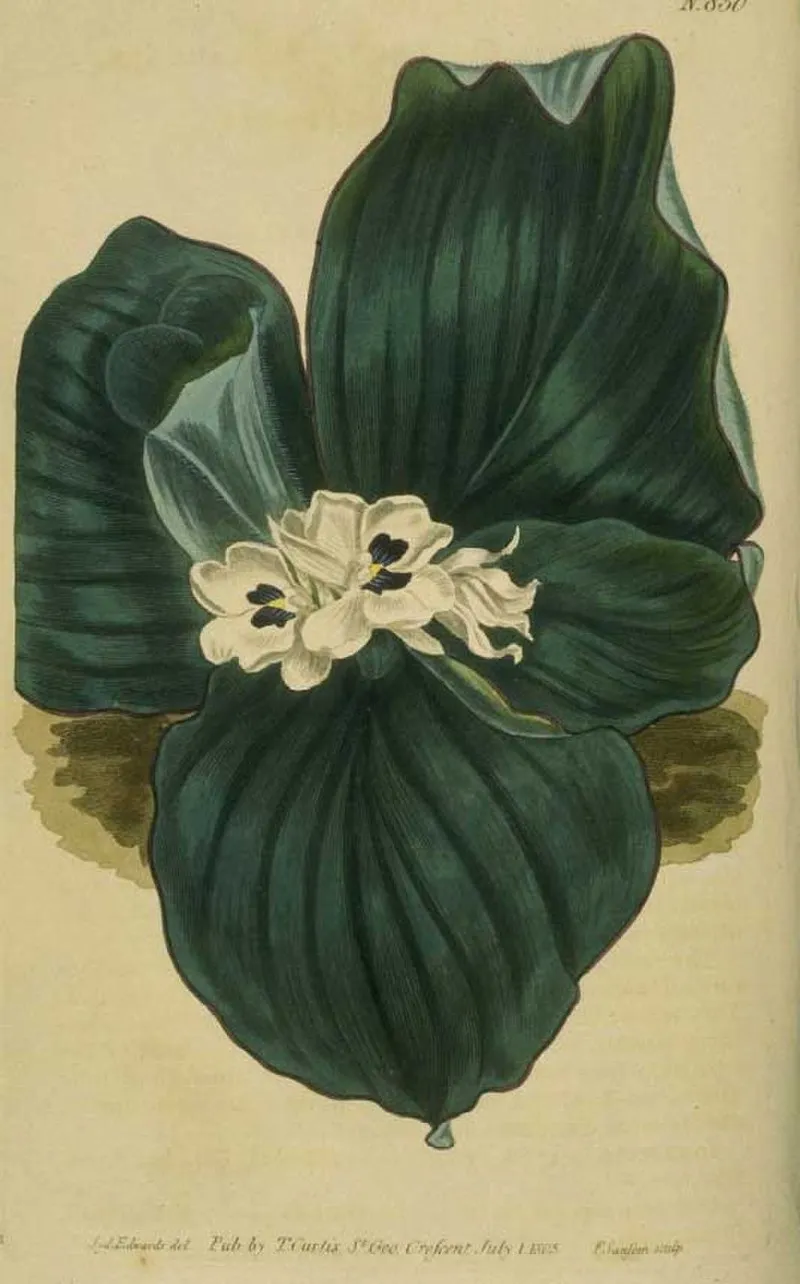
Galangal
SpiceGinger-like rhizome essential in Thai cooking. A warmth-loving plant that does best between 22°C and 30°C, galangal adapts well to tropical and subtropical conditions but cannot tolerate frost. It needs partial shade, though it appreciates some direct light and regular watering to keep soil consistently moist — leaves are ready for picking in about 240-365 days. Perfect for container gardens and small spaces — just place it where it gets adequate light and harvest as needed.
Grow like ginger but harder rhizome. Needs tropical warmth and humidity. Wait until soil warms to at least 22°C before transplanting outdoors — cold soil stunts growth and can invite root rot. Aim for about 2.5 cm of water per week, adjusting for rainfall. Organic mulch around the base helps maintain even moisture.
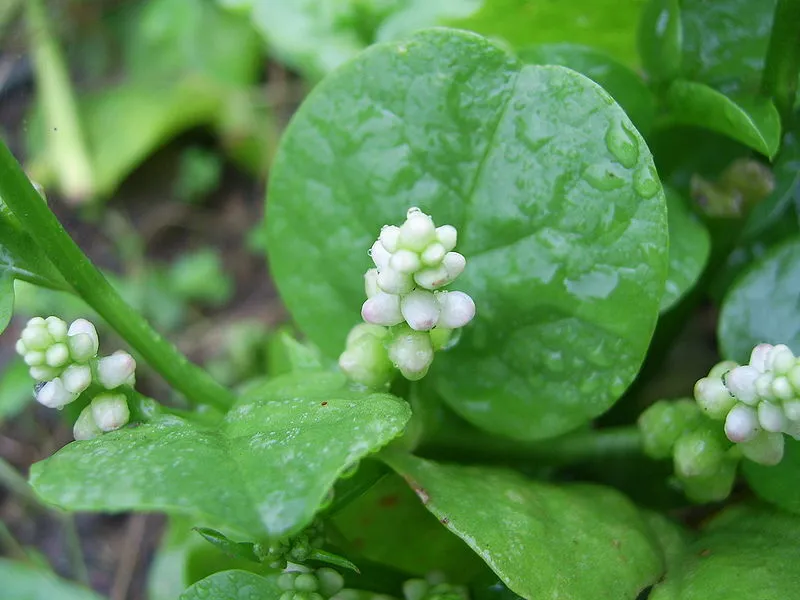
Malabar Spinach
VegetableTropical vine with thick, succulent leaves. A warmth-loving plant that does best between 22°C and 32°C, malabar spinach adapts well to tropical and subtropical conditions but cannot tolerate frost. Give it full sun (6-8 hours of direct light daily) and regular watering to keep soil consistently moist, and expect to harvest in roughly 50-70 days. A staple of kitchen gardens and allotments, it rewards even first-time growers with a generous harvest.
Thrives in heat when regular spinach bolts. Climbing vine needs trellis. Wait until soil warms to at least 22°C before transplanting outdoors — cold soil stunts growth and can invite root rot. Aim for about 2.5 cm of water per week, adjusting for rainfall. Organic mulch around the base helps maintain even moisture.
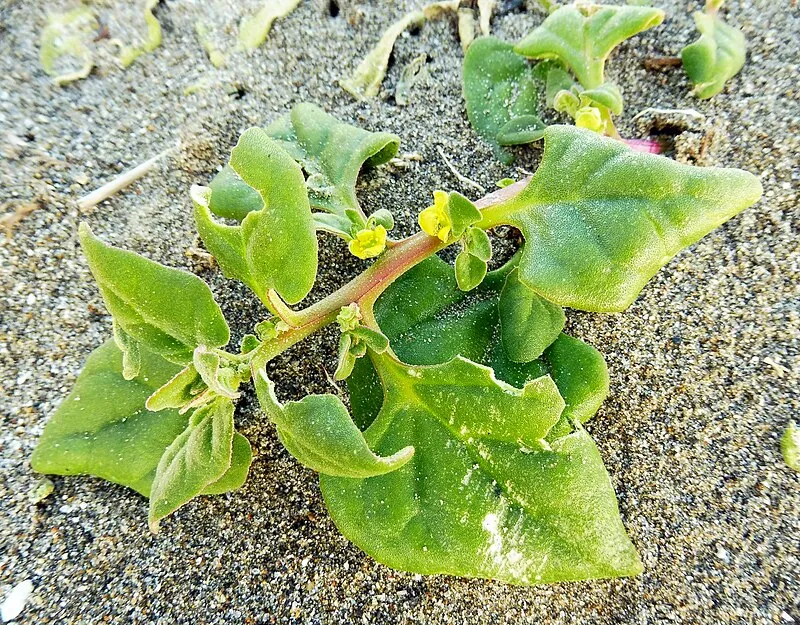
New Zealand Spinach
VegetableHeat-tolerant spinach alternative. A warmth-loving plant that does best between 18°C and 28°C, new zealand spinach adapts well to tropical and subtropical conditions but cannot tolerate frost. Give it full sun to partial shade and moderate, even watering throughout the growing season, and expect to harvest in roughly 55-70 days. Popular with home gardeners for its reliable yields and straightforward growing requirements.
Soak seeds overnight. Tolerates heat, drought, and salt. Wait until soil warms to at least 18°C before transplanting outdoors — cold soil stunts growth and can invite root rot. Water steadily but avoid soggy soil. A 5-cm layer of organic mulch helps balance moisture and suppress weeds.
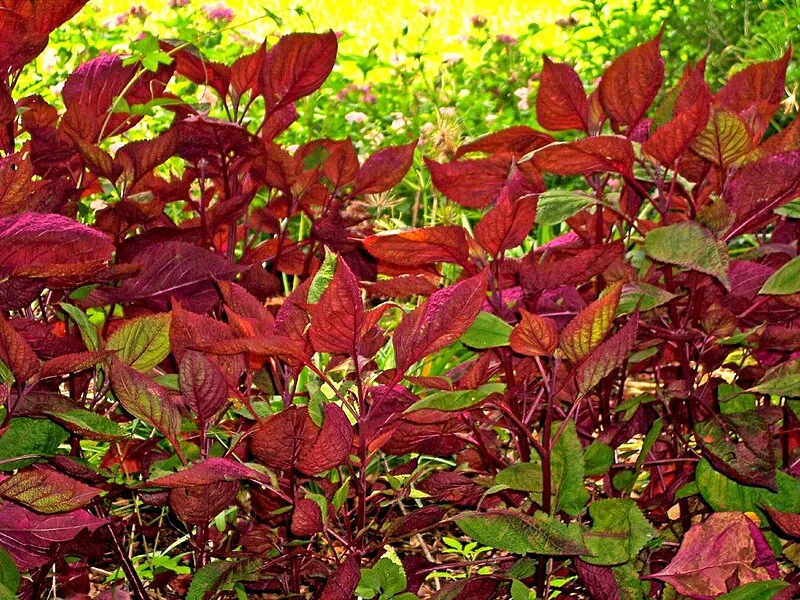
Perilla
HerbShiso -- Japanese herb with unique flavor. A warmth-loving plant that does best between 18°C and 28°C, perilla adapts well to tropical and subtropical conditions but cannot tolerate frost. It needs full sun to partial shade and regular watering to keep soil consistently moist — leaves are ready for picking in about 50-70 days. Perfect for container gardens and small spaces — just place it where it gets adequate light and harvest as needed.
Self-seeds readily. Essential in Japanese and Korean cuisine. Wait until soil warms to at least 18°C before transplanting outdoors — cold soil stunts growth and can invite root rot. Aim for about 2.5 cm of water per week, adjusting for rainfall. Organic mulch around the base helps maintain even moisture.
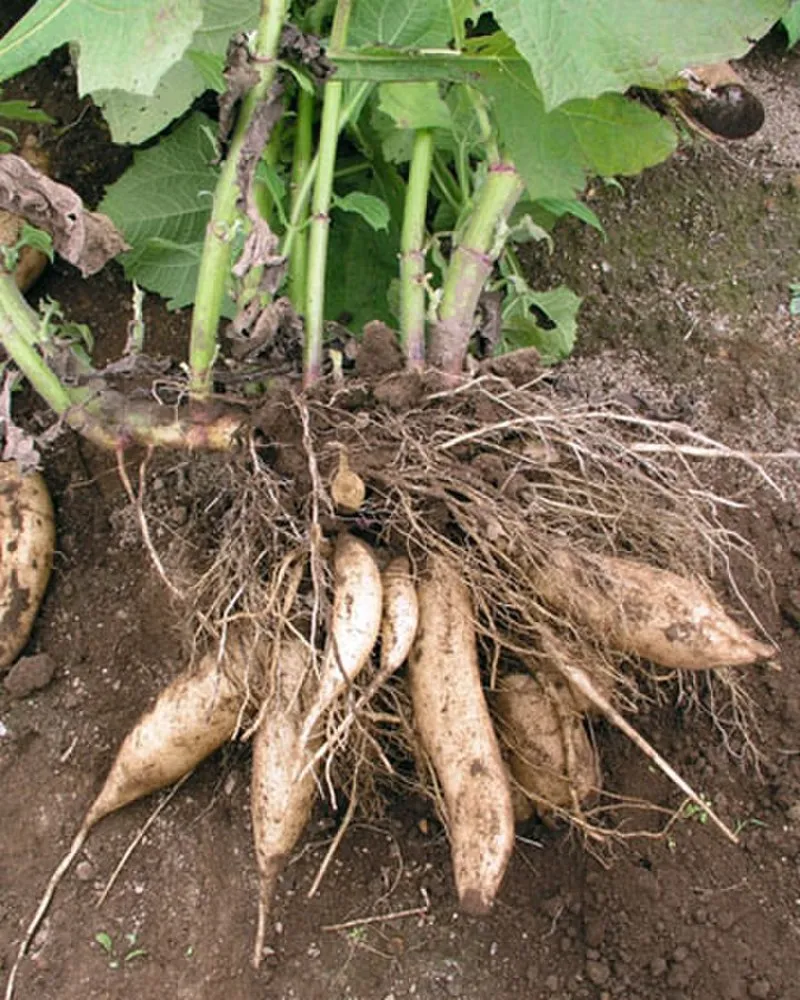
Yacon
VegetableAndean root with sweet, crunchy, juicy flesh. A warmth-loving plant that does best between 15°C and 25°C, yacon adapts well to tropical and subtropical conditions but cannot tolerate frost. Give it full sun (6-8 hours of direct light daily) and regular watering to keep soil consistently moist, and expect to harvest in roughly 180-240 days. Popular with home gardeners for its reliable yields and straightforward growing requirements.
Plant crown pieces. Harvest after frost kills tops. Wait until soil warms to at least 15°C before transplanting outdoors — cold soil stunts growth and can invite root rot. Aim for about 2.5 cm of water per week, adjusting for rainfall. Organic mulch around the base helps maintain even moisture.
Frequently Asked Questions
What plants can you grow year-round?
In tropical climates (Southeast Asia, Hawaii, Southern Florida, parts of Africa and Latin America), many vegetables and fruits grow year-round without a winter break. Tomatoes, peppers, eggplant, green beans, cucumbers, and most herbs grow continuously. Tropical fruits like papaya, banana, mango, and avocado also grow year-round in these regions. In temperate climates, some cold-hardy greens like kale and lettuce can provide near-year-round harvests with season extension methods.
How do I grow year-round in a cold climate?
Even in cold climates, you can extend your growing season significantly. Use cold frames or low tunnels to protect plants into winter. Grow cool-season crops in autumn and early spring. Use a greenhouse or grow lights for winter harvests. Focus on frost-tolerant plants like kale, spinach, and carrots that survive light frosts. In mild climates (USDA zones 8-10), you can grow outdoors almost continuously with the right crop selection.
What is the best tropical vegetable to grow?
Sweet potato is one of the most productive tropical vegetables — it produces both edible leaves and starchy tubers continuously in warm climates. Eggplant, okra, and bitter melon are other high-producing tropical vegetables. Lemongrass and turmeric are low-maintenance tropical herbs that grow vigorously once established. Moringa is often called the 'miracle tree' for its incredibly fast growth and highly nutritious leaves.